





Introduction: Understanding Industry Terms for Sourcing Success
When launching or scaling a fitness apparel brand, it’s crucial to navigate the maze of industry jargon: manufacturer, supplier, wholesaler, distributor, and trading company. Each model shapes your supply chain, cost structure, and product quality. Choosing the right partner means more than just finding the lowest price—it determines your ability to innovate, control quality, and respond to market trends. At Ninghow, where production expertise and hands-on garment making define our approach, we help brands see where real manufacturing value lies.
For those comparing manufacturing paths, exploring gym clothing manufacturers offers a detailed look at our production capabilities, customization options, MOQs, and how working directly with an apparel manufacturer can improve quality control and brand flexibility. This is a practical next step for sourcing teams and emerging brands interested in custom, scalable, and reliable gym apparel solutions.
Gym Clothing Manufacturer vs Gym Clothing Supplier: What Is the Real Difference?
Before making sourcing decisions, it’s essential to distinguish between key industry players:
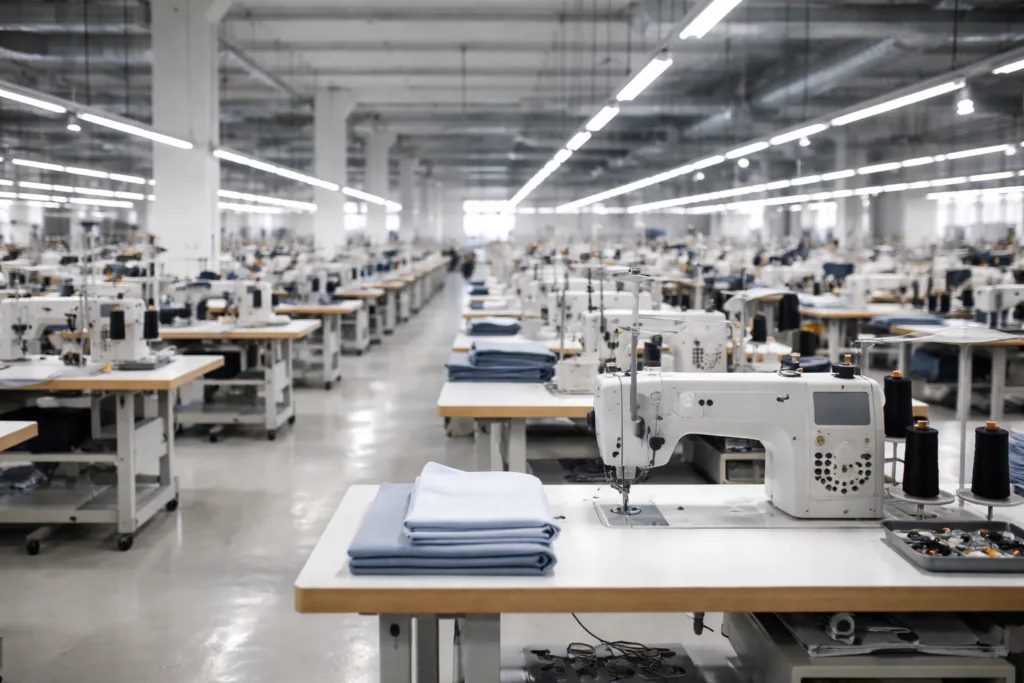
- Manufacturer: Owns and operates garment factories, manages all production steps in-house from fabric to finished goods. Specializes in custom product development and quality control, and communicates directly with brands.
- Supplier: Broad term for any entity supplying products—includes manufacturers, but also wholesalers and distributors. “Supplier” is often used generically and can refer to both makers and middlemen.
- Wholesaler: Buys in large volume from factories, stocks standardized products, and resells in smaller volumes to retailers or brands. Usually offers pre-made designs—minimal customization.
- Distributor: Acts as the regional agent for brands or factories, focusing on sales, delivery, and local inventory. Often adds another layer between factory and store shelf.
- Trading Company: Middlemen who source from multiple factories and offer a wide catalog. Good for one-stop purchasing but often less transparent and less control over quality and design intricacies.
Industry Role Comparison Table: Manufacturer to Trading Company
| Role | Owns Factory | Customization | MOQ | Quality Control | Product Range |
|---|---|---|---|---|---|
| Manufacturer | Yes | High | Flexible | Direct, strong | Focused |
| Supplier | Varies | Varies | Depends | Depends | General |
| Wholesaler | No | Low | High | Basic | Broad |
| Distributor | No | Low | Medium | General | Selective |
| Trading Company | No | Low-Medium | High | Indirect | Wide |
Why Choosing the Right Supply Model Matters
Your choice impacts more than just immediate cost. Manufacturers like Ninghow offer tangible benefits few suppliers or wholesalers can match. If you value product uniqueness, full control over fabric and fit, or want a transparent production process, working directly with manufacturers is vital.
When Should You Work with a Manufacturer?
Direct engagement with a manufacturer delivers:
- Custom designs tailored to your brand DNA
- Reliable QC at every production step
- Material and trim selection managed in-house
- More control over timelines and logistics
Scenarios Favoring Manufacturers
- Launching new collections or proprietary lines
- Needing specific fits, performance, or certifications
- Maintaining strict color and branding standards
When Are Suppliers and Wholesalers More Practical?
If your priority is low cost and fast delivery and you can work with standard styles, suppliers or wholesalers can work in your favor. These models suit:
- Small-scale startups needing quick stock
- Online retailers testing product lines
- Bulk orders of generic gym wear
Drawbacks of Not Going Direct
- Limited customization
- Unpredictable product changes
- Introduction of extra cost layers
- Variable QC standards
Key Benefits of Working Directly with a Manufacturer
Let’s break down why manufacturers are the preferred option for brands serious about differentiation and quality:
- Direct Communication: Problems, design changes, or rush orders are handled without translation lag or lost context.
- Prototyping and Sampling: Fast iteration of fit and fabric; all feedback loops lead straight to the factory floor.
- Supply Chain Transparency: Understand where and how your products are made—no guesswork about sourcing.
- Cost Efficiency in the Long Run: Higher upfront work, but fewer rework costs and missed market windows.
Common Myths About Gym Clothing Suppliers and Manufacturers
- Myth: All suppliers are manufacturers. Reality: Many act as intermediaries, not producers.
- Myth: Manufacturers can’t be flexible. Reality: Most are equipped for custom runs and innovative requests, especially in activewear.
- Myth: Prices are always lowest via supplier. Reality: Suppliers add markups; direct factory sourcing is often more cost-effective, especially at scale.
Making Sense of MOQ Differences
Minimum order quantities (MOQs) vary significantly between models:
- Manufacturer: Can offer smaller MOQs if the product is within their standard workflow or with flexible setups.
- Supplier/Wholesaler: Set MOQs based on bulk purchasing from factories—they cannot always accommodate small custom runs.
Ninghow’s Custom Approach
Ninghow routinely reviews MOQs with brands—balancing cost, complexity, and production line efficiency. Honest conversations help avoid surprises and ensure brands get what works for their size and budget.
How Do Trading Companies Fit In?
Trading companies aggregate products from multiple sources, offer catalog-style ordering, and manage export paperwork. They have their place if you want to buy multiple categories fast. However, with more layers come less transparency, a longer problem-resolution chain, and less say in production details.
Evaluating Wholesale Gym Apparel Suppliers
When considering wholesale gym apparel suppliers, weigh their catalogs against your needs for custom labeling, design, and future scalability. Many use replicated patterns and mass-produced fabrics, which can hinder brand distinction if you’re building a reputation for quality.
Transparency in Production: Manufacturer vs. Supplier
Direct manufacturers welcome detailed discussions on stitching, fabrics, labeling, and quality assurance. Suppliers may not know the full details behind the product, especially if they are not closely involved with the factories. Choosing the right clothing manufacturer helps brands avoid unpleasant surprises down the line. For practical tips on this process, see our article on choosing the right clothing manufacturer.
Responsiveness and Design Innovation
Innovative product development happens best with the manufacturer. Adjustments for performance fabrics, ergonomic seams, or eco materials are handled where skills and machinery reside. Brands aiming for rapid market response are best served by factory-direct relationships.
Production Quality and Consistency
Factories like Ninghow enforce strict quality standards at multiple checkpoints: pre-production, inline, and post-production. By contrast, suppliers auditing finished goods may lack an eye for detail or be too far removed to correct issues before shipping.
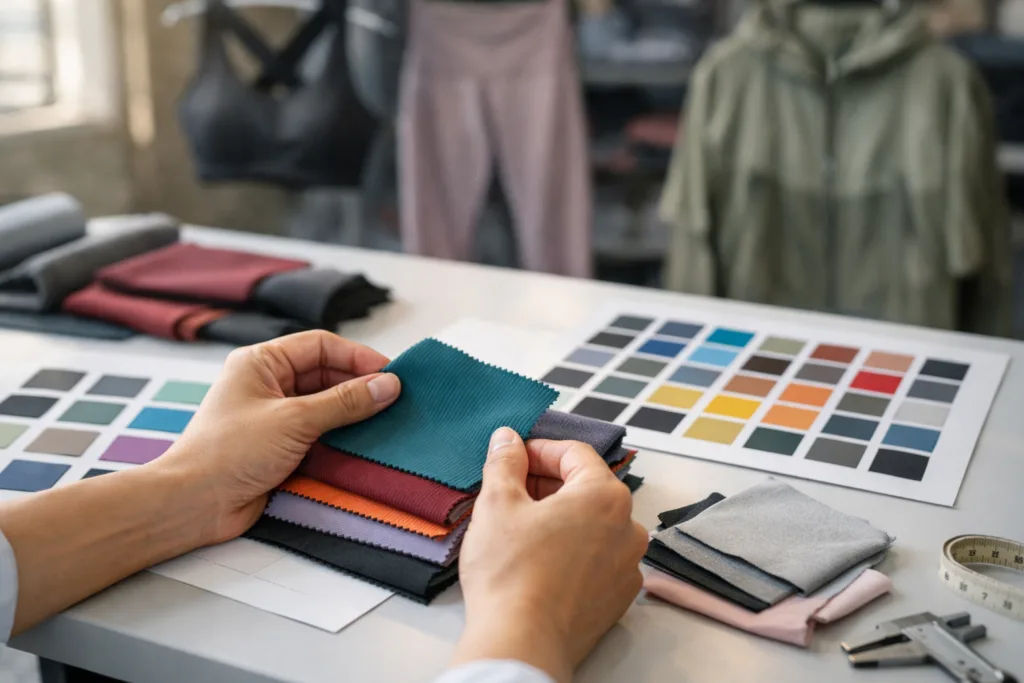
Communication Channels: Avoiding the Telephone Game
More intermediaries introduce more chances for miscommunication. Manufacturers talk directly to you about pattern tweaks, sequencing, trims, and deadlines—no loss in translation.
Lead Times and Flexibility
Lead times are often shorter when dealing directly with manufacturers. Factory teams optimize scheduling, procurement, and labor allocation for each client, while suppliers/wholesalers are bound by batch processing, less able to adapt to urgent requests.
The China Advantage in Sportswear Manufacturing
China remains at the forefront of sportswear manufacturing for a reason: advanced machinery, rich fabric supply chains, deep experience, and robust QC systems. For those considering sustained relationships and efficient reorders, see our insight on the advantages of sourcing from China.
Key Considerations Before Partnering Up
- What matters more—speed or full customization?
- What MOQs can you afford?
- How important is product traceability and production ethics?
- Can you absorb minor differences in quality or must every piece be perfect?
- Do you need proprietary fabrics, or are off-the-shelf materials enough?
Cost Analysis: Shortcuts vs. Direct Investment
At first glance, suppliers and trading companies may offer more attractive short-term pricing. However, recurring errors, inconsistent sizing, and delayed deliveries often erode the initial cost advantage—leading to higher net expenses in the long term. Direct engagement with a factory protects both your time and margin.
Sustainability and Compliance: Who Sets the Standard?
Brands with sustainability and testing requirements need to verify source compliance. Manufacturers typically lead in implementing certifications (like OEKO-TEX or GRS), chemical management, and ethical labor standards. With suppliers or trading companies, these assurances become less reliable.
Real-World Scenarios: Brand Stories
Many successful gym wear startups migrated from wholesale suppliers to direct manufacturers after struggling with inconsistent fit and poor embroidery. As a factory, we’ve seen how optimizing sampling rounds or moving to direct material sourcing unlocks better margins and brand loyalty.
Choosing Your Model: Decision Checklist
- For new, unique, or branded designs: Use a manufacturer
- For generic, standardized products: Supplier or wholesaler may suffice
- Need absolute QC and transparency? Manufacturer
- Need quick buys across categories? Trading company
- Want to scale and evolve products? Manufacturer or OEM specialist
Navigating Factory Communication: Insider Tips
Establish clear specs, tech packs, and timelines up front. Manufacturing teams appreciate concise feedback and clear goals. From the production lead’s side, small details—like confirming GSM for fabric or thread count for seams—help prevent snags and reworks. Build trust with regular, factual updates rather than urgent post-hoc emails.
The Bottom Line
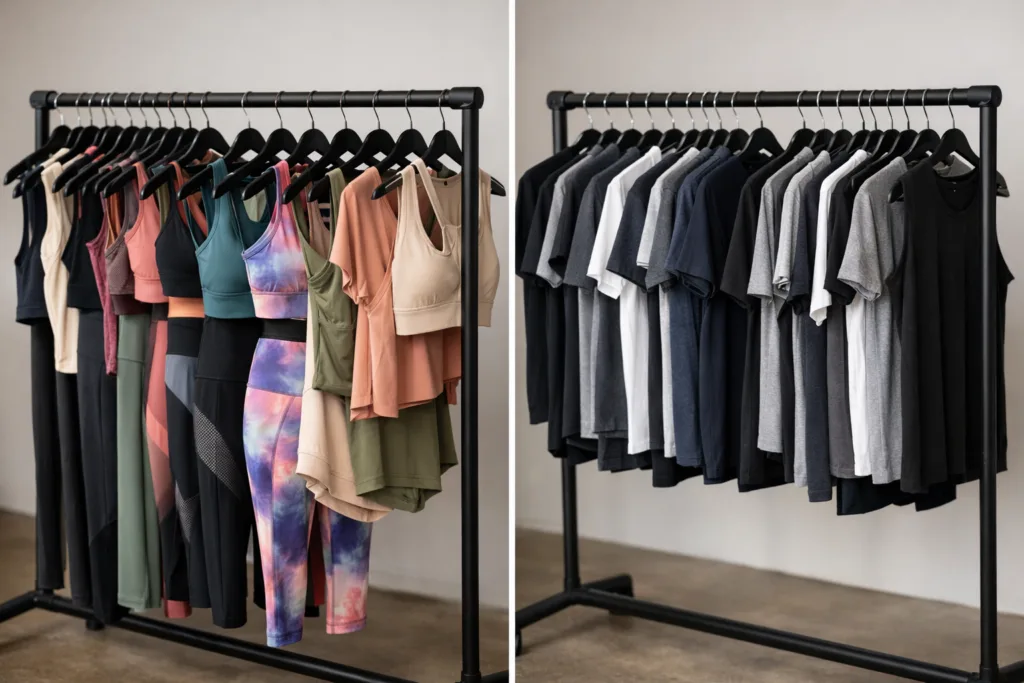
Understanding the difference between a gym clothing manufacturer and gym clothing supplier saves you from costly sourcing errors. Brands seeking long-term growth, strict QC, innovation, and credible differentiation should work directly with an experienced manufacturer. Middlemen models still have their place for basics or market testing, but for sustainable scaling, manufacturing partnerships deliver the most value.
Frequently Asked Questions
What is the core difference between a manufacturer and a supplier in gym apparel?
A manufacturer owns and runs the facility where products are made, manages QC, and offers custom production; a supplier may simply resell existing products made by others.
Do I need a manufacturer if I only want to buy stock gym wear?
If you’re okay with generic styles and no branding, a supplier or wholesaler suits you. For custom designs or specific fit/quality, direct manufacturing is necessary.
Can I get lower minimum order quantities (MOQ) with a supplier?
Usually, no. Suppliers’ MOQs are set by what they source from factories, while manufacturers may offer flexibility for developing clients or special runs.
How do quality control standards typically differ?
Manufacturers run in-house QC at each stage, while suppliers rely on post-production checks—often missing process details that influence end quality.
Is it risky to work with a trading company for custom gym wear?
Trading companies can offer a wide product range but often lack deep control over design details, fabric choice, or on-site QC, introducing risk for custom jobs.
Why is China considered a reliable region for sportswear manufacturing?
China offers advanced equipment, a strong supply chain, skilled labor, and proven QC processes, leading to consistent quality and competitive pricing for global brands.