








Why Low Labor Cost Does Not Guarantee Better Apparel Sourcing
For decades, brands and sourcing managers have prized low labor cost apparel sourcing as a key to boosting profit margins. But chasing only the lowest wage rates often leads to nasty surprises—think late deliveries, unpredictable quality, and spiraling costs that were never part of the plan. Why? Because low labor cost does not guarantee better apparel sourcing. In modern garment production, labor is just one piece of a much larger and riskier puzzle. This guide explores the most common misconceptions, outlines the pitfalls and hidden costs, and shows how to make smarter sourcing decisions for every type of apparel order.
The Labor Cost Myth: More Than Meets the Eye
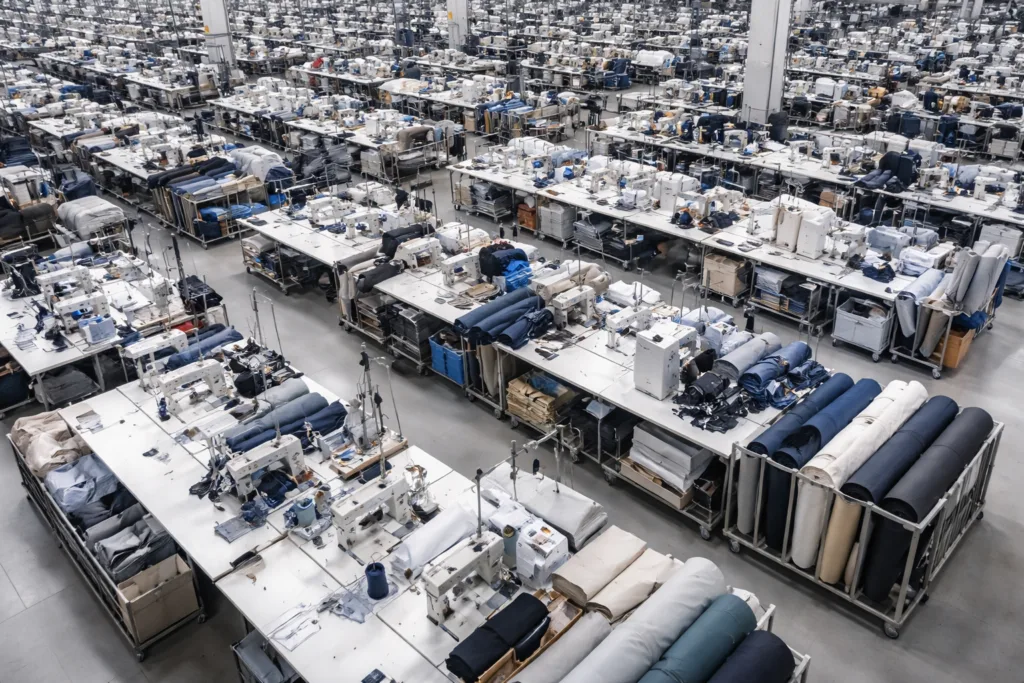
Many assume that cheaper labor automatically results in lower total production costs. But this ignores critical realities of the apparel industry. Labor may be a visible line item, but it’s never the whole story. Focusing only on hourly wages can conceal real sourcing risks—especially for fashion brands and teams needing consistency, speed, or picky custom details.
Where Labor Fits Into Clothing Production Costs
Labor costs are only a fraction of what brands actually pay. Even in classic garment hubs like Bangladesh or Vietnam, labor usually accounts for just 15–25% of the true cost. Material pricing, trims, shipping, and technology play huge roles—and as orders get more complex, labor savings can quickly get wiped out by quality issues or rework.
Breaking Down the Apparel Sourcing Total Cost
| Cost Component | Definition | Hidden Risks |
|---|---|---|
| Sample & Development | Initial fit and construction validation | Delays, costly corrections, miscommunication |
| Production Labor | Actual sewing, cutting, assembly | Quality fluctuation, retraining, slow lines |
| Material Waste | Fabric, trims lost in process | Reordering, inconsistent yield |
| Quality Assurance | Inspection, repair, rework | High returns, extra QC, shipment holds |
| Shipping & Logistics | Freight, customs, local transport | Delays, damages, hidden upcharges |
| Communication | Coordination, revisions, cultural barriers | Errors, clarifications, change orders |
It’s only when you add all these together that you see the true price of apparel sourcing. If you ignore rework or assume smooth communication, you’re counting pennies and dropping dollars.
The Hidden Risks of Cheap Clothing Manufacturing
- Sample Delays or Inaccuracy: Inexperience or overworked teams lead to long sample times or poor fit, impacting go-to-market speed and brand trust. (See critical ways samples protect your custom team clothing orders to limit these risks.)
- Quality Swings: Inconsistent QC processes mean the same design might look—and wear—entirely differently from one batch to the next.
- Communication Gaps: Language or time zone differences slow approvals, cause technical misunderstandings, and derail timelines.
- Unplanned Rework: Cheap labor often means less skilled labor, so fixing mistakes eats your savings quickly.
- Delivery Uncertainty: Inexperienced factories can stumble on complex projects, missing critical deadlines, especially for eventwear or launches.
Cheap Labor May Mean Costly Apparel Sourcing Mistakes
Let’s say labor in Country A is 40% lower than in Country B. If sampling, rework, or returns cause just a 5-10% increase in shipping or delay costs, most or all labor savings disappear. Meanwhile, your brand reputation takes a hit if poor quality or late delivery frustrate customers—effects that linger long after a single order.
When Do Low Labor Cost Countries Make Sense?
For certain products and order types, low labor cost countries can deliver real savings. Simple, high-volume T-shirts or basic uniforms, where design and fit aren’t critical, are the sweet spot. If your brand just needs basic production and isn’t time-sensitive, reputable low-cost suppliers can work well.
What Types of Orders Don’t Suit Low Labor Cost Sourcing?
Here are scenarios where the lowest labor cost approach often fails:
- Complex patterns, unique fits, or premium branding elements
- Tight, non-negotiable deadlines (sports events, corporate launches, school terms)
- Repeat/reorder consistency (where every batch must match exactly)
- Orders requiring precise custom sampling (fabrics, trims, logos)
For these types of orders, the risk of costly errors, rework, or timeline overruns often outweighs any wage savings. (If you’re comparing Asian manufacturing hubs, see our detailed China vs India for Apparel Manufacturing guide to clarify crucial differences.)
Low Cost Garment Manufacturing: The True Cost Equation
In real-world manufacturing, the lowest labor rates aren’t the biggest opportunities for savings. Most total sourcing cost comes from minimizing:
- Errors and rework
- Delays and disruptions
- Returns, customer complaints, or product withdrawals
- Excess communication, endless clarifications, or misalignments
Forward-thinking brands focus more on first-time quality and on-schedule delivery—even if it means a slightly higher up-front wage bill.
Apparel Sourcing Total Cost: Calculation Examples
Consider two mock scenarios for a bulk team order of 1,000 custom polos:
| Factor | Country A (Low Labor) | Country B (Stable Chain) |
|---|---|---|
| Labor Cost | $2,000 | $2,800 |
| Sample Corrections | $350 | $100 |
| Rework Costs | $400 | $80 |
| Delay Expenses | $300 | $60 |
| Shipping Changes | $150 | $0 |
| Total Cost | $3,200 | $3,040 |
This table shows how unplanned extras often erase low labor’s theoretical advantage—and can even make higher-wage regions more cost-effective when rework, delays, and unstable supply hit the bottom line.
Communication Costs: The Hidden Sourcing Tax
Negotiating, re-explaining spec sheets, and clarifying points with factories is never “free.” Every translation mix-up, missed call, or email chain slows your project and ramps up frustration. Seasoned factories with experienced English-speaking project managers become worth their weight in gold when communication costs spiral out of control.
Rework and Returns: Undermining Low Labor Cost Apparel Sourcing
Cheap factories may lack tight quality control—leading to higher product rejections or returns. Every time your team discovers defects after bulk production, the true cost of “savings” can become overwhelming. If your brand faces a major event, a late or defective order does far more long-term damage than a slightly pricier per-unit cost. Learn how to select a reliable manufacturer for bulk orders to minimize these risks.
Case Studies: Comparing Sourcing Outcomes
Let’s examine two real-world examples commonly seen at the factory level:

- Basic T-Shirts, Massive Volumes: A brand selects a low labor cost partner for five-figure runs of a single style. After longer-than-average sample development, they accept minor fit inconsistencies to maximize margin. This makes sense—minor flaws are less critical, and rework risk is low.
- Custom Sports Apparel, Tight Timeline: Another brand tries a low labor market, but sampling takes three rounds due to poor pattern knowledge. Late bulk shipment forces costly air freight and overnight work, eating the cost differential. Next time, they switch to a slightly pricier but steadier supplier to protect team morale and their launch date.
Apparel Sourcing: Why Consistency is King
For most growing brands, the difference between success and frustration isn’t the labor rate—it’s the ability to deliver every order the same way, on time, and true to spec. Factory veterans like Ninghow know from thousands of custom orders that it’s the tight process control, not just wage bills, that keeps the supply chain running predictably when global disruptions hit.
Cheap Clothing Manufacturing Risk vs. Brand Reputation
Cutting corners may appeal to the short-term budget, but the lasting impacts can be serious: stockouts, inconsistent sizing, or obvious QC issues. Clients remember the headaches, not the cents saved. Repeat orders suffer, and customer loyalty erodes—costing far more than the initial labor difference.
Material Choices: Not All Low Labor Cost Means Low Fabric Cost
In the search for savings, don’t overlook how certain markets struggle to source consistent, certified fabrics—particularly specialty knits, branded performance materials, or trims in custom shades. Labor savings are moot if you have to import expensive fabric yourself or accept off-color, off-weight lots.
Technology Gaps Impact Low Cost Garment Manufacturing
Not all factories invest in modern cutting, printing, or embroidery gear, particularly in emerging, low wage countries. The result? Fuzzy logos, mismatched patterns, or inefficient cutting waste that further erode your bottom line.
Production Capacity, Bottlenecks, and Delay Risks
Factories chasing volume may overcommit, taking on more orders than they can reliably finish. Line stoppages, labor turnover, or management inexperience lead to notorious shipment delays. Look for suppliers who are honest about their total delivery capability, not just their wage structure or headline lead times.
Logistical Realities: More Cost Than Just Sewing
Shipping from remote, low labor cost regions often introduces extra costs: longer transit times, more customs issues, or higher freight per unit. If your market can’t tolerate even a week’s delay, these variables overwhelm what you “saved” on the wages line.
The Apparel Sourcing “Total Delivery Capability” Concept
The best sourcing decisions weigh all the moving parts: quality, sampling, delay risk, communication, fit, QC, and post-delivery support. Total delivery capability is the ability to fulfill complex orders, stick to deadlines, and deliver consistent, brand-right product every time. It requires more than cheap hands in the sewing room—it’s about stable processes, honest feedback, and real accountability. If comparing “move production out of China” options, don’t miss these 7 key sourcing decision factors.
Cheap Labor Is Not the Only Cost Lever: Smarter Apparel Sourcing Decisions
Instead of defaulting to the lowest labor quote, evaluate potential partners on:
- Accuracy and speed of samples
- Consistency of finished goods
- Responsive communication
- Transparent QC processes and predictable scheduling
- Referenceable track record with your product type
Manufacturers who excel here, like Ninghow, typically manage rework rates below industry norms—delivering “invisible savings” that more than make up for modestly higher wage costs on paper. It’s not just about finding a factory; it’s about building a sourcing partnership that’s predictable and stable, even when global conditions change.
Why Low Labor Cost Does Not Guarantee Better Apparel Sourcing

As brands grow, repeat business and long-term reputation hinge on repeatable results. The lowest labor bill may look appealing at first, but the smartest brands protect profit and peace of mind by digging into the total sourcing equation. Order history, error response, QC transparency, and flexible production control all play outsized roles in delivering true value. In modern apparel sourcing, thinking beyond labor rates is the real differentiator for brand success.
Frequently Asked Questions
What hidden costs should I watch out for with low labor cost apparel sourcing?
Hidden costs can include rework, delayed shipments, miscommunication, uneven fabric or trim quality, unexpected shipping charges, and expensive last-minute corrections. These risks often overshadow any labor cost savings.
Is it ever a good idea to choose the lowest labor cost country for clothing manufacturing?
Yes—if you’re manufacturing simple, high-volume orders that don’t need perfect fit or complex branding, and your timeline is flexible. Otherwise, consider all-in costs carefully.
How can I minimize rework and production delays with overseas garment factories?
Choose suppliers with proven sample accuracy, reliable QC, and clear communication. Getting a good sample up front and setting clear expectations are critical.
Does switching to a lower labor cost country guarantee cheaper clothing overall?
No. When factoring in potential sampling problems, communication fees, returns, quality control, and logistics, the overall cost can end up higher than in established supply chains.
What is “total delivery capability” in apparel sourcing?
It’s a supplier’s proven ability to deliver consistent products, on time, at the quality you need, accounting for the entire production and logistics process—not just labor cost.
How can I compare total apparel sourcing costs between countries?
Break down sample, production, rework, delay, shipping, and communication costs for each potential supplier. Only compare overall totals, not just the labor component.
Related Reading
- Bangladesh vs China: What Every Fashion Brand Needs to Know About Cost, Orders, and Sourcing Traps
- 7 Often-Missed Costs When Your Apparel Supply Chain Goes Unstable
- How China Delivers Reliable Repeat Orders (and Why Brands Care)
- Vietnam vs China for Apparel: The Supply Chain Realities Brands Need to Evaluate
- 25 Critical Steps to Choose a Smart Clothing Manufacturer (China vs Overseas)