






China vs India for Apparel Manufacturing: Stability, Speed, and Scale
Choosing between China and India for apparel manufacturing isn’t just about cost; it’s about matching the right supply chain strengths to your brand’s needs. Comparing these two apparel giants reveals not only differences in stability and speed but also unique advantages that suit specific types of projects. This guide explores how China and India stack up across core manufacturing factors so buyers can make informed sourcing decisions based on their real requirements—not just country stereotypes.
Understanding Apparel Manufacturing Stability: China vs India
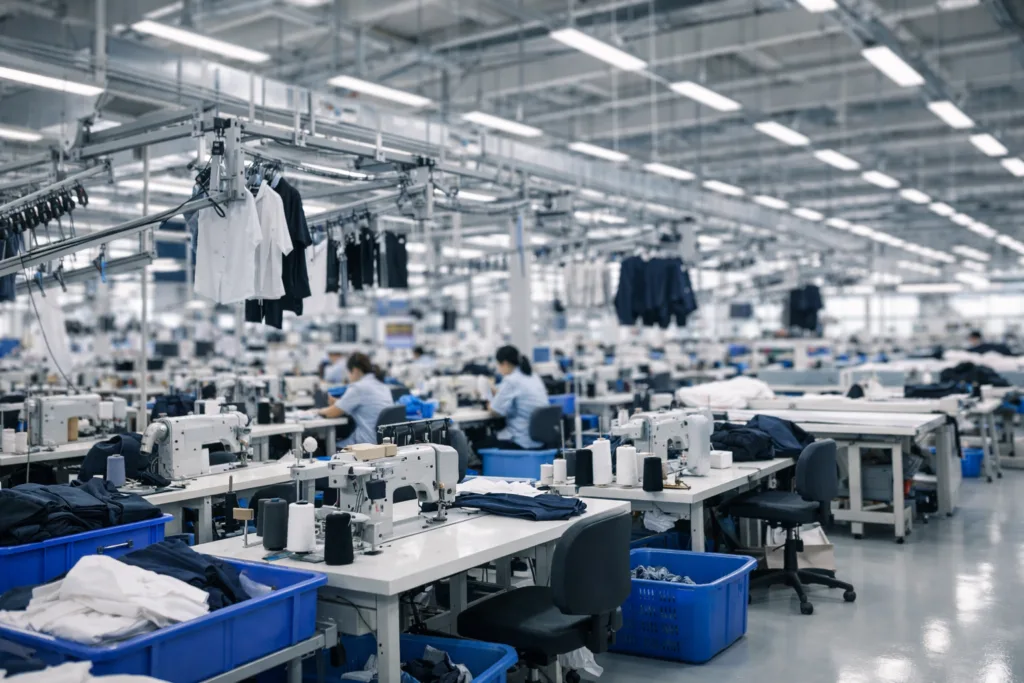
Stability in apparel manufacturing means consistent product quality, predictable lead times, and mature supply chain assurance. China is recognized for tightly integrated supply chains, strong logistics, and robust infrastructure, making it a go-to for brands requiring reliable, repeatable performance on bulk orders. India, while improving, sometimes faces challenges with logistics and inter-factory coordination, especially when unexpected challenges occur mid-order.
Speed to Market: Who Delivers Faster?
Speed is critical in the fast-changing fashion industry. China’s manufacturing ecosystems are known for their rapid turnaround on both sampling and bulk production—a result of automation, ready material stock, and firm process discipline. India continues to progress, but variable factory readiness and less automation can lead to longer timelines, especially for complex or multi-style projects.
Category Expertise and Product Development: Strengths by Segment
Each country has its specialties. China offers breadth—vast experience across sportswear, team kits, outerwear, and technical garments. India’s strengths show in cotton-based casualwear, embroidery-rich styles, and artisan fabrics. For design-heavy collaborations or private label collections, China’s engineering and sampling teams often provide more robust support for quick iterations, while India provides strong results with hand-crafted or traditional styles.
Material Sourcing and Fabric Choices: Synthetics, Cotton, and Blends
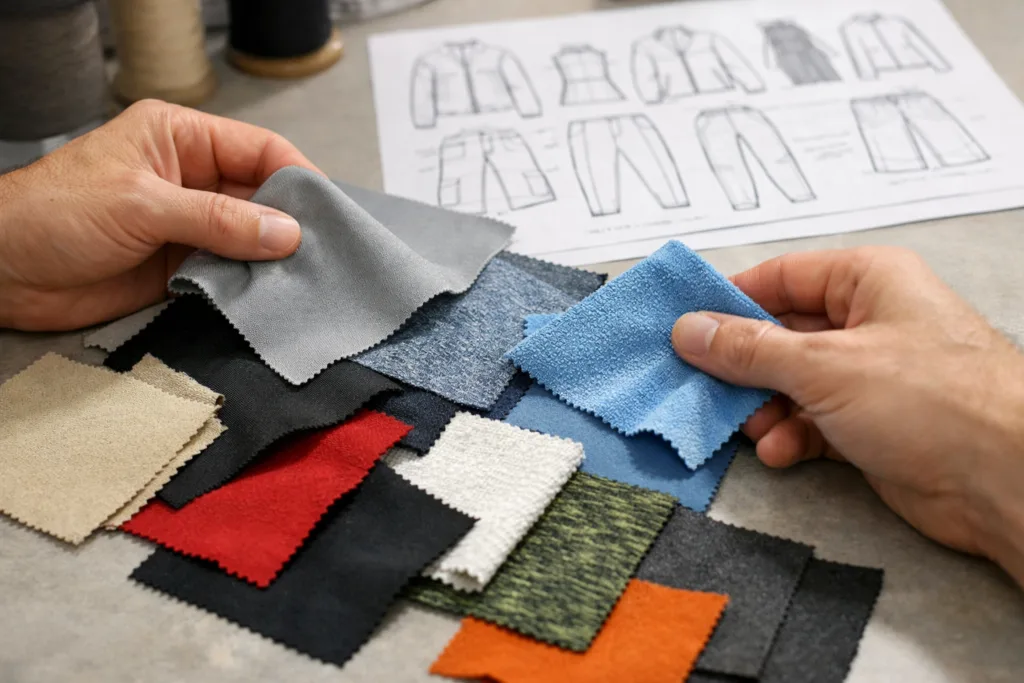
China dominates synthetics, technical knits, and functional blends thanks to consolidated mills and vertical setups. Access to advanced performance fabrics means faster sourcing and fewer delays. India’s main advantage lies in locally-grown cotton, natural fibers, and block prints, with a strong history in artisan and sustainable materials. Brands seeking recycled polyester or specialty trims often find broader options in China.
Production Scalability: Handling Bulk and Rush Orders
For urgent seasonal launches or unexpected reorders, scale is essential. China’s factory networks and flexible production lines pivot quickly to high-volume requests or rapid replenishments. India’s scale has improved, but larger production runs can still be slowed by local logistics, port handling, or workforce shifts. For massive campaign rollouts, China’s systemized project management rarely falters.
Order Coordination and Development Synergy
Complex projects often need real-time development tweaks, sample corrections, or brand-driven packaging. China’s manufacturers excel at in-house patternmaking, rapid sampling, and tight QC cycles. Their communication channels enable smooth modifications mid-process. Indian factories can be responsive but sometimes lack seamless design-manufacturing integration or quick decision chains, particularly when working through agents.
Lead Times: Sampling and Bulk Production Compared
Sampling speed favors China thanks to in-factory pattern rooms, digital CADs, and experienced fit engineers. From tech pack to first fit sample, timelines are often trimmed to days or one week. India’s sampling can extend to several weeks due to manual patternwork or remote approvals. For bulk production, China’s streamlined processes deliver more predictable ETAs, especially during peak seasons.
Cost Factors: Pricing Realities and Value Delivery
Direct labor rates in India are usually lower for entry-level garments, but overall cost savings can erode due to higher trims sourcing, longer lead times, and quality adjustments. China commands higher unit prices on some basics but offsets with superior fit rates, lower rework percentages, and faster logistics. Brands should consider total landed cost, not just FOB price, when calculating project value.
Sourcing Reliability: Handling Unpredictable Challenges
Market disruptions, material shortages, and policy changes test any supply chain. China’s industry is built for rapid scaling and crisis response. Indian factories increasingly invest in management and digitalization, but contingency planning and backup sourcing are more robust in China, reducing order risk for international buyers. If stability is crucial, China’s track record stands out.
Product Complexity: Where Each Country Excels
China excels in high-SKU programs, performance sportswear, and detailed fashion: think mesh panel shorts, reflective trims, or intricate jacket builds. India adds immense value to artisan, resort, and loungewear, especially where block-prints, embroidery, or handwork are part of the design.
Ninghow Insights: Real-World Production Perspective
Ninghow, a seasoned garment manufacturer, often sees buyers underestimate sampling and QC challenges. In China, fit approval and modifications can be completed in days—even for specialty athletic pieces—because patternmakers, sewing teams, and QC are usually in the same facility, reducing project delays and miscommunication that could otherwise derail a launch date.
Apparel Sourcing China vs India: Side-by-Side Comparison Table
| Factor | China | India |
|---|---|---|
| Stability | Very High | Improving; varies by region |
| Speed | Faster sampling & bulk | Longer on complex projects |
| Category Strength | Sports, technical, outerwear | Cottonwear, artisan, basics |
| Material Sourcing | Synthetics, blends, technical | Cotton, natural fibers, prints |
| Scale | Large and flexible | Growing large factory base |
| Order Coordination | Integrated pattern & QC | Variable, often agent-driven |
| Cost Structure | Strong on value for scale | Low wage, some hidden costs |
Quality Control and Product Consistency
China’s quality management systems are intense—far more factories hold international QC certifications, and they’re used to delivering to strict brand specs. India’s QC processes suit straightforward products well but need extra auditing for detail-heavy, export-grade garments or multi-process pieces where sizing accuracy matters.
Regional Strengths: Tier Cities and Industrial Clusters
China’s production is concentrated in specialized regions: sportswear in Fujian, fashion in Guangdong. India’s clusters like Tirupur (knits) or Delhi-NCR (woven fashion) have history, but inter-state logistics can still slow movement compared to China’s mature freight links.
Sustainability: Environmental Initiatives and Certifications
Both countries are making progress. China’s larger mills offer recycled poly, water-saving dyes, and larger-scale wastewater controls, while India excels in GOTS-certified organic cotton, handloom fabrics, and Fairtrade practices.
Communication and Language: Managing Project Flow
English is common for international buyers in both countries, but China’s teams are generally trained for direct, quick-response project communication. In India, English is widespread but processes may run through multiple managers or middle layers, potentially adding to timeline risks.
MOQ Requirements: Small vs Large Runs
China has steadily lowered minimum orders for private labels, especially with pre-stocked materials, but may resist ultra-low-MOQ programs due to cost efficiency. India is often more open to testing new styles in small batches—which can help startup brands—but this can drive up unit cost and lengthen lead time for scale-up.
Teamwork & Design Collaboration: How Factories Work with Buyers
Collaboration with factory teams is streamlined in China; pattern and sampling teams can often work directly with brand designers. India may require more hands-off project management and may not always offer rapid-fire design pivots under tight deadlines, especially for collections with new trims or multi-material construction.
Import, Duties, and Tax Factors
Understanding the import/export ecosystem is vital. China’s export platforms and tax rebates simplify customs clearance. India’s bureaucracy is improving but still poses some paperwork hurdles. Brands scaling internationally should factor in not just FOB price but also logistics efficiency and customs reputation.
When to Choose China for Apparel Sourcing
Brands requiring ultra-fast sampling, consistent scale production, technical sports gear, and regular replenishments favor China. It’s also preferred if quick style changes or rush orders are critical. For a deeper dive into China’s stable apparel supply chain, see Why China’s Apparel Supply Chain Is Still the Most Stable Choice in 2026.
When to Choose India for Clothing Production
Buyers focused on pure cotton, block prints, or heritage crafts should look to India. India is a strong option for fashion brands seeking artisanal value or aiming for ‘made in India’ storytelling. Small MOQs and unique detailing are advantages, though longer lead times and variation in QC need to be managed proactively.
Product, Process, and Brand Needs Should Drive Sourcing
Ultimately, brands should pick sourcing countries based on their actual project requirements, not reputation alone. Technical innovation, scale, and speed point toward China for most performance and mainstream apparel. For unique design stories, limited-run embroidery, or regional looks, India can be the right fit—if buyers plan for longer lead times and closer QC supervision.
Navigating Apparel Sourcing Pitfalls
Common mistakes include choosing by assumed country strengths without matching core product needs or failing to account for process synergy. Experienced manufacturers like Ninghow suggest building in extra time for initial sample rounds and communicating final QC criteria early, no matter which country supplies your order.
Mixing Sino-Indian Supply for Brand Flexibility
Some global brands now use hybrid models—technical or time-sensitive launches from China, artisan or seasonal niche runs from India. This balanced approach can help brands capture the best of both worlds but requires strong project management and reliable partners in each location.
Conclusion: China vs India for Apparel Manufacturing—Choose by Reality, Not Assumption
The competition between China and India in apparel manufacturing is nuanced. China’s stability, speed, and scale give it a clear advantage for most buyers prioritizing reliability and bulk performance. India’s strengths are undisputable for artisan goods or cotton basics where hands-on work is valued. The smart approach is always to analyze your product type, order volume, timeline, and QC expectations first—then match your sourcing to the country or combination that best serves those real needs, not just a headline or trend.
Frequently Asked Questions
Which country is faster for apparel sampling and production?
China generally provides faster sampling and bulk production due to in-house pattern teams, advanced machinery, and strong material stock, while India’s processes are often more manual, resulting in longer lead times.
Is China always more expensive than India?
Not always. China’s unit prices can be higher, but its lower defect rates and predictable logistics often mean buyers save on rework, delays, and total landed cost. India’s labor is cheaper for basics but may require extra investment to reach consistent export quality.
What type of apparel is India best for?
India excels with cotton basics, casual loungewear, block prints, artisan embellishments, and smaller MOQ requests requiring unique regional techniques.
How do I choose between China and India for my project?
Match order characteristics—speed, complexity, material, and brand fit—to each country’s strengths. Technical, large-scale, and speed-driven orders favor China; artisan or cotton-heavy styles favor India.
Can I source from both China and India at the same time?
Yes, many brands do. Using China for speed and scale, and India for special editions or story-driven collections, requires close project management and reliable partners in both regions.
How important is quality control in each country?
QC is vital in both. China’s factories often have higher QC certification and integrated checks. In India, more frequent audits and strong oversight are advisable, especially for complex builds or export orders.
Related Reading
- Inside China’s Clothing Factories: Pros & Cons Your Brand Should Weigh Now
- 7 Facts: Could Bangladesh Actually Replace China for Fashion Brands?
- Vietnam vs China: What Brands Must Know About Cost, Supply Chain, and Order Reality
- The Hidden Costs of an Unstable Apparel Supply Chain (And How to Avoid Them)
- 25 Steps to Choosing a Smart Clothing Manufacturing Partner: China vs Overseas Explained