








Introduction: Why Supply Chain Stability Matters More Than Ever
As the apparel industry approaches 2026, the question “What Makes a Clothing Supply Chain Stable in 2026?” stands at the heart of sourcing, branding, and inventory management. Supply chain stability isn’t just a buzzword—it’s fundamental to launching new collections, avoiding costly delays, and securing ongoing reorders. In a world where trends change faster than seasons and global disruptions lurk around every corner, brands, buyers, and manufacturers need reliable frameworks that go beyond price tags and promise true consistency.
Defining a Stable Clothing Supply Chain
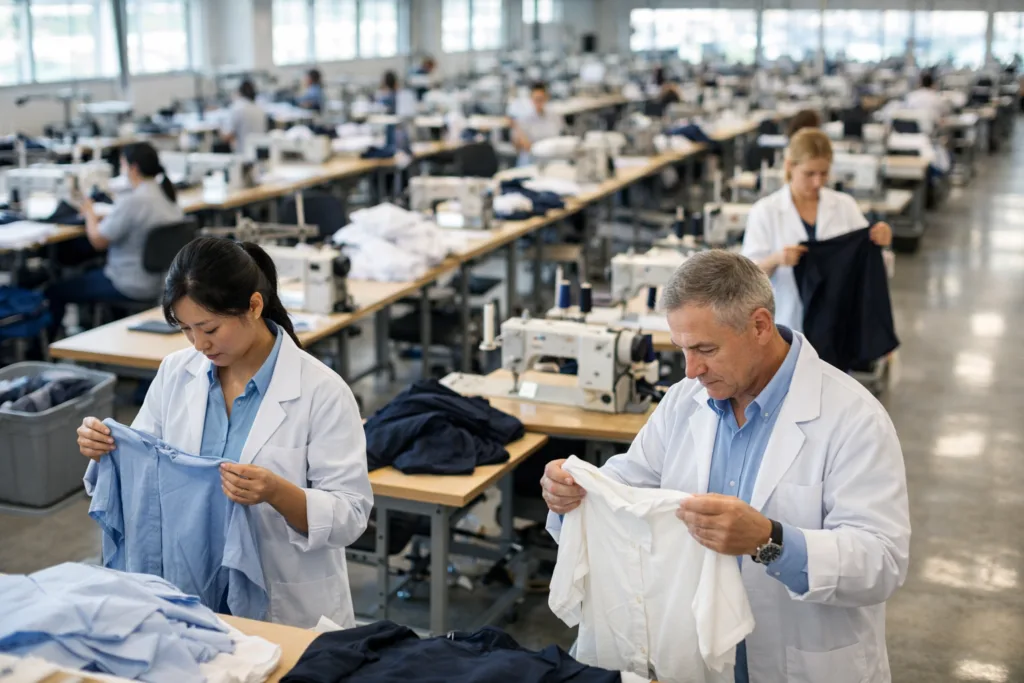
A stable clothing supply chain is one that delivers predictable quality, timing, and communication throughout every phase—from sampling to bulk production, repeat orders, and shipment. It’s not just about avoiding problems; it’s about building a system resilient enough to handle surprises without jeopardizing a brand’s reputation or bottom line.
Core Elements of Supply Chain Stability
- Reliable sampling processes
- Consistent bulk production with minimal defects
- Efficient reorder management
- On-time, compliant shipping
Why “Cheap” Does Not Equal “Stable”
Brands often conflate low costs with stability, but the two rarely go hand-in-hand. Cheap suppliers may cut corners on fabric, stitching, or QC, leading to missed deadlines, product recalls, or even reputational damage. True stability means investing in solid systems, skilled labor, quality controls, and supplier relationships—sometimes at a slightly higher cost, but with far fewer surprise expenses down the road.
The Four Key Phases of Apparel Supply Chain Stability
Sampling Phase: The Foundation of Fit and Quality
Sampling is where brands test their ideas, fabrics, and silhouettes. A stable supply chain ensures that samples match bulk production, communication is clear, and changes are logged. Delays or inaccuracies here can ripple through all later phases, making this stage critical to long-term reliability. For a deeper look at sampling efficiency, check out the guide on why reducing apparel sampling time matters.
Bulk Production: Reliability in Volume
Stable manufacturers plan meticulously, use quality-tested materials, and oversee careful execution. Problems here—like inconsistent stitching, wrong fabric lots, or incomplete trims—can stop orders in their tracks. A reliable supply chain means clear timelines, documented QC checks, and open communication about progress and hiccups.
Reorder Handling: Repeatability Without Surprises
The mark of stability is being able to reorder styles without drama. This depends on archived patterns, fabric batches, QC reports, and supplier transparency. Brands trust that their color, fit, and feel will match previous runs—a feature that supports both inventory agility and customer satisfaction.
Shipment and Logistics: On-Time, Compliant Delivery
Shipping requires stable partners, clear deadlines, and packaging that meets destination requirements. A hiccup at this stage can wipe out months of hard work. For practical insights on packaging compliance, see 13 unmissable rules for packaging compliance in apparel shipments.
How Supply Chain Stability Fuels Brand Launch, Inventory, and Reorders
Brand Launch: Confidence Through Consistency
Launching a new apparel line demands dependability. Stable supply chains allow brands to plan marketing campaigns, launch events, and retail rollouts with confidence that their product will arrive ready and right. Unstable supply chains undermine trust, delay launches, and disrupt brand reputation.
Inventory Management: Predictability Minimizes Risk
Stockouts and excess inventory are costly. Stable sourcing helps brands keep optimal stock levels, reduce emergency air freight, and avoid painful markdowns. Predictable lead times empower smarter planning—essential for fast-fashion and core collections alike.
Reorder Success: Building Long-Term Brand Loyalty
When styles sell out, brands need to restock quickly and reliably. A stable supply chain enables seamless repeat orders without unexpected changes in quality or delivery. This enhances customer loyalty and gives brands an edge against competitors who stumble over sourcing.
Cheap Isn’t Stable: The Real Costs of Low-Cost Sourcing
Common Pitfalls of Cheap Suppliers
- Quality fade after initial orders
- Hidden costs from corrections and expedited shipping
- Poor communication or unwillingness to fix issues
- Lack of compliance documentation
The lifetime value of a stable supply chain dramatically outweighs narrow cost savings. Trustworthy partners prevent expensive emergencies, while cheap suppliers often become expensive headaches.
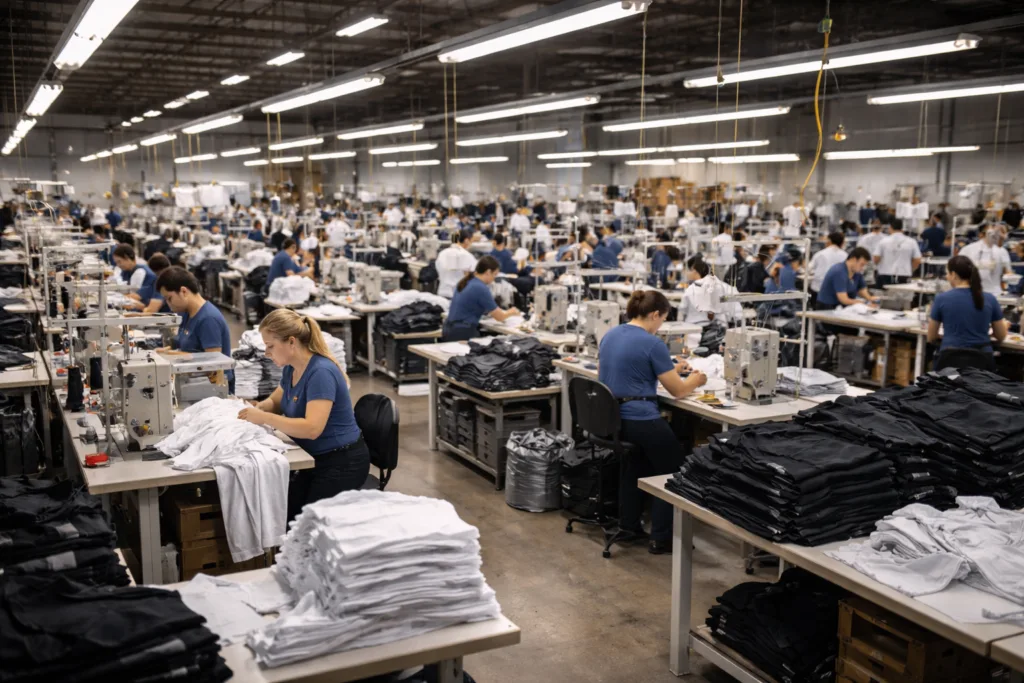
The China Advantage: Why China’s Apparel Supply Chain Is Still the Most Stable Choice in 2026
China remains the benchmark for stable apparel supply chains, blending scalable volume, skilled technicians, extensive material access, and robust QC systems. The nation’s manufacturing infrastructure and logistical capabilities support both rapid launches and long-term reorder consistency. To understand the full picture, review why China’s apparel supply chain is still the most stable choice in 2026.
Ninghow’s Shop-Floor View: Fit, Fabric, and Lead Time Reality
From Ninghow’s experience as an OEM garment manufacturer, stability starts with thorough sampling and transparent fit communication. In bulk, sourcing consistent fabric lots and balancing lead times depend on honest forecasting and clear customer specs. QC checkpoints prevent shipment surprises, and archived patterns support frictionless reorders. The biggest threat to supply chain stability? Overpromising on speed or price—always clarify realistic timelines and costs up front.
Four-Stage Stability Breakdown Table
| Phase | Risks | Stable Practices |
|---|---|---|
| Sample | Delayed approvals, mismatched specs | Clear communication, sample matching bulk |
| Bulk | Wrong materials, defects, missed deadlines | Strict QC, material checks, realistic timelines |
| Reorder | Inconsistent fits/quality, lost patterns | Archived specs, regular QC, supplier trust |
| Shipment | Late delivery, packaging non-compliance | Experienced logistics, compliance checks |
How to Assess Supply Chain Stability for Your Brand
Checklist for Reliable Sourcing Decisions
- Review sampling consistency (does sample match bulk?)
- Check QC protocols and certifications
- Ask for history of reorder success
- Verify packaging and social compliance knowledge
- Ensure open communication on lead times
For an expanded checklist, see choosing a reliable custom team clothing manufacturer.
Building Long-Lasting Supply Chain Relationships
What Brands and Manufacturers Must Communicate
- Detailed tech packs (measurements, trims, finishes)
- Potential issues and realistic timelines
- Feedback after each phase (sample, bulk, reorder, shipment)
- Future order planning and capacity forecasting
Global Trends Impacting Apparel Supply Chain Stability
Technology and Transparency—Keys for 2026
With digital sourcing platforms, blockchain traceability, and AI-driven forecasting entering apparel supply chains, brands gain new tools for risk management. Still, the basics—fit, fabric, QC, and lead time—remain the backbone of stability. Tech-enhanced supply chains can only succeed when manufacturers and buyers work together candidly.
What Makes a Clothing Supply Chain Stable in 2026?
To sum up, a stable clothing supply chain in 2026 is defined by reliable sampling, predictable bulk production, smooth reorder capability, and compliant shipping. It’s achieved through careful planning, thorough QC, honest communication, and trusting relationships—not simply the lowest quote or fastest timeline. As global events and customer expectations continue to shift, the brands with the most stable supply chains will be those with flexible, robust processes and partners who prioritize quality over shortcuts.
Frequently Asked Questions
What is a stable clothing supply chain?
A stable clothing supply chain delivers consistent quality, on-time delivery, and reliable communication at every stage—from sampling through shipment.
Why isn’t cheap sourcing always stable?
Cheap sourcing often skips essential quality control, risks delivery delays, and leads to hidden correction costs. Stability comes from investing in reliable systems and partners.
How does supply chain stability impact brand launch?
Stable supply chains allow brands to launch with confidence, preventing delays and minimizing expensive emergencies that harm new collections.
What are the key phases to monitor for supply chain stability?
Focus on sampling consistency, bulk production quality, reorder repeatability, and compliant shipping practices to maintain long-term stability.
Why is China considered a stable source for apparel in 2026?
China offers unparalleled manufacturing infrastructure, skilled labor, reliable QC systems, and robust logistics—making it a dependable apparel supply chain hub.
How can brands ensure their supply chain stays stable?
Brands should vet suppliers with detailed checklists, maintain regular communication, and archive product specs and QC reports for seamless future orders.
Related Reading
- Smart Sourcing Decisions: When to Move Production Out of China?
- How to Solve Bulk Teamwear Production Pitfalls
- Custom Apparel Manufacturing: Step-by-Step Workflow Explained
- 21 Practical Steps for Sustainable Clothing Manufacturing
- 25 Steps to Choosing a Smart Clothing Manufacturer for China vs Overseas