






Introduction to Cut and Sew Clothing Manufacturing Explained
Cut and sew clothing manufacturing explained is essential reading for anyone launching a fashion brand, exploring garment production, or sourcing apparel. “Cut and sew” is an industry term describing the process where individual fabric panels are cut from large rolls and stitched together to create finished garments. Unlike mass-market blank garments that are simply decorated, cut and sew allows brands, designers, and businesses to control every aspect of their products—from fit and materials to trims and unique finishes. Understanding this process equips you with the tools to build better apparel and sidestep common pitfalls.
What Is Cut and Sew Clothing Manufacturing?
Cut and sew clothing manufacturing means starting from raw or pre-dyed fabric yardage, cutting the required shapes (panels) per the design/spec, then carefully stitching these pieces together. It’s the foundation of custom apparel production, opening the door to unique silhouettes, proprietary fits, and specialized functions.
Why Brands Choose Cut and Sew for Customization
Unlike pre-made (blanks) or limited private label garments, cut and sew gives you maximum freedom in garment size, shape, construction, and branding. You’re not bound by factory stock templates. For startups or established designers, this means infinite style options—perfect for streetwear, technical sportswear, or nuanced basics. Cut and sew also empowers you to
- Control fabric quality, handfeel, and performance.
- Add custom features, pockets, linings, or reinforcements.
- Apply signature or intricate branding details from the start.
Core Steps of the Cut and Sew Process
Every cut and sew project follows a logical sequence, from idea to the final packed piece. Here’s the broad workflow explained:
- Design and Tech Pack Development
- Material Sourcing (Fabrics, Trims, Labels)
- Pattern Making and Grading
- Sample and Prototype Development
- Bulk Material Cutting
- Sewing and Assembly
- Finishing, QC, and Packing
Each stage highlights a decision point that influences quality, lead time, and cost. For a detailed comparison of custom versus private label, check our piece on custom clothing manufacturer vs private label.
Design and Tech Pack Creation
This is your blueprint. Designers or production teams document fit specs, measurements, stitching, logo placement, and all important trims in a tech pack. Detailed plans reduce costly revisions and clarify expectations when you start sourcing suppliers and factories.
Sourcing Fabrics and Materials: Key Considerations
Choosing fabrics for cut and sew is critical as it impacts feel, drape, durability, and price. At Ninghow, we encourage brands to physically touch swatches and rigorously test new materials, especially for function-driven or fashion-forward collections.
- Cotton, polyester, blends, recycled, technical knits: All can be custom specified
- Trims (zippers, labels, tags, cords), thread choices, and linings also need review
Brands often underestimate sourcing lead times—avoid mistakes by learning from those who’ve explored sourcing options in low MOQ manufacturing.
Pattern Making and Fit Decisions
Patterns are paper or digital templates that guide fabric cutting. Small differences in pattern can transform the look and comfort of a hoodie, T-shirt, or jacket. Seasoned manufacturers, such as Ninghow, stress the collaboration phase: reviewing reference samples, clarifying crucial dimensions, and adjusting ease for export or local markets.
Sample Development: Your First Physical Proof
Prototyping brings your design to life. Teams create a trial garment to check proportions, fit, sewing methods, and overall aesthetics. It’s common to request multiple samples and adjustment rounds—often called proto, fit, and pre-production samples. Rushing this stage can sabotage production quality.
Bulk Fabric Cutting: Efficiency Matters
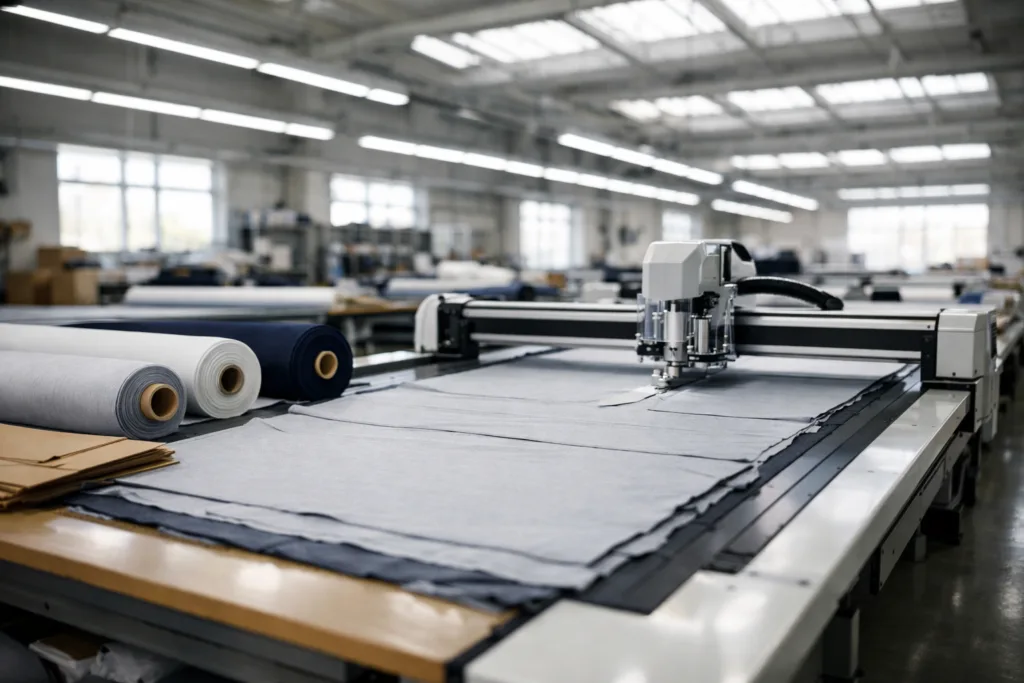
Once samples are approved, bulk rolls of fabric are “laid up” (layered in a stack) and cut in multiple thicknesses with digital knives or machines. Factories optimize this stage for yield and to minimize costly waste. Cutting accuracy directly affects product consistency, so factories routinely calibrate machinery and verify layouts before starting bulk runs.
Sewing and Garment Assembly
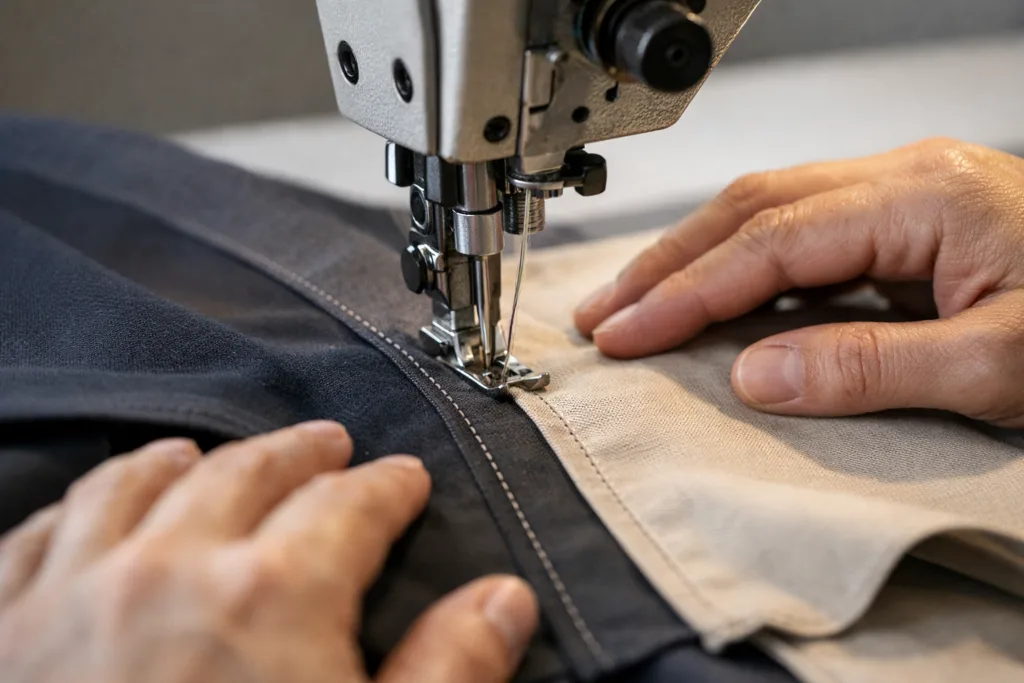
The cut panels are passed to skilled operators who assemble each piece according to your design’s construction details. Stitch type, seam reinforcement, and finishing order all play roles in the final feel and durability of the garment. For sportswear or technical products, flatlock or zigzag stitches may be required for comfort and function.
Garment Labeling and Brand Identity
Custom neck labels, care tags, hem branding, or screen-printed graphics are applied at defined stages. If your project has labeling requirements (compliance or branding), see our garment labeling requirements checklist for guidance.
Quality Control (QC) and Compliance Checks
Every batch faces internal or third-party QC checks for fit, finish, measurement, thread quality, and colorfastness. Experienced manufacturing teams provide transparent QC reports, spot random samples, and quickly resolve issues before shipment. At Ninghow, consistency is monitored from fabric input through to packing, ensuring your specs aren’t just written—they’re visible on finished goods.
Packing, Logistics, and Shipping Planning
Packing isn’t just about boxes. It’s fold techniques to avoid creasing, correct label application, and clear product separation for SKU management. Smart planning here reduces returns, customs delays, and customer complaints. For bulk orders, methodical packing and sizing strategy is key—details available in our bulk teamwear orders planning guide.
Pros and Cons of Cut and Sew Manufacturing
| Pros | Cons |
|---|---|
| Max customization | Longer lead times |
| Brand-unique fits/styles | Higher sampling cost |
| Real control over fabric, trims | Potential for higher MOQs |
| Custom branding/label options | More complexity to manage |
Cut and Sew Factory Selection Criteria
Choosing the right cut and sew factory is crucial. Evaluate vendors on communication, compliance, pattern expertise, production transparency, and experience with your style category. Thoroughly vet references and sample quality before locking large orders. For startups, it’s tempting to focus on price alone—but technical ability and reliability often prove far more valuable for growth.
Minimum Order Quantities and Cost Drivers
MOQs (minimum order quantities) for cut and sew are usually higher than for blank stock programs. This is due to set-up, pattern, and equipment time. However, as production quantity increases, unit cost drops. Key cost drivers include:
- Pattern complexity (number of panels, type of fit)
- Material cost and sourcing location
- Labor for special functions or delicate fabrics
- Freight, duties, and inspection fees
Comparing Cut and Sew with Other Apparel Manufacturing Modes
Cut and sew is often compared to white label, private label, or print-on-demand apparel. Here’s a quick breakdown:
| Mode | Custom Fit/Style? | Branding Scope | MOQ | Lead Time |
|---|---|---|---|---|
| Cut and Sew | Unlimited | Full custom | Med/High | Longer |
| Private Label | Some | Medium | Low/Med | Moderate |
| Print-on-Demand | None | Limited (art only) | None | Fast |
How Long Does Cut and Sew Production Take?
Timelines depend on factory load, complexity, and your readiness (tech packs, material approvals). A ballpark estimate—from sampling to finished delivery—ranges from 4 to 12 weeks per production cycle. But delays in approvals or material issues (such as fabric color or lab dips) can extend this process. Consistent communication and weekly updates are vital for on-time completion.
How to Avoid Costly Mistakes in Cut and Sew Manufacturing
Many brand owners face setbacks from vague communication, rushed sampling, or unclear quality targets. To mitigate risk:
- Provide precise, detailed tech packs and patterns.
- Do not skip sample approval steps, even under time pressure.
- Confirm all trims, labels, and graphics before starting bulk.
- Request clear production and QC reports at regular intervals.
The Importance of Testing and Sampling
Never gamble on untested fit or fabrics at scale. Develop and wear test multiple samples. Simulate real use: washing, stretching, heat exposure. Honest feedback from real wearers exposes problems that might not show in a static fitting. Veteran factories will recommend extra time for sampling to reduce rework and costly late revisions.
Compliance, Documentation, and Shipment Preparation
Proper labeling, documentation, and third-party certifications (e.g., OEKO-TEX, GRS, GOTS) are increasingly required for bulk shipments. Plan ahead with your factory to secure specific test reports or certificates.
How to Communicate Effectively With Your Cut and Sew Company
Clarity is king. Schedule regular check-ins, outline all product specs up front, and use photo/video to eliminate doubt. Ask for weekly production updates to avoid surprises. If your factory offers online order tracking or photo reporting, take full advantage.
Red Flags: When to Reconsider Your Cut and Sew Partner
Be alert for lack of transparency, evasive communication, or poor sample accuracy. Other warning indicators include poor quality admin paperwork, unexpected cost add-ons, or slow responses during sampling. Switching partners can be time-consuming, but often saves major expense and frustration later.
Cut and Sew Clothing Manufacturing Explained
At its core, cut and sew clothing manufacturing explained boils down to building your garments with intention—every detail is specified, controlled, and visible throughout the supply chain. Whether producing everyday basics or complex sportswear, brands can create truly original products and stronger brands by mastering this process. Thoughtful planning, rigorous evaluation, and transparent partnerships pave the way for lasting apparel success.
Conclusion
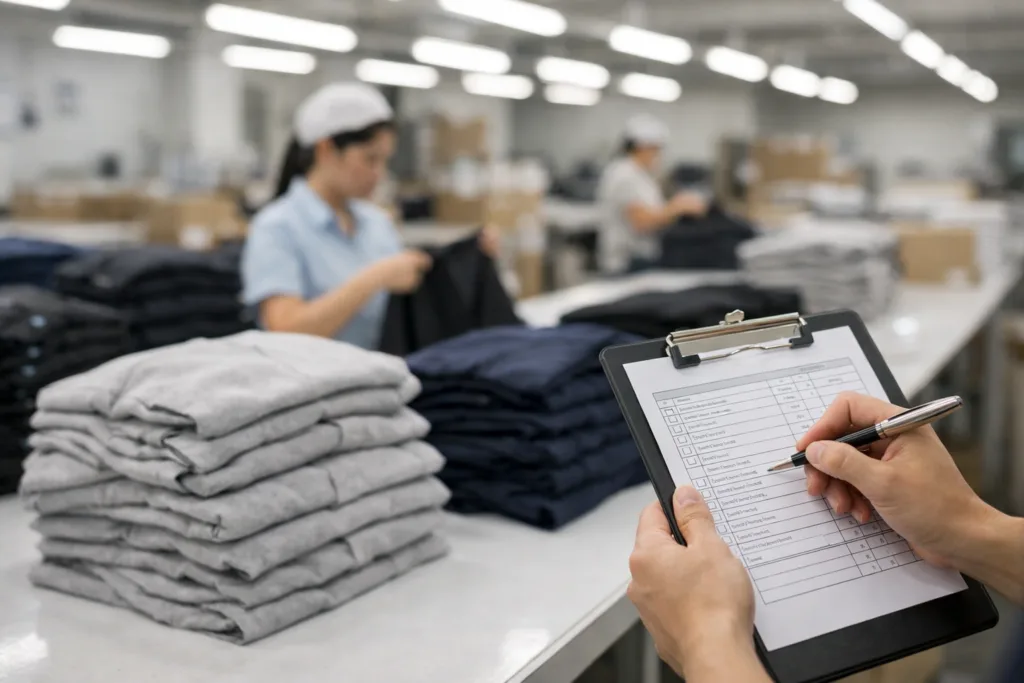
Understanding the cut and sew manufacturing process helps brands and designers make smarter decisions and avoid hidden pitfalls. Whether you’re creating proprietary fits, sustainable collections, or reliably branded pieces, mastering each step—design, material sourcing, pattern, sampling, quality control, and logistics—is key to long-term apparel business success. Stay detailed, transparent, and proactive, and you’ll set your collections up for smooth launches and happy customers.
Frequently Asked Questions
What is the main benefit of cut and sew over stock blanks?
You can fully customize garment fit, fabric, trims, and branding instead of settling for generic factory-issue styles.
How many samples should I approve before bulk?
It’s best to test and approve at least one proto, fit, and pre-production sample to prevent costly errors in bulk production.
What minimum order quantities are typical for cut and sew factories?
MOQs often start around 200–300 units per style, though it varies by complexity and location. Always check with your supplier.
What technical documents do factories need for accurate manufacturing?
Clear tech packs with specs, detailed measurements, material lists, and references ensure your design is faithfully executed.
How can I reduce delays and rework with my factory?
Provide accurate, unambiguous instructions, and approve all samples and materials before starting mass production.
Can I get sustainable or certified textiles with cut and sew?
Yes, quality suppliers can source recycled, organic, or certified fabrics (like GOTS or OEKO-TEX) for your projects.
Related Reading
- 25 Practical Steps to Choosing the Right Clothing Manufacturer—China vs Overseas
- How to Balance Apparel Manufacturing Cost and Quality for Maximum ROI
- Avoid Costly Pattern and Fit Mistakes in Garment Production—A Step-by-Step Checklist
- How to Launch a Safe Clothing Trial Order—Signs for Success
- The Sample Approval Workflow: How to Eliminate Garment Rework