
Introduction: Which Apparel Products Are Best Made in China in 2026?
For global apparel brands and sourcing professionals, the question of where to manufacture different categories of clothing grows more complex every year. As we move into 2026, China’s role in apparel production remains strong, but not every product category is equally suited to Chinese factories. In this article, we’ll explore exactly which apparel products are best made in China in 2026, sorted by category—such as team apparel, sportswear, polos, hoodies, T-shirts, and shorts—and explain the business and production reasons behind these recommendations.
If you’re evaluating product category choices and want real-world manufacturing insight, understanding why China is a preferred choice for repeat orders can help clarify whether it’s the right region for your supply chain. Readers planning the next sourcing step may want to explore understanding why China is a preferred choice for repeat orders, which outlines the key advantages for brands looking at high-consistency, large-volume, or reorder-friendly production scenarios.
China’s Strengths in Apparel Manufacturing: 2026 Snapshot
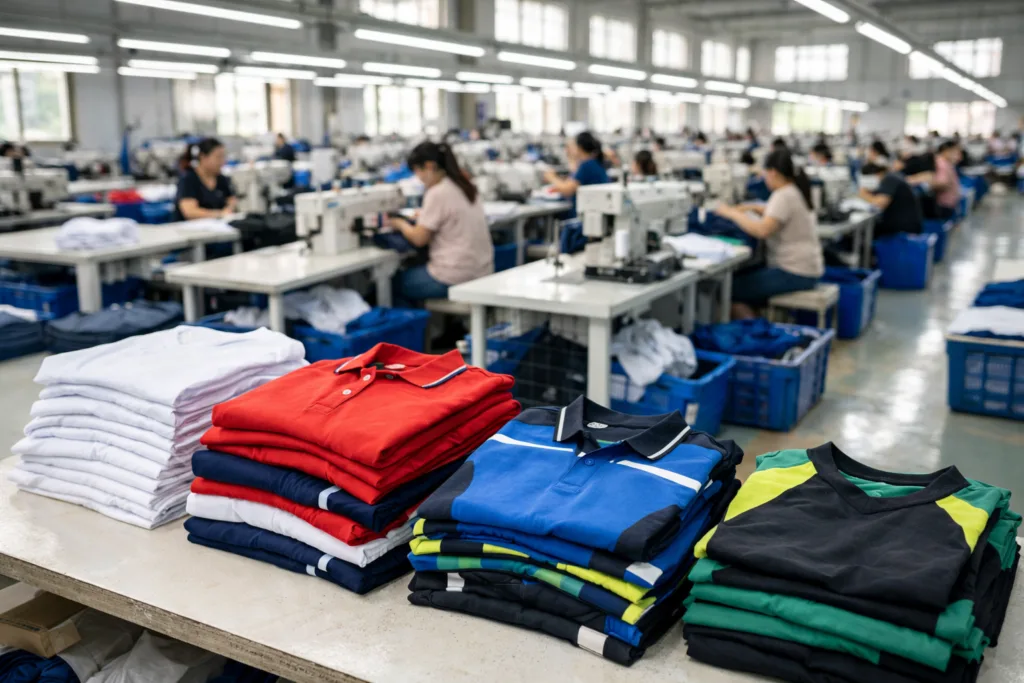
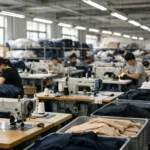
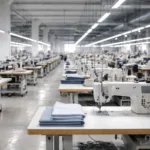
China’s apparel industry in 2026 offers a powerful blend of speed, scale, and technical know-how. Major cities and regions like Guangdong, Zhejiang, and Jiangsu have optimized supply chains, allowing for bulk production and rapid development of complex items. Key advantages include:
- Vast material and trim ecosystems—fast sample turnarounds and repeatability
- Liberal use of automated cutting, computer-aided design, and consistent sewing teams
- High reliability in meeting global compliance standards
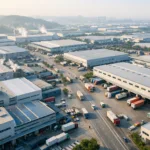
- Strong logistics for both initial and repeat shipments
Team Apparel: The Prime Category for Chinese Manufacturing
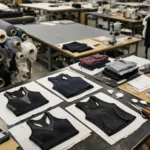
Team apparel—custom uniforms, sports kits, jerseys, and coordinated groupwear—stands out as a category best-made in China. Factories here handle everything from initial pattern tweaking to bulk dye sublimation, embroidery, and personalization, all under one roof. This makes the process seamless for clubs, event organizers, or companies needing ongoing design changes or repeat orders. High-mix, high-volume is where China excels, offering:
- Custom fit options for men, women, and youth lines in the same run
- Streamlined graphic and logo application using modern printing and embroidery machinery
- Predictable lead times for pre-event or pre-season deliveries
- Easy reordering of team sets with consistent fabric color and construction
Sportswear: Advanced Fabrics and Consistent Quality
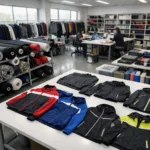
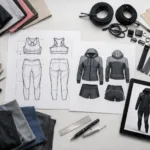
China dominates the manufacturing of sportswear, particularly for categories demanding complex performance fabrics, wicking finishes, or seamless construction. Brands sourcing leggings, training tops, running jackets, and compression wear will find:
- Access to technical knitting factories with stretch-fabric expertise
- Local supply of performance yarns (polyester, elastane blends, recycled fibers)
- Experience with bonded, laser-cut, and welded seams for premium activewear
- Automated quality control for colorfastness, shrinkage, and stretch retention
Polos: Blending Tradition and Technology
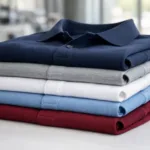
Polo shirts benefit from China’s hybrid of traditional workmanship and modern efficiency. Yarns for pique, interlock, and jersey knit polos are widely available, and embellishments (tipping, embroidered logos, button plackets) are highly consistent. For brands requiring:
- Bulk production for retail or corporate branding
- Customizable fabric weights and collar finishes
- Swift development cycles when rolling out new colorways
- Reliable self-collar, rib, or contrast trims with color-matched stitching
China remains a sensible choice.
Hoodies and Sweatshirts: Challenges and Competitive Edges
Oversized, fashion-forward, or technical hoodies have surged in popularity. Chinese factories—especially those with advanced fleece and brushed cotton knitting—have perfected:
- Oversized fitting and drop-shoulder construction for streetwear
- Clean inside-out seam finishes, custom rib cuffs, and thick woven tags
- Detailed QC checks for garment weight, handfeel, shrinkage, and embroidery detail
- Flexible MOQ policies for test launches and quick scale-up if collection wins traction
For brands needing scale and quick design pivoting, this is a low-risk, high-reward region. (Readers developing oversized garments may find China’s technical capabilities essential for maintaining fit and finish consistency.)
T-Shirts: The Gold Standard for Repeatability
China’s T-shirt manufacturing remains among the most robust globally, suitable for both fashion and corporate wear. Major production hubs excel in:
- Stable fit blocks for men’s, women’s, and unisex styles
- Mass production of blank stock, fashion graphics, or full-bleed all-over prints
- Flexible fabric choices from basic cotton to eco or technical blends
- Factory-integrated printing and packaging lines for end-to-end solutions
| Category | Development Efficiency | MOQ Flexibility | Repeat Order Consistency |
|---|---|---|---|
| T-Shirts | High | Medium-High | Very High |
| Team Apparel | Very High | Medium | Very High |
| Sportswear | High | Medium | High |
| Polos | High | Medium-High | High |
| Hoodies | Medium-High | Medium | High |
| Shorts | High | High | High |
Shorts: Year-Round Versatility and Rapid Style Updates
Whether it’s mesh gym shorts, casual French terry, or fashion cargo styles, shorts enjoy wide material availability in China. Key advantages include:
- Fast sampling for new season launches or influencer collaborations
- Advanced colorfastness testing for bold, vibrant palettes
- Precise waistband construction methods for drawcord, elastic, or hybrid fits
- Automated cutting that supports scaled production while minimizing fabric waste
Why These Apparel Products Are Best Made in China in 2026
The categories above benefit the most from Chinese manufacturing due to several strategic and operational factors:
- Development Efficiency: Local material sourcing and in-house sampling cut lead times from weeks to days.
- Complexity and Craftsmanship: Factories have built expertise in both simple and technically complex categories, supporting high-mix customization.
- Batch Repeatability: Strong QC routines guarantee repeat orders match earlier production runs without color, fit, or construction drift.
- Cost Predictability: Volume discounts and competitive labor rates remain viable for brands scaling up in 2026.
- Sourcing Confidence: 2026’s stable infrastructure reduces delivery risks, especially for time-sensitive categories (event apparel, launches, and corporate uniforms).
Development Efficiency and Speed: The China Factor
The ability to manage rapid development cycles is crucial in modern apparel. Chinese producers rely on:
- Factory clusters with specialized skills (printing, embroidery, seam taping, pattern adjustment)
- Digital sample review so brands can approve fit, print, and trim from a distance
- Flexible MOQ and short production ramp-up, so test runs quickly transform into bulk orders
Managing Complexity: How Factories Handle Customization
Apparel categories with lots of customization—such as team kits with individual numbering or oversized streetwear styles—benefit from Chinese supply chain integration. Factors like fabric matching, multi-stage embellishment, and size spread can all be handled in a single facility, keeping quality, color, and lead times consistent.
Drawing from real production experiences, it’s not unusual for Ninghow’s tech team to build customized size sets and ensure that all color and logo applications pass both machine and manual inspection, especially before a major event batch ships.
Repeat Order Consistency: Why Brands Return to China
For categories such as T-shirts, team uniforms, or company-branded polos, repeatability is essential. Chinese factories document color-matching, size spec, and stitching standards from the first run to ensure every reorder aligns perfectly with the original batch. This is critical for sports teams, franchises, or brands seeking long-term supply chain trust.
To understand more about China’s role in reliable manufacturing, brands may want to read about China’s role in reliable manufacturing and why this predictability remains unmatched in 2026.

Quality Control and Fabric Integrity
Quality assurance isn’t just about product inspection; it’s about fabric handling, dye-lot stability, pattern precision, and final packing. Chinese apparel manufacturers use a blend of digital QC (color-matching, shrink checks) and operator touch (stitch uniformity, wash feel) to keep every batch consistent. Strong oversight guarantees that bulk orders and repeat batches maintain a uniform “look and feel.”
MOQ and Order Flexibility: Adapting to Brand Growth
For startups and established brands alike, Chinese factories offer scalable solutions—starting with small test orders and ramping up as lines gain traction. Lower MOQs allow more brands to try trend-driven designs, while production depth means few supply interruptions in case demand spikes suddenly.
Sustainable Material Options and New Technologies
In 2026, Chinese factories commonly work with organic, recycled, or technical performance fibers. Thanks to a robust yarn and finishing market, eco-friendly or advanced materials (such as recycled polyester, bamboo blends, or phase-change fabrics) are widely accessible—even in custom color runs or short-order production cycles.
Cost Predictability and Lead Times: The 2026 Update
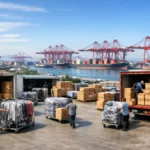
China’s efficiencies aren’t just about low price but about cost stability. Manufacturing clusters lower overhead by optimizing workflows from roll arrival to shipment, giving brands more confidence in meeting budgets over multiple collections or seasons. The mature logistics sector ensures lead times are reliable, with ports and inland networks adapting to higher flexibility demands.
The Role of the Supply Chain Ecosystem
Beyond the factory floor, China’s supply chain infrastructure allows apparel brands to source zippers, trims, branding labels, washing instructions, and packaging—all with just-in-time delivery. This dramatically cuts delays, especially important for garments with multiple custom elements.
Production Pitfalls: When Not to Choose China
No manufacturing hub is perfect for every product. Items requiring extreme manual craft, ultra-low-quantity, or hyper-local taste (e.g., made-to-measure suiting, indigenous embroidery, or rapid-trend microbatches) may be better sourced elsewhere. However, for medium-high volume, design-driven, or customization-heavy categories, China still leads in 2026.
Sample Approval and Revision Cycles
Sample development is fast in China: digital patterns speed up fit approval, and photo-real sample previews help brands confirm print placement and fabric drape from afar. Any revisions—be it a neckline change or reworked hem—are quickly adapted due to in-house sample rooms and strong communication with customer-side tech packs.
Traceability and Compliance in 2026
Brands operating globally must ensure ethical and legal requirements are met. Leading Chinese factories provide digital batch tracking, environmental compliance certification, and labor auditing records as needed. This transparency is especially valuable for sportswear and team apparel brands navigating international markets.
Choosing the Right Factory for Your Apparel
Navigating the dense landscape of Chinese apparel manufacturers can be challenging. Experience, specialization, and reliability matter just as much as price. For practical tips on selecting a manufacturing partner, brands may wish to explore our resource on tips on selecting a reliable manufacturer in China.
How Global Trends Shape Ideal Categories for China
As consumer tastes shift towards personalized, technically constructed, and sustainable garments, China’s apparel industry continues to invest accordingly. Factory upgrades—ranging from digital print lines to smart cutting rooms—mean that brands launching complex or fast-fashion products can secure both speed and quality.
[PROMPT] (Which Apparel Products Are Best Made in China in 2026?)
In summary, the categories best made in China in 2026 include team apparel (uniforms, jerseys), performance sportswear (leggings, training tops, windbreakers), basic-to-fashion polos, oversized hoodies, classic and custom T-shirts, and shorts. These items benefit most from China’s unrivaled speed, technical development, and repeat order accuracy. The country’s supply chain, skill base, and technology integration give both established and emerging brands confidence in high-volume or high-complexity categories.
Conclusion: Aligning Product and Production Strategy

When it comes to apparel manufacturing in 2026, China’s strengths shine brightest in categories where scale, customization, and repeatability matter. Brands that prioritize development speed, stable fit, detailed embellishment, and reliable delivery will find China remains a foundation for sustainable, consistent apparel growth. Smart sourcing starts with understanding which products best align with these regional production advantages.
Frequently Asked Questions
What are the best types of apparel to manufacture in China in 2026?
Categories like team apparel, sportswear, polos, hoodies, T-shirts, and shorts are best manufactured in China, thanks to efficient supply chains, fast development, and excellent repeat order consistency.
Why is China ideal for repeat apparel orders?
Chinese factories maintain detailed records and have advanced QC processes, ensuring repeat orders match the original batch in fit, color, and construction—key for uniforms, branded wear, and fast-moving retail items.
Are Chinese manufacturers flexible with minimum order quantities (MOQs)?
Yes, many Chinese factories offer flexible MOQs, especially for sampling or new product launches, allowing brands to test designs before committing to scaled production.
What is the advantage of sourcing sportswear in China?
Chinese producers have access to advanced performance fabrics and can manage technical requirements like seamless construction, moisture-wicking, and specialized printing, delivering consistent activewear quality at scale.
How do Chinese factories ensure product consistency for repeat orders?
Standardized digital patterns, color matching systems, and consistent operator training enable Chinese factories to reproduce the same fit and finish across multiple batches and seasons.
What should brands look for when selecting a manufacturer in China?
Brands should consider factory specialization, experience, quality control systems, communication skills, and previous client references to ensure a reliable, long-term partnership.
