

Introduction to Recycled Fabrics in Clothing
With sustainability now central to both fashion headlines and apparel manufacturing, “What Are Recycled Fabrics in Clothing?” is more than just a buzzword—it’s a rapidly evolving necessity. Brands, manufacturers, and consumers are asking: what truly counts as a recycled fabric, how are options like rPET and recycled cotton made, and are they really solving environmental problems?
Understanding the realities of recycled materials helps you make smarter, more honest decisions—whether you’re sourcing bulk orders or shopping for a responsible wardrobe update.
Understanding the Basics: What Are Recycled Fabrics in Clothing?
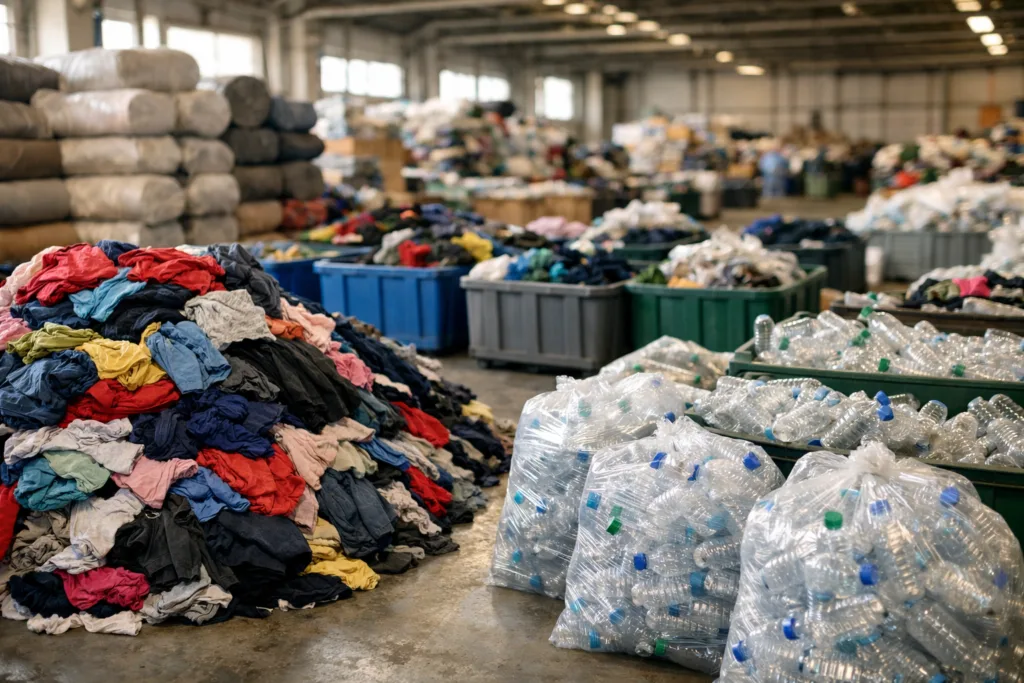
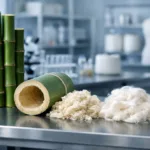
Recycled fabrics in clothing are textile materials made from pre-existing waste. Instead of using new (virgin) raw fibers, producers repurpose materials from used garments, plastic bottles, manufacturing scraps, or other industrial byproducts into new yarns. Two of the most recognized types in today’s apparel are rPET (recycled polyester from plastic) and recycled cotton. The result? Less landfill waste, reduced water and energy use, and a lower carbon footprint.
Why Sustainability Matters: The Environmental Case for Recycled Fabrics
The fashion and apparel industry is one of the world’s largest polluters. Traditional textile production demands massive water, chemicals, and fossil fuels, contributing to greenhouse gas emissions and landfill overflows. Switching to recycled fibers helps target these impacts by utilizing resources that have already done their environmental work. For example, producing recycled polyester (rPET) uses up to 59% less energy than virgin polyester. Recycled cotton recycles old garments or factory scraps into fibers, reducing the burden on water-intensive cotton farming.
Main Types of Recycled Fabrics in Clothing
rPET: Recycled Polyester (from Bottles)
rPET is created mainly from used PET plastic bottles. Collected bottles are cleaned, shredded into flakes, melted down, and extruded into new polyester fibers. This process transforms single-use plastics into garments like activewear, T-shirts, or jacket linings.
Recycled Cotton
Recycled cotton comes from post-consumer (used clothes/textiles) or pre-consumer (factory waste) fabric. These are sorted, mechanically shredded, and re-spun into yarns. Often, recycled cotton is blended with virgin cotton for added strength, as the recycling process shortens fibers.
Other Recycled Synthetics: Nylon and Acrylic
Similar to rPET, post-consumer and post-industrial nylon (like fishing nets and carpet fibers) are processed into recycled nylon, while some brands now experiment with recycled acrylics.
rPET vs Recycled Cotton: Comparing the Big Two
| Aspect | rPET (Recycled Polyester) | Recycled Cotton |
|---|---|---|
| Source Material | Plastic bottles, packaging | Used garments, factory scraps |
| Typical Uses | Sportswear, linings, T-shirts | Denim, T-shirts, sweats |
| Pros | Strong, wrinkle-resistant, energy-saving | High comfort, breathes well, diverts textile waste |
| Cons | Microplastic shedding, not biodegradable | Shorter fibers, durability may drop |
| Blending | Often blended with virgin polyester or spandex | Often blended with virgin cotton |
How Are Recycled Fabrics Made? Step-by-Step Overview
For rPET
- Collection: Post-consumer PET bottles are gathered.
- Cleaning: Sorted and thoroughly washed.
- Shredding: Bottles are chopped into small flakes.
- Melting: Flakes are melted and filtered.
- Extrusion: Liquid plastic becomes thin filaments (fibers).
- Spinning: Fibers are spun into yarn and woven/knitted into fabric.
For Recycled Cotton
- Sourcing: Discarded clothes or scraps are collected.
- Sorting: Colors/fabrics are separated.
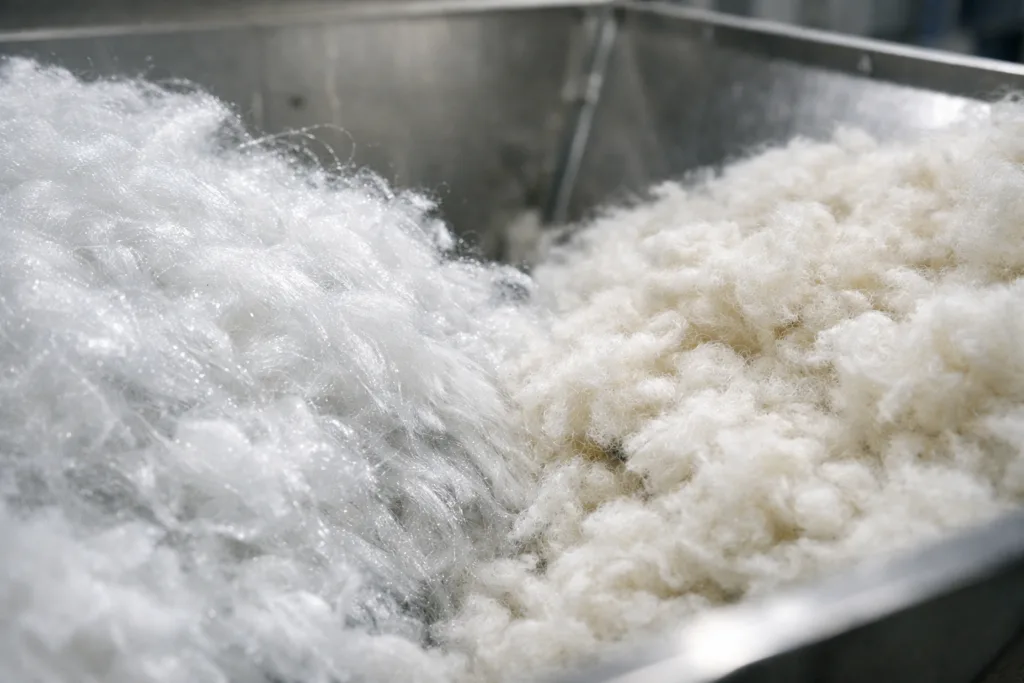
- Shredding: Old textiles are torn into fibers—mechanical process.
- Blending: Recycled fibers are combined with virgin cotton (for strength).
- Spinning: Blended fibers are spun into new yarns and then made into fabric.
The Science: What Does “Recycled” Really Mean in Apparel Standards?
For a material to qualify as “recycled,” it must meet recognized criteria. The Global Recycled Standard (GRS) and Recycled Claim Standard (RCS) are leading certifications. They verify the use of recycled content, supply chain traceability, and safe processing. It’s not just about buzzwords—a credible GRS or RCS label ensures legitimate recycled fiber use.
Popular Applications: Where You’ll Find Recycled Fabrics in Clothing
- Performance apparel (activewear, joggers, base layers, jerseys)
- Everyday basics (T-shirts, polos, sweatshirts, hoodies, denim)
- Outerwear (jackets, shells, linings)
- Bags/totes and accessories
- Uniforms or branded merchandise
Real-World Pros and Cons of Recycled Fabrics
Advantages
- Reduced demand on virgin resources
- Cuts landfill waste
- Lower energy and water use (especially rPET)
- Often supports brand sustainability claims
Challenges
- Fiber strength can drop (notably with mechanically recycled cotton)
- Limited supply for some types (e.g., true post-consumer-content cotton)
- Possible trace contaminants or color variability
- False or exaggerated greenwashing claims if not properly certified
When Does Recycled Fabric Outperform New Materials?
For activewear or promotional products, rPET can match virgin polyester in performance and durability—while sharply cutting energy use. In basics like T-shirts or sweats, recycled cotton is preferred when comfort, story, and a moderate price point matter. The right blend ensures function doesn’t suffer for the sake of sustainability.
The Ninghow Perspective: Honest Realities from the Factory Floor
At Ninghow, recycling means clear QC checkpoints: feedstock must be clean and certified, fiber blend ratios carefully monitored, and batch-to-batch color/strength checked. Mechanical recycled cotton requires extra diligence in pattern marker planning, while rPET must be checked for consistent filament fineness before fabric knitting. A transparent audit trail matters for honest sustainability promises.
Greenwashing and Pitfalls: Buyer’s Beware
Not all “recycled” claims are equal. Watch for:
- Very low recycled content (e.g., only 5%) blended and labeled as “eco-friendly” without detail
- No third-party certification (such as GRS or RCS)
- Vague or unverifiable sourcing methods
Brands serious about recycled content show full supply chain transparency.
Supply Chain Check: How to Verify Recycled Content Claims
- Request third-party certificates (GRS, RCS)
- Ask for batch-level supply chain traceability
- Review technical data sheets for recycled/virgin fiber ratios
- Request real photos or test reports from production
Industry Innovations: What’s Next for Recycled Fabrics?
- Closed-loop recycling: Converting used clothing directly into new fibers (beyond only bottle-to-polyester)
- Chemical recycling: Breaking fibers to raw molecules for purer, stronger yarns
- Waterless or low-impact coloring for recycled yarns
Why rPET and Recycled Cotton Dominate—But Aren’t the Whole Story
They balance supply, mainstream performance, and affordability. But new advances in cellulosic recycling (viscose, TENCEL™ x REFIBRA™) and mechanical-chemical hybrids push boundaries all the time. For durable, everyday wear, rPET and recycled cotton still lead orders, but watch for high-end alternatives in specialty lines soon.
How to Choose Recycled Fabrics for Clothing Manufacturing
- Purpose: What will the garment need to do—stretch, insulate, resist abrasion?
- Blend Ratios: Higher recycled content can mean more variability (especially in cotton-based products)
- Certifications: Always check for GRS/RCS, not only a “recycled” hangtag
- Supplier Transparency: Proven supply chain control (example: brands like Ninghow audit every batch)
Certifications to Look for: GRS, RCS, and Beyond
- GRS (Global Recycled Standard): For full-chain recycled content & social responsibility
- RCS (Recycled Claim Standard): For simpler recycled-content claims
- Other marks: OEKO-TEX® (for safety), GOTS (if combined with organic cotton)
Cost Implications: What Buyers Need to Know
- Recycled textiles can carry a moderate cost premium over virgin (varies by region and fiber blend)
- Certification, supply chain transparency, and quality checks add to price—but enhance credibility
- For bulk orders, check sample approvals and batch consistency upfront to reduce costly rework (see practical tips on garment approval)
Case Studies: Garment Brands Succeeding with Recycled Fabrics
- Major sportswear brands using 100% rPET in jerseys
- Eco-streetwear lines blending recycled cotton with organic to balance comfort and sustainability
- Uniform suppliers incorporating recycled synthetics for durability and wash performance
Common Problems: How to Avoid Recycled Fabric Pitfalls
- Color/shade variation between lots—request lab dips for large-volume orders
- Strength loss in some recycled cotton—always test GSM and fabric handfeel
- Inconsistent certifications overseas—work with factories that supply documentation and do random sampling (Ninghow’s QC routines apply for recycled orders)
Real-World Examples: Popular Garments Using rPET & Recycled Cotton
- rPET: Athletic jerseys, training jackets, recycled polyester T-shirts
- Recycled cotton: Eco-friendly hoodies, jeans, tote bags, blended shirts
Tips for Apparel Buyers: Getting It Right with Recycled Fabrics
- Prioritize full-spec sample runs for new recycled blends
- Clarify recycled content percentage ahead of every PO
- Request durability and safety testing with production samples
- Use clear labeling on final garments (check legal/regulatory requirements with your market)
What Are Recycled Fabrics in Clothing?
Put simply, recycled fabrics in clothing are made by transforming old or waste materials—like plastic bottles, used textiles, or production scraps—into new fibers and yarns fit for garment production. Options like rPET and recycled cotton help reduce resource use and environmental footprint, but require careful oversight for quality and brand honesty.
Conclusion: Why Recycled Fabrics Matter—And How to Make Them Work for You
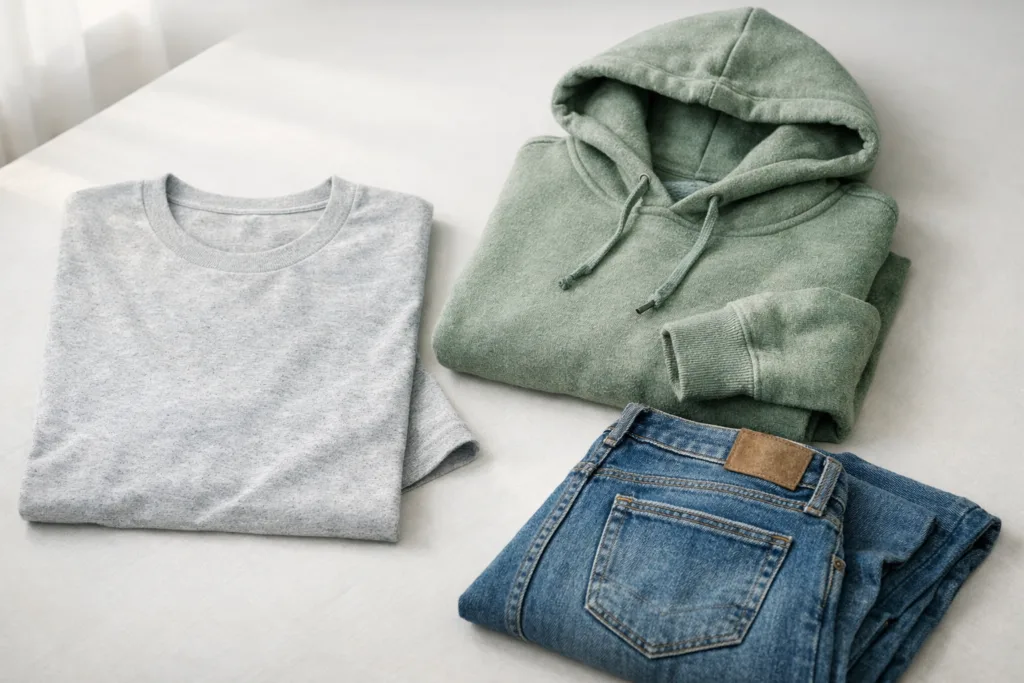
Adopting recycled fabrics in clothing isn’t just eco-trendy; it’s a practical path toward resource efficiency, smarter sourcing, and long-term environmental benefits. Options like rPET and recycled cotton now enable brands and manufacturers to offer real change—while keeping performance and comfort in check. For the best results, demand supply chain transparency, prioritize quality controls, and always verify recycled content with trusted third-party standards. As methods and materials advance, recycling in apparel will only get better—making “What Are Recycled Fabrics in Clothing?” a question with more and more positive answers each year.
Frequently Asked Questions
What are recycled fabrics in clothing made from?
They’re produced from pre-used or waste materials—such as plastic bottles (for rPET), old clothes, or textile manufacturing scraps—converted into new fibers for garments.
Is clothing made with recycled fabrics as durable as regular clothing?
rPET can match virgin polyester’s durability. Recycled cotton, if blended with new cotton, typically offers similar everyday performance, but pure recycled cotton may be slightly less strong.
Are recycled fabrics always better for the environment?
They usually have a smaller environmental footprint than new materials, but the overall benefit depends on clean sourcing, responsible processing, and minimizing issues like microplastic release.
How can I verify recycled content in garments?
Look for certifications like GRS or RCS, ask the supplier for certification documents, and check that product labels state the true recycled fiber percentage and its source.
Can you wash recycled fabric clothes normally?
Yes, most recycled polyester and cotton blends wash as regular garments do. However, using gentler cycles and washing bags can help reduce microfiber shedding from synthetics.
What is the difference between rPET and recycled cotton?
rPET is made from recycled plastics (usually bottles), while recycled cotton is derived from discarded textiles. Each has different properties but both cut down on virgin resource use and waste.
