
Introduction: Why Seam Strength Matters in Every Garment
When it comes to clothing that lasts, few factors are as important as seam strength. Whether you’re sourcing hoodies, polos, or activewear, a quality “seam strength test” can mean the difference between a reliable product and a costly return. But what exactly does good stitching look like? How do professionals really test seam strength, and what standards should brands demand? In this guide, you’ll discover how to identify solid construction from the inside out—essential knowledge for any apparel professional or curious consumer.
Seam Strength Test: Real World Importance in Apparel
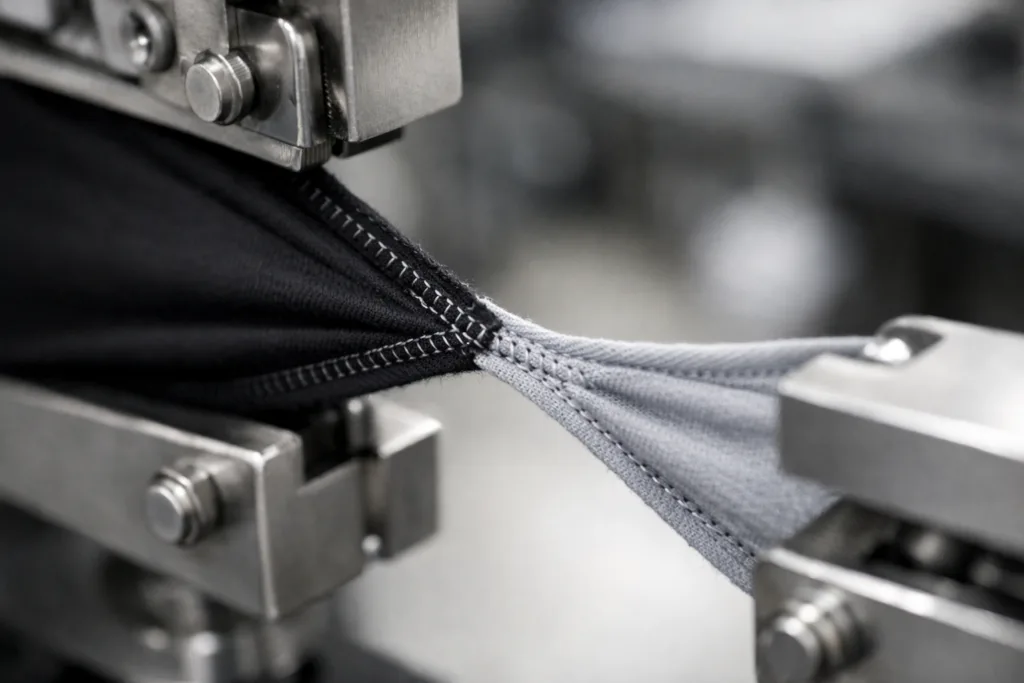
A “seam strength test” isn’t just a technical checklist—it’s one of the most crucial QC steps in apparel production. Solid seams determine whether garments survive daily wear and the rigors of being pulled, stretched, and washed. If seams fail, the entire product can fall apart—literally and reputationally. Testing seam strength helps brands deliver quality and keep customer trust. It’s a must before signing off on any high-volume clothing order.
What Is Seam Strength? Understanding the Basics
Seam strength refers to how much force a sewn join can handle before it breaks. It combines fabric quality, thread choice, and the actual stitch construction. At its core, seam strength is about resistance: can the stitching hold together when the fabric is challenged by movement or weight? Brands often refer to this during AQL inspections and inline QC to prevent costly returns. For a practical deep dive on QC in production, explore the process of reducing returns with AQL and inline QC.
Key Types of Stress Points on Garments
Some areas of clothing are always under more pressure—what’s often called the “关键受力位” or key stress points. Examples include:
- Armholes and shoulder seams
- Crotch and inseams of pants
- Side seams on fitted tops
- Pocket openings (especially jeans and hoodies)
- Waistbands and sleeve cuffs
Manufacturers generally reinforce these areas with extra stitching or bar tacks to boost durability. If you’ve ever seen a hoodie lose a pocket after one wash, blame the stress point—not just the fabric.
What Does a Good Seam Look Like?
A strong seam is consistent: equal stitch length, tight but not puckered fabric, no skipped stitches, and smooth, unbroken lines. Overlock seams on knits should lie flat with no loose loops. On woven garments, straight stitches should look neat with no bobbin thread visible on the outer face. Remember, even amazing fabric won’t save a garment that’s been sewn carelessly.
Fabric Quality vs. Seam Performance
A common misconception: “If the fabric is strong, the garment is strong.” The reality? The seam is often the weakest link. Even tough twills or heavy fleece can burst if sewn with poor thread or improper tension. That’s why seam strength tests don’t just measure fabric—they put the whole assembly to the test.
Critical Factors: Stitch Density and SPI (Stitches Per Inch)
One of the easiest ways to spot a quality garment is by checking the stitch density—measured as stitches per inch (SPI) or 针距. Too few stitches, and the seam is weak; too many, and the fabric may pucker or feel stiff. For T-shirts, 10-12 SPI is common. Heavy denim might be closer to 7-8. Balanced SPI means a seam that flexes with movement but resists unraveling. If you want to dive deeper into production details, check out this comprehensive tech pack template that factories follow to standardize construction specs.
Types of Seams: Which Construction Is Best?
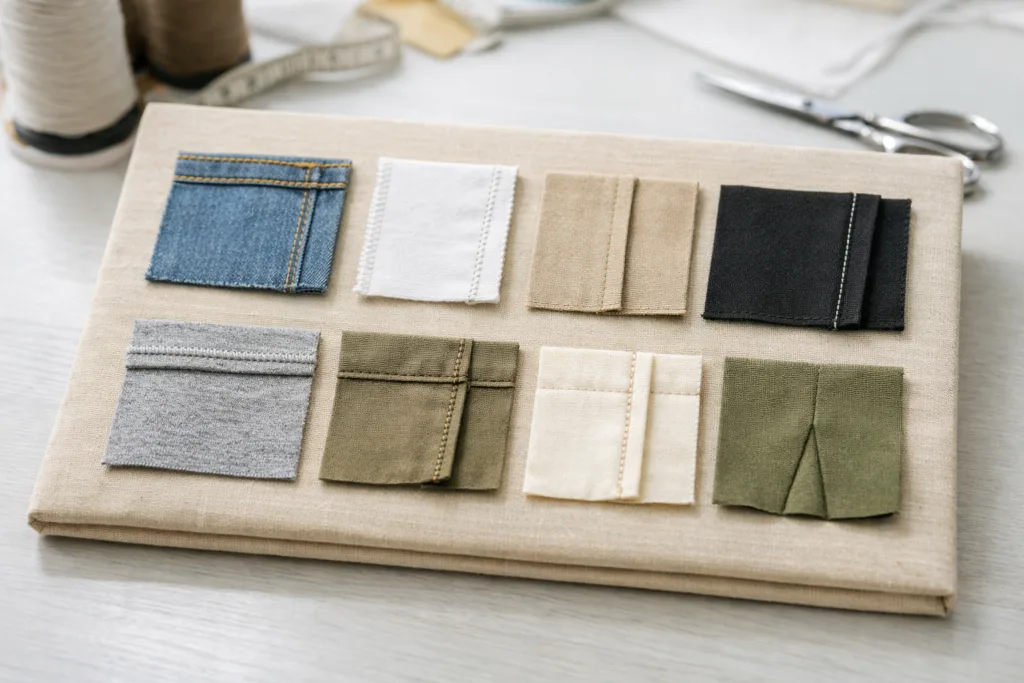
Not all seams are created equal. The most common types include:
- Plain seam: Basic join, good for low-stress areas
- French seam: Clean finish, great for lightweight fabrics
- Flat-felled seam: Extra-strong (think jeans and workwear)
- Overlock safety seam: Standard on knits, stretches with fabric
- Bound seam: Adds reinforcement, used on edges/cuffs
The right seam depends on the garment’s purpose. Performance gear? Overlock or flat-felled. Dress shirts? French seams may win on comfort and look. Choose seam construction with both end-use and aesthetics in mind.
Thread Choice: A Small Detail, a Big Impact
Your seam is only as strong as the weakest thread in the bundle. Polyester thread is standard for most apparel—it stretches and resists breakage better than cotton. For heavy-duty items, corespun or even Kevlar threads can be used. Match thread type and size to both the fabric and the intended use to avoid early seam failures.
Stitching Issues: Common Problems and How to Fix Them
Many seam failures stem from simple issues like skipped stitches, inconsistent tension, or wrong needle size. Quality control teams look for:
- Puckering: Fabric gathers along the seam (often from high tension or mismatched stitches)
- Loose stitches: Visible gaps, weak join
- Broken threads: Snapped under routine stretching
- Skipped stitches: Weakens the seam, often found at thick seam junctions
Prevention is part skill, part machine maintenance, and part matching stitch and needle to fabric thickness. Old needles and incorrect machine settings top the list of everyday causes.
Seam Slippage: What Is It and Why Does It Happen?
Seam slippage happens when fabric pulls away from the stitches but the threads themselves don’t break. It’s a frequent problem in loose-woven or slippery fabrics like rayon, some polyesters, or acetate. The fix? Tighter seam construction and possibly a change in seam type or stitch length. A simple test sample can spot this risk early in production.
How Is a Seam Strength Test Performed?
In the factory, seam strength testing is often done with a tensile testing machine. A cut strip of the garment is clamped so the seam runs perpendicular to the pull direction. The machine then pulls until the seam breaks—recording the force (usually in Newtons or kilograms). For on-the-floor quick checks, QC teams may perform manual pull tests at key points—especially on samples during pilot runs.
Defining Seam Strength Standards: What Numbers Matter?
So, what’s “good enough” in a seam strength test? The target varies:
- Casual knits and tees: 80–120 Newtons is typical
- Workwear and outerwear: 150–250 Newtons or more
- Activewear/high stretch: Usually tested at both rest and extended states
Many major brands define their own standards based on all garment types. These are included in technical packs and purchase orders. For new suppliers, ask for their documented seam strength test results and match them to your product requirements.
International Standards and Test Methods
The most common reference standard is ASTM D1683 for woven fabrics and ASTM D4033 for knits. Some brands may also use ISO 13935-2. These methods detail how to cut, stitch, and test to ensure results are comparable across the industry.
Seam Strength Test: What Good Construction Looks Like
Here’s what high-quality construction delivers in a seam strength test:
- No loose or hanging threads
- Even thread tension along the entire seam
- Reinforced bar tacks at stress points
- No visible seam slippage on key test areas
- Fabric tears before seam fails under stress
Put simply: quality construction means the fabric is the first to give, not the seam.
Visual Inspection versus Mechanical Testing
Skilled inspectors can spot obvious failures by eye or with a quick manual pull. But lab equipment is needed for proper measurement and reporting. A production lead at Ninghow points out that combining both—visual and mechanical—catches more potential issues, especially on bulk runs where sample sizes matter.
QC in Practice: Stitching, Sampling, and Real-World Testing
Reliable quality control blends lab results, real sample wear-testing, and experienced shop-floor oversight. At Ninghow, a typical workflow uses daily random seam pull checks supported by regular tension tests on core garments. This routine finds small problems before they become batch-wide headaches.
Supplier Agreements: Setting Clear Expectations
Writing seam construction, stitch type (chainstitch, overlock, lockstitch, etc.), and minimum strength standards directly into your tech pack prevents confusion during bulk production. Before a big run, specify 关键受力位 and call out special reinforcements. Early clear standards make later QC (and negotiations) smoother. For more on building watertight supply plans, check the detailed dual sourcing apparel transition plan for brands scaling up.
How to Audit Seam Strength When Visiting a Factory
When onsite, always:
- Physically check high-stress seams (pull gently but firmly)
- Ask to see recent seam strength test reports
- Observe sewing operators for technique, stitch density, and use of reinforcements
- Review random finished pieces, not just approved samples
These live checks often reveal inconsistencies between sample and mass production.
Garment Fit and Pattern: How Construction Affects Seam Stress
Tight or ill-fitting clothes put more force on seams. Skilled pattern-making distributes stress, prevents strain on just a few stitches, and extends garment life. Always review size grading and expected stretch/recovery at design stage, not just after production starts.
Packing and Shipping: Don’t Let Good Construction Go to Waste
Strong seams are still vulnerable if garments are crushed, folded poorly, or packed too tightly. Clothes should be folded along natural lines, not forced against stiff seams. When evaluating returns, consider whether the problem began in transit, not just in the sewing hall.
Cost and Lead Time: Balancing Price with Reliable Seam Strength
For buyers, it’s tempting to chase the lowest price—but cheaper production often means rushed stitching or thin thread. Transparent discussion with your manufacturer about threading, reinforcement, and expected seam performance (and a few extra days for QC!) almost always pays for itself in reduced returns and better brand reputation.
Common Failures: Red Flags in Seam Construction
Spot any of these, and it’s back to the factory:
- Exposed loose ends or back tacking only at ends
- Puckered seams or uneven lines
- Threads visibly lighter than the fabric
- Stitches solo in high-stress zones without bar tacks or cover stitches
Systematic defects point to problems with machine maintenance, training, or component mismatch.
Training and Process Control for Consistent Seam Quality
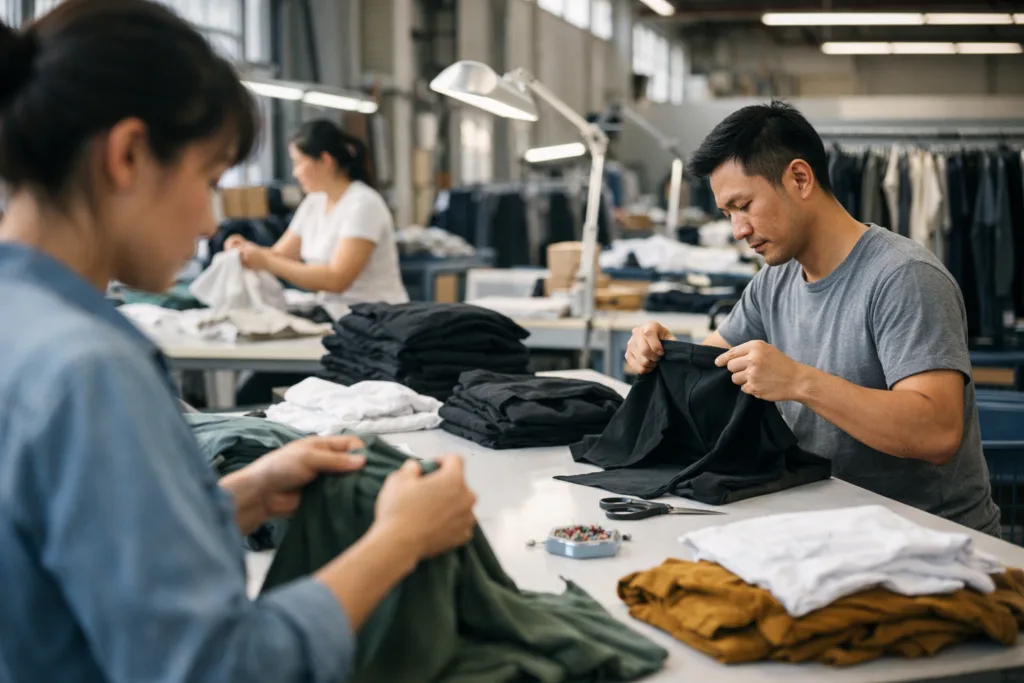
Consistency grows from process, not luck. Manufacturers like Ninghow train operators on correct stitch length, needle changes, and thread tension every shift. Layered inspection—by spot checkers, line leaders, and QC teams—catches more than any “final” inspection ever could. Training is the first and last line of defense against weak seams scaling into brand-wide quality issues.
Tracking Failures: Feedback Loops in Production
Keep records of returns and failed tests, mapping them to specific lines, operators, or materials. This feedback turns isolated problems into training opportunities and sharper supply specs over time.
Seam Strength and Fashion: When Looks Compromise Longevity
Some designers propose exposed seam finishes or unusual stitch patterns for aesthetic reasons. These can look great—but may compromise seam strength if not engineered correctly. Use lab or wear testing to validate new looks before scaling.
Summary: Stitching, Seam Strength, and Building a Reputation for Quality
The best seam strength test isn’t just about numbers—it’s about building apparel that lasts, protects your brand, and gives customers confidence with every wear. From technical standards to hands-on checks, paying attention to seam construction at every stage of production is the real foundation of long-term garment success.
Frequently Asked Questions
How is seam strength measured in apparel factories?
Seam strength is usually measured using a tensile tester, which pulls a stitched sample until the seam breaks, recording the peak force required.
What causes seams to fail in clothing?
Common causes include low stitch density, poor tension, weak or wrong thread, incorrect seam type for the fabric, and poor operator technique.
What is seam slippage and how can it be prevented?
Seam slippage is when fabric pulls away from stitches without the seam thread breaking, often in loose weaves. Prevention: tighter seam construction and possible stitch type adjustment.
How many stitches per inch should quality garments have?
Most quality garments have 8–12 stitches per inch, depending on fabric weight and intended use. Heavier fabrics may use fewer, lighter fabrics more.
Are visual inspections enough for assessing seam strength?
Visual inspections catch obvious flaws but can’t measure resistance to force. Mechanical testing provides standardized, reliable results for quality assurance.
How can brands ensure good seam quality from suppliers?
Brands should define seam specs in tech packs, request seam strength test results, and inspect both samples and bulk goods, focusing on key stress points.
Related Reading
- 2026 Fabric Shrinkage & Colorfastness Checklist: What Buyers Should Demand
- Cracking MOQ Negotiation: Win Smarter Orders Without Sacrificing Quality
- Step-by-Step Guide to Auditing Your Clothing Factory—What To Look For
- Understanding Types of Embroidery Stitches for Professional Garment Finishes
- True Story: How Consistency Was Fixed in Apparel Quality Control
