
Ninghow manufacturing capabilities should be evaluated as a project-fit question, not as a universal promise. The main site presents polos, T-shirts, hoodies, shorts, jackets and sportswear, including golf applications. That range gives a buyer a useful starting point, but a category name alone does not confirm that every fabric, fit, decoration method or construction is suitable for every order.
For an initial commercial review, begin with the product family and then narrow the brief to the actual garment. A basic T-shirt, for example, may involve different requirements from a heavyweight oversized T-shirt, a performance top or a decorated promotional style. Buyers comparing T-shirt manufacturing should therefore describe the intended fabric, fit, finishing, decoration and use case rather than relying on the product label alone.
What the published category range tells you
- Polos: confirm collar construction, placket details, fit, decoration placement and wash expectations.
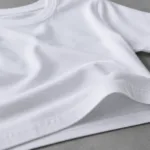
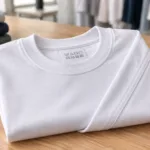
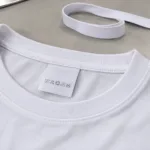
- T-shirts: clarify fabric weight and hand feel, neckline construction, color range, printing or embroidery and size grading.
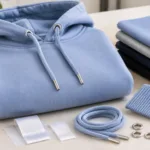
- Hoodies and jackets: ask about the intended outer fabric, lining, closures, pockets and finishing sequence.
- Shorts and sportswear: define movement, waistband behavior, pocket use, stretch, recovery and seam comfort.
These checks matter because the same garment category can require different production controls. A polo brief should connect fabric, collar, placket, fit and decoration; a shorts brief should resolve movement and pocket behavior; and an activewear brief should evaluate stretch, recovery, coverage and seam comfort separately. A product page can establish relevance, but it cannot replace a style-specific review.
For buyers starting from a physical reference, Ninghow’s development information indicates that reference samples or design inputs can be accepted. Separate the reference into measurable dimensions, construction details, surface appearance, hand feel and the changes you want. Also confirm that you have the right to use the reference. A sample can guide development, but it is not authorization to copy another party’s trademark or protected design.
Publish Conditional MOQ
A useful MOQ statement should explain conditions, not present a single number as though it applies to every style. Ninghow’s low-MOQ guidance ties feasibility to the fabric, customization and production setup. In practice, buyers should ask separately about the minimum for the finished garment, the minimum for fabric or dyeing, and the minimum for trims or other components. These thresholds may not align.
That distinction changes the economics of a small order. A low quantity of finished garments may still require a larger fabric purchase, a dedicated color process or a minimum trim quantity. Conversely, an available material route may make a focused first order more practical than a broad collection using many custom materials.
| MOQ question | Why it changes feasibility | What to confirm |
|---|---|---|
| Finished garment quantity | Cutting and sewing must be scheduled for each style, color and size mix. | Minimum per style, color and size distribution. |
| Fabric or dyeing quantity | Custom fabric development or color processing can require a separate minimum. | Whether stock or shared fabric routes are available. |
| Trim and decoration quantity | Labels, zippers, buttons, prints and embroidery may have their own setup or order quantities. | Minimum purchase, setup charges and whether components can be combined. |
Choose depth before breadth
Early-stage brands usually need to decide between fewer styles at greater depth and more styles at shallow quantities. A focused group of styles can simplify shared materials, color planning, size allocation and approval. A large first collection may offer more assortment, but it spreads development effort and can create separate material and trim requirements for every style.
For a trial order, provide the number of styles, quantity per color, size allocation, target materials and which components you can source or share. Do not describe a low MOQ as “1 piece,” “no MOQ” or a universal threshold unless the manufacturer confirms those exact conditions for the specified project. A practical apparel manufacturing assessment should leave room for the factory to distinguish garment, material and setup minimums.
Define In-House and Partner Processes
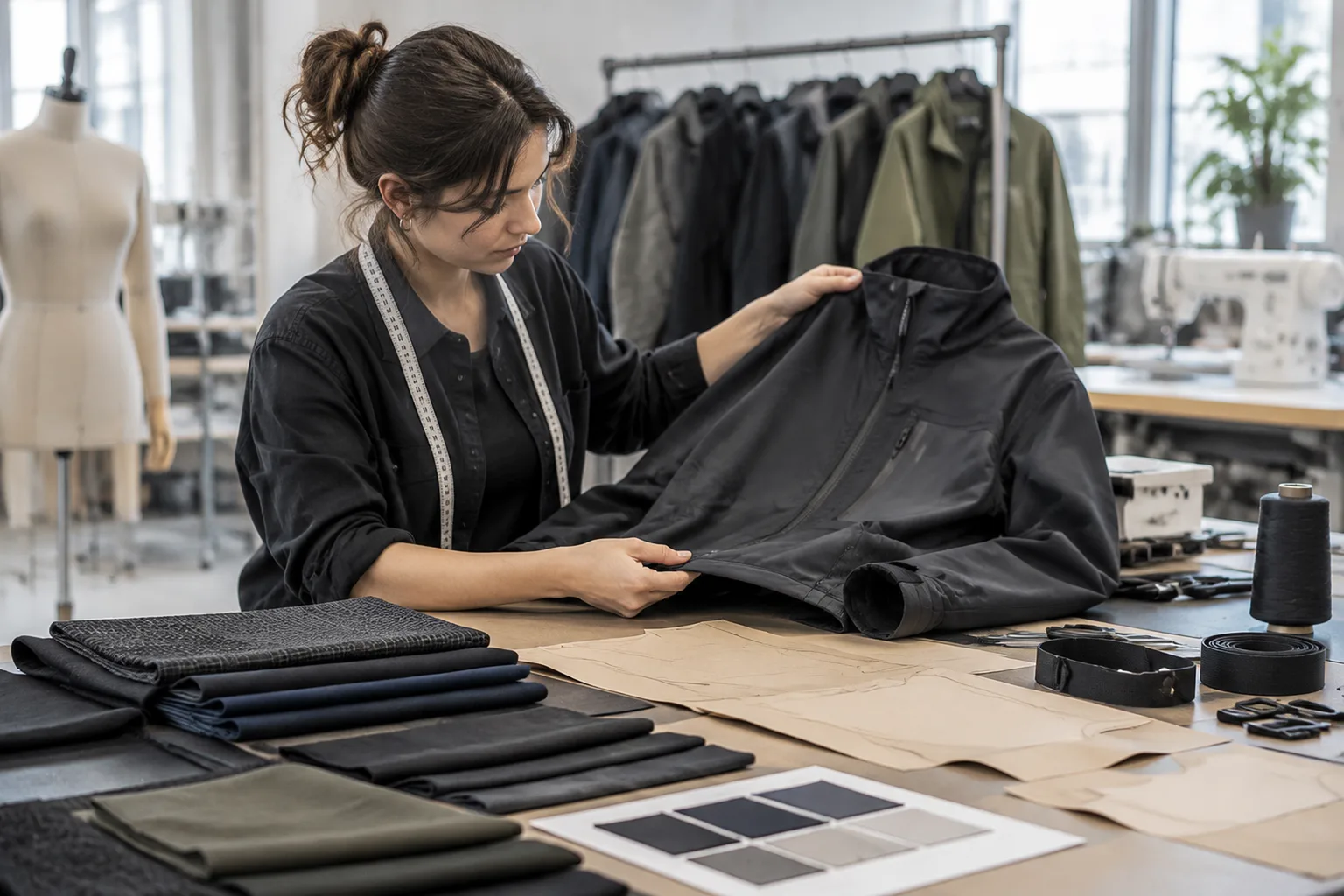
Capability evaluation also depends on who controls each process. Buyers should map development, pattern work, sampling, fabric sourcing, cutting, sewing, decoration, finishing, inspection and any external testing or specialist treatment. The key question is not whether a supplier can coordinate a process, but whether it is performed directly, assigned to a qualified partner or dependent on a material vendor.
This distinction matters because process ownership affects communication and evidence. Direct control may simplify feedback on construction changes, while a partner process can introduce another approval point, schedule dependency or specification handoff. Neither route is automatically better; the right choice depends on the product’s complexity, deadline, customization and need for traceable approvals.
Questions to put in the capability review
- Which activities are handled directly for this garment, and which are coordinated externally?
- Who owns the pattern, grading, material specification and approved sample records?
- Where will decoration, washing, special finishing or technical fabric work take place?
- Which changes require a new sample, and which can be checked through documentation or an existing material route?
- Who reports defects or deviations, and how are corrective actions confirmed before bulk production?
Use samples according to their purpose rather than treating one sample as proof of everything. A prototype primarily checks structure and design direction. A fit sample checks the intended fit. A size set checks grading across sizes, while a pre-production sample checks whether the approved design can be produced in the planned materials and construction. A substitute fabric sample cannot prove the final fabric’s performance or bulk consistency.
Before commercial approval, compile the process map with the technical pack, reference details, material source and required inspection points. Then use the request a manufacturing quote route with those project-specific inputs, so the response can address feasibility rather than only the product category.
State Evidence Scope
A capability profile answers whether a supplier appears relevant; it does not prove that a specific style will meet your requirements. Keep three evidence levels separate: company-listed scope, order-specific development evidence and general technical guidance. This prevents a product category or process description from being mistaken for approval of the finished garment.
A company-listed capability is useful for shortlisting. Ninghow’s presented categories include polos, T-shirts, hoodies, shorts, jackets and sportswear, but the category remains subject to confirmation against the actual fabric, measurements, construction, decoration and finishing brief. Order-specific evidence begins when the supplier reviews your technical pack, reference sample or design inputs and responds to the details of that project. General technical guidance can help you design checks, but it is not a Ninghow test result, certification or guarantee.
Match each sample to one approval question
| Evidence stage | Main question | What it cannot confirm alone |
|---|---|---|
| Prototype sample | Does the construction express the intended design and proportion? | Final size grading, production consistency or final-material performance. |
| Fit sample | Does the selected size and construction sit correctly on the intended wearer? | How every size will fit or whether bulk materials will behave identically. |
| Size set | Does grading produce acceptable measurements and proportions across sizes? | Decoration durability, full production consistency or every wash outcome. |
| Pre-production sample | Can the approved design be made with the planned materials, trims and production method? | That an entire bulk run will contain no variation without suitable inspection controls. |
Use a written deviation list with each sample. Record the measurement point, construction change, material substitution, color reference and approval status. If a sample uses substitute fabric, treat it as evidence of construction direction only; it cannot establish the performance or consistency of the final fabric. For light-colored or close-fitting garments, inspect appearance under the intended fit and viewing conditions. For activewear, review stretch, recovery, coverage and seam comfort as separate questions rather than inferring all four from a fabric label.
Reference samples can accelerate development when the buyer identifies the details to retain, the details to change, measured dimensions, hand feel and appearance. They should be accompanied by the buyer’s authorization to use the reference. Before bulk approval, ask which evidence is available for the exact material and construction, which checks are performed by the supplier or a partner, and what remains the buyer’s responsibility to verify.
Explain Suitable Projects
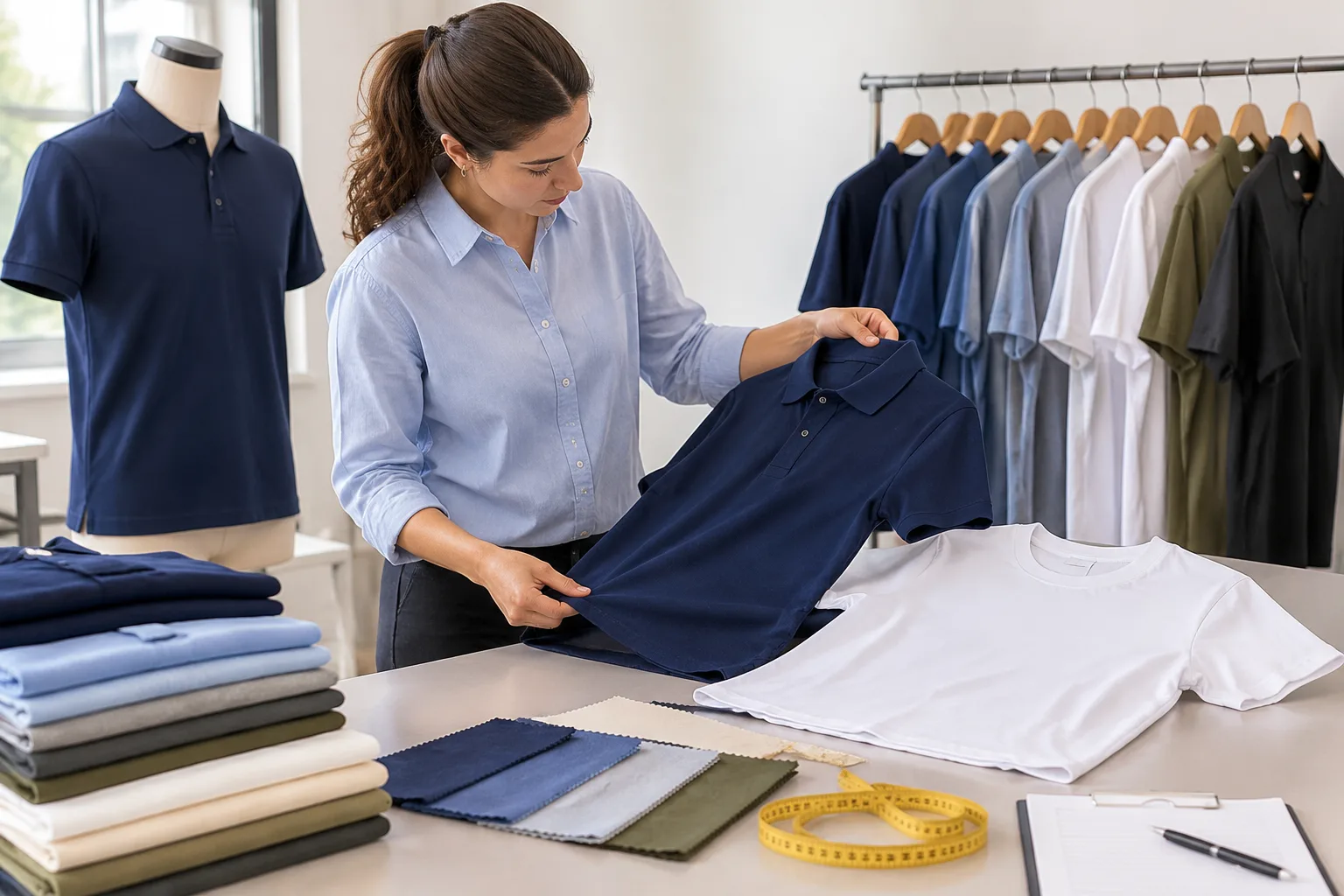
Ninghow’s presented product range may suit several project types, but suitability depends on the amount of development control and evidence the buyer needs. A focused early-stage order is often easier to assess when it uses a small number of styles, shared or available material routes and a clear size plan. This reduces the number of separate approvals without implying that every low-quantity project has the same feasibility.
Match the project to the review questions
- Early-stage brand or trial order: confirm style and color quantities, size allocation, material availability, trim minimums and which changes require new samples. Prioritize the main styles rather than spreading a limited budget across too many unrelated constructions.
- Uniforms and promotional apparel: define wearer roles, decoration locations, size coverage, wash expectations and replacement needs. A wearer trial can reveal movement or pocket problems that a flat measurement check will miss, especially when staff perform different tasks.
- Sportswear and golf applications: specify the movement pattern, stretch direction, recovery expectation, coverage, seam comfort and pocket use. Test the garment in representative actions and review the construction after washing; do not infer performance from the category name alone.
- Basic T-shirts, polos and casual apparel: lock fabric hand feel, neckline or collar behavior, fit, color approval, decoration and wash appearance. A simple construction can still require careful control if the order contains several colors, sizes or decoration methods.
Choose a different production route when the project depends on capabilities that have not been confirmed for the exact order, such as a specialized fabric treatment, highly technical construction, unusually broad size engineering or a tightly documented testing program. A specialist supplier may be more appropriate when the product’s main risk is a narrow technical process rather than general garment assembly. Likewise, a larger established route may fit a broad forecast, while a focused supplier review may be more practical for development and limited quantities. These are project decisions, not universal judgments about one manufacturer.
Before requesting a final quotation, send a concise brief covering style count, quantity by color, size allocation, fabric and trim sources, decoration, reference materials, target use, approval stages and required inspection evidence. Ask the manufacturer to identify assumptions, exclusions, partner-controlled processes and unresolved minimums. This makes the response comparable with other production routes and shows whether the apparent category fit can become a workable order.
Frequently Asked Questions
Which details determine feasibility?
Feasibility is determined by the combination of styles, quantities by color, size allocation, fabric and trim sources, customization, construction complexity and production setup. Ask separately about finished-garment, fabric or dyeing, and trim minimums. Also confirm which processes are directly controlled or coordinated externally and which sample must be approved before bulk production.
When should a buyer choose a different production route?
Choose another route when the project depends on a specialized process, tightly documented testing, unusually complex construction, broad size engineering or capacity that the supplier cannot confirm for the exact order. A specialist may reduce technical risk, while a broader production route may better suit a large forecast. Compare evidence, communication ownership, lead-time dependencies and minimums before deciding.