








Introduction: Why Garment Measurement Tolerance Matters
Garment measurement tolerance can make or break your apparel brand’s reputation. When size specs are properly defined and controlled, returns drop. When they’re vague? Costly complaints pile up. In 2026’s fast-moving apparel world, nailing those tolerances isn’t just technical—it’s a direct path to better customer satisfaction, lower logistics headaches, and tighter profit margins.
This guide focuses on Size Spec Control: Tolerances That Reduce Returns—diving into how to set tolerances, where to focus, and essential steps for size sampling. By the end, you’ll have a realistic, factory-tested blueprint for getting fit right, every time.
What Is Garment Measurement Tolerance?
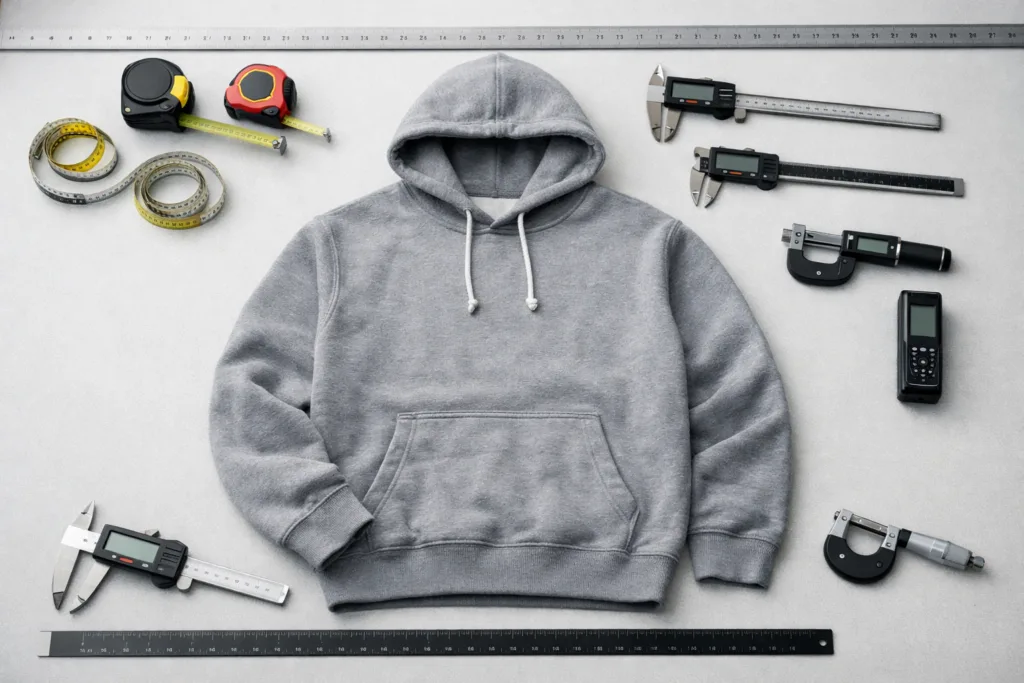
Measurement tolerance is the accepted range, plus or minus, that each size point on a garment can vary from the spec. For instance, if a hoodie chest spec is 58cm with +/-1.5cm tolerance, any finished garment from 56.5cm to 59.5cm passes. Even world-class factories can’t produce every piece identically—tolerance allows for that, balancing fit consistency with practical manufacturing realities.
Why Size Spec Control Reduces Returns
Uncontrolled tolerances lead to “off spec” fits—a major reason for returns. If the body length is consistently too short (or long), or sleeve lengths wobble across batches, buyers are left guessing, and disappointed customers ask for refunds. Clear, enforceable tolerances drive tighter sampling, improve predictability, and let QC teams quickly spot outliers before shipping, ultimately slashing costly returns. It’s not just about measurements; it’s quality assurance in action.
The Science Behind Setting Tolerances
Tolerance isn’t one-size-fits-all. Key points like chest, waist, or inseam take stricter ranges—often +/-1cm to 2cm—since these affect overall fit and comfort the most. Less critical points (like pocket placement) may use wider bands—up to +/-3cm. Industry standards, fabric type (woven vs knit), and style (slim vs relaxed) all influence what’s reasonable. A well-laid-out spec balances strict control with achievable production.
How to Define Key Measurement Points
To set solid size specs, first define every critical measurement point:
- Chest/Bust: Major fit driver for tops, jackets, dresses
- Waist/Hip Circumference: Especially vital for pants, skirts, fitted dresses
- Body Length: Sets overall fit impression
- Sleeve/Inseam Length: Customer comfort priority
- Shoulder Width: Impacts movement, drape
These points become the focus of your tolerance definition. Use diagrams to clearly label where each measurement starts and stops (see your tech pack template for industry-standard illustrations).
Which Tolerances Are Standard? (Comparison Table)
| Measurement Point | Common Tolerance (+/-) | Notes |
|---|---|---|
| Chest/Bust | 1–1.5 cm | Critical fit, keep tight |
| Body Length | 1.5–2 cm | Shorter for kids, stricter for fashion |
| Sleeve Length | 1–1.5 cm | Helps with comfort range |
| Waist (pant) | 1–2 cm | Base on style (slim/relaxed) |
| Inseam | 1–2 cm | Knit tolerances can go higher |
| Neck | 0.5–1 cm | Smaller area, needs precision |
Garment Measurement Tolerance: Factory Workflow Example
Here’s what happens step-by-step inside a factory like Ninghow when enforcing garment measurement tolerance:
- Tech Pack & Spec Sheet Setup: Every size’s points and tolerance clearly marked
- Graded Pattern Approval: Ensures all tolerances are reflected before cutting bulk
- First Article Sample: Sew, measure, correct if any out-of-tolerance points found
- Bulk Production QC: Pulls are measured by random sampling (see below)
- QC Reports: Capture pass/fail rate and needed corrective action
Factories favor a digital spec sheet linked with QC records—speeding up communication, preventing disputes, and logging exactly where errors occurred for future improvement.
容差怎么定:How to Set Tolerance for Garments
Setting garment measurement tolerance is part art, part science. Consider:
- Product Type: Knits are stretchier—allow slightly higher ranges. Wovens need stricter bands.
- Customer Expectation: Tailored fits demand tighter tolerance than oversized/streetwear.
- Process Capability: Evaluate your manufacturer’s actual consistency via size run samples. Never set a tolerance your supplier can’t hit!
- Industry Benchmarks: Compare with global retail norms—but adjust to your market if needed.
Document each point’s tolerance on your master size spec. If in doubt, err on the strict side for high-visibility fit points. For details on aligning grading across various size ranges, see the Big and Tall Hoodies fit guide.
关键量点:Focusing Tolerances on Key Measurement Points
Not all measurements deserve the same scrutiny. Prioritize:
- Chest (or Bust): Core fit feel
- Front & Back Length: Impacts overall appearance
- Waist: For bottoms and fitted tops
- Shoulder Width & Sleeve Length: Range of motion, layering comfort
These are what buyers try on first—and what prompt the most returns if wrong.
如何做尺寸抽检:How to Conduct Size Sampling and Tolerance Checks
Size sampling is your last defense before problems reach the customer. Here’s how to run tolerance checks that actually catch issues:
- Random Selection: Pull a statistically valid sample from each batch (often based on AQL inspection guidelines).
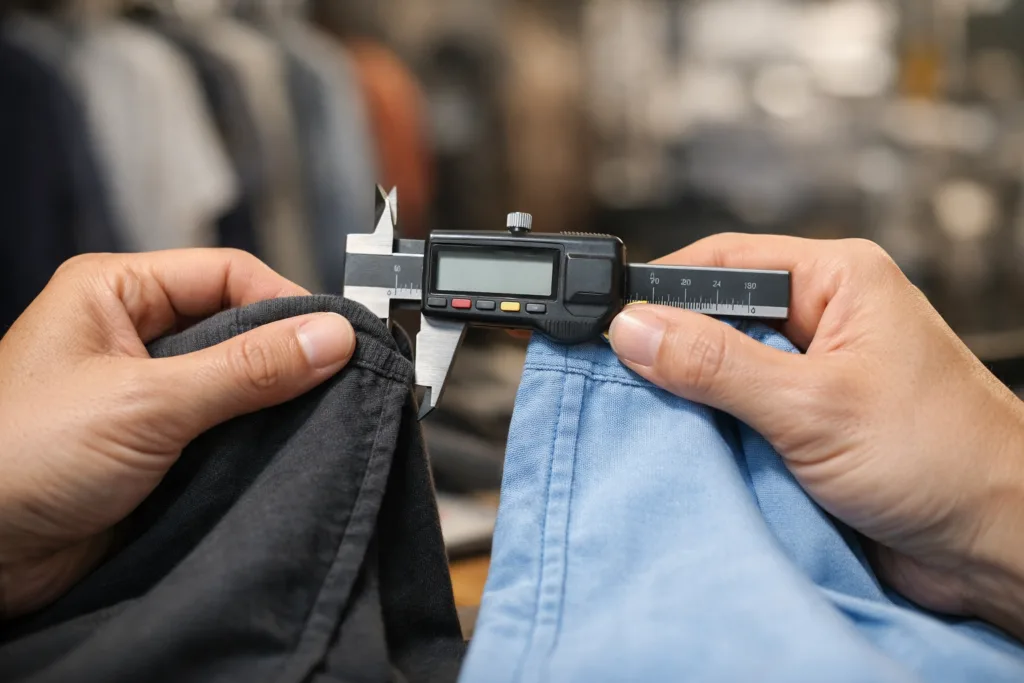
- Precise Measuring Tools: Use calibrated tape measures/rigid rulers for accuracy.
- Mark Every Result Against Tolerance: Anything outside is flagged—require investigation or rework.
- Repeat with Multiple Inspectors: Reduces risk of human error.
- Audit and File Results: Digital systems allow tracking over multiple seasons/production runs for trend spotting.
This process isn’t just theory. At Ninghow, experienced QC staff put all samples on a clean flat table, align the garment exactly, and double-check results in both directions (width and length). Strict adherence at this step means fewer returns—and a smoother relationship with buyers downstream.
Tools and Templates for Size Spec Management
Managing hundreds of size points across multiple products takes clear documentation. Many modern brands rely on:
- Digital Spec Sheet Tools: Automatically populate size, tolerance, and grading tables
- Customizable Tech Pack Templates: Centralize all info (try this proven tech pack template)
- Cloud Collaboration Platforms: Allow designer, patternmaker, and factory all to view and update specs live
The result? No more outdated spreadsheets, lost emails, or misaligned standards—just one version of the truth before cutting and sewing ever begins.
Adjusting Tolerance for Fabric Shrinkage and Washing
Finished garment measurements can change after laundering. Brands must:

- Test Sample Pieces: Launder and measure to see actual shrinkage or stretch.
- Factor In Shrinkage Allowance: Specify pre and post-wash measurements if required.
Some fabrics behave unpredictably, so work closely with suppliers (see tips in Fabric Shrinkage Test guide) to anticipate these effects before finalizing your tolerance bands.
Impact of Grading on Measurement Tolerance
Grading—the systematic increase or decrease from sample size to all other sizes—must preserve tolerance logic. If the base size tolerances are too wide, XL or XS may be wildly off. Revisit your grading overlays as part of each new season’s size audit for consistency.
Common Mistakes: Where Brands Go Wrong with Tolerance
- Setting ultra-tight tolerances that factories can’t meet
- Leaving key measurement points “open” (no tolerance provided)
- Mixing tolerance types (percent vs fixed cm/in) in one chart
- Not updating tolerances when changing fabric or process
- Forgetting to test after wash or garment embellishment
Fixing these starts with realistic standards—mirror what top brands do, but adapt to your style and production partners.
Quality Control: Training and Communication for Reliable Tolerances
Even the best size chart is useless unless teams use it. Effective brands:
- Hold training for QC staff on measuring protocols
- Share updated specs instantly via cloud tools
- Set a single “source of truth” document for each style and factory
- Require all sample and bulk measurements to cite spec version and tolerance in report
For more, see the Supplier Communication SOP used by experienced apparel project managers.
Case Study: How Ninghow Solved a Size Tolerance Challenge
In a 2025 hoodie order, Ninghow’s QC team found sleeve lengths drifting 2cm beyond spec in random sampling. The root cause wasn’t worker error—it was small shrinkage during post-sewing press finishing. By introducing a short pre-steam and adjusting the sleeve tolerance downward to 1cm, returns for “short sleeves” dropped 75% that season. The lesson: Investigate outliers, adapt your process, adjust tolerances, and document results for future reference.
Regulatory & Customer Compliance for Size Specs
In some regions, garment sizing is regulated by law or industry association (especially for children’s apparel). Always:
- Check legal size tolerance or marking rules for your target market
- Be transparent about tolerances in customer-facing charts to set expectations
Leveraging Inline QC and AQL to Protect Fit Consistency
Inline QC—sampling garments during production, not just at final inspection—catches drift before large waste occurs. Combine this with AQL-based protocols to set statistically smart sampling sizes and thresholds for inspection. Pro tip: Frequent inline checks lead to steadier tolerance compliance across big orders.
Documenting and Archiving Tolerance Performance
Over time, keeping a “history” of pass/fail rates by style, factory, or even key machine operators helps brands spot patterns. Good digital systems let you benchmark current and past tolerance issues—so small drifts don’t become signature problems.
When to Tighten or Loosen Tolerances
Adjust tolerance bands whenever:
- Target fit feedback changes (“runs small” or “too loose” reviews)
- You switch to a fabric with more/less give
- Supplier upgrades (or downgrades) their process capability
- Shipping to new regions with stricter/looser legal requirements
Automating Tolerance Control in 2026
Today’s best practice? Use cloud-based QC platforms that auto-alert when tolerance breaches are found, allow instant comparison across multiple facilities, and generate audit trails if buyers request a fit investigation. The result is tighter risk control—and a steady stream of actionable data to drive process refinement. This is no longer luxury; it’s industry standard for serious brands in 2026.
Conclusion: Make Tolerance Your Competitive Advantage
Mastering garment measurement tolerance isn’t just technical muscle—it’s brand protection. When you get specs, process, and factory discipline aligned, fit stabilizes, customer complaints dwindle, and costly returns turn into happy reorders. Invest the time to document, communicate, measure, and refine tolerances. Your bottom line, and your brand’s reputation, depend on every centimeter.
Frequently Asked Questions
What is the most critical measurement point for tolerance in shirts and hoodies?
Generally, chest (or bust) width, body length, and sleeve length are most critical. Errors here most impact fit and customer satisfaction.
How often should garment measurement tolerances be reviewed?
Review tolerances at least annually, or whenever you change fabric, supplier, or receive recurring customer fit complaints.
Is it possible to use the same tolerances for knits and wovens?
No. Knits are naturally stretchier and may need wider tolerance bands; wovens require stricter controls for accurate fit.
What tools help ensure accurate garment measurement in QC?
Use calibrated measuring tapes, rigid rulers, flat tables, and digital QC platforms to document and track results precisely.
Can tight tolerances increase production cost?
Yes—overly strict tolerances can slow down production, raise rejection rates, and increase costs. Balance precision with what’s practical for your product.
How can communication about tolerances prevent quality issues?
Clear, up-to-date spec sheets and tech packs ensure everyone is aligned, minimizing errors or misunderstandings with factories and QC teams.
