
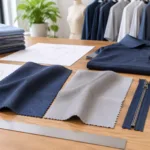
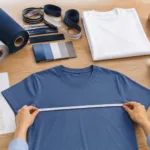


White polo shirt fabric opacity is best judged on a correctly fitted garment under agreed lighting, movement, and wash conditions—not by GSM alone. When comparing polo shirts manufacturers, ask for samples that balance visible coverage with comfort and logo appearance. Choose the fabric, fit, and decoration together, then approve a documented visual reference before bulk production.
What Makes White Polo Fabric Acceptably Opaque Without Sacrificing Comfort or Decoration?
An acceptably opaque white polo provides the agreed coverage in its intended use. A loose swatch cannot show how the finished shirt behaves across the chest, around an armhole, or behind an embroidered logo.
A heavier white polo does not always provide better coverage. GSM describes mass per unit area, not the complete interaction of knit structure, thickness, surface, stretch, and fit. Extra weight may change the hand feel without resolving show-through where the garment pulls tight.
Whiteness and opacity answer different questions. Whiteness concerns how white the surface appears; opacity concerns how well it conceals what is behind it. A brighter-looking white is not automatically more covering.
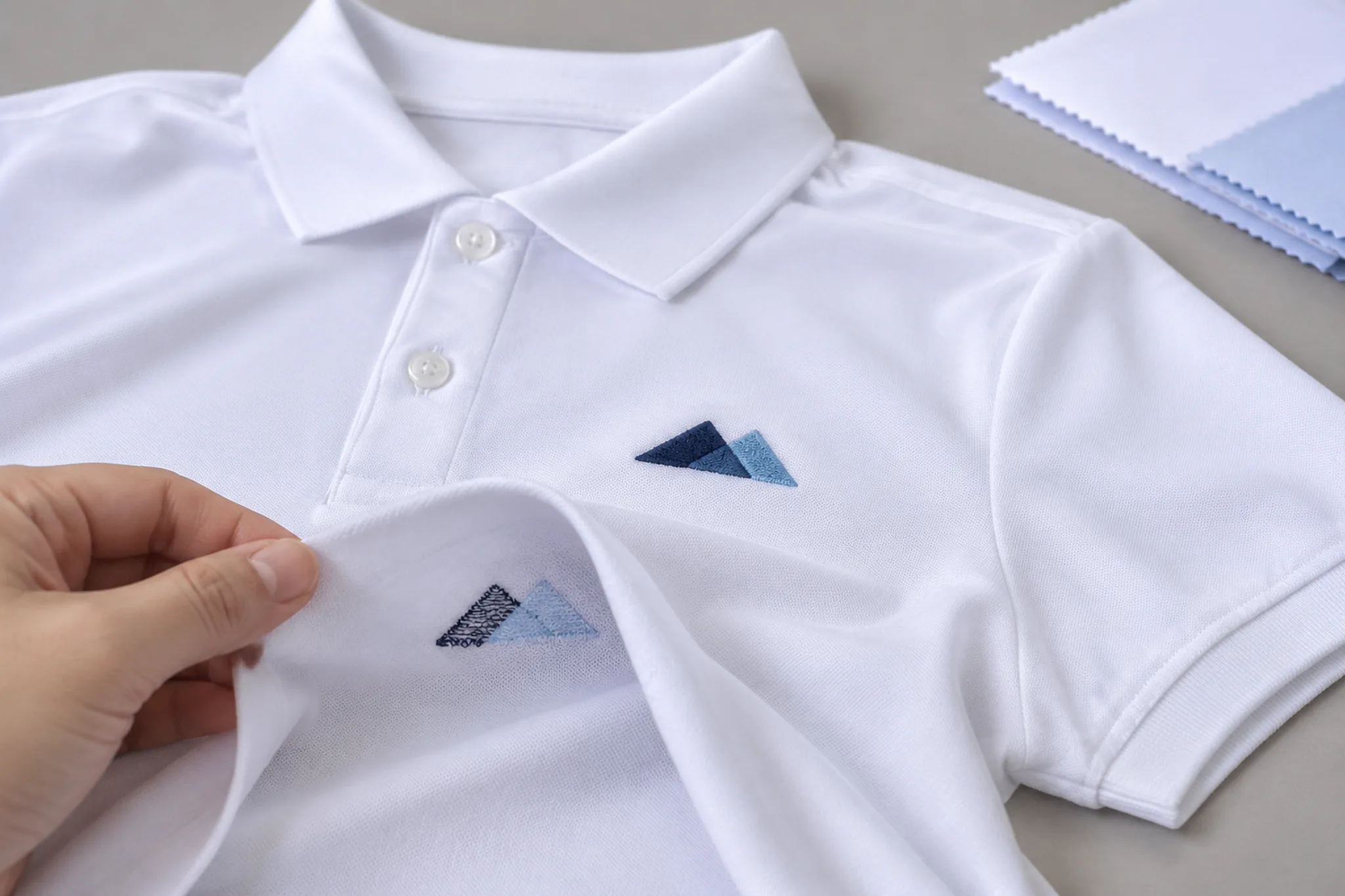
For custom white polo shirts, compare coverage alongside perceived breathability, movement comfort, and decoration appearance. Embroidery backing can remain visible through the fabric even when general body coverage seems acceptable. Inspect the decorated garment rather than assuming the blank-shirt result will carry over.
Ninghow’s public polo information covers fabric, fit, collars, plackets, and branding. These are connected development choices, not evidence that an untested combination meets an opacity requirement. Approval should identify the actual sample and conditions used, with visual judgments recorded separately from any laboratory results.
Define Opacity by the Wearing Scenario, Fit, and Movement Requirement
Replace “non see through polo fabric” with a requirement people can evaluate consistently. Office uniforms may need coverage during reaching and bending across a broad size range. Golf and event polos may require greater arm movement and attention to damp conditions. Neither use automatically calls for the heaviest fabric.
Copyable white uniform polo specification brief
Complete the following fields before requesting comparative samples. Agree on the wording with the supplier and the person responsible for approval.
| Input | Buyer entry |
|---|---|
| Wearers and setting | Target group, tasks, indoor or outdoor lighting |
| Fit and sizes | Intended ease, representative sizes, reference measurements |
| Base layer | Expected undergarment or undershirt color and type |
| Movement and moisture | Standing, reaching, bending; dry only or defined damp condition |
| Comfort and appearance | Target hand feel, coverage reference, unacceptable show-through |
| Decoration and care | Logo position, dimensions, method, backing, intended wash routine |
| Sign-off | Sample version, evaluator, date, approved conditions |
A reference garment helps only when its role is clear: identify the dimensions, construction, feel, and appearance to retain or change. Use the same evaluation questions for every candidate. Record a wearer’s preference for a softer feel separately from a failure to meet the agreed coverage requirement.
Compare Knit Structure, Thickness, Stretch, Surface, and Fit Instead of Choosing by GSM Alone
Compare candidates as complete fabric-and-fit combinations. Keep weight in the record, but do not use a universal GSM cutoff or accept a knit name as proof of opacity.
Read structure alongside thickness and stretch
Look at how open or compact each candidate appears, then check it under the extension expected in wear. A compact, stable knit may retain coverage differently from a looser or highly extensible one. Verify that difference on the samples rather than assigning a pass based on construction alone.
Compare thickness and surface texture alongside hand feel. A textured surface can influence perceived coverage, but its appearance does not establish what will remain concealed under tension. Likewise, a smooth, bright white surface is not an opacity result.
Check the pattern, not just the fabric
Inspect matching body areas on each garment: chest, waist, armhole, and placket. Note where the fit pulls the fabric and whether those areas become more revealing during movement. A satisfactory flat swatch may behave differently in a close-fitting polo.
Record the comfort and decoration trade-offs for each candidate: perceived warmth, freedom of movement, surface appearance, and visibility of the logo’s reverse side. Carry the selected combination into the sample measurements, tolerances, and decoration details so the approval applies to a defined garment—not merely a fabric description.
Inspect White Polo Samples Under Controlled Light, Background, and Stretch Conditions
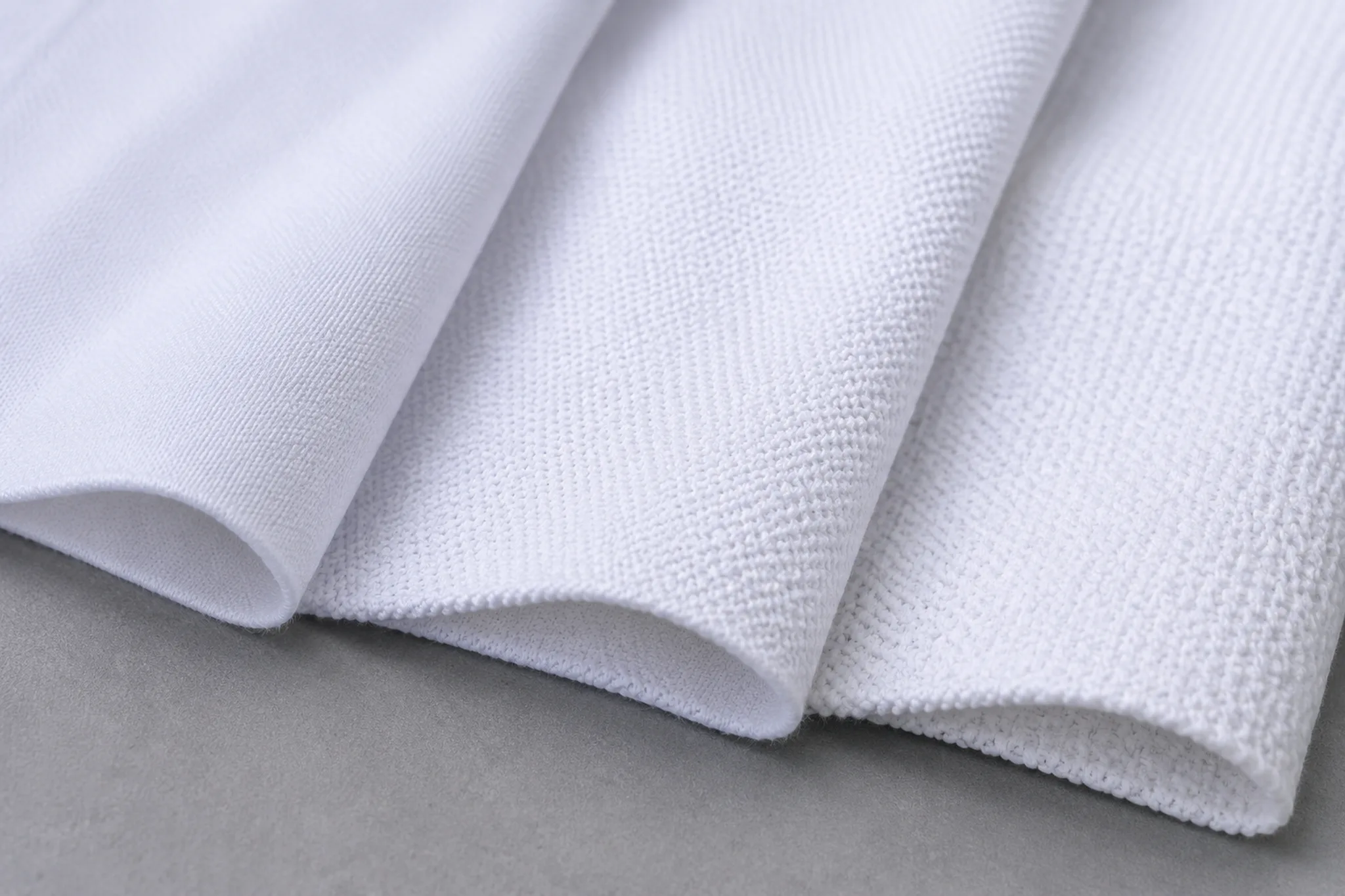
A useful white fabric approval comparison controls the conditions instead of relying on samples viewed in different rooms or photographs. X-Rite’s discussion of color measurement pitfalls emphasizes documenting sample preparation and keeping physical samples clean. Those principles also help organize visual comparisons, although the procedure below is buyer-defined, not a laboratory test.
- Fix the setup. Use the same light source, contrasting background, base layer, viewing distance, and garment position for every candidate. Record the setup.
- Assess the intended fit. Use a representative wearer or form in the specified size. Inspect front, back, sides, chest, underarms, and placket at rest.
- Add relevant movement. Repeat agreed reaching, bending, or arm motions. Record where show-through appears and whether it occurs at rest or only under tension. Avoid exaggerated stretching unrelated to use.
- Include moisture only when relevant. If damp wear is part of the brief, agree on and record how the condition is reproduced. Do not mix dry and damp observations.
- Preserve the comparison. Photograph candidates using consistent camera position, exposure, and lighting. Retain the physical reference; images alone should not settle borderline decisions.
Keep visual coverage observations, subjective comfort comments, and any laboratory reports separate. Record the sample’s wash status as well: initial approval does not replace repeating the check after the agreed laundering procedure.
Review Whiteness, Polo Construction, and Decoration Backing Together
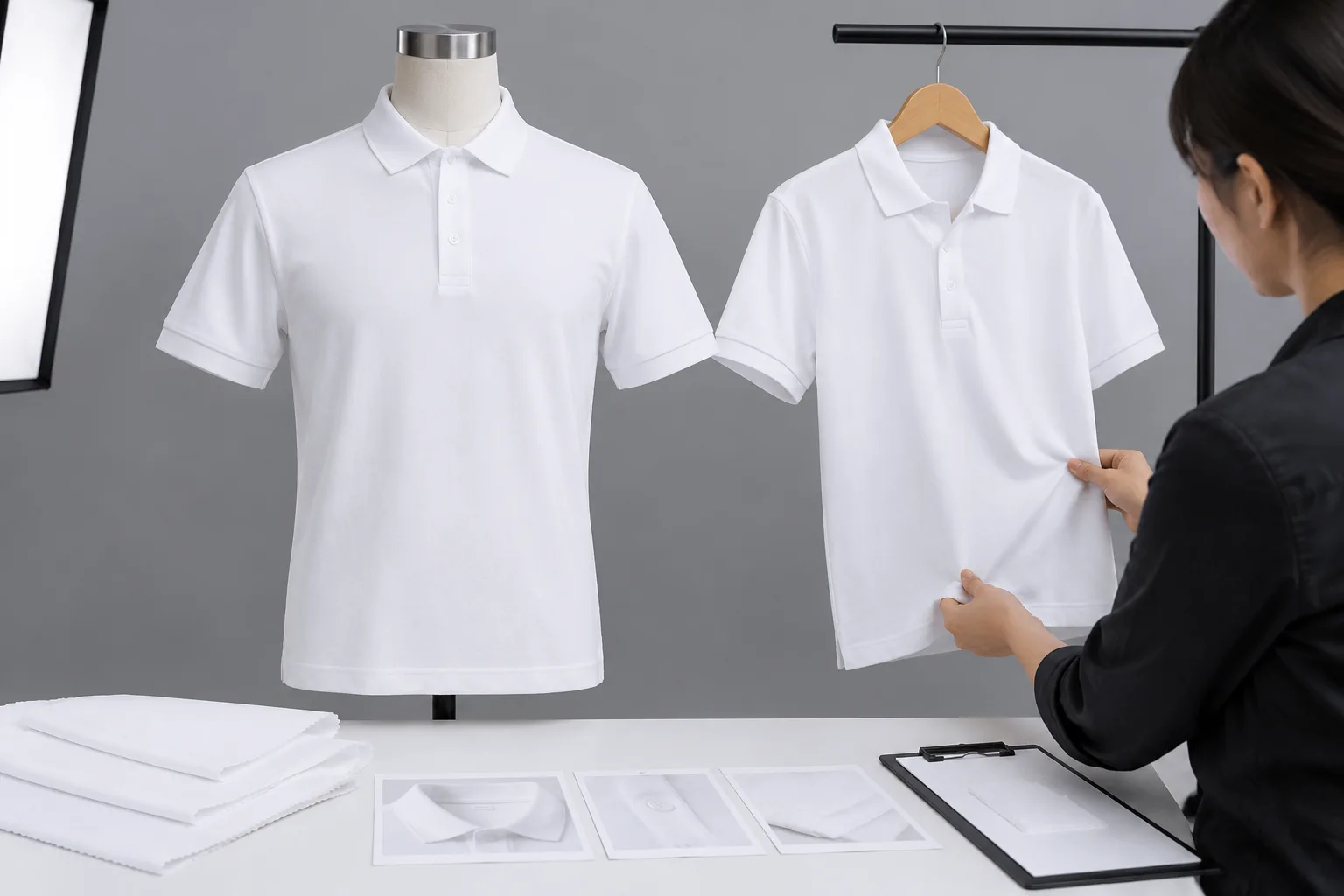
Before repeating that comparison after washing, make sure the sample includes the intended construction and branding. A plain white panel cannot establish whether the finished, decorated polo is acceptable.
Whiteness and opacity answer different questions. Whiteness concerns the visible color appearance; opacity concerns how much underlying contrast or structure shows through. Review both against their own documented visual reference rather than treating a brighter-looking white as proof of better coverage.
For embroidery, inspect the actual logo on the selected fabric and finished polo. Look for a visible backing outline, a contrasting patch behind the fabric, puckering, or local tension around dense stitching. Record the thread, backing or stabilizer, logo dimensions, and placement used for the approved sample. An acceptable loose embroidery swatch does not settle how the chest area will look when worn.
For heat transfer, screen printing, sublimation, or another proposed route, first confirm suitability for the selected material. Review coverage, hand feel, reverse-side visibility, and the surrounding fabric appearance; a digital mock-up cannot establish these results.
Include the collar, placket, seams, and button areas in the same review. Compare their layered appearance with the single-layer body. Approve the fabric-and-decoration combination, not separate components whose finished appearance remains unconfirmed.
Repeat the Opacity Check After Agreed Laundering and Practical Wear
Repeat the white polo shirt fabric opacity check after the laundering conditions have been agreed. Specify the washing method, detergent, drying approach, number of review cycles, and review points before starting. For uniforms, these conditions should reflect the intended home or commercial care environment; a home-wash trial does not establish suitability for industrial laundering.
Retain an unwashed reference and photograph the same garment zones before and after washing. Reuse the original lighting, background, base layer, viewing position, and movement sequence. Measure garment dimensions again so a coverage change can be considered alongside any change in fit.
Record changes in surface texture, pilling, whiteness, stretch, seam position, and placket behavior. Recheck the logo area for backing visibility and changes in decoration appearance. These are observations to make, not assumed outcomes of washing.
A small wearer trial can supplement the controlled comparison. Ask intended wearers to perform relevant movements and comment separately on coverage, comfort, and fit. Distinguish personal preferences from failures against the agreed specification, and record garment size, tasks, duration, and care history. This is practical feedback, not a standardized performance certification.
Do not release a repeatedly laundered uniform program solely on an unwashed swatch. Resolve any missing washed-garment evidence before final approval.
Turn the Decision into a White Fabric Approval Brief for Bulk Production
The final white uniform polo specification should connect the approved appearance to an identifiable garment and written conditions. A physical reference communicates the intended result; the technical specification records construction, measurements, tolerances, and decoration details that appearance alone cannot define.
Carry forward the intended use, wearer group, base-layer assumption, fit, target hand feel, size range, and candidate fabric references. Identify the approved white shade reference separately from the opacity decision. Broader material choices can be explored through the best polo fabrics guide, but the project’s garment evidence should govern approval.
Record the viewing conditions and required garment zones, including standing and movement positions, stretch state, and damp-state assessment where relevant. Link these conditions to the collar, placket, seams, buttons, logo artwork version, placement, backing, and any reverse-side appearance requirement.
Attach approved photographs or identify the retained physical sample, with its version, wash status, approval date, and approver. Keep unresolved changes explicit. Record the agreed laundering review and distinguish buyer-defined visual evaluation from any separately commissioned laboratory report.
Before bulk release, confirm that the specification and approved sample match. Changes to fabric, fit, construction, or decoration should trigger review of the affected areas rather than automatically inheriting the earlier white fabric approval.
For a project-specific white fabric trial comparison, request a quote from Ninghow with your use scenario, target hand feel, style or reference sample, logo artwork, wash conditions, sizes, quantity, and delivery destination. Include the coverage concern and any existing sample observations so the proposed comparison can address your actual wearing conditions.
Frequently Asked Questions
Does a heavier white polo always provide better opacity?
No. GSM describes fabric mass per area, not guaranteed coverage. Knit structure, thickness, surface, stretch, and garment fit also influence the visible result. Compare representative polos under the same lighting, background, base-layer, and movement conditions, then assess comfort separately rather than choosing the heaviest option automatically.
Are whiteness and opacity the same property?
No. Whiteness concerns the fabric’s visible color appearance, while opacity concerns how much underlying contrast or structure is visible through it. A brighter-looking white can still show a base layer or decoration backing. Use separate shade and coverage references, and document the conditions used for each approval.
Can embroidery backing show through a white polo?
Yes, embroidery backing can be visible through a white polo. Check the finished logo area for backing outlines, contrast, and local distortion under the agreed viewing and wearing conditions. Record the backing or stabilizer, thread, logo size, and placement, then repeat the inspection after the agreed laundering procedure.
Should opacity be checked after washing?
Yes, when the polo will be washed in use. Agree on washing, detergent, drying, and review cycles before testing, then compare the same areas under the original viewing conditions. Record dimensional and surface changes alongside coverage observations. An acceptable unwashed swatch does not establish the washed garment’s appearance.
How should a buyer compare white polo fabric samples under controlled conditions?
Use consistent lighting, background, base layer, viewing distance, and garment size or fit. Compare samples in the same standing and movement positions, with matching stretch and moisture conditions where relevant. Label sample identity and wash status, keep photographs consistent, and record visual observations separately from comfort comments or laboratory results.
What should be included in a white uniform polo specification?
Include intended use, wearer group, fit, sizes, hand feel, fabric and shade references, construction, and logo details. Add the base-layer assumption, opacity viewing conditions, laundering procedure, and approval criteria. Identify the approved sample version, photographs, date, approver, and unresolved changes so production and inspection use the same reference.