






When a brand compares custom golf shirts with standard team polos, the choice is usually bigger than style alone. It affects fabric performance, fit, trim details, customer expectations, and even price positioning. From a manufacturer’s view, the right answer depends on how the shirt will be worn, how much movement it must handle, and what kind of buyer the brand wants to serve.
For readers comparing manufacturing options may also want to review polo shirts manufacturer as a useful next step. It gives a more focused look at how a clothing factory handles polo production, which is helpful when a brand is deciding whether a golf-specific line or a standard team polo line fits the sourcing plan better.
Custom Golf Shirts vs Standard Team Polos: What Actually Changes?
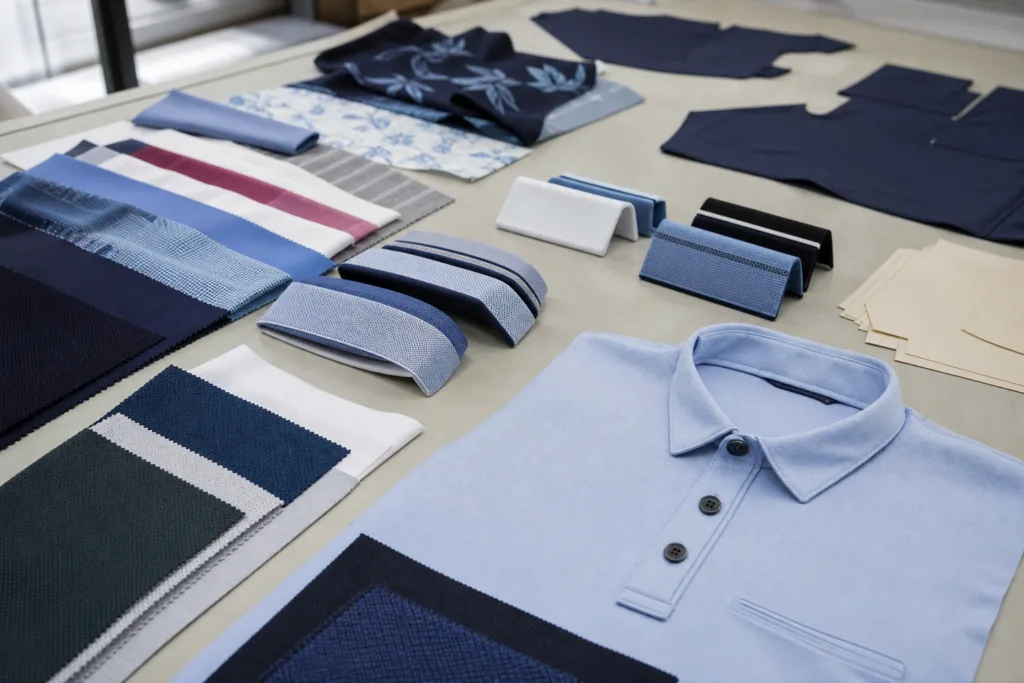
At first glance, both garments are polos. That is exactly why brands sometimes treat them as the same product. In production, though, golf-specific polos and standard team polos often solve different problems. A golf shirt is built for swing movement, heat control, and a cleaner sport look. A team polo is usually built for everyday uniform wear, repeat ordering, and broad size coverage.
The difference shows up in the pattern, the fabric, the collar, the hem, and the overall price point. If a brand sells to golfers, country clubs, pro shops, or premium event buyers, the custom golf shirts category can support a stronger story. If the customer is a school, company, club, or tournament staff group, standard team polos may be the more practical choice.
Why the use case matters
The same fabric can feel right in one setting and wrong in another. A shirt for 18 holes in summer needs better stretch and moisture control than a polo meant for office uniforms or casual team wear.
Fabric Performance: Why Custom Golf Shirts Feel Different
Fabric is usually the biggest separator. Golf buyers expect performance first. That means moisture-wicking knit, breathable yarns, good recovery, and a smoother hand feel. Many custom golf shirts use polyester performance blends, spandex mixes, or engineered knits that help the shirt move without clinging.
Standard team polos can use similar fabrics, but they do not always need the same level of stretch or technical finish. For a team polo, the brand may prioritize durability, easy washing, and lower cost over athletic performance. That is a smart trade-off when the shirt will be worn for events, staff uniforms, or casual branding.
In factory sampling, Ninghow often sees brands request golf-style performance fabric after they compare one sample against a basic team polo and notice the difference right away. The better fabric usually feels lighter, dries faster, and holds shape more cleanly after repeated wear.
| Feature | Custom Golf Shirts | Standard Team Polos |
|---|---|---|
| Fabric goal | Performance, breathability, stretch | General comfort, durability, value |
| Common materials | Polyester blends, spandex blends | Cotton blends, pique knit, basic poly |
| Moisture control | Usually stronger | Varies by price level |
| Recovery | Important for movement | Less critical |
Fit and Movement: Golf Needs More Room Than Most Team Polos
Golf is a rotational sport. That sounds simple, but it changes the pattern. Custom golf shirts often need slightly more room through the shoulders, upper back, and sleeves so the garment does not pull during a swing. The body length also matters because players bend, twist, and reach more than a typical uniform wearer.
Standard team polos are usually made with a straighter, more neutral fit. That works well for staff uniforms and broad audience programs, where brands want one cut to fit many body types. But when the shirt is intended for active play, that neutral fit can feel stiff or boxy.
For brands serving sports clubs or team shops, the best result often comes from developing golf apparel manufacturer specs separately instead of forcing one generic polo block to do everything.
Pattern details that matter
- Shoulder slope should allow arm lift without tugging.
- Sleeve opening should stay neat but not tight.
- Side seams should follow the body without twisting.
- Hem shape should stay balanced when tucked or untucked.
Details and Trim: Where Premium Golf Shirts Stand Out
Custom golf shirts often carry more refined details. That can include self-fabric collars, cleaner plackets, bonded hems, contrast tipping, laser-cut ventilation, or discreet logo placement. These touches support a premium buyer experience and help brands justify a higher retail price.
Standard team polos usually keep details simpler. A rib collar, basic placket, standard buttons, and a clean logo placement may be enough. In many cases, that is the right choice because the shirt needs to be affordable, easy to reorder, and easy to distribute across a large group.
Brands that work with custom team apparel programs often find that the trim decision is not just aesthetic. It changes the factory process, the sampling steps, and the final unit cost.
Common premium golf details
- Anti-curl collar construction
- Heat-transfer labels for comfort
- Hidden plackets or clean stitching
- Performance side panels or vents
Target Customer: Who Buys Which Shirt?
Brands should start with the buyer, not the garment. Custom golf shirts usually fit golf shops, club programs, country clubs, tournament merchandise, resort retail, and brands that want a more premium sportswear position. The customer is often willing to pay more for comfort, style, and technical performance.
Standard team polos fit a broader market. Think company uniforms, event staff, school teams, volunteer groups, sales teams, and general promotional use. These buyers care about appearance and consistency, but they usually buy in larger quantities and expect tighter price control.
The wrong product-market match creates friction. A premium golf shirt sold into a budget uniform program may feel overpriced. A basic team polo sold into a golf pro shop may feel underbuilt. That is why source planning should follow the market, not just the fabric swatch.
Price Structure: Why Golf Shirts Usually Cost More
Custom golf shirts typically cost more to develop and produce. There are a few reasons. Better fabric usually costs more. More complex pattern work adds labor. Technical trims and performance finishes increase material expense. And when the shirt needs sharper QC standards, factory rejection risk also rises.
Standard team polos often win on unit price because the construction is simpler and the material choices are broader. For large programs, that difference can be significant. A buyer may save enough on a basic team polo to stretch the budget across more staff, more sizes, or more inventory buffer.
Still, the cheaper option is not always the better one. If the shirt supports retail selling, tournament sales, or premium brand positioning, the higher cost of custom golf shirts may pay back through stronger margins and better customer perception.
| Cost Driver | Custom Golf Shirts | Standard Team Polos |
|---|---|---|
| Fabric cost | Higher | Lower to moderate |
| Pattern complexity | Higher | Lower |
| Trim package | More detailed | More basic |
| Retail positioning | Premium | Value to mid-market |
When a Brand Should Develop a Golf Line
Not every brand needs a dedicated golf line. The move makes sense when the buyer base can support a more technical product and when the brand wants to sit above basic uniform polo pricing. If customers ask for stretch, better drape, cooler wear, and a cleaner sport look, that is a sign the market is ready.
A dedicated golf line also makes sense when the brand wants clear product tiers. For example, one polo can stay as a standard team shirt, while another becomes a sport-performance option for golf and active retail. That separation helps with merchandising, pricing, and inventory planning.
If the brand only needs a logo shirt for general use, standard team polos may be enough. But if the product must perform during movement and still look sharp after hours of wear, the investment in golf-specific development is often worth it.
Good signs a golf line is justified
- Customers ask for athletic comfort and stretch
- The product is sold in golf retail or club channels
- The brand wants a higher average selling price
- Repeat buyers care about fit and fabric quality
Sampling and QC: What Manufacturers Watch Closely
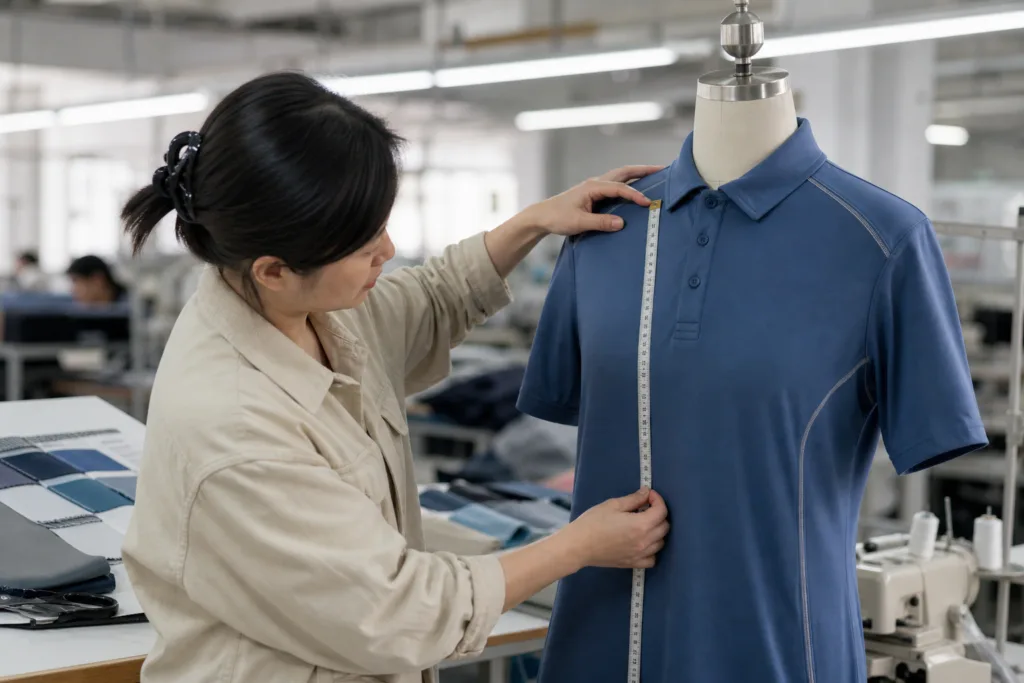
In sampling, the details that look minor on paper can create major issues in bulk. Collar shape, shrinkage, fabric recovery, logo placement, and stitch balance all matter. A golf shirt that feels fine in one size may pull differently in another if the block has not been tested properly.
From the factory side, QC checks should cover color consistency, seam strength, collar stability, and wash performance. For custom golf shirts, the recovery after wear is especially important. A shirt that bags out at the hem or collar quickly loses value, even if the print or embroidery looks good on day one.
Ninghow’s production teams usually advise brands to test both fit and fabric behavior before approving bulk. That small step often prevents expensive corrections later.
Practical Buying Guide for Brands
If you are choosing between custom golf shirts and standard team polos, a simple decision path helps.
- Choose custom golf shirts if the shirt must support swing movement, premium retail, or a performance story.
- Choose standard team polos if the shirt is mainly for uniforms, events, or value-driven group orders.
- Choose both if your brand serves more than one customer type and needs clear product tiers.
- Always compare sample fit, not just fabric photos.
- Ask about MOQ, decoration options, and lead times before you lock the line.
Common Mistakes Brands Make
One common mistake is assuming all polos are interchangeable. They are not. Another mistake is choosing a fabric based only on cost, then discovering it feels too hot, too heavy, or too flimsy in real use. A third mistake is building one fit for every channel, even when the end users are very different.
Brands also sometimes over-spec a team program. They add technical features that buyers do not value, and the product becomes too expensive to sell. Good sourcing is about matching the shirt to the market, not chasing features for their own sake.
Conclusion
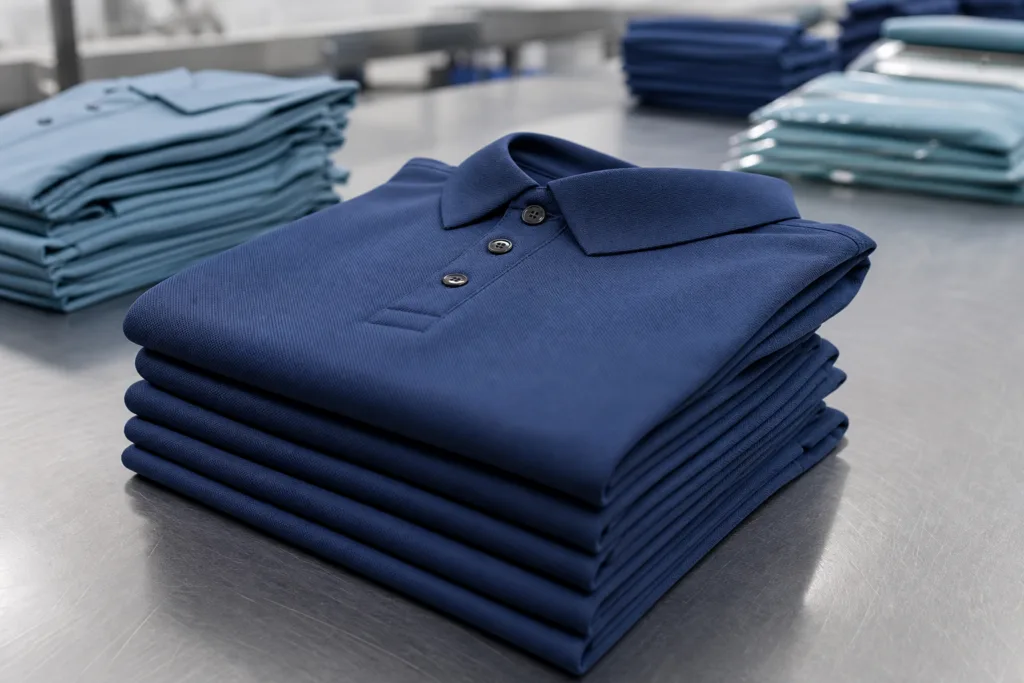
Custom golf shirts and standard team polos serve different business goals. Golf shirts are the better choice when performance, movement, and premium image matter. Team polos are the smarter choice when the order needs broad wearability, easier replenishment, and lower price pressure. The best decision comes from aligning fabric, fit, details, and customer expectations with the actual sales channel.
For brands and sourcing teams, the real question is not which polo is better in general. It is which polo will perform better for the buyer you serve. Once that is clear, product development becomes simpler, pricing becomes cleaner, and bulk production becomes easier to control.
Frequently Asked Questions
Are custom golf shirts always better than team polos?
No. Custom golf shirts are better for performance and premium positioning, while team polos are often better for uniform programs and value-driven orders.
What fabric is best for golf shirts?
Polyester performance blends with stretch and moisture-wicking properties are common because they move well and dry faster.
Can a team polo be used for golf?
Yes, but it may not feel as comfortable during a swing or in hot weather if it lacks stretch and breathability.
Why are golf shirts more expensive?
They often use better fabric, more advanced pattern work, and more detailed trims, which raises material and labor cost.
How should a brand choose between the two?
Start with the buyer and use case. If the shirt supports sport performance or premium retail, choose golf shirts. If it supports uniforms or bulk events, choose team polos.
Do custom golf shirts need special QC?
Yes. Fit recovery, collar stability, color consistency, and seam strength should all be checked carefully before bulk approval.