
Introduction: Private Label Gym Clothing Manufacturer – What Brands Should Expect Before They Start
Entering the world of private label gym clothing can unlock new opportunities for fitness brands, entrepreneurs, and established apparel labels. But before you start your journey with a private label gym clothing manufacturer, it’s crucial to understand each step— from selecting product blanks or custom development, to branding, labeling, MOQ (Minimum Order Quantity), packaging, and timelines. Knowing what to expect helps brands plan with confidence, avoid costly missteps, and achieve a smoother launch.
For a more focused look at production capabilities and category offerings, readers comparing manufacturing options may also want to review understanding private label gym clothing manufacturers. That dedicated resource dives deeper into Ninghow’s scope as a manufacturer and how the private label process is supported from pattern to packaging.
What Is Private Label Gym Clothing Manufacturing?
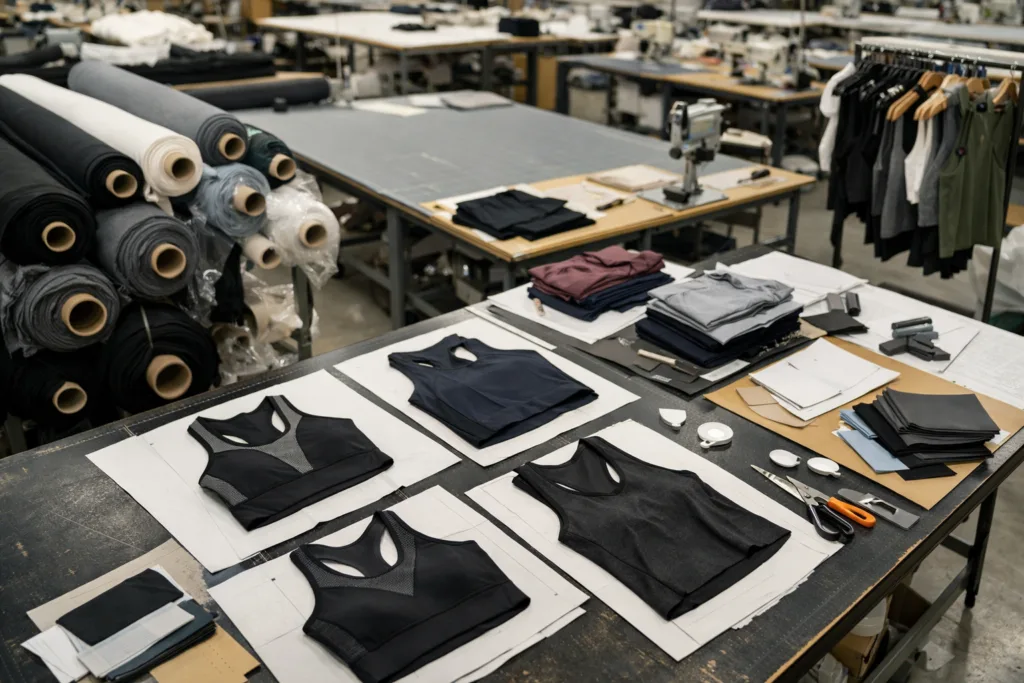
Private label manufacturing means producing ready-made or slightly customized gym wear under your brand name, typically using a manufacturer’s existing product patterns or “blanks.” It sits between white label/OEM (using generic styles) and fully custom (from scratch, with unique patterns and technical packs). For many brands, private label offers a practical way to balance speed, cost, and differentiated branding without the risks of total custom development.
Private Label vs. OEM vs. Custom Manufacturing: Key Differences
Let’s break down the major distinctions between private label, OEM (Original Equipment Manufacturer), and fully custom manufacturing:
| Feature | Private Label | OEM | Full Custom |
|---|---|---|---|
| Base Design | Manufacturer’s pre-set styles | Generic style (often unbranded) | Created from scratch |
| Branding | Brand tag, prints, packaging | Limited, usually swing tags | Flexible, all specs |
| Speed | Faster | Fastest | Slowest |
| MOQ | Mid-range | Typically higher | Usually highest |
| Cost | Cost-effective | Lowest | Highest |
Many brands find private label hits the “sweet spot” between cost, customization, and launch speed— without requiring extensive fashion experience or large capital investment typical of a custom line.
The Private Label Process: Step-by-Step Guide
Concept & Market Research
Every winning gym clothing line starts with a clear concept. Define your target customers: men, women, unisex, high-performance athletes, or general fitness enthusiasts. Research market trends in materials, fits, colors, and styles (think seamless leggings, moisture-wicking tanks, oversized sweats, etc.).
Selecting Blanks vs. Custom Development
Most private label manufacturers offer a range of base styles, or “blanks,” including crop tops, hoodies, shorts, and joggers. You can choose these proven patterns and add your logo and unique branding elements. If you require minor tweaks (changing length, adjusting pocket style), some manufacturers allow semi-custom modifications.
Brands seeking bespoke features or new silhouettes should consider the timeline and cost implications. Extensive changes may shift your project into the realm of full custom development, with higher MOQs and longer lead times.
Fabric Selection: Balancing Performance and Brand Story
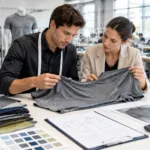
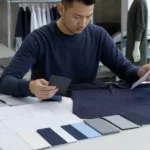
Fabric quality makes or breaks a gym wear line. Private label manufacturers typically stock popular textiles—cotton-poly blends, recycled polyesters, spandex mixes, loopback fleece, and more. Discuss fabric properties such as stretch, weight, moisture management, and hand-feel with your manufacturer’s team.
Insider’s tip: As manufacturers, Ninghow advises brands to consider fabric “honesty”—choose the right textile for your audience, not just what’s trendy. Cheap fabrics may lower cost but diminish durability or comfort. Always request swatches before finalizing.
Branding and Customization Options
Private label excels at making an established pattern your own. Customizations usually include:
- Screen printing, heat transfer, sublimation, or embroidery logos
- Neck and hem tags (woven, printed, or heat-sealed)
- Branded packaging (poly bags, boxes, tissue, swing tags)
- Special trims: zipper pulls, drawcord ends, reflective elements
Discuss with your manufacturer which elements are free, which require upcharges, and which fit your brand vision best.
Tech Pack and Design Approval
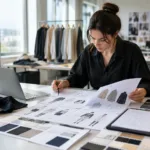
Though true private label uses standard patterns, many manufacturers request a simplified tech pack or annotated mockup. Confirm size charts, print locations, and packaging requests in writing. This is essential to align expectations prior to sampling.
Sampling: Bridging Idea to Finished Product
A production-quality sample is the “proof of concept.” Though this stage adds time and cost, it’s a vital checkpoint for fit, color, stitching, labeling, and logo placement. Brands that skip sampling risk discovering costly flaws only after bulk production starts.
MOQ: Understanding Minimum Order Quantities
Private label MOQs sit between low-volume print-on-demand and high-volume custom production. Most manufacturers set basics at 100–300 pieces per style/ color. Complex branding, special fabrics, or custom packaging may require higher MOQs for economic viability.
Tip: MOQs often refer to style/color, not combined total—plan your line accordingly.
Production Lead Time: What to Expect
From order confirmation to delivery, standard private label production timelines average 25–40 days after sample approval. Factors affecting lead time include:
- Availability of materials and trims
- Order complexity (number of styles, decorations, packaging steps)
- Manufacturer’s production schedule/seasonal workflow
It’s wise to allow an extra 7–14 days for first orders or during peak production seasons.
Quality Control and Final Inspection
Before any shipment leaves the factory, gym clothing must undergo inspection for labeling accuracy, print alignment, stitching quality, fabric flaws, and packaging. Brands should request photo or video updates and, where possible, third-party pre-shipment checks. Manufacturers like Ninghow document and address quality issues in real time, helping brands build long-term trust with their buyers.
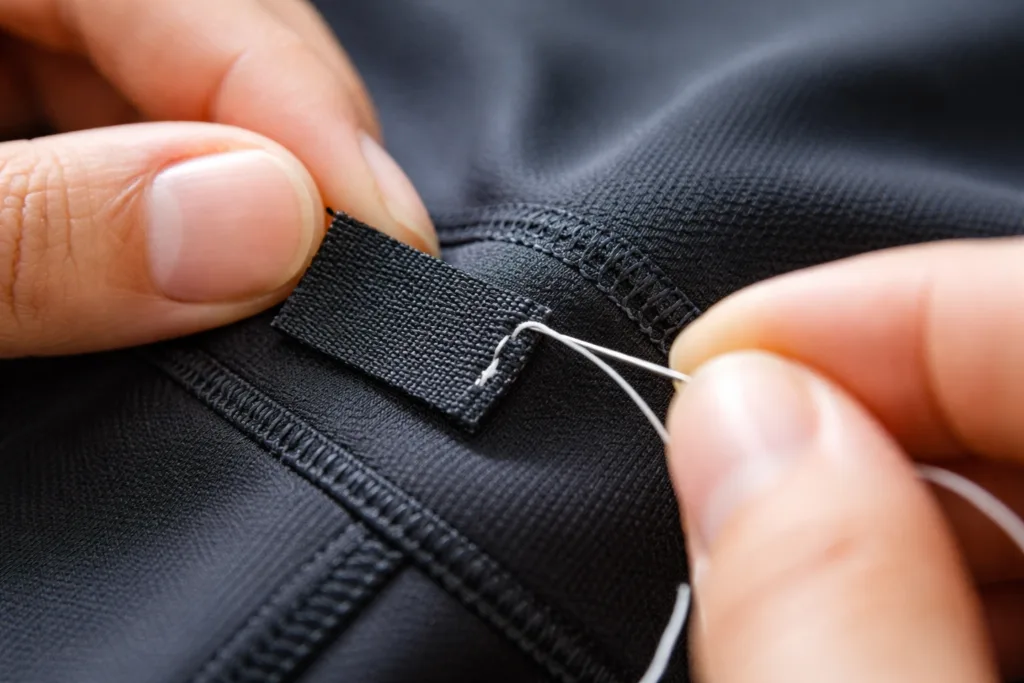
Common Branding and Labeling Options
Private label gym clothing often includes:
- Woven main labels with your logo (inside neck or waistband)
- Printed care labels (with country of origin, size, and wash instructions)
- Sewn-in hem or sleeve logo tags
- Custom swing tags or barcodes for retail readiness
Packing, Distribution, and Shipping
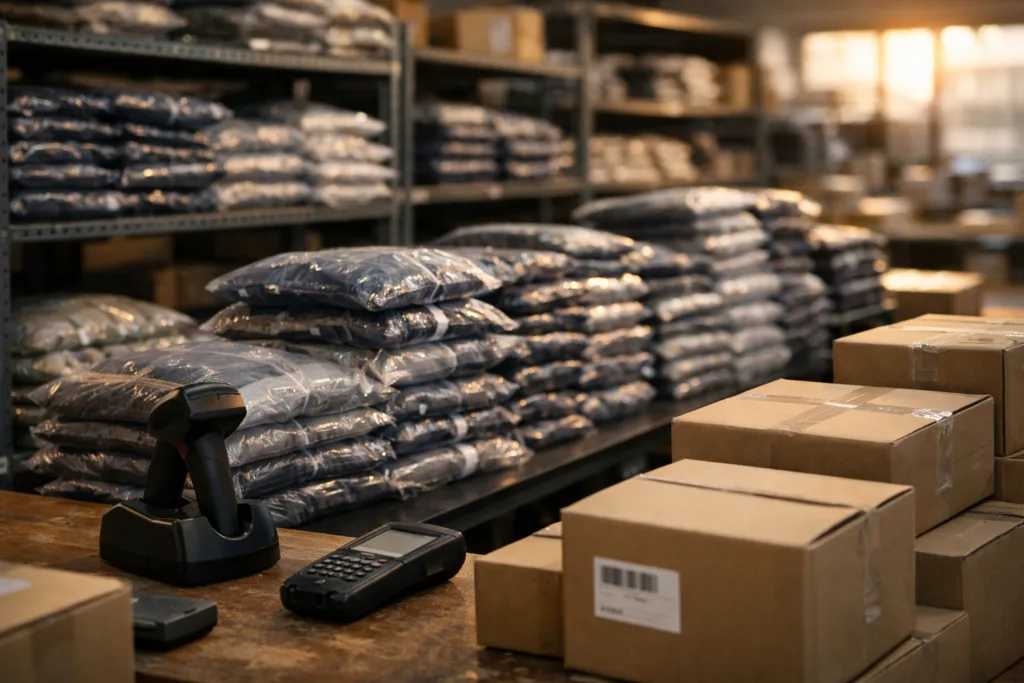
Discuss packing requirements early: individual poly bags, size stickers, tissue wrapping, or custom boxes. Well-planned packaging protects product quality in transit and delivers a polished brand experience to retailers or direct customers.
Timeline: How Long to Launch a Private Label Gym Clothing Line?
Here’s an average timeline for launching your private label activewear collection:
- Design and fabric selection: 1–2 weeks
- Sample creation: 2–3 weeks (includes feedback & revision)
- Bulk production: 4–6 weeks (after approval)
- Packing & quality checks: 1 week
- Freight (air/sea): 1–5 weeks, depending on shipping mode
For new brands, a safe planning range is 9–15 weeks from concept to door, subject to sample revisions and supply chain conditions.
Cost Breakdown: Where Does the Money Go?
Your total investment includes:
- Sample fee (often refundable against order)
- Unit cost per garment
- Labeling and packaging surcharges (if any)
- Logo/artwork setup fees
- Freight and customs
Pro tip: Transparent manufacturers provide detailed quotes upfront, minimizing surprise charges at delivery. Upgrading to organic or recycled fabrics, or adding specialty packaging, will impact final unit costs.
Intellectual Property: Protecting Your Brand
While private label uses standardized base patterns, your logo, artwork, packaging, and branding remain your company’s property. Brands serious about IP should:
- Register logos and trademarks in key markets
- Sign NDAs or supply agreements for design protection
- Keep communications clear on what artwork, trim, and packaging are unique to your line
Working with a Private Label Manufacturer: Practical Tips
Stay organized and communicative— respond promptly to proof requests, material swatches, or artwork confirmations. The more information you provide, the smoother the process. Brands who share clear, visual references decrease the risk of errors at the branding or finishing stage.
It’s also wise to ask your manufacturer for historical lead time data and references from other fitness or sportswear brands.
Scaling Up: When to Move from Private Label to Fully Custom?
Private label supports efficient launches and small-batch testing, but larger and more established brands may need unique patterns, integrated technologies, or signature silhouettes. As your order volume grows, or as you want to own every aspect from fit to fabric development, it makes sense to transition to full custom manufacturing.
Realistic Expectations and Typical Challenges
Every new line faces growing pains. Expect minor delays during first sample rounds, or small tweaks to meet compliance and labeling standards for your target markets. Invest time in each detail—measure twice, order once—especially when expanding style counts or planning a global launch.
PRIVATE LABEL GYM CLOTHING MANUFACTURER: WHAT BRANDS SHOULD EXPECT BEFORE THEY START
Choosing a private label gym clothing manufacturer is about more than price—and much more than adding a logo to an existing product. It means building a long-term collaboration focused on consistency, reliability, and clear communication. By understanding each stage—from selecting blanks and fabrics, through branding, packing, and MOQ decisions—new and scaling brands can take the next steps confidently and minimize costly surprises along the way.
Two More Resources for Private Label Success
Many buyers ask about the trade-offs and best practices for working with foreign vs. domestic factories, or for managing design transfer between categories (e.g., gym clothing to teamwear). To compare approaches and mitigate risks, see our insights on choosing the right gym clothing manufacturer and strategies for launching private label team clothing.
Conclusion
Launching a private label gym clothing line with the right manufacturer combines strategic planning, honest factory collaboration, and attention to detail. By mapping out your process— from concept, blanks, and branding to MOQ and quality control—brands build a foundation for growth and brand loyalty in a competitive market. Start smart, clarify each expectation, and treat your manufacturer as a long-term production partner, not just a supplier.
Frequently Asked Questions
What is the main advantage of private label gym clothing?
Private label lets brands quickly build unique collections by leveraging proven manufacturer patterns with their own logos, trims, and packaging—saving time and reducing development risk compared to fully custom projects.
How does MOQ (Minimum Order Quantity) work for private label?
MOQs usually start around 100–300 pieces per style or color—balancing factory efficiency with manageable inventory levels for new and small brands. Special fabrics or extensive customization may raise this minimum.
How is private label different from OEM?
Private label imports your brand identity onto existing, market-tested designs—while OEM usually covers basic, unbranded products with minimal customization. Private label also supports more packaging and finishing options.
Can brands make fabric or fit changes with private label?
Most manufacturers allow basic tweaks (fit, trims, select fabric swaps), but major modifications shift the process toward full custom manufacturing, requiring bigger orders and longer development timelines.
How long does private label activewear production take?
From sampling to delivery, expect 7–14 weeks for your first order—depending on design complexity, branding elements, and shipping method. Reorders are typically faster once patterns and trims are set.
Are samples necessary for private label production?
Yes. Sampling verifies fit, branding, and material quality before bulk production, reducing the risk of error and facilitating smoother quality control, especially when launching new collections.