







Introduction: Unlocking Oversized Hoodie Manufacturing for Streetwear Brands
Oversized hoodies have become a streetwear staple, merging comfort with bold, relaxed silhouettes that resonate with diverse audiences. For brands seeking to develop and scale oversized hoodie collections, understanding manufacturing logic is crucial—especially when transforming fit trends into reproducible, scalable products. From exaggerated shoulders and chest width to hoodie length and fabric weight, every detail influences both style appeal and production feasibility. This guide draws on real factory experience to demystify the key components of oversized hoodie manufacturing for streetwear brands, providing actionable insights rooted in production reality—not just runway concepts.
For readers comparing manufacturing options or planning sourcing decisions, a useful next step is to explore a comprehensive overview of oversized hoodie options. This page sheds light on category-specific production, fabric selections, customization paths, and manufacturer capabilities relevant to scaling your hoodie line. Reviewing it helps clarify how garment factories approach this product segment and what to expect when moving into bulk manufacturing.
Market Landscape: Why Oversized Hoodies Dominate Streetwear
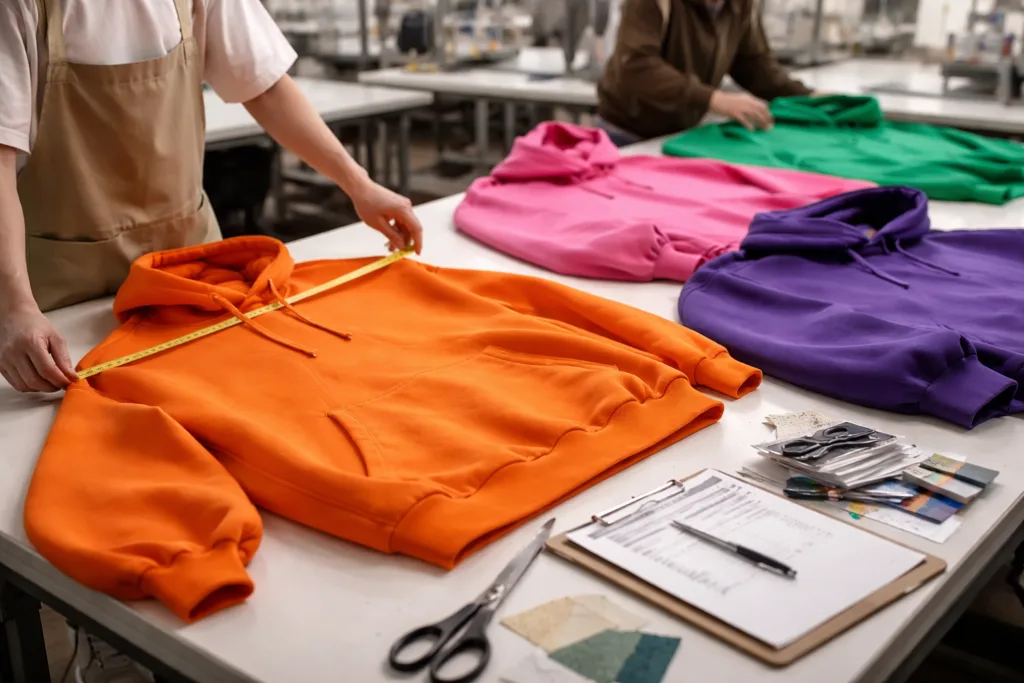
The oversized hoodie, baggy hoodie, and oversized pullover hoodie segment thrives on its adaptability and cultural resonance. From youth-driven urban scenes to mainstream fashion crossovers, these silhouettes are favored not only for aesthetics but also inclusive sizing and comfort. High demand has driven brands to seek scalable, repeatable manufacturing solutions—moving beyond hand-made or boutique variations into mass-producible, quality-controlled garments.
Core Design Variables: What Makes an Oversized Hoodie Streetwear-Ready?
Successful oversized hoodies rely on a combination of pattern engineering, material selection, and proportion logic. Brands must specify:
- Shoulder line placement: Dropped or exaggerated for a slouchy effect.
- Chest and body volume: Increased beyond standard sizing for baggy fits.
- Body length: Slightly longer or intentionally cropped to match brand identity.
- Fabric thickness: 350–450g/m2 fleece or French terry for structure and drape.
- Rib proportions: Wider, heavier cuffs and hem for balance.
- Hood construction: Larger, double-layered, or panelled for visual impact.
Target Audience Mapping: Aligning Fit Choices to Demographics
Oversized hoodie appeal varies across markets. Brand designers should map fit specifics to:
- Youth/teen segment: Prefer extreme baggy fits, bold colors.
- Young adults: Value comfort, minimalism, subtle branding.
- Unisex focus: Adjustable patterns, wide size ranges for inclusivity.
Pattern Engineering: From Concept to Mass Production
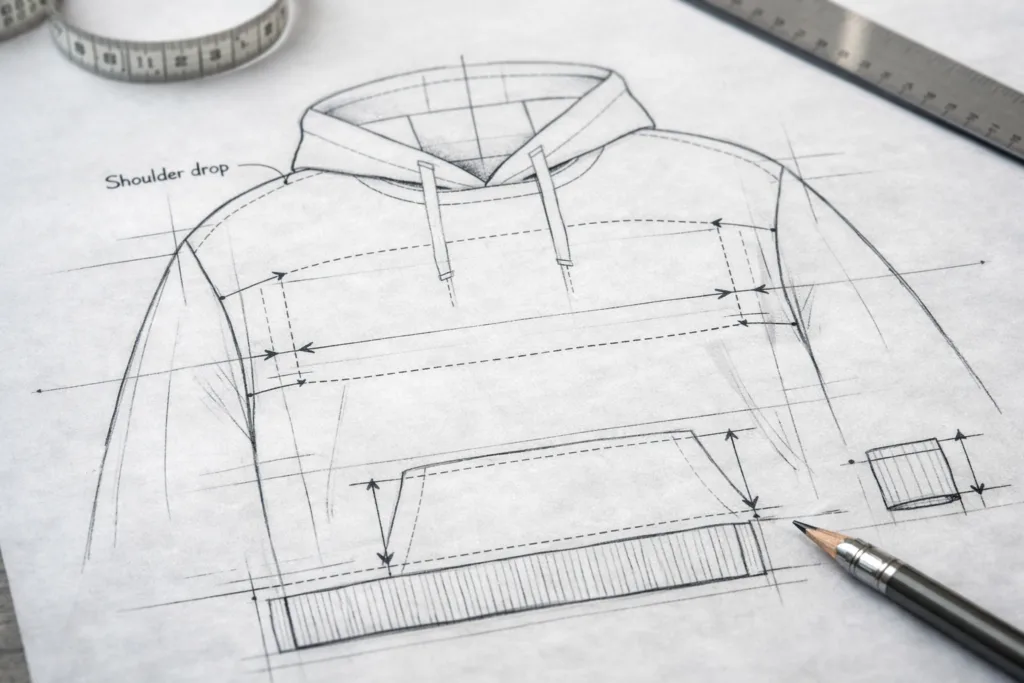
Translating a “wide/loose” design into production means managing grading rules, fit blocks, and tolerances. Ninghow’s manufacturing team, for example, stresses early sampling to test shoulder drop, chest expansion, and sleeve length against real body movement and factory sewing constraints. Brands must balance exaggerated proportions with pattern stability for consistent bulk output.
Shoulder Drop: Technical Details and Brand Differentiation
Shoulder placement makes or breaks the oversized look. Engineering a drop shoulder involves widening the body block, adjusting sleeve angle, and ensuring seams hold under stress. Excessive drop may lead to fit distortion post-wash; moderate drop maximizes both style and wearability.
Chest and Torso Volume: Managing Scale Without Sacrificing Shape
Baggy hoodies are achieved by increasing chest circumference and body width. Manufacturers use blend grading so each size maintains consistent proportions—preventing extra-wide fits that feel shapeless.
| Size | Chest (cm) | Body Width (cm) | Shoulder Drop (cm) |
|---|---|---|---|
| S | 63 | 67 | 8 |
| M | 66 | 70 | 9 |
| L | 69 | 73 | 10 |
Body Length: Balancing Fashion and Function
Oversized hoodies typically run longer than classic models, but some streetwear trends favor a boxy, slightly cropped effect. Brands must coordinate body length with chest volume and sleeve drop for optimally balanced proportions.
Fabric Weight and Construction: Delivering Feel and Structure
Fabric drives both appearance and bulk performance. Premium oversized hoodies often use mid- to heavy-weight loops or brushed fleece (350–480g/m2) for shape retention, drape, and warmth. Lighter weights may compromise structure, especially in wider fits.
Rib Cuffs and Hem: Proportion and Performance Logic
Wider rib trims anchor oversized hoodies, providing visual balance and preventing sleeve/hem flare. Manufacturers prioritize rib knit density and stitch quality to avoid long-term stretching or puckering.
Hood Construction: Maximizing Volume and Comfort
The hood must be engineered to match body proportions—often larger and deeper, sometimes two-panel or double-layered for a dramatic profile. Adjustable drawstring placement, seam reinforcement, and sewing precision ensure both style and durability.
Fabric Selection: Matching Material to Brand Positioning
Choosing between cotton, cotton-poly blends, or specialty recycled fabrics depends on the brand’s identity, sustainability goals, and budget. Fabric choice affects drape, structure, sweat-resistance, and washing durability. For consistent bulk results, manufacturers pre-test fabric shrinkage and colorfastness during sampling.
Color Application: Dyeing, Printing, and Streetwear Impact
Oversized hoodies lean on bold colors, pigment dyeing, or unique print placements. Factory teams coordinate print location, size, and method (screen, DTG, embroidery) based on yarn content and pattern layout to ensure repeatable results in mass production.
Labeling and Branding: Placement, Detail, and QC
Streetwear brands often opt for visible label placement (external patches, custom woven tags) to reinforce identity. Manufacturers manage label attachment sequencing and QC checkpoints to prevent misalignment or damage during bulk sewing.
Quality Control: Pre-Production and Bulk Monitoring
Oversized fits require special QC, including tolerance checks for shoulder width, chest expansion, rib elasticity, and hood construction. Every batch is validated against approved samples so buyers receive consistent garments.
Cost Structure: Material, Labor, and Scaling Factors
Bulk oversized hoodies cost more for material and sewing time than standard models. Larger cut panels, heavier trims, and longer seams drive up both material consumption and production lead times. Brands should budget extra for premium blends and specialty construction.
MOQ and Sizing Range: Manufacturer Expectations
OEM hoodie manufacturers usually set minimum order quantities (MOQs) based on fabric, color, and branding complexity. For oversized designs, wider size ranges may require sub-MOQs for each graduation to ensure smooth production flow. Brands must clarify expected quantities up front.
Sourcing Strategy: Custom Versus Stock Oversized Models
Brands must decide between custom engineered patterns or adapting stock oversized styles. Custom approaches allow precise control but require more sampling and pattern revisions. Stock models speed up development but may limit brand differentiation. For detailed guidance on selecting the best path, see our article on how to choose a custom manufacturer for bulk orders.
Sampling Process: Avoiding Fit and Production Pitfalls
Prototyping an oversized hoodie is essential. Sampling teams test multiple body/sleeve ratios, hood constructions, and rib placements, uncovering pattern issues before committing to bulk. Real production feedback prevents costly mistakes.
Bulk Production Flow: Managing Consistency, Efficiency, and QC
Manufacturers organize oversized hoodie production around batch cutting, specialist sewing teams (rib attachment, heavy fabric management), and staged QC. Accurate pattern grading and stringent inspection help uphold style intent and commercial viability.
Packaging and Delivery: Brand Experience Considerations
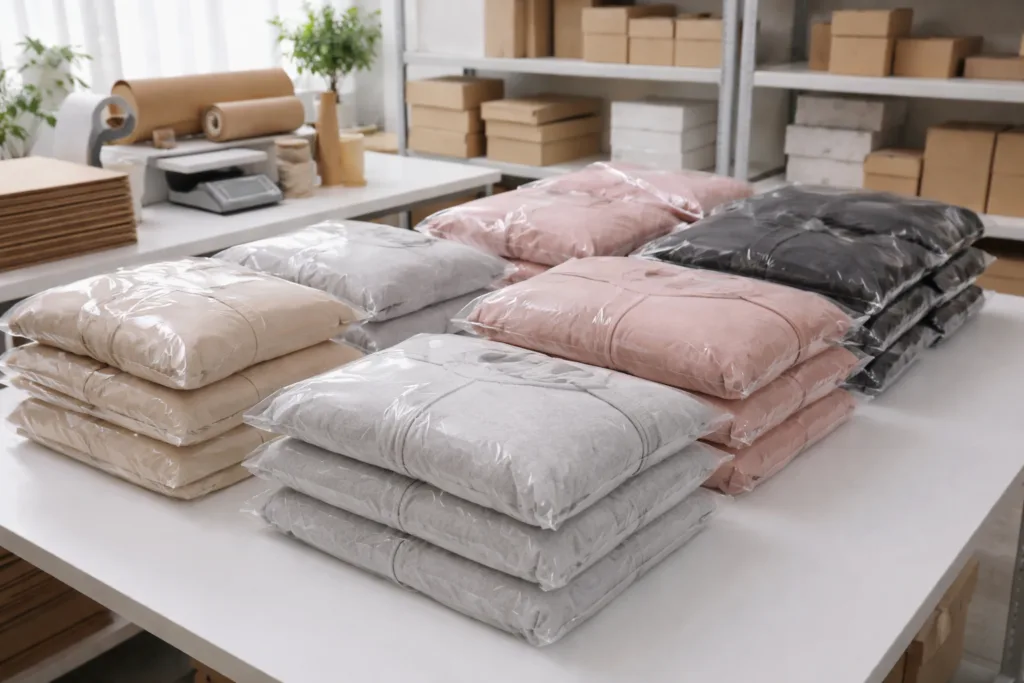
Larger, heavier hoodies require custom packaging to protect shape. Eco-conscious brands may opt for recycled inner bags, minimal branding, or compact folding strategies to suit global shipping requirements.
Industry Trends: Sustainability, Technical Innovation, and Future Fit
Streetwear brands increasingly request recycled fibers, organic cotton, and water-saving dye techniques in oversized hoodies. Factory teams evolve sourcing and technical methods to meet evolving market demands—driving innovation in fit, structure, and finish.
Oversized Hoodie Manufacturer Guide for Streetwear Brands
For brands aiming to turn “wide/loose” concepts into repeat sell-through products, a manufacturer-ready specification includes clear pattern drawings, comprehensive tech packs with silhouette details, fabric references, rib specs, hood engineering notes, and approved color/branding layouts. Collaborating closely during sampling and bulk production ensures both style intent and factory-driven consistency. For further industry insights on how streetwear brands harness community identity through custom hoodies, see custom team hoodies and community identity.
Conclusion: From Trend to Scalable Production—Your Oversized Hoodie Plan
Oversized hoodies aren’t just a trend—they’re a production challenge that brands must master to enable repeat sales, quality assurance, and scalable business growth. By understanding shoulder drop, chest volume, fabric weight, rib proportion, and hood engineering, brands can transform loose concepts into market-ready products. Factory expertise bridges design intent and bulk reality; smart sampling, clear specifications, and precise QC become the foundation. With a manufacturing-first logic, streetwear brands can differentiate and build truly authentic, commercialized oversized hoodies.
Frequently Asked Questions
What is the ideal fabric weight for oversized streetwear hoodies?
Most manufacturers recommend 350–450g/m2 for structure, shape retention, and comfort. This range supports baggy fits and prevents the hoodie from feeling limp.
How do manufacturers ensure consistent oversized fits in bulk production?
Through precise pattern grading, sampling approvals, and batch QC checks, factories maintain shoulder width, chest volume, and sleeve drop as specified in tech packs.
Is it possible to customize rib proportions for branding effect?
Yes, brands often select wider or heavier rib for cuffs and hems, which factories can adjust according to fit targets and visual identity during production.
Can oversized hoodies be made from sustainable or recycled fabrics?
Absolutely—many streetwear brands source organic cotton, recycled poly, or eco-fleece. Manufacturers test these materials for shrinkage and durability before mass production.
How does hood construction change for oversized designs?
Hoods are larger, sometimes double-layered or panelled. Engineering ensures volume matches the body and drawstrings/finishing stay functional in bulk output.
What are typical sample approval steps for oversized hoodies?
Brands and manufacturers review fit samples, check grading, validate rib/hood proportions, test fabric, and conduct wash trials before finalizing bulk orders.