



Understanding the Surge: Why Custom Team Clothing Is Becoming More Important for Modern Brands and Organizations
Custom team clothing is no longer just about uniforms—it’s a visual beacon of unity, professionalism, and brand storytelling. In today’s hyper-connected world, brands and organizations are rethinking how they present themselves, both internally and externally. The move toward branded team apparel is now swayed by much more than aesthetics; it’s being driven by trends in branding, community engagement, and the need for consistent group image. This article explores why custom team clothing is becoming more important for modern brands and organizations, diving into industry shifts, operational impact, and actionable insights every decision-maker needs.
The Growing Influence of Brand Identity in Custom Team Clothing
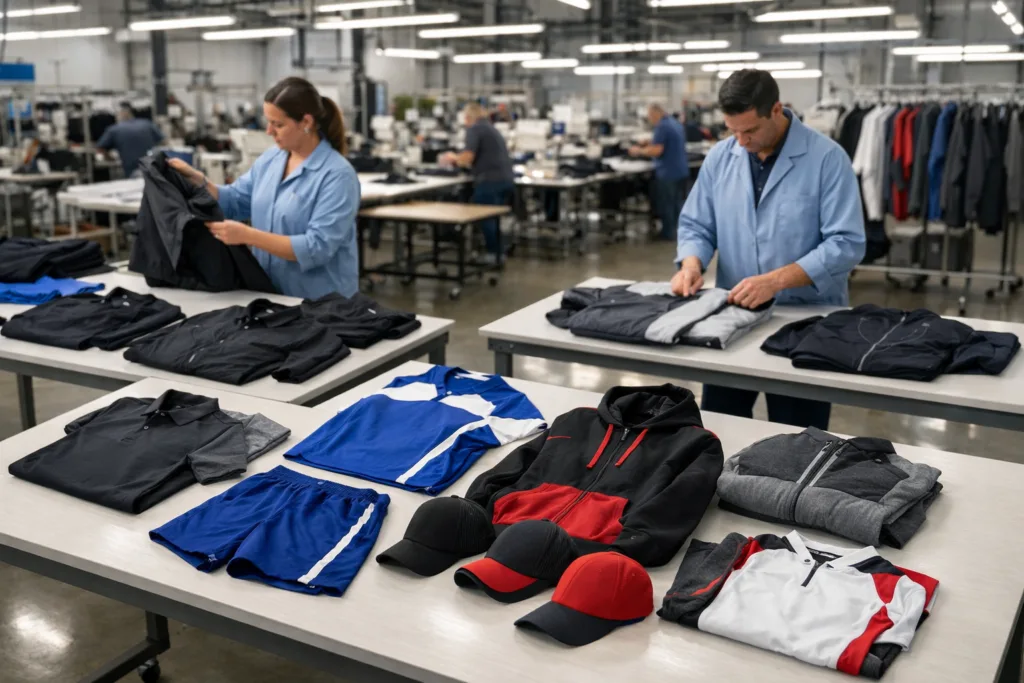
Modern consumers engage with brands that have clear and consistent identities. Custom team clothing is a high-visibility asset that strengthens company culture and external image. By integrating colors, logos, and signature designs, brands translate values into visual experiences. For organizations, this is more than marketing—it’s about aligning employees, clubs, and members around common goals. According to observations from garment manufacturers, even subtle changes in fabric, fit, or detail can send strong brand signals across teams and groups.
Branded Team Apparel: More Than Just Uniforms
Branded team apparel is a modern tool for engagement. Today’s organizations use these garments to foster a sense of belonging, motivate teams, and project a unified image at events or online. From corporate polos to event-specific t-shirts, custom solutions help create a cohesive look that’s hard to ignore. Importantly, corporate team clothing now often extends past the office or shop floor, becoming a part of daily work and digital presence.
Key Trends Driving Custom Team Clothing Adoption
Three key trends push this movement forward:
- Brand-Driven Visibility: Standout teamwear boosts recognition and trust instantly.
- Community-Building Wearables: Clubs, communities, and startups leverage matching attire to signal inclusion and build loyalty.
- Unified Appearance: Consistency fosters professionalism and shows attention to detail—especially where public perception matters.
As organizations grow, so does the need for scalable, brand-right clothing solutions that keep pace with their evolving presence.
Community Power: How Custom Apparel Builds Bonds
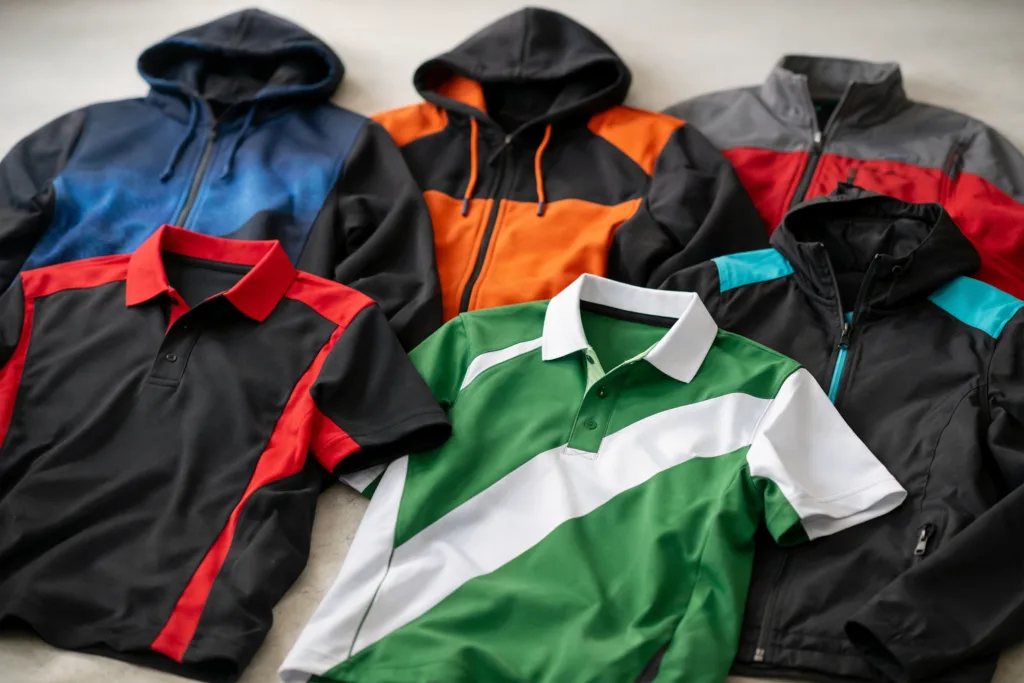
Community is at the core of modern organizations. Shared apparel pieces, from club hoodies to team polos, serve as social tokens. Members identify with each other and with the larger group purpose. For brands, this triggers higher engagement, event participation, and organic promotion. That’s why many choose bulk orders tailored to specific needs, supporting both performance and social fabric of the organization. Practical checkpoints, like judging fabric, stitching, and logo quality, can ensure these items truly represent the brand and last beyond just a single season.
Consistency and Confidence: Achieving a Unified Image
A unified look isn’t just for sports teams. In retail, education, and corporate landscapes, matching apparel can set the tone for collaboration and professionalism. When every team member wears branded clothing, confusion fades, and group confidence rises. On the production side, factories like Ninghow have noticed bulk orders for matching clothing collections—beyond simple t-shirts—are increasing, especially for clubs and corporate events. To get sizing, branding, and budget right each time, organizations need reliable processes and partnerships.
Custom Design: Balancing Creativity and Practicality
Successful custom team clothing projects strike a balance between brand style and real-world comfort. Companies are choosing unique placements for logos, experimenting with seasonal colors, and selecting best-fit fabrics for their climate and usage. Whether for moisture-wicking golf polos or heavyweight hoodies, it’s crucial to understand fabric choice impact, which is why brands turn to detailed guides or factory consultation for true-to-purpose results.
Fabric Selection: A Foundation for Brand and Function
Fabric decisions shape everything from daily comfort to how logos print or embroider. Lightweight blends for summer events, robust cottons for labor staff, and feature-packed synthetics for sports teams are all in demand. Factories emphasize the role of honest fabric assessment to prevent overpriced “premium” promises or quality shortfalls. Organizations should weigh the value of performance properties—like breathability, stretch, and dye fastness—against brand goals.
Fit and Pattern Accuracy: Details That Define Success
Clothing that fits well reinforces professionalism and comfort. Precision in pattern-making and consistency across bulk runs is a practical priority for seasoned manufacturers. Organizations benefit by providing clear sizing data and ensuring their supply partners follow robust measurement protocols. Inconsistent fit can distract from unity—and even a perfect logo can’t make up for awkward sizing.
The Role of Customization Technology in Apparel Accuracy
Technology like automated cutting, digital pattern grading, and sample approval platforms are making bulk teamwear more accurate and repeatable. Today’s brands can experiment at sampling stage, receive digital proofs, and finally roll out production only after approvals. Quick sampling and transparent communication speed things up—providing a safety net for even the most detailed designs. As the global market demands flexibility, these advances help organizations deliver on both timelines and quality expectations.
Effective Branding Elements: Logos, Labels, and Creative Touches
Beyond the basic logo, organizations now use custom labels, packaging, and color-matched trims to elevate their apparel. These subtle details boost perceived value and can turn simple clothing into a sought-after brand item. Adding custom labels, for example, supports signature branding without add-on complexity—so long as technical and color accuracy checks are not bypassed. Similarly, choosing the right logo method, whether embroidery, printing, or heat transfer, will affect the feel, durability, and look of each piece.
From Sampling to Full Production: Reducing Risks
Early sampling in apparel lets teams spot issues in design, fit, or color before full production. Reliable manufacturers focus on sample approval as a built-in risk reduction tool: what you see in the sample, you can expect in the bulk delivery. This step is crucial when custom elements or precise matching are required. As with all complex garments, dedicated sample runs may add initial cost but save substantial time and embarrassment by preventing mass production mishaps.
Quality Control in the Teamwear Manufacturing Process
Consistent quality management is fundamental. Factories use multi-point inspection, from fabric input to final packing, to ensure durability and correct branding. For organizations, demanding clear standards and inspecting crucial details—like secure stitching, right-sized patterns, and accurate logos—pays off in team confidence and longer garment lifespans. A robust quality approach can reveal weak links before they reach the customer, building positive impressions long after delivery.
Supply Chain Stability and Apparel Lead Times
Fast, reliable lead times are vital for event-driven organizations and scheduled releases. Apparel supply chains are only as strong as their weakest link; issues with ports, fabric, or transportation can disrupt even the best brands. Brands should understand regional realities (for instance, how lead times differ in China vs. other countries) and prioritize manufacturers with established supply networks. Proactive planning prevents disappointed teams and helps keep launches on schedule.
Managing Bulk Order Sizing and Budget Challenges
Even seemingly simple tasks, like planning bulk order sizing, can introduce challenges. Brands should gather member data well before kick-off, check with their partners about the available size range, and use proven strategies for smarter, risk-adjusted quantity planning. Clear, early decisions help prevent costly size swap demands after delivery.
Sustainable and Ethical Manufacturing in Team Clothing
Modern organizations are demanding more than just style—they ask for sustainable sourcing, fair labor, and transparency. Manufacturers that can offer recycled fabrics, certified dye processes, or clear labor standards help enhance brand reputation. For many teams and communities, these priorities are part of the new definition of professionalism and integrity.
Platform and Event Success: The Impact of Custom Apparel
For clubs, start-up teams, and event organizers, matching apparel is a tool for seamless platform launches or unforgettable gatherings. Rapid sampling, event-specific edits, and on-time delivery can be make or break. Some organizations use teamwear collections as part of brand activation, while others see staff engagement and social buzz increase simply from coordinated group photos or online presence.
Corporate and Club Use Cases: Real-World Examples
Whether it’s for a tech company’s annual summit, a golf club outing, or a new membership drive, custom team clothing has a practical role to play:
- Corporate Events: Streamlined polos, jackets, or vests boost professional presence and team morale.
- Educational Institutions: Team t-shirts foster campus unity, while careful design can avoid common sizing pitfalls.
- Community Organizations: Shared apparel makes groups more visible and accessible to the public.
Challenges: Common Pitfalls and How to Avoid Them
Poor fit, weak fabric, or sloppy stitching can ruin even the best branding intent. Delays in sampling, overlooked customization checks, and supply chain snags can all derail bulk orders. Manufacturers like Ninghow recommend organizations set clear quality control standards, choose experienced partners, and always approve a physical sample before scaling up production.
Why Custom Team Clothing Is Becoming More Important for Modern Brands and Organizations
What’s changing? Only a few years ago, bulk teamwear was seen as an afterthought—now, it’s a strategic brand asset. Custom team clothing is being pulled into the center of brand, event, and club strategies. The movement toward branded apparel responds to rising expectations for professionalism, community spirit, and visual consistency. With today’s technology, flexible supply options, and rising focus on sustainable choices, modern organizations can use team clothing to both solve real business needs and reinforce their identity—inside and out.
Conclusion: Embracing the Power of Custom Team Clothing for the Future
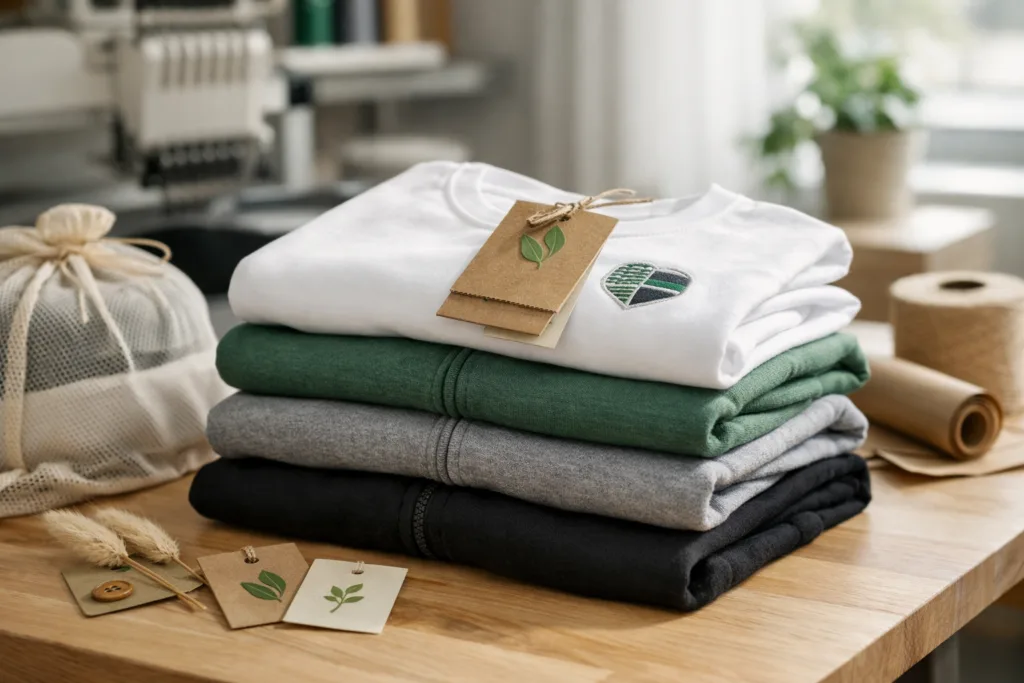
Custom team clothing now plays a central role in shaping brand identity, uniting communities, and making modern organizations more visible and credible. From design to delivery, the process requires smart choices about fabric, fit, and manufacturing partners. Staying ahead of custom team clothing trends and branded team apparel can give any organization the edge it needs—whether in the boardroom, on the field, or at the next big event.
Frequently Asked Questions
How does custom team clothing help brand identity?
Custom attire consistently represents the brand, builds recognition, and makes teams stand out at events, in media, and on digital platforms.
What are important factors in choosing team apparel fabrics?
Prioritize comfort, performance needs, color fastness, climate suitability, durability, and how well the fabric holds branding elements.
How does team clothing improve unity?
Matching attire creates a strong sense of belonging, boosts morale, and aligns group members with shared goals and brand values.
How early should you start planning a bulk teamwear order?
Start 2-3 months in advance to allow for design, sampling, approvals, and smooth production, especially if event deadlines are involved.
What customization mistakes should organizations avoid?
Common pitfalls include unclear sizing info, skipping sample approval, choosing poor-quality fabrics, and underestimating branding placement impact.
Is sustainable team apparel possible for organizations?
Yes. Many suppliers now offer options like recycled fabrics, low-impact dyes, and transparent sourcing for organizations with sustainability goals.