



Introduction: Why Sports Team Apparel Manufacturing Matters
Sports team apparel manufacturing is far more than just sewing vibrant uniforms. It’s about balancing comfort, team identity, and durability to ensure peak performance. Modern athletic competitions demand clothing that supports players’ movements, manages sweat, and visually unifies teams. From grassroots clubs to professional squads, the choices made in fabric, fit, and design become a reflection of team pride and discipline every time athletes take the field.
The Role of Comfort in Teamwear
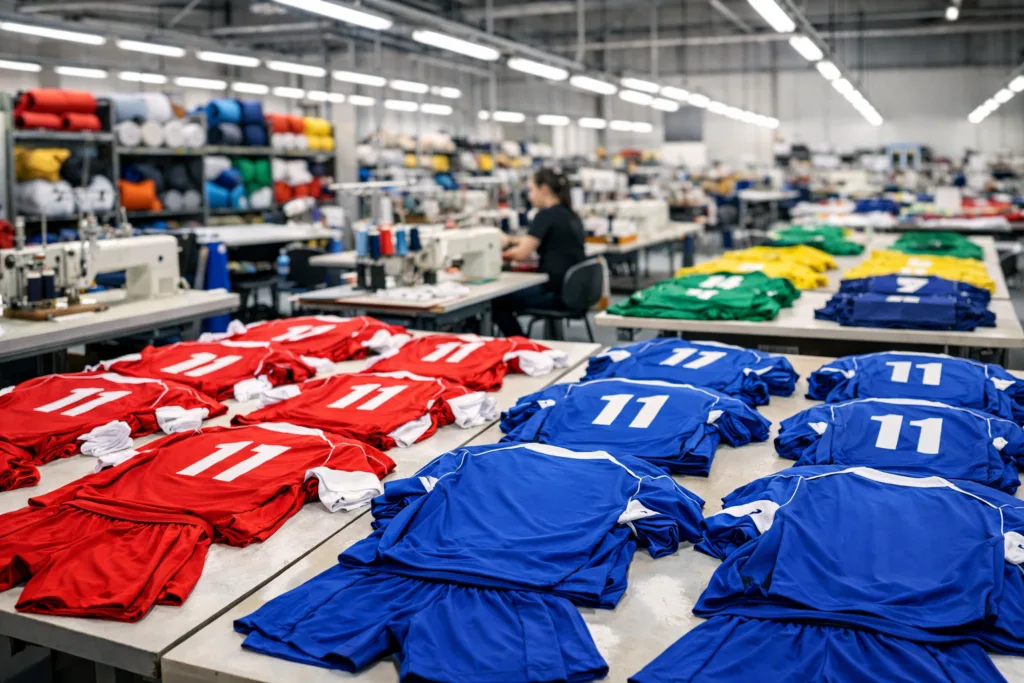
Comfort is paramount in sportswear. No matter how impressive a uniform looks, if it chafes, overheats, or limits mobility, athletes’ focus and performance suffer. Seam placement, moisture-wicking materials, and smart patterning all work together to deliver that “second skin” feel. For outdoor sports or intense training, good ventilation and quick-drying fabrics can make a noticeable difference after just a few minutes of play.
Why Team Identity Goes Beyond Colors and Logos
Uniforms instantly shape team identity. Beyond promoting a sense of unity, they serve a practical purpose—making it easy to spot and support teammates on the field. Details like coordinated color palettes and precisely applied logos, as explored in Team Apparel Colors that WOW: The Essential Guide for Stronger Branding, bring a club’s values and spirit to life.
Key Features for Movement and Performance
Apparel should never restrict an athlete’s range of motion. That’s why pattern engineers focus on gusseted seams, ergonomic fits, and elastic fabrics. Choosing between cotton and performance synthetics often means trading off pure comfort for durability and stretch. Smart teams and brands test samples on multiple body types and in real movement scenarios before finalizing any cut or style.
The Importance of Breathability and Moisture Management
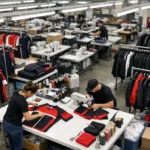
Heavy sweat and long matches test the limits of any sports apparel. Breathable mesh inserts, sweat-wicking finishes, and quick-drying blends are all tricks manufacturers use. For example, Ninghow’s production line inspects every fabric batch for airflow and absorbency before cutting bulk uniforms, ensuring high-stress zones never become a distraction mid-game.
Fabric Choices: Natural, Synthetic, or Blended?
Should you choose natural fibers for softness, synthetics for resilience, or a blend for the middle ground? Comparing polyester, cotton, bamboo, and technical blends, clubs must weigh cost, feel, and performance. Today’s top choices often combine eco-conscious recycled materials with just enough stretch to maximize comfort during repeated wash and wear cycles.
Durability: Surviving Training, Matches, and the Wash
Durability isn’t just about tough seams; it’s about fabric strength, fade resistance, and logo longevity. Uniforms face more abrasion and laundry cycles than almost any other apparel. Choose double-needle stitching, strong thread, and proven logo methods, as discussed in Embroidery, Printing, or Heat Transfer: Which Logo Method Is Best for Team Clothing?, to keep kits sharp and cohesive all season.
Customization and Branding for Teams
Modern sportswear manufacturing offers almost endless customization, from collar shapes to custom labels and care tags. Signature branding, as outlined in Unlock Signature Branding: 17 Ways Custom Labels and Packaging Elevate Every Team Apparel Order, isn’t just about looks—it helps teams build an enduring image that resonates with fans and sponsors alike.
Pattern Development and Sizing Consistency
Proper sizing is crucial to team unity. Off-size uniforms can ruin the professional look and even hinder athletic performance. Manufacturers like Ninghow use biometric data, fit sampling, and digital pattern grading to ensure every batch, whether for junior teams or adults, fits predictably and comfortably across all body types.
Logo Application: Choosing the Right Method
Logos aren’t just decorations—they communicate identity at a glance, both on and off the field. The right method (embroidery, screen print, or heat transfer) depends on fabric, expected wear, and design complexity. High-grade heat transfers, for example, can replicate even the most intricate crests without stiffening the garment or risking post-wash peeling.
Uniform Visual Consistency: The Psychology of Teamwear
There’s more power in a coordinated appearance than most teams realize. Consistent visual elements create a psychological edge, signaling discipline to both crowds and competitors. From the stripes on a soccer kit to the matching trims on a running top, manufacturers help guide clubs toward designs that balance tradition with modern appeal.
Production Sample Approval: Why Pre-Production Checks Matter
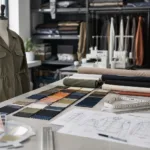
No digital proof replaces a hands-on sample. Before production, clothing manufacturers send physical prototypes for checking color, fit, and logo placement. Smart teams don’t just inspect—with full movement tests, they catch hotspots or chafing while there’s still time to tweak patterns or fabrics.
Managing Orders: Lead Times and Bulk Quantities
Timing matters. Secure suppliers with a record for on-schedule delivery—especially during peak seasons. Production runs for sports team apparel often range from a few dozen to several hundred pieces. Planning well in advance helps prevent costly rush orders and supply hiccups.
Quality Control in Sports Team Apparel Manufacturing
Inspection is about more than spot-checking. Manufacturers assess seam integrity, label accuracy, and even how reflective trims perform under stadium lights. It’s this thoroughness that separates seasoned partners from unreliable newcomers.
Sustainability and Eco-Friendly Options in Teamwear
Many teams are choosing recycled polyester or organic cotton for a lighter environmental footprint. Certified eco-friendly fabrics now deliver the same fit and performance as traditional materials, making green choices practical and affordable for brand-forward clubs.
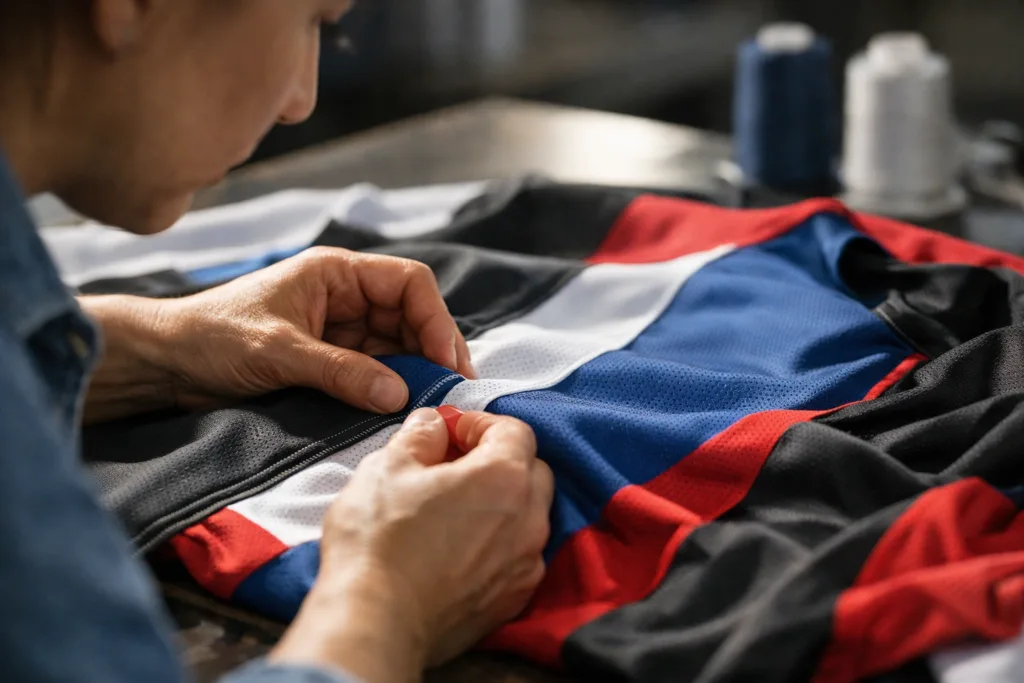
Fit, Activity, and Performance: Why One Size Doesn’t Fit All
Basketball jerseys, cycling kits, and soccer shirts each face distinct movement demands and climate challenges. The design process, from cut to fabric, must factor in how each sport is played. In practice, this could mean adding four-way stretch for volleyball spikers or reinforced knees for soccer shorts.
Bulk Orders for Clubs and Leagues: Typical Pitfalls
Ordering in volume can cut costs but increases risk. Common pitfalls include size mix miscalculations, inconsistent branding, or miscommunication about deadlines. As shown in Bulk Teamwear Production: Overcoming Common Pitfalls with Practical Solutions, careful planning and clear workflows are essential.
Case Study: How Attention to Detail Unifies Teams
When an amateur football club invested in coordinated uniforms—right down to personalized neck labels and matched trims—club spirit and on-field confidence soared. Fans noticed, and sponsors felt proud to be associated with such polished, cohesive branding.
Emerging Trends: Smart Fabrics and Digital Integration
Tomorrow’s teamwear could feature integrated NFC chips for real-time health tracking, or anti-bacterial finishes requiring less frequent washing. These innovations will keep evolving, but the priorities of comfort, identity, and durability remain unchanged.
Packing, Labelling, and Delivery for Teams
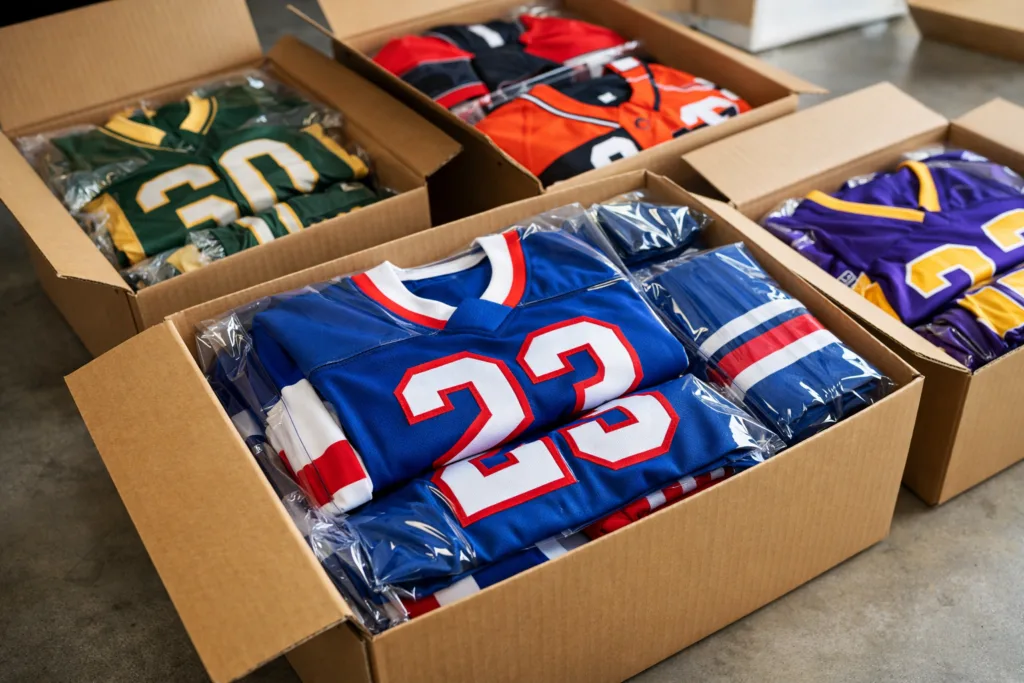
Nothing is more frustrating than a shipment arriving with missing or mixed-up kits. Precision labeling, individualized packaging for bulk orders, and real-time shipping updates are now standard practice among reputable manufacturers.
The Impact of Design on Team Unity and Morale
The confidence that comes from wearing a well-fitted, thoughtfully designed uniform can’t be overstated. When players walk onto the pitch looking—and feeling—like a true team, performance and unity are both boosted.
Sports Team Apparel Manufacturing: Balancing Comfort, Identity, and Durability
The most successful sports team apparel manufacturers know how to bring these elements together. Their job isn’t just to supply uniforms—it’s to solve practical problems for coaches, athletes, and brand managers alike. With competition intensifying and fans expecting more, the pressure to get every detail right has never been higher.
Choosing the Right Sports Team Apparel Manufacturer
Evaluating a manufacturer’s track record, sample process, communication, and problem-solving ability is as critical as picking the right fabric. Look for transparency and practical experience in handling complex team orders, not just glossy catalogs.
The Future of Team Apparel: Balancing Innovation and Tradition
Hybrid manufacturing—combing modern digital tools with traditional methods—looks set to shape the coming years. Yet, the core goals remain timeless: comfortable fit, sharp identity, and gear built to withstand every high-stakes moment.
Conclusion: Bringing It All Together for Athletes, Clubs, and Fans
Great sports team apparel manufacturing makes a difference on every level. Coaches value hassle-free sourcing, athletes appreciate performance and fit, and fans recognize a unified, professional image. Getting comfort, identity, and durability aligned is both an art and a science that demands genuine expertise. For teams and brands aiming for the next level, paying attention to every stitch, seam, and detail pays off in spirit, pride, and lasting performance.
Frequently Asked Questions
What fabrics are best for sports team apparel?
Performance synthetics (like polyester blends) are often best for moisture management, durability, and stretch, though natural fibers offer extra comfort and eco-friendliness.
How can teams ensure visual consistency in uniforms?
Work closely with your manufacturer for color matching, logo proofing, and pre-production sample approval to avoid inconsistency in bulk orders.
What’s the difference between screen printing, heat transfer, and embroidery?
Screen prints offer vivid colors for large areas, heat transfers handle complex logos with a smooth feel, while embroidery gives a premium, textured look but works best on heavier fabrics.
How long does it take to produce custom sports uniforms?
Production lead times can range from 2 to 8 weeks, depending on order volume, season, and design complexity. Plan ahead to avoid rush surcharges.
Are eco-friendly sportswear options as durable as traditional materials?
Yes, certified recycled and organic fabrics now rival or even surpass traditional synthetics for durability, washability, and comfort in athletic situations.
How does manufacturer experience impact final quality?
Experienced manufacturers catch design issues early, maintain sizing and color consistency, and deliver on time, reducing costly mistakes or delays for teams and clubs.