

Introduction: Choosing the Right Logo Method for Team Clothing
When you’re sourcing custom team apparel, the choice between embroidery, printing, and heat transfer can make or break your brand image and the gear’s performance. With so many technical details, price points, and varying fabric needs, how do you decide which logo method is best for team clothing? This guide breaks down the main logo application processes, explores their pros, cons, and nuances, and arms you with insider manufacturing insight to help you select with confidence.
How Team Clothing Logos Are Made
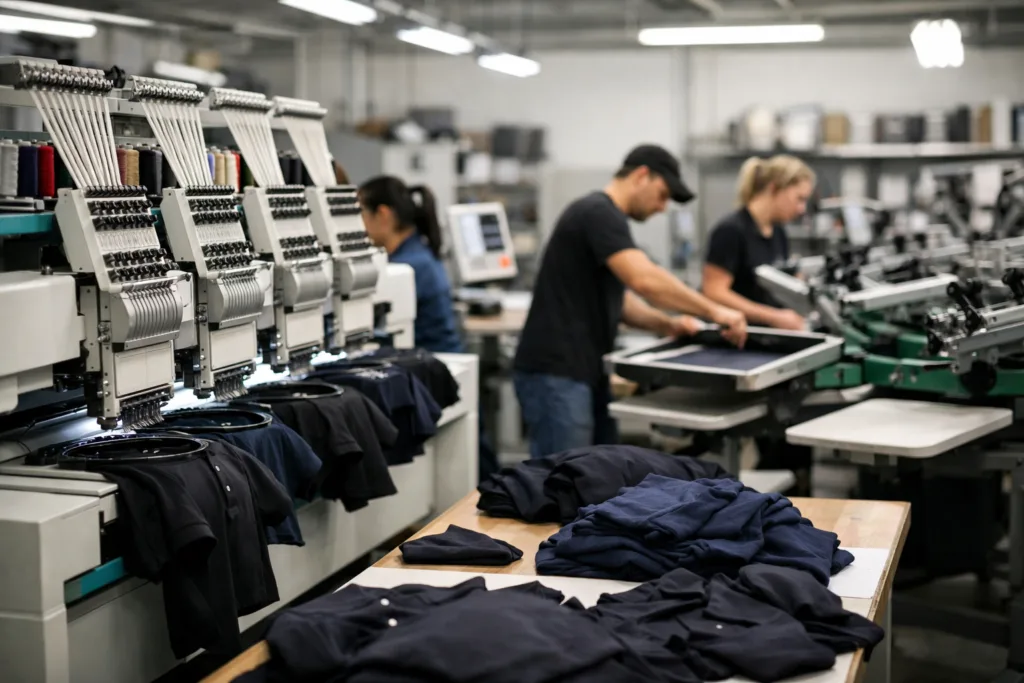
Embroidering, printing, or heat transferring a logo is never one-size-fits-all. Each technique involves specific machines, materials, and a fit for certain fabrics. In teamwear manufacturing, early sampling and prototyping help brands see, feel, and test each option before full-scale production. Running logo tests on base fabric is especially critical if you’re ordering in bulk quantities—this ensures logos hold up to real-world wear and laundering.
What Impacts Your Logo Method Choice?
Key factors shaping your decision include the fabric type (cotton, polyester, blends), desired effect (dimensional, vivid, subtle), durability expectations, order volume, and budget constraints. For expert-level advice, you can explore the practical solutions for bulk teamwear production to minimize rework or fit issues during bulk logo application.
Deep Dive: Logo Application Methods Explained
Embroidery: The Classic, Textured Choice
Embroidery uses computer-controlled sewing machines to stitch durable, raised threads into fabric. It’s valued for a premium, tactile feel and is especially favored for polo shirts, hats, and heavy hoodies. However, it doesn’t suit all fabric weights or logo designs—fine lines or gradient artwork can be challenging.
Printing: Direct-to-Garment (DTG) and Screen Printing
Printing directly applies ink to the garment, allowing almost limitless color and detail. Screen printing is ideal for simple logos in bulk and works on a broad range of fabrics, while DTG enables photo-level quality but typically is for smaller runs. For those curious about production step-by-step, here’s a complete breakdown of custom apparel manufacturing steps including printing phases and QC checks.
Heat Transfer: Flexibility Meets Modern Tech
Heat transfer logos are produced by bonding special films or pre-printed images to fabric using heat and pressure. This method supports intricate designs, gradients, numbers, and variable data—perfect for names or small-batch teamwear. It works well on stretchy, synthetic fabrics and offers a moderate price point, though lifespans may depend on wash care and transfer quality.
Fabric Compatibility: Which Methods Suit Which Garments?
| Method | Compatible Fabrics | Notes |
|---|---|---|
| Embroidery | Cotton, poly-cotton blends, heavy polyester, fleece | Avoid thin/stretchy knits; can pucker lightweight fabrics. |
| Screen Printing | Almost all except waterproof or highly textured | Best for flat surfaces and larger print areas. |
| Direct-to-Garment (DTG) | 100% cotton, high-quality blends | Not as vibrant on dark or synthetic fabrics. |
| Heat Transfer | Polyester, sports fabrics, cottons | Excellent for stretch/athleisure; don’t iron over logos. |
Effect and Appearance: What You See And Feel
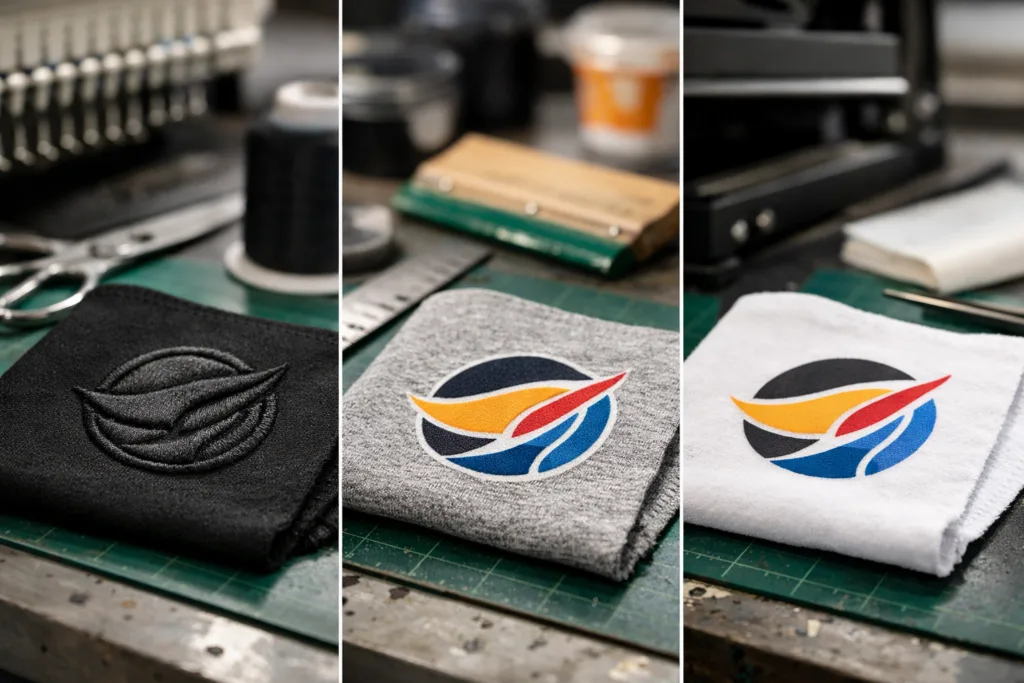
Embroidery gives a raised, tactile look, adding depth and a sense of luxury. Printing can be as subtle as a soft, integrated graphic or as bold as a neon pop—depending on ink and method. Heat transfers often have a thin, plasticky feel but can mimic specialty effects like metallics, flock, or 3D prints. For reference, teams seeking a vibrant color display often lean into digital or screen printing, while organizations prioritizing classic, sharp branding choose embroidery.
Durability: How Long Will Logos Last?
Logo life depends on the intersection of method, fabric, care, and manufacturing quality. Embroidery often outlasts the garment. Printing durability ranges: plastisol screen prints can endure hundreds of washes, while lower-quality DTG or transfers may fade or crack. Working with an experienced manufacturer can prevent skip stitches, poor bonding, or ghosting. As noted by many in the field, real QC in logo finishing is non-negotiable.
Cost Breakdown: Getting What You Pay For
| Method | Typical Base Cost | Cost Factors | Volume Efficiency |
|---|---|---|---|
| Embroidery | High | Stitch count, size, thread color changes | Best for medium-bulk; setup charge |
| Screen Printing | Medium-Low | Color count, prep, print size | Very cost-efficient at bulk |
| DTG Printing | Medium | Garment color, print area, run size | Suited to small runs |
| Heat Transfer | Medium | Film type, coverage area, labor | Flexible for low/high variable orders |
Environmental and Care Considerations
Screen print inks, film types, and thread sources can each impact sustainability. Water-based ink printing, GRS- or OEKO-TEX-certified threads, and recycled transfer films are all gaining in popularity. Proper care (gentle wash, air dry) greatly improves logo life for all methods. If minimizing environmental footprint is your priority, you’ll appreciate practical steps for sustainable clothing manufacturing in team orders.
When to Choose Embroidery
Choose embroidery if your fabric is thick, your logo uses bold lines, and you want a high-end, durable finish. It’s a favorite for polos, caps, hoodies, and jackets—especially when team branding must pop at events or when garments are handled frequently. Embroidery also resists fading from sun and repeated washes.
When to Choose Printing
Printing excels for large, bold designs with lots of color or detail. It is ideal for T-shirts, sports jerseys, training gear, and casual teamwear. Screen printing offers unbeatable value for orders of 100 units and up; digital (DTG) shines for small batches or full-color graphics.
When to Choose Heat Transfer
Opt for heat transfer when individual names or numbers are needed, for short runs, or for polyester-heavy items like sportswear and training kits. It’s also useful for rush jobs due to fast setup and little mess, though quality hinges on proper film and heat control. Some premium transfers can mimic embroidery or specialty textures.
Common Mistakes and Troubleshooting
Poor selection or communication leads to cracking, puckering, fading, or even logo detachment. Avoid small, thin logos for embroidery on coarse fabrics. Screen prints require full drying/curing to avoid premature cracking. For heat transfer, test film adherence and elasticity on actual garment samples pre-production—especially for highly elastic or specialty materials.
Ninghow’s Factory Perspective: Real Production Realities
In line with actual garment production, Ninghow recommends at least one pre-production sample for every logo/fabric combination—especially for new artwork or base fabrics. A fit, placement, and wash-test round can reveal issues that even experienced buyers miss, ensuring your chosen method looks sharp from the first bulk order to the last. Heed feedback from needle, ink, or heat press operators; their experience can prevent time-consuming and costly mistakes in bulk runs.
Regional and Quantity Factors: Bulk vs. Small Batch Decisions
For international teams, logo application may influence sourcing location or partner. Volume also shapes the most cost-effective method: embroidery and screen printing win by economy of scale, heat transfer and DTG by flexibility. Referring to essential questions sourcing pros never skip before bulk orders can help clarify priorities and avoid delays or unexpected costs.
Which Logo Method Is Best for Team Clothing?
The question comes full circle! There’s no universally “best” logo method—it’s about matching your priorities. Embroidery wins for heavy-duty, classic looks. Printing delivers for color, scale, and value on casual items. Heat transfer leads with flexibility when personalization is key. Your choices should fit the reality of sampled tests, fabric science, care expectations, and, of course, budget. Smart buyers partner early with manufacturers to clarify options before committing to bulk orders.
Conclusion: Making the Smart Choice for Teamwear Branding
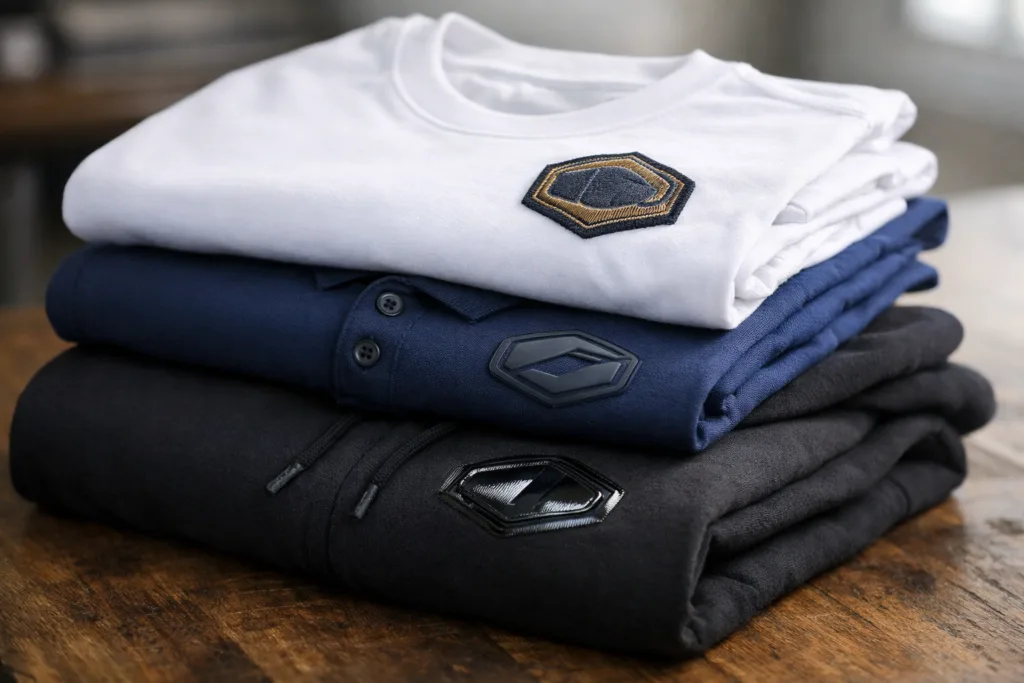
Understanding the ins-and-outs of embroidery, printing, and heat transfer helps you avoid rookie mistakes, manage costs, and elevate your team’s visual identity in every setting—from big tournaments to casual meet-ups. Careful sampling, attention to fabric, and a rock-solid partnership with your garment manufacturer can keep your logo looking sharp and professional, wash after wash.
Frequently Asked Questions
Which logo method is most durable for sports teams?
Embroidery often provides the highest durability for logos that will be stretched, washed, and worn heavily, especially on thicker fabrics or outerwear.
Is screen printing or heat transfer better for synthetic sportswear?
Heat transfer is generally better suited for polyester and sports fabrics due to its flexibility, while screen printing works for most flat synthetics but may crack over time on stretchy knits.
Can you print detailed, multi-color logos on any fabric?
Direct-to-garment (DTG) printing handles complex, colorful artwork best on cotton or high-cotton blends but is not as vivid or durable on polyester. Specialty inks or transfers may fill the gap.
What is the best logo method for small batch team apparel orders?
Heat transfer and digital printing (DTG) are most cost-effective and flexible for small batches with variable designs, names, or numbers.
Do embroidered logos fade with washing?
High-quality embroidery usually resists fading and lasts longer than the garment itself, provided threads and base fabrics are durable and colorfast.
How can buyers make sure their logo will look good on the finished teamwear?
Always request pre-production samples or test swatches to check logo size, color accuracy, placement, and finish before proceeding to bulk production.