



Understanding Low MOQ Team Clothing
Low MOQ team clothing and custom team apparel have become buzzwords for small sports clubs, new apparel startups, and brands wanting to test the waters before diving into large commitments. MOQ, which stands for Minimum Order Quantity, directly influences your ability to customize designs, control costs, and reduce risk—especially for those without the scale of national sports teams or big athletic brands. But what does it mean in practice? Let’s unpack the essentials so you know exactly what to expect before ordering low MOQ team clothing for your project.
What Does Low MOQ Actually Mean?
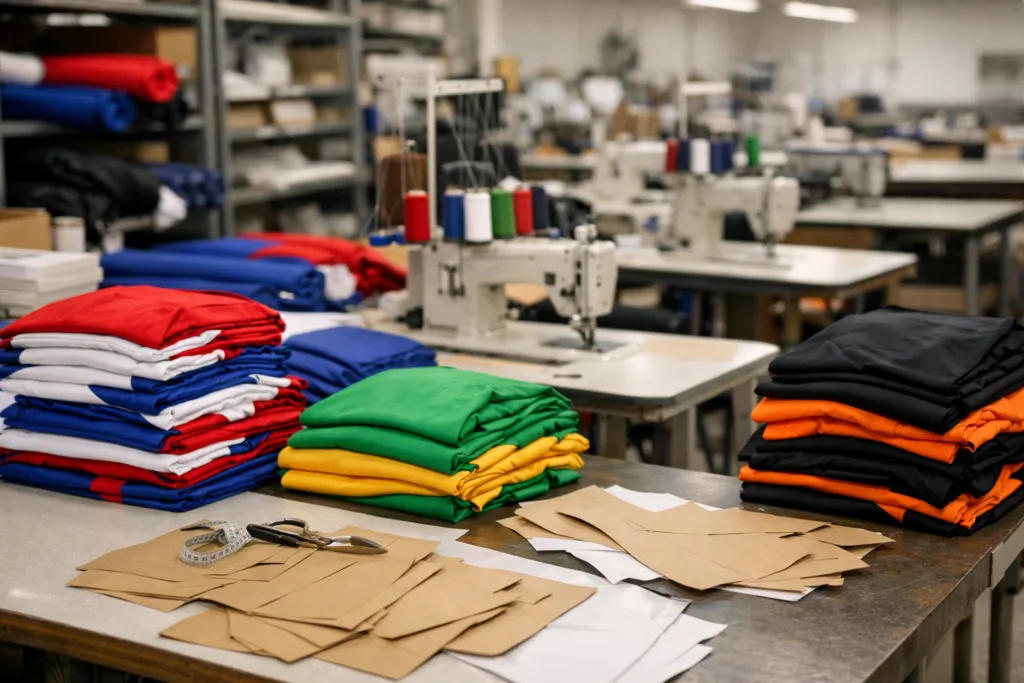
Low MOQ refers to minimums as small as 30–100 pieces per style, often with flexibility for size and color breakdown. For small clubs, schools, or entrepreneurial brands making their first move in custom apparel, this opens doors that were previously closed by high factory minimums. But low MOQ is more than just a number. It shapes the whole production process, from sourcing materials to the range of customization options you can expect. For a detailed breakdown on what constitutes low, medium, and high MOQs, and what that means for your production costs and flexibility, see Low MOQ Clothing Manufacturing Explained for Smart Apparel Launches.
Who Benefits Most from Low MOQ Team Clothing?
The real winners are startups, testing teams, or clubs with limited rosters and conservative budgets. If you’re not sure whether your new jersey design or team collection will sell, keeping the initial investment manageable is crucial. Low MOQ also means less financial risk if you want to try out a new logo, color combo, or fit. Many first-time buyers simply want to test quality and fit before committing to thousands of pieces, which makes low MOQ orders attractive for validation and feedback.
The Real Cost of Low MOQ: Price per Piece
Let’s get real: unit price goes up as MOQ goes down. Why? Because setup, sampling, pattern making, and machine changes all get spread over fewer garments. Factories must cover their costs, even if they only make 50 custom jackets for your team. If budget constraints are a driving factor for you, compare the total landed cost, not just the unit price. Consider reading The Real Cost vs Quality Equation for Apparel Manufacturing: Breaking Down Risk, Quotes, and ROI for an in-depth look at cost dynamics in the apparel industry.
Customization: How Low MOQ Affects Your Options
While low MOQ gives you access, it also limits certain high-complexity customization options. Digital printing, heat transfers, and embroidery are usually cost-effective, but custom woven labels, trims, or special dye finishes may become expensive or outright unavailable. For small orders, most factories require that you pick from standard fabrics or trims already on hand. Helping your supplier by finalizing your design and logo input early can prevent errors and minimize extra sampling rounds.
Production Methods that Allow Low MOQ
Not all production methods play nicely with small quantities. Here’s a quick look:
| Method | MOQ Suitability | Why |
|---|---|---|
| Screen printing (with basic colors) | Low to medium | Easy, low setup, but costlier for multi-color or small runs |
| Sublimation | Very low | No color limit, ideal for vibrant, complex designs; works for 30+ pieces |
| Embroidery | Low | Good for crest, logo, names; small lots ok |
| Custom dyeing/weaving | High | Requires bulk for dye lot or yarn minimums |
Common Low MOQ Apparel Items
- Team jerseys (soccer, basketball, baseball)
- Polo shirts, T-shirts
- Warm-up jackets and shorts
- Tracksuits and hoodies
- Training bibs/pinnies
Simple cuts and standard fabrics keep price and complexity under control. For polos, for example, see the full list of manufacturing steps in 24 Key Steps to Manufacture Golf Polos—Fabric, Fit, Custom Options & QC.
Design & Branding: What to Prepare for a Low MOQ Order
Low MOQ doesn’t mean skipping preparation. Have your logo, color codes (Pantone preferred), and team font ready. If you’re requesting player names or numbers, plan how they’ll appear on each item. Clear vector files (such as .AI or .EPS) save hours of back-and-forth. Experienced factories like Ninghow appreciate organized files, as it helps them deliver consistent sample accuracy—even for small lots.
Sampling and Approval Rounds: Fast, but Not Limited
Don’t skip the sample! With low MOQ, your margin for error is very small. Get one sample made, review fit and logo placement, and confirm the colors under natural and indoor light. Make sure your factory sends photos or videos with sizing references. If time allows, request a “size run”—one piece per size—to confirm your team’s sizing breakdown fits real bodies. Learn why getting the sampling step right can make or break production in How to Measure Garments for Production: 21 Essential Steps to Avoid Rework.
Size Range and Color Breakdown: Maximizing Your MOQ Allocation
Some factories allow you to mix sizes and colors within the stated MOQ (for example: 40 total = 10 S, 10 M, 10 L, 10 XL). Check if your supplier allows this and ALWAYS spell out your size/color matrix clearly. This impacts both pricing and pattern cutting in production, and poor communication here is the top source of shipment delays.
Lead Time: What to Expect with Low MOQ Team Clothing
Production is usually faster for small orders—often 2–4 weeks from sample approval, not accounting for shipping. However, lead time depends on your response speed for approvals, factory workload, and in-stock raw materials. One tip from Ninghow: if you need the order for a tournament or event, always buffer extra days for customs clearance and transport, not just sewing time.
Fabric Choices and Limitations
With low MOQ, factories usually offer a selection of in-stock fabrics to keep costs low and delivery fast. Custom-milled or special technical materials generally require higher minimums. If you’re after eco-fabrics, be ready to accept larger quantity requirements or higher prices. For more on choosing the right sustainable textiles that align with bulk or low MOQ buying, visit A Practical Guide to Sustainable Fabrics for Apparel Buyers.
Quality Control for Small Batch Orders
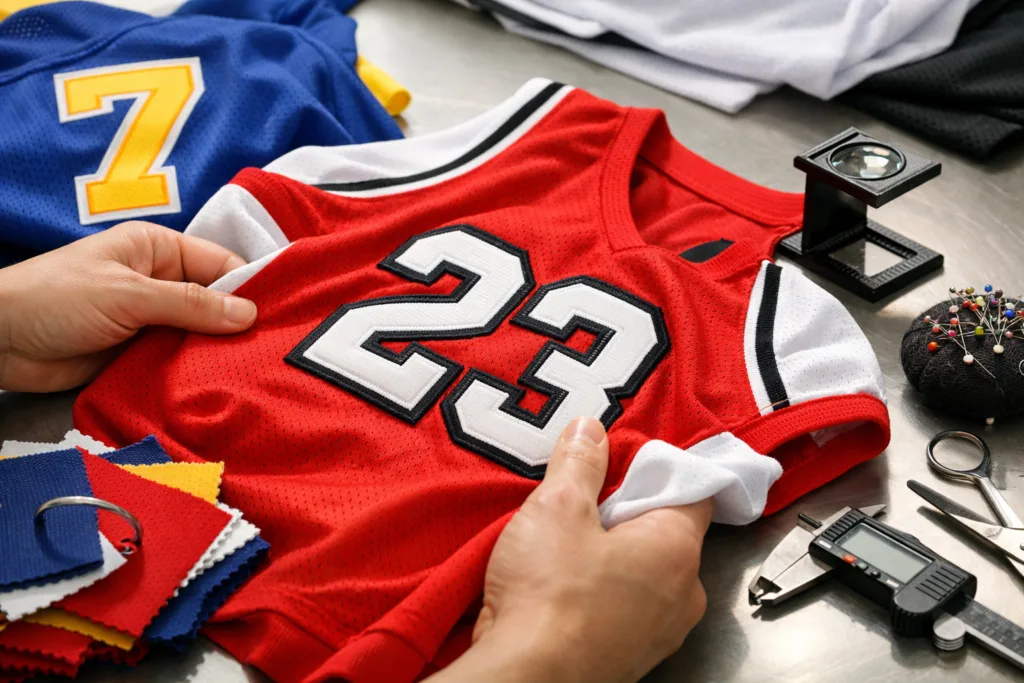
QC matters at every size. Inspection processes for low MOQ aren’t as automated as for huge orders, so communication is key. Clearly outline which details (stitching, logo angles, label positions) are make-or-break for you. At Ninghow, the same QC checklist and measurement controls apply to 30 pieces as for 3,000, but small orders sometimes see more manual handling—especially during final packing.
Packing, Branding, and Shipment Details
Most small orders ship in simple polybags or carton packs. If you have specific branding requirements—like hangtags, custom packaging, or branded boxes—share these early. Setup costs may apply. Express air shipping is common for small lots, but check shipping prices and delivery times to avoid nasty surprises.
When Is Low MOQ NOT a Good Fit?
If you need complex custom fabrics, trims requiring special dies or molds, or true pantone dye-matched colors, be ready for higher MOQs or significant surcharges. High-impact branding elements and technical certifications (such as for performance, flame retardancy, or recycled content) also often require scale to be feasible.
Typical Problems and How to Avoid Them
- Color mismatches—request swatches and lab dips
- Size spec errors—clarify before sample approval
- Missing details (labels, washing instructions)—double-check your tech pack
- Shipping delays—plan with extra days for customs
Read more about other pitfalls at Bulk Team Apparel Orders: 11 Key Questions Sourcing Pros Never Skip.
How to Choose the Right Low MOQ Manufacturer
Find a partner used to small, custom orders and ask how they verify measurements and printing. Check reviews or request references from other small brands or clubs. Visit their factory if possible, or ask for detailed sample reports and documentation. If you need a manufacturer with full transparency, see the detailed checklists for vetting in Choosing a Reliable Custom Team Clothing Manufacturer: 9 Must-Know Checks for Bulk Orders.
Low MOQ Team Clothing: What Buyers Should Know Before Ordering
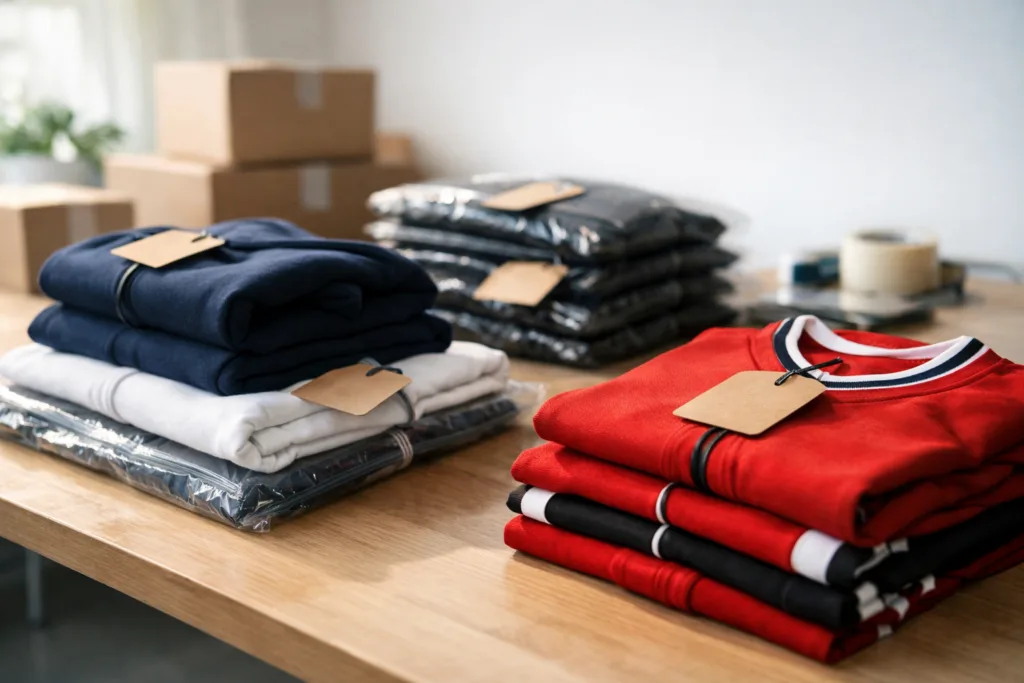
Before you place your first low MOQ team clothing order, get clear answers to these five essentials:
- MOQ policy—can you split by sizes and colors?
- Customization range—what’s possible, and what’s not?
- Lead time—from sample approval to shipment
- Packing and delivery method—costs, branding, trackability
- Sampling—one sample or multiple fitting sizes?
Ask for documentation on size charts, logo placement guides, and QC reports. Be transparent about your timelines and expectations right from the start.
Frequently Asked Questions
What is the typical MOQ for custom team apparel?
For most factories, low MOQ begins at 30–100 pieces per style or design. Some may allow mix-and-match sizes and colors to hit the minimum, but always confirm in advance.
Can I get full customization for small orders?
You’ll have most standard options like color, logo, and basic trims, but complex customizations or technical materials may require higher minimums.
How does low MOQ affect production time?
Small batch orders usually mean shorter production times—typically 2–4 weeks, but fast communication and approvals are critical to keep things on schedule.
Are the prices higher for low MOQ orders?
Yes, the unit price is higher for low MOQ because setup and production costs are divided over fewer pieces, but total spend is lower and risk is reduced.
How can I ensure size and fit consistency?
Always confirm size charts, request a sample in each size if possible, and provide detailed fitting feedback before approving your production run.
Is sustainable fabric possible with low MOQ?
It depends on the available stock; some basics like recycled polyester may be offered, but most eco-friendly custom fabrics require higher minimums or surcharges.
Related Reading
- Custom vs Ready-Made Team Clothing: Which Grows Your Brand Smarter?
- Teamwear Orders Simplified: Nail Sizes, Packaging & On-Time Delivery
- Essential Garment Labeling: Content, Care & Compliance for Teams
- Winning Strategies for Seasonal Team Apparel Drops & Split Shipments
- Recycled Fabrics in Team Clothing: Smart Sourcing Insights