





What Is a Private Label Clothing Checklist?
When building a private label apparel business, being organized is key. A robust private label clothing checklist helps ensure every branding and legal detail gets covered—from main label and wash label design, to swing tags, packaging, compliance documentation, and sample workflow. Without a structured checklist, brands risk production delays, compliance mistakes, or poorly branded product launches.
The Importance of Branding Elements for Clothing
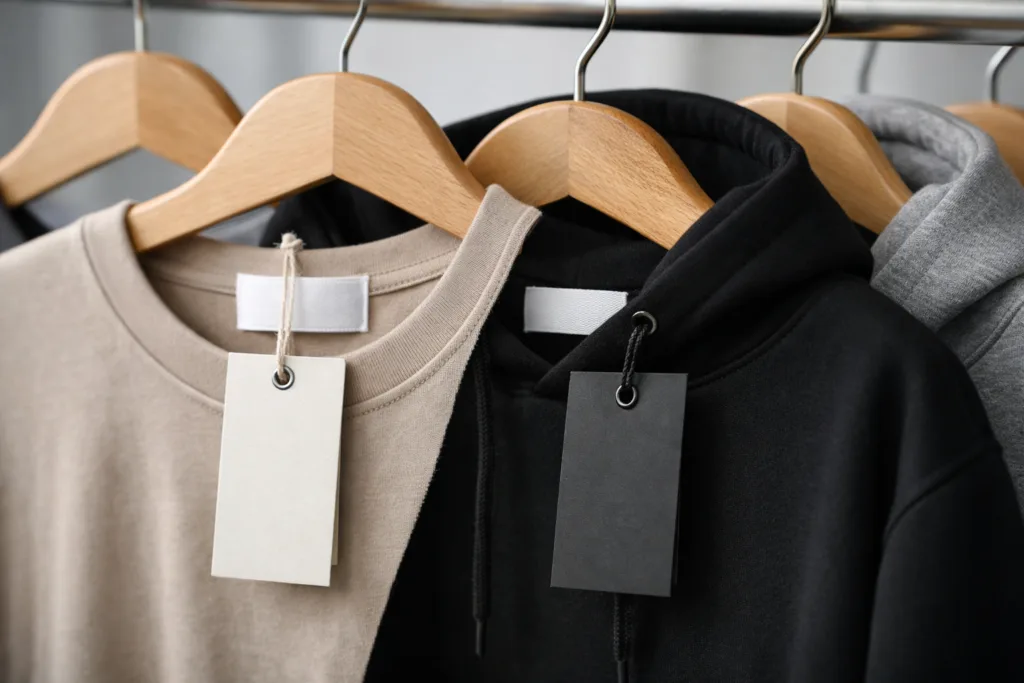
Every successful private label apparel brand relies on strong branding. What does this mean? It’s more than a logo on the hang tag—branding is your identity stitched, printed, and packaged into each garment. Main labels, wash labels, swing tags, and packaging all need to work together, helping customers recognize your brand instantly. Well-branded garments boost perceived value, foster customer trust, and help you stand out in crowded markets.
Comprehensive List of Branding Components
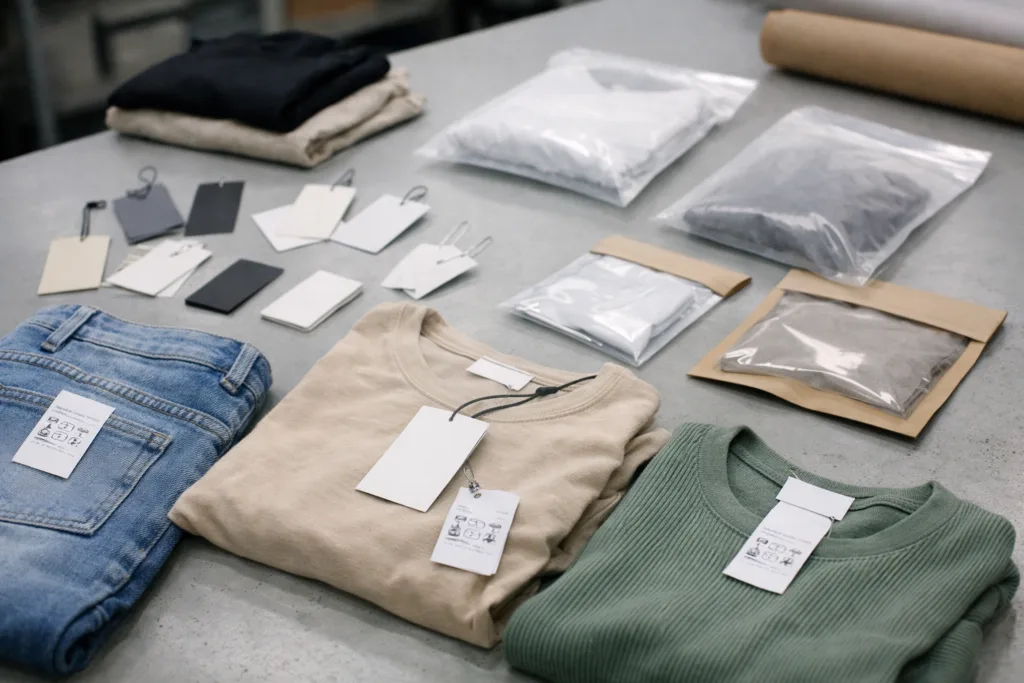
- Main Label (Brand Label): Features your logo and brand name. Typically sewn inside the collar or waistband.
- Wash Care Label: Shares vital garment care instructions, fiber content, compliance info, and country of origin.
- Swing Tag (Hang Tag): Removable hang tag attached to the product, often showing price, sizing, or brand story.
- Packaging: Includes polybags, boxes, pouches, or envelopes branded with your logo or visual identity.
- Other Accessories: Button bags, spare buttons, branded tape, or ribbon may be requested for a premium impression.
Designing Your Main Label: Best Practices
The main label is the centerpiece of your brand story inside every garment. Key considerations:
- Material: Woven or printed, satin or polyester, depending on quality and budget.
- Size: Standard sizes often range from 2.5–7 cm wide. Confirm with your factory for best results.
- Design: Logo, brand name, sometimes minimal color (readability matters!).
- Sewing Method: Center fold, end fold, or straight cut—each offers different feel and visibility.
Wash Label: Compliance and Clarity
Not just a formality, the wash care label protects your brand. It shares fiber content, legal mandates, and proper garment care. In the US, Europe, and many global markets, regulations specify what must be included:
- Fiber content (e.g., 100% Cotton)
- Country of origin (e.g., Made in Bangladesh)
- Washing symbols/maintenance instructions
- Manufacturer/importer details (if required)
For more on compliance essentials for wash labels, learn from Apparel Compliance Checklist (Materials + Labels + Testing). Double-check regulations before bulk production!
Swing Tag Essentials: Branding Meets Function
Swing tags don’t just display brand graphics—they often include size, barcode, price, and brand story. Good swing tag design balances visual impact with concise information.
- Card thickness and material (recycled options increasingly popular)
- Sizing for visual proportion
- String material and attachment (cotton, polyester, branded string)
- Barcode or QR code for digital traceability (optional, but increasingly valuable)
Packaging for Private Label Fashion
Your packaging is a crucial extension of brand identity. Choose materials and formats with your brand’s image in mind:
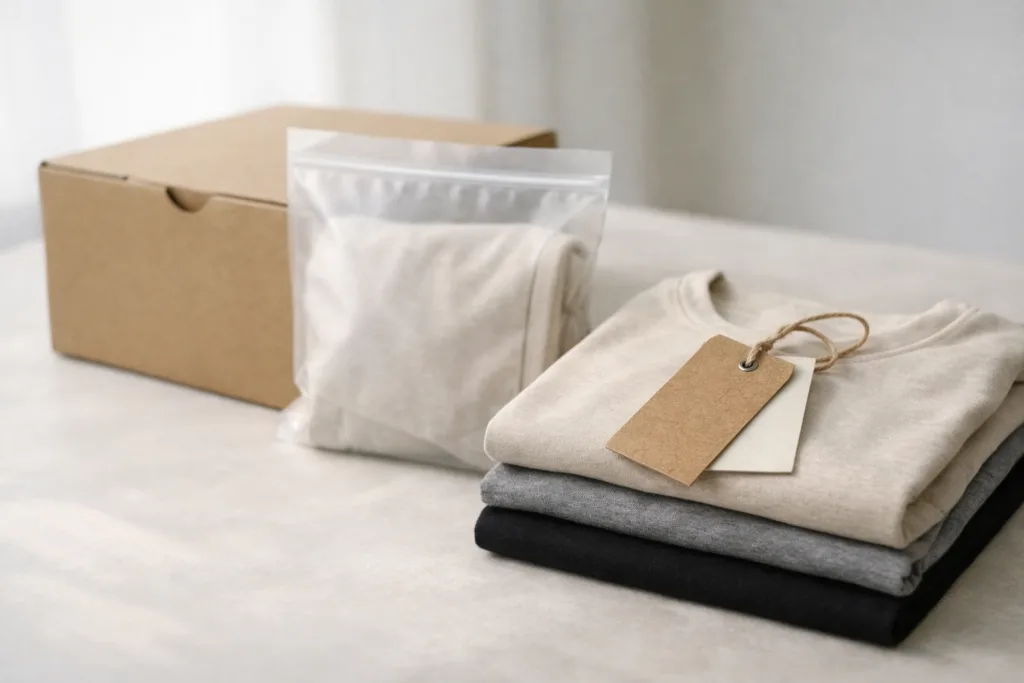
- Polybag (transparent, semi-transparent, frosted, matte, or with printed logo)
- Branded cardboard box or mailer envelope
- Sustainable/recyclable materials are trending for ethical branding
- Consider adding branded sticker, tape, or insert card for a premium feel
Garment Sample Checklist: The Ultimate Guide
Before you start production, running a garment sample checklist helps prevent costly errors or returns. A sample should be checked for:
- Correct main label positioning and sewing
- Fully compliant wash care label
- Swing tag placement and attachment
- Packaging compatibility (fit, protection, branding)
- Consistency in color, fabric, stitching, trims, fit, and finishing
- Alignment with your tech pack and order documentation
Ninghow, a seasoned garment manufacturer, always advises brands to approve pre-production samples for every label, tag, and packaging component before bulk run. This step ensures correct branding and avoids last-minute mistakes.
Legal Compliance Information: Must-Have Data for Labels & Tags
Legal compliance is not optional—it’s essential for responsible private label success. Your checklist must cover:
- Country of origin (often mandatory)
- Fiber content and registered identification (where needed)
- Wash care instructions and ISO/ASTM/GINETEX symbols
- Manufacturer/importer information for certain markets
Missing details on care labels or swing tags can lead to import rejections or fines. Stay up-to-date on international standards.
Designing for Impact: Visual Consistency Across Components
Consistency reigns supreme in apparel branding. Use matching fonts, colors, and motifs across labels, tags, and packaging. This builds a cohesive customer experience and increases brand stickiness. Moodboards, sample sets, and digital proofs help confirm visual unity pre-production.
Sample Approval Workflow: From Prototype to Bulk Production
A disciplined workflow avoids rework risk. Approve each branding element as part of your regular sample approval. If you’re new to sample approval, this Winning Sample Approval Workflow details industry best practices. Never rely on photos alone; request physical samples before giving the green light to mass production.
Critical Path for Label, Tag & Packaging Decisions
Time spent upfront on main label, wash label, swing tag, and packaging pays off in a smoother production flow. Critical path planning lets you spot dependencies and avoid bottlenecks:
- Design confirmation timeline (graphic assets, measurements)
- Compliance data review
- Supplier sourcing and sample approvals
- Bulk label/tag/packaging order lead times
Read about developing a new product critical path to optimize your fashion launch schedule.
Supplier Communication: Preventing Misunderstandings
Clear and detailed supplier communication reduces chances of branding errors, delays, or cost overruns. Always provide artwork files, quantity breakdown, and sewing/placement instructions.
- Share visual mockups and physical reference samples
- Ask for digital and physical label/tag samples
- Confirm instructions for label/tag attachment method
Checklist: Essential Elements for Every Apparel Brand
| Component | Details | Compliance |
|---|---|---|
| Main Label | Logo, brand name, color, size | No direct legal needs |
| Wash Label | Care instructions, fiber content, country | Mandatory |
| Swing Tag | Brand logo, size, SKU, price | Sometimes barcode/registered info |
| Packaging | Branded polybag, box, insert | No direct legal needs |
Material Choices for Labels & Packaging
Choose your materials carefully for durability and feel. Woven polyester labels offer longevity; satin and cotton provide softness. For packaging, prioritize sustainable polybags or recycled cardboard for eco-friendly branding. Interacting with your materials at sample stage gives clear feedback for mass production.
Common Pitfalls in Private Label Branding
Brands can fall into several traps:
- Poor artwork quality (blurry, low-resolution, incorrect colors)
- Missing compliance (incorrect country, fiber % or wash symbols)
- Ignoring swing tag/packaging design for “budget” reasons
- Approving only digital proofs (not physical samples)
- Over-complicated label designs (affects readability & cost)
Ninghow’s Real-World Tips for Smooth Branding Execution
Based on factory-floor experience, Ninghow recommends the following:
- Pre-approve every label, tag, and packaging sample before mass production
- Keep design crisp, readable, and standardized
- Work with suppliers who share sample photos plus courier physical samples
- Document label placement, sewing, and compliance in your tech pack for trouble-free handoff
Quality Assurance: Verifying Branding Consistency
QA teams should check every order for branding accuracy:
- Main label correct and secure
- Wash care label compliant and legible
- Swing tag attached firmly, positioned consistently
- Packaging meets specification (protection + branding)
Regular audits, as explained in Clothing Factory Audit Checklist, help spot issues before full shipment.
Timeline Management: Planning for Approvals & Production
Factor in lead times for custom labels, tags, and packaging—typically 7–25 days for design, samples, approval, and bulk production. Missing the right window means delays and sometimes costly air shipments. Map out each milestone for branding elements alongside your garment schedule.
Cost Considerations: Budgeting for Branding
Branding costs typically include artwork setup, sample fees, label/tag/packaging unit price, and compliance marking. Avoid surprises by requesting full breakdowns before placing orders. Eco materials, special finishes, or high-MOQ requirements may increase costs. Check out MOQ negotiation tips for smarter buying strategies.
Private Label Branding Checklist
- Main Label: artwork, material, dimensions, sewing method
- Wash Care Label: compliance data, language, symbols
- Swing Tag: design, barcode, cord or attachment
- Packaging: bag/box design, inserts, stickers
- Compliance: country, fiber content, manufacturer id
- Sample Approval: receive+review physical samples of all branding components
- Supplier Instructions: attach images, sample references, and written instructions
- Quality Check: confirm every branding component during inspection
- Timeline Planning: pad in 7–25 days for branding material pre-production
- Cost Estimate: request full breakdown before order
Conclusion: Launch Your Brand With Confidence
A carefully crafted private label clothing checklist is your secret weapon. It keeps every branding component on track, ensures legal compliance, and lets your design vision shine from label to packaging. Whether working with a domestic or international supplier, sticking to this checklist minimizes mistakes and maximizes brand impact. With factory-ready sample approval and clear timelines, you’ll launch garments that feel premium and build trust—one branded detail at a time.
Frequently Asked Questions
What’s the difference between a main label and a wash label?
The main label showcases your brand name/logo, usually inside the collar or waistband. The wash label lists care instructions, fiber content, and mandatory compliance info.
Do swing tags need legal compliance information?
Swing tags often require price, barcode, and accurate sizing. For some markets, specific compliance data or registered mark may be needed.
How can I be sure my labels meet country regulations?
Research requirements carefully for each target market; include country of origin, fiber percent, and use approved care symbols. An experienced manufacturer should help spot missing info.
Can I use eco-friendly packaging and labels?
Yes! Recycled polybags, cardboard, and sustainable label materials boost your environmental image. Confirm material specs with suppliers to avoid product damage.
Why is sample approval critical for branding items?
Physical samples help confirm fit, color, feel, and placement—digital proofs alone may miss details. It’s the best way to ensure branding accuracy before mass production.
Is it costly to customize all branding components?
Custom branding adds some cost—setup fees, unit price, and sample charges. Plan budget accordingly and negotiate MOQs to balance quality and cost.