





Introduction to Apparel Sample Types
In the fast-paced world of garment manufacturing, understanding apparel sample types is crucial for ensuring flawless production and reducing returns. From the first prototype to the final pre-production sample, each sample type—Proto, Fit, Size Set, and PPS—serves a unique purpose in bringing your apparel from design to retail-ready product. Mastery of these steps improves communication, controls costs, and ensures your vision matches what reaches the customer. This guide provides a comprehensive overview of each sample, outlining their reasons for existence, when you need them, and the standards they must meet.
What Are Apparel Sample Types?
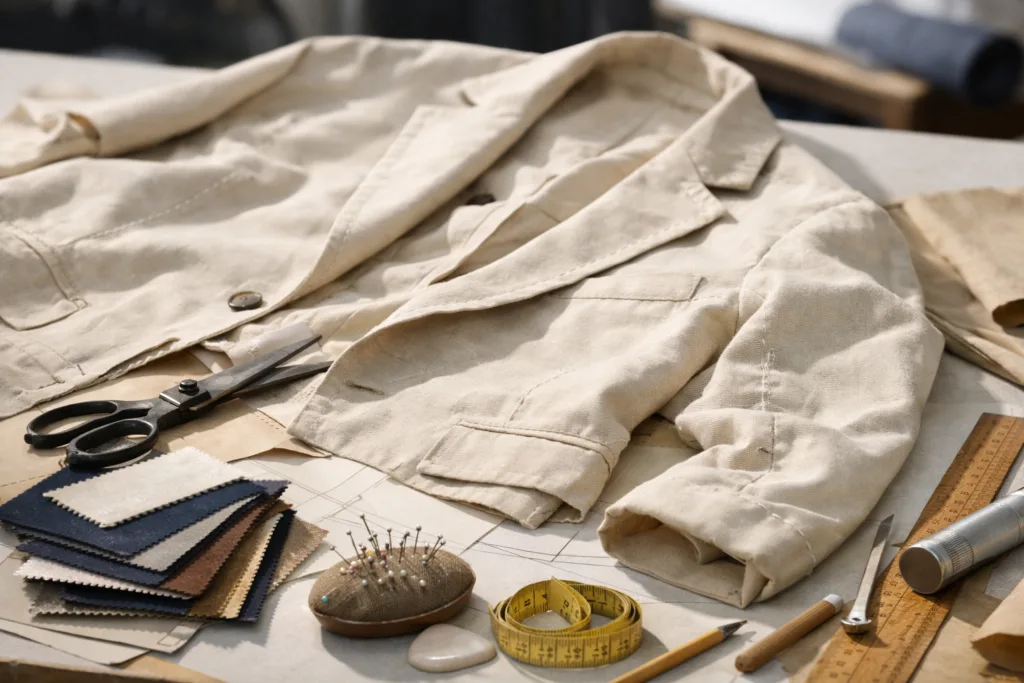
Apparel sample types are physical representations of a garment at various development stages. They help brands, designers, and manufacturers communicate requirements, test fit, verify sizing, and lock in details before large-scale production begins. With Sample Types Explained: Proto / Fit / Size Set / PPS as your reference, you’ll confidently navigate these terms and avoid costly surprises.
Why Sampling Matters in Garment Production
Sampling bridges the gap between creative ideas and manufacturable garments. Each well-executed sample functions as a quality control checkpoint. Early identification of issues at each stage—fit errors, construction flaws, or spec misinterpretations—saves both time and money. As explored in resources like effective return reduction strategies, robust sampling directly impacts overall quality and return rates.
How Many Apparel Sample Types Are There?
You’ll typically encounter four main categories:
- Proto Sample
- Fit Sample
- Size Set Sample
- Pre-Production Sample (PPS)
Each type has its own timing, standards, and expected outcomes.
The Proto Sample: Where Design Begins
The Proto Sample (prototype) is the very first physical representation of your design. It puts your tech pack or design sketch into 3D form and starts the practical discussion about garment construction. Manufacturers like Ninghow use proto samples to validate basic construction methods and material selection before investing additional resources.
Purpose of Proto Samples
Proto samples answer, “Is this design possible with the selected fabrics and trims?” They serve to assess silhouette, general proportions, and initial sewing techniques—often using substitute materials if the exact fabric isn’t yet sourced.
When Do You Need a Proto Sample?
Whenever you’re launching a new style, especially if innovations, unique constructions, or unfamiliar trims/fabrics are involved. They’re essential for early problem-solving and design approvals. Request a proto when moving your design from paper to the sewing table.
What Standards Should Proto Samples Meet?
- Match tech pack or sketch as closely as possible
- Show basic silhouette and construction intent
- Allow for alternative fabrics if needed
- Highlight major design issues or feasibility obstacles
The Fit Sample: Perfecting Comfort and Shape
After the prototype passes initial review, the Fit Sample phase tests comfort, movement, and body proportions using intended (or development-stage) fabrics. This is where pattern accuracy and construction details receive the spotlight. Even premium factories like Ninghow rely on fit samples to prevent miscommunications and costly recuts later.
Purpose of Fit Samples
Fit samples validate how a garment sits, stretches, and moves on the real intended body shape. This stage is often iterative, with back-and-forth corrections to dial in measurements, seam placements, and ease allowances. These corrections ensure the garment meets both your brand’s visual standards and wearability expectations.
When Is a Fit Sample Necessary?
Always request fit samples if accuracy in size, style lines, or construction is critical—especially when launching new silhouettes or adjusting complicated patterns. Fit samples catch design or grading mistakes before the size range is committed.
Fit Sample Approval Standards
- Matches intended fit measurements and tolerances
- Constructed in the closest possible fabric to bulk
- Shows agreed construction details, seams, and finishes
- Corrects any issues found in the proto phase
When evaluating fit, many brands use tools or templates such as a standard RFQ template to track sample measurements and obtain factory feedback.
The Size Set Sample: Validating Grading Across Sizes
The Size Set Sample stage ensures that the garment fits accurately across all intended sizes. Manufacturers produce a full range—commonly XS to XL—using approved fits and construction. This is a make-or-break phase for brands targeting diverse customer groups or big-and-tall segments.
Why Produce Size Set Samples?
Grading errors, disproportionate fits, or missed tolerances can destroy customer experience and spike returns. Size set sampling allows you to fix misgrades, adjust patterns, and lock in proportionality before mass production begins.
Timing for Size Set Sample Approvals
Request these after you’ve finalized the fit sample, but before ordering bulk fabric or trims for the entire run. They’re essential for first runs, new production partners, or when changing factories.
Key Standards for Size Set Samples
- Accurate measurement according to approved size spec sheet
- Correct grading and proportionality between sizes
- Consistent construction quality in all sizes
- Any critical details (decoration, pockets, fastenings) remain properly placed
The Pre-Production Sample (PPS): Final Quality Check
The Pre-Production Sample (PPS) is the industry-standard final checkpoint before launching bulk production. PPS samples use bulk materials, trims, packaging, and all confirmed construction methods. Approval here means your design, fit, and finishing standards are ready to scale.
Why Is the PPS Critical?
PPS approval is your green light to start mass production. It’s the last chance to spot major defects, test for compliance, and ensure all contracted requirements are met. This stage is essential for brands focused on consistency, as detailed in resources like the PPS approval guide.
When Should You Approve the PPS?
After size set approval and before you commit to the full production run. Don’t let the pressure of deadlines rush PPS approval—catching issues now prevents expensive order-wide repeats or customer dissatisfaction later.
PPS Approval Standards
- Produced in correct bulk fabrics, trims, and labels
- Packaging matches your requirements
- Full colorways, decorations, and finishes included
- Meets all compliance and safety standards
- Zero unexpected quality issues
Comparison Table: Proto, Fit, Size Set, PPS
| Sample Type | Main Purpose | When Needed | Key Approval Criteria |
|---|---|---|---|
| Proto | Initial concept and construction | After design finalized | Silhouette, basic construction |
| Fit | Test body fit and sizing | After proto approved | Measurement, comfort, adjust as needed |
| Size Set | Confirm fit across sizes | Post-fit sample | All size tolerances met |
| PPS | Final approval before bulk | After size set approved | Bulk fabric, trims, packaging, total QC |
When to Skip or Combine Sample Types
Experienced manufacturers may streamline sampling for repeat fabrics and proven styles. However, for new patterns, high-complexity, or high-value orders, skipping stages raises the risk of error. Combining fit and size set samples is only advisable if you have historical data and strong working relationships.

Setting and Communicating Approval Standards
Clear, data-driven approval criteria minimize room for error and dispute. Brands often rely on size specs, tolerance strategies, tech packs, and reference photos to lock in standards. Formal sign-off and transparent revision logs provide insurance if issues arise mid-production.
Who Is Responsible for Each Sample Stage?
The designer or brand initiates and approves initial concept, while the factory (like Ninghow) provides technical feedback and manufactures the physical samples. Cross-functional review, including pattern maker, merchandiser, and QC inspector, is needed at every checkpoint.
How Sample Types Reduce Returns and Save Cost
Each sampling phase is a barrier against common pitfalls: mis-fits, spec drift, fabric mismatches, labeling errors, overlooked compliance. Smart brands use sampling as a control tower to eliminate these risks, ultimately slashing returns and avoiding costly chargebacks. Checklists such as the QC reporting template further reinforce best practices.
The Role of Sampling in Compliance and Branding
Thorough sampling is not just about fit—it ties directly to compliance (fiber content, labeling laws, safety standards) and perceived brand quality. Skipping or rushing samples can result in non-compliance, costly relabeling, or even full product recalls.
Common Pitfalls in the Apparel Sampling Process
Key mistakes include:
- Vague or changing approval standards
- Poor documentation between sample rounds
- Neglecting full-size ranges
- Ineffective communication with your factory
- Insufficient QC at pre-production
Awareness and prevention here is crucial to scaling operations without added operational headaches.
How Factories Like Ninghow Approach Sampling
From the workroom, practical sample management means balancing speed and precision. For a typical hooded sweatshirt, Ninghow might perform one proto sample, two fit samples, and one set each of size set and PPS—recording feedback at every step. They stress the value of shop-floor communication, allowing for minor fabric substitutions in the proto sample (to check sewing feasibility), while always locking final bulk fabric/trim in the PPS stage.
Optimizing Your Sample Approval Timeline
Delays creep in when approvals stall or additional changes are requested too late. Brands should set firm, realistic timelines for each sampling stage and actively review and sign off or request corrections without delay. Having a single point of contact streamlines the pace.
Documentation and Sample Feedback Tracking
Create centralized tracking for every sample submission, comment, revision, and approval. Digital tools or simple spreadsheets can reduce confusion, support transparency, and keep both sides accountable throughout the sampling process.
Sample Types and Minimum Order Quantities (MOQ)
Some factories tie sampling to MOQ policies. Higher complexity or more sample types may warrant higher order minimums or nominal sample charges. Understanding this relationship up front avoids disappointment or unplanned costs at production.
How to Use Sample Types with Dual Sourcing Strategies
Dual sourcing requires consistent sampling across all suppliers to guarantee uniform final product, as highlighted in guides to apparel dual sourcing. Side-by-side PPS evaluation ensures parallel quality and fit standards, no matter who is producing your goods.
Sample Types Explained: Proto / Fit / Size Set / PPS
Each apparel sample type—Proto, Fit, Size Set, and PPS—serves a different but equally important step on the path from concept to shipment. By understanding the purpose and standards for each, you arm your brand against preventable setbacks. Adapting these sample practices to your unique product line, production strategy, and order complexity creates a reliable path to market success.
Conclusion: Mastering the Apparel Sampling Process
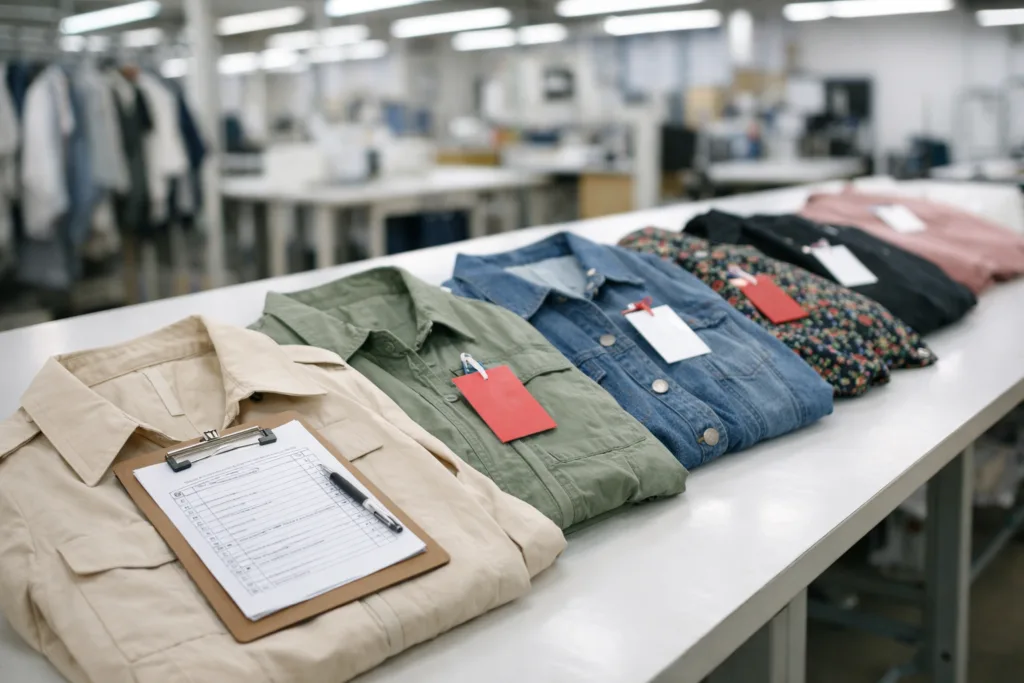
Every successful apparel launch relies on a deliberate, well-executed sampling process. From ideation in the proto phase, to body-fit accuracy, size range validation, and final production sign-off, each sample locks quality and communication at a critical checkpoint. By embracing best-in-class sampling standards and never rushing a PPS, you’ll cut risk, control returns, and deliver garments you can proudly stand behind. Stay organized, insist on transparency, and make each sample stage count.
Frequently Asked Questions
What is the main difference between a proto sample and a fit sample?
A proto sample checks if the design is feasible and gets the basic concept right, while a fit sample focuses on dialing in body measurements and construction for comfort and style.
Do I always need to approve a size set sample?
No, if you have proven grading data and are repeating a style with an existing factory, you can sometimes skip. For new fits, factories, or large ranges, size sets are essential.
Should pre-production samples always use bulk materials?
Yes, a pre-production sample (PPS) must match bulk fabrics, trims, and packaging to avoid costly surprises or misalignments when the final product is shipped.
Can I combine sample types to save time?
It is possible, but only safe if you have strong history and data. Beginners or brands launching complex new styles are better served with each stage completed separately.
How do I know if my sample meets quality standards?
Use measurement tables, tolerance sheets, and documented construction details in tech packs. Consistent communication and documented sign-off between brand and factory seal the deal.
What is the risk of skipping the sampling process?
Skipping samples can lead to mis-fit, bad grading, quality errors, or compliance failures, all of which damage your brand and can increase costly returns or lost sales.