


Introduction: Unlocking the OEM vs ODM Debate in Team Apparel
When brands and clubs set out to produce team apparel, two manufacturing choices dominate: OEM and ODM. If you’re planning a bulk order for jerseys, polos, hoodies, or jackets, understanding OEM vs ODM Team Apparel: Which Model Fits Your Business? is key. This guide goes beyond just definitions—unpacking how each mode works, when to use them, and how to match their benefits to your business goals, resources, and team culture.
OEM Team Apparel: Definition, Process, and Typical Applications
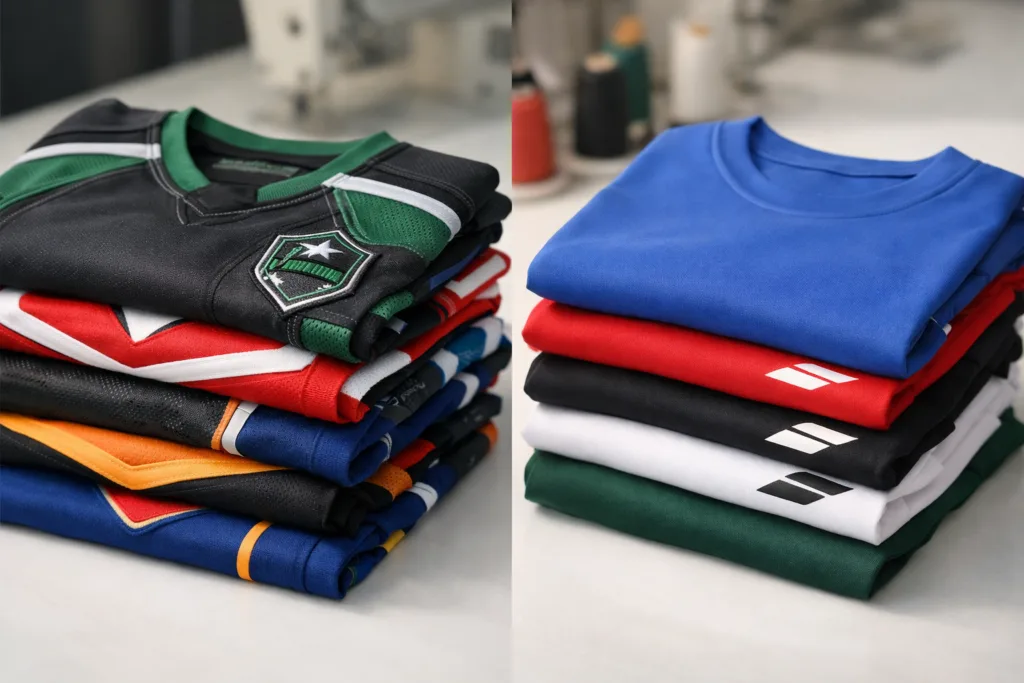
OEM (Original Equipment Manufacturer) in team clothing means you provide the design, brand, and production requirements—factory executes your vision. It’s ideal for brands that want full creative control, complex customizations, or unique collections. For example, you’d use OEM if your club wants a specific jersey fabric, cut, and decoration, all aligned to your brand standards.
ODM Team Apparel: How It Works, Use Cases, and Limitations
ODM (Original Design Manufacturer) offers ready-made apparel solutions. The factory develops its own styles, fabrics, and trims; buyers add logos and minor personalizations. ODM is perfect for brands seeking speed, budget-friendliness, or sample-driven collections—especially when resources for custom development are limited.
OEM vs ODM Team Apparel: Which Model Fits Your Business?
OEM and ODM each bring distinct strengths and trade-offs for team apparel orders. The right choice depends on:
- Available budget and design resources
- Brand identity needs
- Fabric and fit preferences
- Time-to-market urgency
- Sourcing flexibility vs strict brand control
We’ll dive into real-world scenarios to help you decide.
Key Differences Between OEM and ODM Team Clothing Models
| Aspect | OEM | ODM |
|---|---|---|
| Design Ownership | Client | Factory |
| Customization Depth | High (full custom) | Low–Medium (minor changes) |
| MOQ & Lead Time | Higher MOQ, longer lead | Lower MOQ, faster |
| Brand Fit | Strong identity | Flexible/adapted identity |
| Cost Structure | Higher (dev/sampling) | Lean (existing designs) |
When to Choose OEM for Team Apparel Orders
OEM is best for brands and clubs that:
- Need brand-exclusive patterns, fabrics, or decorations
- Want to launch new styles before competitors
- Have designers or tech packs ready
- Value consistent product quality and fit
For detailed stages, see how team clothing is made.
When to Go ODM: Prospective Buyers and Ideal Scenarios
ODM makes sense for:
- Quick launches or urgent event delivery
- Small teams or startups with limited budgets
- Testing new markets before investing heavily
- Brands comfortable personalizing existing templates
Sourcing Checklist: OEM vs ODM Team Apparel Decision Factors
Before you choose, consider:
- Volume: OEM often demands higher minimums than ODM
- Sample Process: OEM will require sampling and fit validation
- Lead Time: ODM wins for speed; OEM for uniqueness
- QC & Consistency: OEM generally offers tighter quality control (see cut and sew manufacturing explained)
Design, Pattern, and Fit: Where OEM and ODM Diverge
OEM lets you bring a unique vision to life—select precise materials, adjust fits, and ensure every size follows your standard. ODM offers fixed designs, but can tweak colors or prints. This can be a deal-breaker for teams requiring specialized sizing or performance fabrics.
Fabric and Trim Choices in OEM vs ODM Team Apparel
OEM gives you broad fabric choices, even eco-friendly options like Sorona or recycled polyester. ODM solutions are limited to factory stock. For insights on fabric selection, see best fabric options for custom team T-shirts.
MOQ, Pricing, and Lead Times Explained
OEM requires more setup, so minimum order quantity (MOQ) and per-unit pricing are higher. Lead times stretch due to sampling and approval. ODM leverages existing assets—lower MOQ, quicker production, and streamlined pricing.
Branding and Customization Depth
OEM supports deep branding—unique labels, patches, embroidery, and packaging. ODM offers quicker branding: logo printing, basic color themes, limited label swaps.
Quality Control & Reliability in Each Model
OEM is often stricter on QC because factory follows your specs, not their defaults. ODM relies on established in-house standards, but may lack flexibility. A seasoned manufacturer like Ninghow recommends buyers clarify QC checkpoints early to prevent rework and surprises—as explained in key questions to ask before bulk team apparel order.
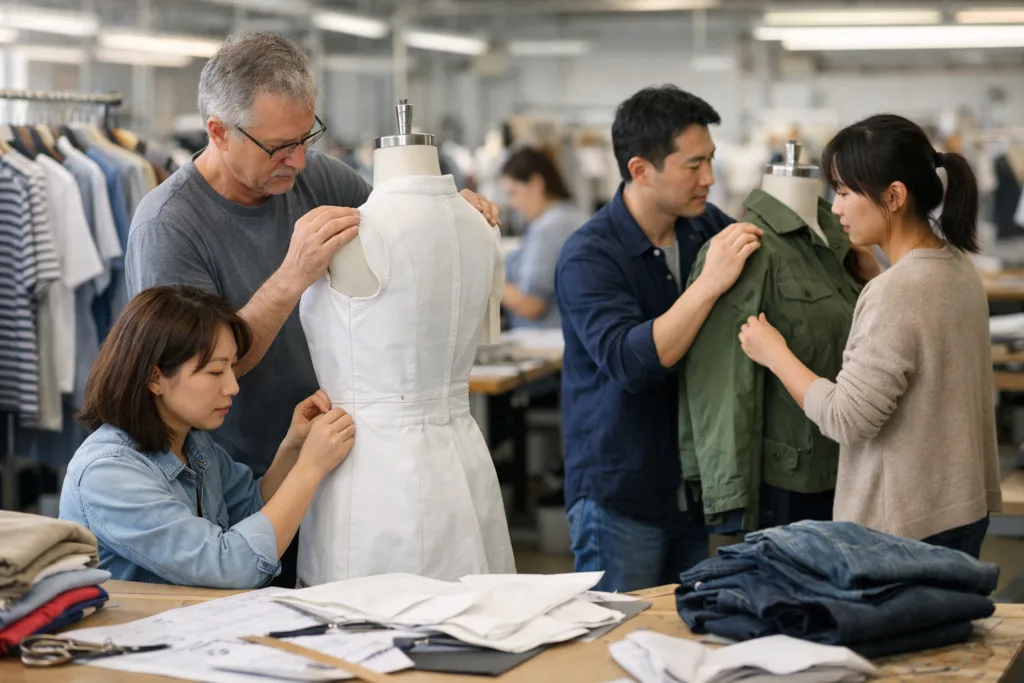
Speed vs Innovation: Balancing Resources and Time-to-Market
If launching quickly is your priority, ODM may be best. If standing out with innovation matters more, OEM delivers lasting returns but demands investment.
Confidentiality, Ownership, and Intellectual Property Risks
OEM offers full ownership of patterns and designs. Protecting intellectual property is easier. ODM may share designs across other clients—so exclusivity can be limited.
Example Scenarios: OEM vs ODM for Brands, Clubs, and Retailers
- A sports club with a heritage brand: OEM for special anniversary jerseys
- A startup launching fan gear for an event: ODM for quick and affordable basics
- An apparel retailer with a seasonal collection: OEM to outpace competitors with fresh fabrics or cuts
How Typical Sourcing Flow Differs (Step-by-Step)
OEM Sourcing Flow
- Buyer provides designs and specs
- Sampling and fit approval (can take weeks)
- Production with frequent QC checks
- Packing and branded shipping options
ODM Sourcing Flow
- Buyer selects from catalog or available samples
- Logo/artwork added to finished garments
- Faster bulk production
- Standard packaging
Ninghow’s Real-World Tips: OEM vs ODM Pitfalls and Fixes
Manufacturers like Ninghow encounter common mistakes: unclear specs (OEM), or overexpecting customization (ODM). For OEM, clarify fit and fabric details—don’t rely on generic descriptions. For ODM, ask about modification limits before confirming orders. Experienced factories flag these issues to avoid costly delays.
Case Studies: Team Apparel Outcomes with OEM vs ODM Models
One club ordered OEM jerseys with embroidery, custom sizing, and eco fabric. Lead time was 10 weeks, but brand impact was strong and fit complaints nearly zero. Another club chose ODM hoodies—delivery in under 4 weeks, but fit and material were generic. Both models succeeded, but requirements shaped the outcome.
Checklist Before Finalizing Your Model Choice
- Confirm budget vs expected customization
- Set realistic timelines for sampling and bulk delivery
- Clarify QC checkpoints and feedback loops
- Verify sample size accuracy and production tolerances
- Ask for transparent MOQ and pricing breakdowns
Sustainability, Compliance, and Market Trends
More brands demand sustainable fabrics and supply traceability. OEM offers more options for recycled, bamboo, or Sorona textiles. Choose compliant factories for both models (see sustainable clothing manufacturing guide).
How to Upgrade Supply Chain Communication in OEM/ODM Apparel Orders
Accurate weekly updates, detailed tech packs, and transparent sample feedback—these prevent miscommunication, delays, and quality issues. Both models depend on supply chain clarity.
Summary Table: OEM vs ODM for Team Apparel Projects
| OEM | ODM |
|---|---|
| Full custom design | Ready-made template |
| Long lead times | Rapid delivery |
| Higher cost/MOQ | Lower cost/MOQ |
| Unique branding | Basic personalization |
| Best for mature brands | Best for startups/events |
Practical Tips for a Smooth OEM or ODM Team Apparel Order
- Vet manufacturers on fit/sizing accuracy and fabric honesty
- Set sample review milestone dates
- Be precise in artwork and logo placement instructions
- Ask about packaging and shipment tracking details
Ninghow Insights: Why Production QC and Fit Testing Should Never Be Skipped
From factory floors, skipping fit testing is a frequent regret. Extra sampling saves headaches; relying only on photos or size charts is risky. Consistent QC and production line supervision reduce defects and ensure predictable delivery. Factories like Ninghow advise buyers to prioritize hands-on sample reviews, especially for OEM projects.
OEM vs ODM Team Apparel: Which Model Fits Your Business?
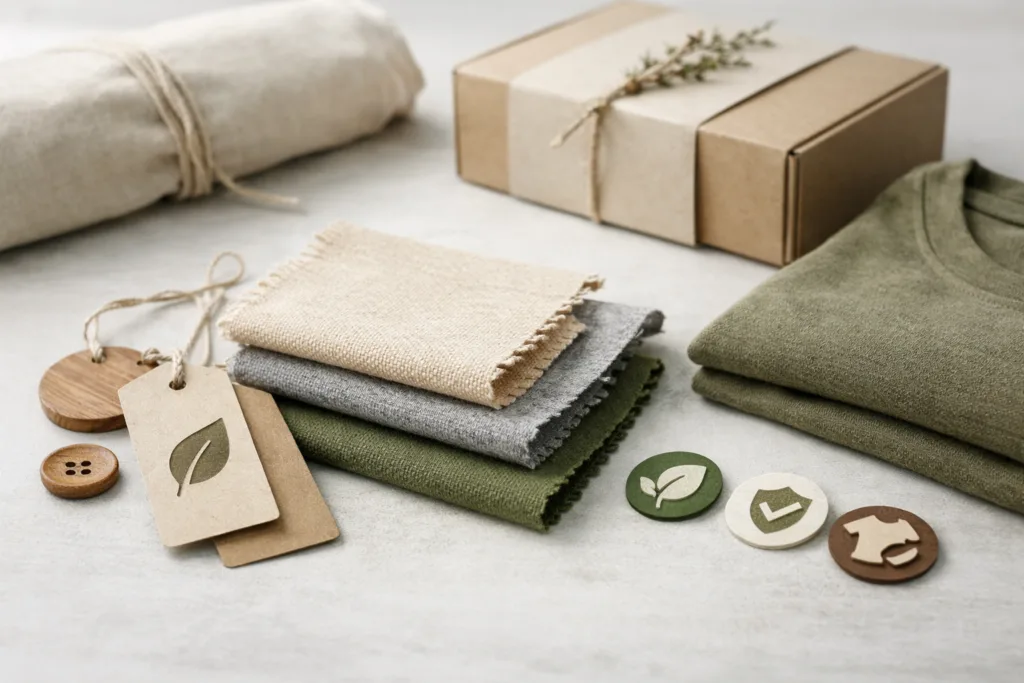
Brands, clubs, and retailers must weigh their internal capabilities, urgency, and long-term goals. OEM delivers deep customization and brand value—best suited for those who can invest time and resources. ODM brings agility and affordability—ideal for trial launches, smaller brands, and event-driven needs. Both models fuel growth but demand careful planning and transparent communication with your manufacturing partners.
Frequently Asked Questions
What is the main difference between OEM and ODM team apparel?
OEM allows for complete custom design, while ODM offers pre-designed options that can be personalized with logos or details.
Is OEM always more expensive than ODM for team clothing?
OEM often requires higher setup fees and MOQs due to custom development, but offers greater brand control and uniqueness. ODM is cost-effective for basic needs.
How do I know which model fits my business?
Consider your need for customization, available budget, desired lead time, and whether brand exclusivity or speed matters most.
Can I use eco-friendly fabrics in ODM orders?
Typically, ODM selections are limited to factory stock. For specialized eco-friendly textiles, OEM is the better route.
What are common pitfalls of OEM team apparel sourcing?
Unclear specifications, unreliable fit guides, and delayed sampling are frequent issues. Working closely with the factory addresses these risks.
Can I switch between OEM and ODM as my team grows?
Absolutely. Start with ODM for trials, then move to OEM as your brand matures and requires deeper customization.
Related Reading
- Build a Cohesive Team Apparel Collection: Strategies Beyond T-Shirts
- How Custom Hoodies Boost Group Identity and Spirit
- Discover Low MOQ Team Clothing Solutions for Small Brands
- Checklist for Finding Reliable Team Clothing Manufacturers
- Deep Dive: Custom vs Ready-Made Teamwear—What Suits Your Brand?
