
Introduction: Revealing the Realities of Bamboo Fabric Sustainability
Bamboo fabric is everywhere today—from buttery-soft T-shirts to luxurious bed sheets—but questions about its eco-friendliness won’t go away. Is bamboo fabric sustainable, or has its green image been overblown? This article digs deep into the facts, myths, and manufacturing realities behind bamboo fabric, laying out what every apparel buyer, designer, and consumer should really know.
What Is Bamboo Fabric?
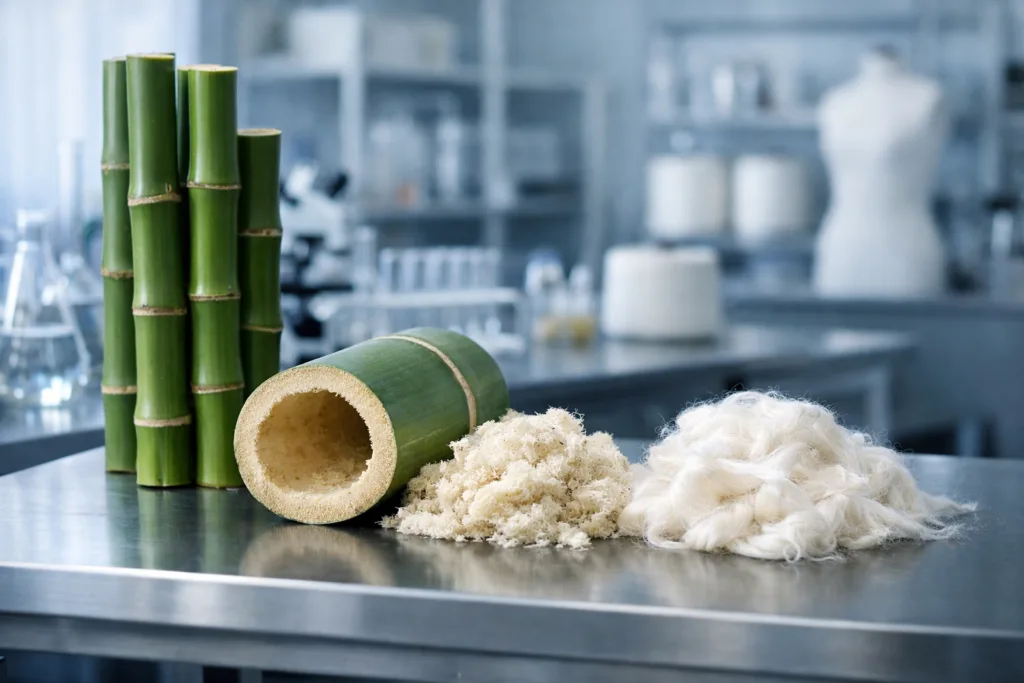
Bamboo fabric is a textile made from fibers taken from the bamboo plant. Though sometimes referred to as “bamboo textile,” it actually covers a variety of materials (including viscose, rayon, modal, and lyocell) produced from bamboo.
The Bamboo Plant: A Quick Overview
Bamboo grows rapidly, with some varieties shooting up over a meter a day. It thrives without chemical fertilizers or pesticides, making it seem like an eco-winner. Farmers praise it for improving soil health and absorbing carbon dioxide. But does this translate directly to a greener fabric?
Types of Bamboo Fabric Explained
There are mainly three approaches to making bamboo fabric:
- Bamboo Viscose/Rayon – Chemically-processed into soft fibers, widely used in apparel and home textiles.
- Bamboo Lyocell – Uses a closed-loop system, considered much greener.
- Mechanical Bamboo Linen – Rare, labor-intensive, and the truest eco-way (but pricey and rough-textured).
How Bamboo Fabric Is Made: Step-by-Step
For most bamboo textiles, the journey goes like this:
- Harvest stems and leaves of the plant
- Crush and soak the pulp in chemicals for viscose processing
- Extract cellulose and form it into usable fiber strands
- Spin, bleach, and finish into the final yarn
Bamboo linen skips chemical processing and relies on mechanical crushing and natural enzymes—a much slower path. Many companies label their products “eco-friendly” regardless of the method, so it’s crucial to ask for details or certifications (for more, see the garment labeling requirements guide).
Is Bamboo Fabric Sustainable? (The Core Debate)
This is where truth and greenwashing diverge. Bamboo fabric’s sustainability depends largely on:
- How the raw textile fiber is made (chemical vs. mechanical)
- The actual process used by the factory
- Chemicals released, energy used, and water consumed
Viscose Bamboo: “Green” or Greenwashed?
Most bamboo fabric sold today is viscose or rayon. The challenge? It’s produced with harsh chemicals (sodium hydroxide, carbon disulfide) that often pollute water and harm workers. While the base plant is renewable, the process can be as polluting as standard rayon, especially without strong controls or closed-loop systems.
Bamboo Lyocell: A Genuine Eco Alternative?
Bamboo lyocell—sometimes branded as “Bamboo TENCEL™” or similar—uses nontoxic solvents in a closed-loop cycle, greatly reducing emissions and wastewater. Production is costlier, but if sustainability matters, it’s the preferred choice (see more on sustainable material choices in our practical guide).
Bamboo Linen: The Purest, But Impractical?
Mechanically-produced bamboo linen stays closest to natural fiber, using crushing and enzymes. While truly eco-friendly, it’s rare in the mass market due to its stiff texture and higher price. Most “bamboo” clothing isn’t made this way—always look for specific labeling if you want this fabric.
Comparing Bamboo Fabric to Cotton, Polyester & Hemp
| Property | Bamboo Viscose | Organic Cotton | Polyester | Hemp |
|---|---|---|---|---|
| Water Usage | Low on field, high in factory | Medium/High | Low | Low |
| Chemicals | Moderate/High (viscose) | Low | High (synthesis) | Low |
| Biodegradability | Yes | Yes | No | Yes |
| True Eco-Friendliness | Mixed/Variable | Good | Poor | Excellent |
The Role of Certifications and Standards
Watch for these labels when sourcing bamboo fabrics:
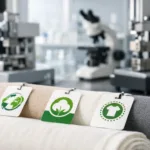
- OEKO-TEX® – Checks for harmful substances
- FSC (Forest Stewardship Council) – Confirms sustainable forestry
- GRS/GOTS – Focuses on recycled input and organic processing
Certification doesn’t guarantee a zero-impact product, but it does help weed out blatant greenwashing. For confidence, see The Ultimate Guide to OEKO-TEX vs GRS vs GOTS.
Bamboo Fabric in the Apparel Industry
From athletic wear to baby clothes, bamboo fabric dominates much of the “eco” style narrative. Its softness, sweat-wicking abilities, and drape attract designers and consumers alike. Brands tout its green story, but informed buyers and producers know to check actual processing methods. As a garment manufacturer, Ninghow has seen both sides: factories using advanced closed-loop tech, and those still relying on outdated viscose methods—each step influences credibility and environmental impact.
Major Benefits of Bamboo Fabric
- Fast-growing, low-input plant cultivation
- Soft, breathable, and hypoallergenic fiber
- Biodegradable (unless mixed with synthetics)
- Strong natural moisture management
Concerns & Drawbacks of Bamboo Textiles
- Potential for significant chemical pollution in viscose processing
- Certification confusion—“bamboo” label isn’t regulated globally
- Long supply chains can obscure sustainability claims
- Mechanical bamboo is rare and costly, most “bamboo” is chemically processed
Is Bamboo Always More Sustainable Than Regular Cotton?
Not always. Organic cotton, grown under strict standards, often matches or beats bamboo viscose in overall sustainability. However, bamboo trumps conventional (pesticide-heavy) cotton in field-level resource use. The devil is in the details: always ask about real sourcing and manufacturing practices (see Manufacturer’s Guide: Comparing Cotton, Slub & Jersey for T-Shirts for deep dives).
Environmental Impact: Water, Chemicals, and Energy Use
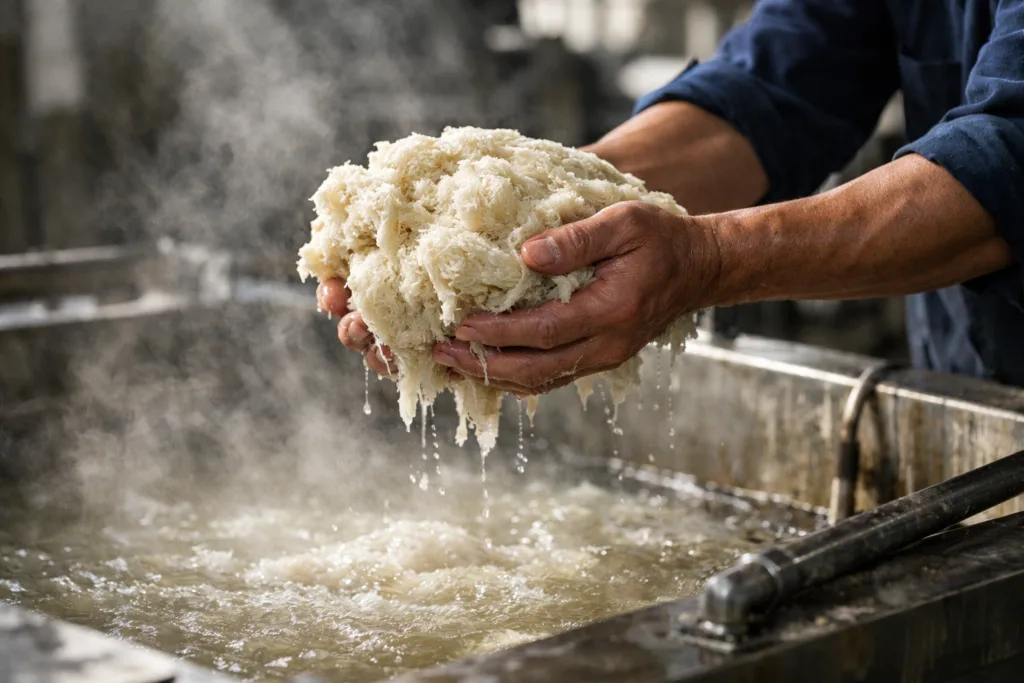
Bamboo plants need little irrigation, but transforming them into viscose fiber is water-intensive. Solvent usage and disposal are critical—without a closed-loop system, water, and soil pollution can be significant. Across a product’s life, typical bamboo viscose sits between organic cotton and regular polyester in its true eco impact.
Worker Safety and Supply Chain Transparency
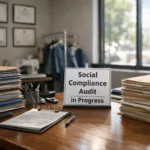
The chemical phase of bamboo viscose poses risks for workers, especially where regulations are weak. Brands and importers should prioritize transparency, push for third-party audits, and demand independent certifications to protect laborers and ensure authentic green claims.
Certifications and How to Read Labels
Proper labeling and certifications like OEKO-TEX and FSC add credibility, but beware “bamboo” or “bamboo-derived” tags with no supporting info. Genuine eco-labeled fabric comes with verifiable standards. Shoppers should always demand clarity and supporting documentation for bulk or private label apparel.
Common Myths About Bamboo Fabric
- Myth: All bamboo fabric is “natural.” Fact: Most is chemically processed.
- Myth: Bamboo clothing is always biodegradable. Fact: Mixed blends may not break down.
- Myth: Bamboo farming never harms the environment. Fact: Monocrop plantations can reduce biodiversity.
How to Spot Greenwashing with Bamboo Textiles
Red flags:
- No mention of viscose or lyocell processing on the label
- Absent or unclear third-party certifications
- Vague claims: “eco-friendly,” “natural,” “pure bamboo” without substance
Ask detailed questions of suppliers/producers and request evidence. For a systematic approach to sustainable sourcing and claim vetting, review How Brands Verify Sustainability Claims.
Bamboo Fabric in Practice: Lessons from the Factory Floor
At Ninghow, bamboo fabric orders get special attention for sample handling and QC. It’s common to compare shrinkage and colorfastness with organic cotton through repeated testing. For private label collections, brands often request factory floor visits to see closed-loop lyocell production in action. These practices help align green messaging with reality—and catch any early-stage mislabeling.
Does Bamboo Fabric Outperform Cotton in Apparel Manufacturing?
Bamboo viscose delivers excellent softness and drape, rivaling modal and TENCEL™. However, for high-wear items, cotton’s durability sometimes wins out. Bamboo can pill if not woven tightly or blended—for bulk orders, clear specs and preproduction samples avoid later surprises.
The Lifecycle of Bamboo Garments
Bamboo-based clothing is typically biodegradable, but trims and blended yarns can interfere. End-of-life recycling streams for bamboo are limited, so disposal practices matter. Consider post-consumer takeback and recycling when planning brand sustainability programs.
Consumer Tips: What to Look for When Buying Bamboo Fabric Products
- Demand clarity: Which process is used—viscose, lyocell, or mechanical?
- Check for real certifications (OEKO-TEX, FSC, GOTS, etc.)
- Avoid vague “eco” claims with no specifics
- Choose brands with open supply chain info
Design and Manufacturing Best Practices for Bamboo Apparel
Fabric performance varies by process. For softness, viscose and lyocell versions win, but they require thoughtful garment construction to prevent stretching and pilling. In sampling, factories like Ninghow will often recommend a preshrunk wash and reinforced seams, especially on high-stress areas. Diligent sampling, clear labeling, and accurate fit specs help brands maintain consistent quality batch after batch.
Conclusion: The Real Eco Story Behind Bamboo Fabric
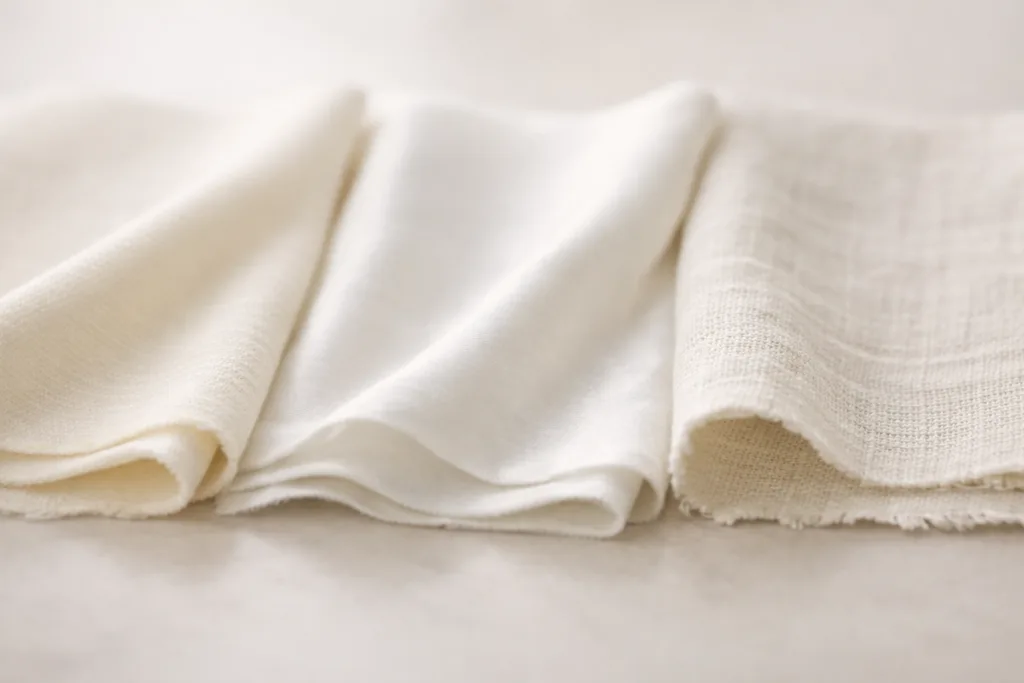
Is bamboo fabric sustainable? The honest answer: it depends. If you choose closed-loop lyocell or rare bamboo linen, the footprint is genuinely low. Most viscose-labeled bamboo, however, balances plant-based benefits against chemical impacts—the devil is in the manufacturer’s process. For brands and buyers who care, request certifications, push for transparency, and stay aware of possible greenwashing. Bamboo clothing can be both a comfort and a smart environmental choice when you ask the right questions and set clear, informed specs.
Frequently Asked Questions
Is all bamboo fabric eco-friendly?
No—most bamboo fabric is viscose/rayon made with chemical processing, which can harm the environment unless managed responsibly.
How can I tell if a bamboo garment is sustainable?
Check for clear labeling, processing details (e.g., lyocell), and credible third-party certifications like OEKO-TEX or FSC.
Is bamboo fabric biodegradable?
On its own, yes. However, blended fabrics or certain finishes can limit how well it breaks down.
Is bamboo safer for sensitive skin than cotton?
Generally yes, especially bamboo viscose and lyocell, due to their softness and hypoallergenic properties, but individual reactions can vary.
Can bamboo farming cause environmental harm?
Potentially, if not managed well—large monocultures can disrupt ecosystems, despite low pesticide needs.
Are closed-loop processes always used for bamboo fabric?
No, only some manufacturers use closed-loop systems (mainly for lyocell); most bamboo viscose does not.
Related Reading
- Your Guide to Smart Use of Recycled Fabrics in Modern Apparel
- How Cut & Sew Manufacturing Streamlines Apparel Quality and Fit
- Decoding Private Label vs. Custom Apparel: Which Is Right for Your Brand’s Sustainability?
- Minimize Risk: Launching Apparel with Low MOQ—Benefits and Pitfalls
- 25 Steps to Choosing a Smart Clothing Manufacturer for Sustainable Growth
