




Introduction: Incoterms for Apparel Buyers (EXW/FOB/DDP)
Getting your apparel production delivered smoothly is more than choosing the right style, fabric, or trims. The terms you use in your contracts—known as Incoterms—can make or break your cost control, risk exposure, and timing. If you’re an apparel buyer, especially when working with new suppliers, it’s crucial to understand what EXW, FOB, and DDP actually mean for your bottom line. This guide to Incoterms for apparel buyers (EXW/FOB/DDP) breaks down the essentials with practical, up-to-date advice.
What Are Incoterms and Why Do Apparel Buyers Need Them?
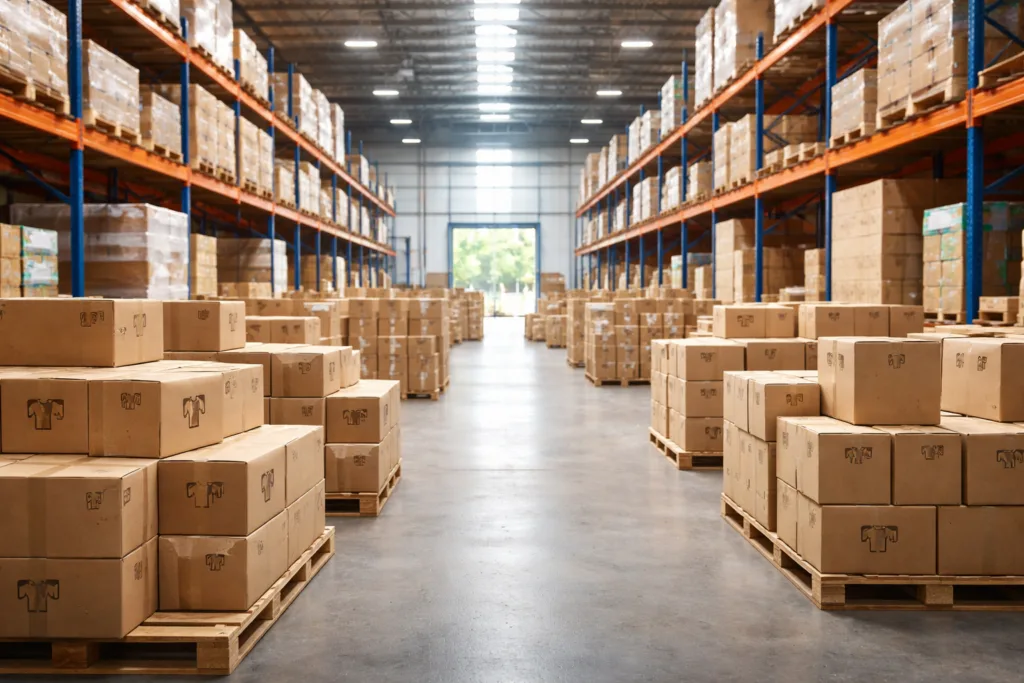
Incoterms, or International Commercial Terms, are standardized rules for international shipping and trade. They define what the buyer and supplier are each responsible for: costs, risks, and transport responsibilities from the factory to your warehouse. Apparel buyers rely on Incoterms to avoid misunderstandings, especially for costs like shipping, insurance, and customs.
The Three Most Common Incoterms in Apparel: EXW, FOB, DDP
While there are 11 official Incoterms, apparel buyers almost always see EXW (Ex Works), FOB (Free on Board), and DDP (Delivered Duty Paid). Each shifts control and risk differently. The big question: which is right for your order, risk profile, and partnership level?
EXW (Ex Works): Pros, Cons, and When to Use
EXW means the seller (factory) makes goods available at their premises, and the buyer arranges everything: pickup, export clearance, shipping, and customs. This term suits buyers with deep logistics experience but exposes you to most risks. For first-time or less-resourced brands, EXW can result in hidden costs and surprises. Refer to the Apparel RFQ Template for Brands to clarify Incoterm details upfront when requesting quotes.
FOB (Free On Board): The Apparel Standard
FOB is the apparel industry’s default Incoterm for a reason. The supplier handles all export steps up to loading the goods on the vessel. From there, the buyer takes over. FOB offers a healthy middle ground for risk and control, making it ideal for most brands, especially if you’re not managing your own in-country logistics teams.
DDP (Delivered Duty Paid): Total Delivered Solution
With DDP, the factory or agent arranges every step—shipping, customs, delivery, and even taxes—right to your warehouse door. This is the hassle-free option, best for new market launches or startup brands, but usually includes a higher premium in the quoted price. Always clarify what’s included to avoid double-charging for duties or surprise bills on delivery.
Incoterms Explained: Comparing Obligations, Costs & Risk
| Incoterm | Supplier Responsible | Buyer Responsible | Cost Predictability | Risk Level |
|---|---|---|---|---|
| EXW | Goods ready at factory | All further steps | Low | High (for buyer) |
| FOB | Goods to port & exported | Shipping, insurance, import | Medium | Shared |
| DDP | All steps & delivery to buyer | Receive goods at door | High | Low (for buyer) |
When to Use EXW vs FOB vs DDP: Key Scenarios for Apparel Buyers
Choose EXW if you have trusted freight partners and want full control over the process. Choose FOB when you need predictable cost and standard shipping support—it’s especially reliable for recurring contracts or when shipping from ports familiar with garment exports. Choose DDP for simple, all-inclusive deliveries, first orders with new suppliers, or when focusing on new market entries and efficiency trumps cost.
Breaking Down Costs: What You Pay Under Each Incoterm
Under EXW, you’ll pay for everything beyond the factory. With FOB, the price includes movement to the port and export paperwork. DDP combines product + freight + duties + final delivery, but you should always double-check with the factory for what’s exactly included in their quote.
Hidden Risks with EXW, FOB, and DDP – What to Watch for
EXW can catch buyers with unexpected export taxes, poor handover timing, or incomplete paperwork. With FOB, misunderstandings can happen if ports, terminals, or pre-carriage terms aren’t clear. DDP may cover duties, but not VAT or local taxes, unless specified. A careful, consistent review of each quote helps prevent these problems. What a Factory Needs to Quote Accurately: 13-Step Guide offers a detailed walk-through of what to check in production quotes—vital to avoid unexpected costs.
Who Pays What? Typical Charges Under Each Term
- EXW: Buyer pays pickup, export, main transport, import, delivery
- FOB: Seller covers local transport/export; buyer pays ocean/air freight, import, local delivery
- DDP: Seller (supplier/agent) pays all steps, buyer just receives delivery
Incoterms in Production Scheduling: How Terms Impact Lead Times
If you use EXW, you’re responsible for arranging pick-up dates, which means more direct management and coordination with logistics partners. FOB is smoother: factories know the local port and cut-off dates. DDP gives the supplier control, but less visibility for the buyer, sometimes causing surprises if delays pop up after dispatch. For smarter production flow, see How to Win Every Season: Seasonal Drop Planning for tips on using Incoterms and shipment timing together.
Ninghow’s Take: What Garment Factories Watch for in Incoterms
From a practical production perspective, Incoterms clarify responsibilities, but factories like Ninghow also watch for the real-world details: is the nominated freight forwarder reliable, are customs docs signed on time, and is there clear communication with the buyer’s agent? Small hiccups, like delayed pickup or customs paperwork, can stall a shipment for a week or more—something many buyers underestimate. A shared calendar for vessel booking and document deadlines helps everyone avoid last-minute headaches.
Sample Case: Switching from FOB to DDP With New Suppliers
Many new brands start with DDP to avoid complexity, but find it costly in the long run. One practical approach: run your first 1-2 orders on DDP, then transition to FOB for future orders as you learn your supply lane and find a trustworthy forwarder. This staged approach helps you catch snags without risking your entire margin on unknown shipping or customs fees.

Checklist: Deciding Incoterms with New Apparel Suppliers
- Ask if logistics, duties, and customs are included in your quote.
- Clarify where ownership and risk pass from supplier to you.
- Request a responsibility breakdown (who handles what, when).
- Double-check timings with your supplier or agent—especially for DDP.
- Start with DDP for small orders, shifting to FOB as you gain experience.
Packing, Documents, and Customs: What’s Actually Included per Incoterm?
EXW may only include a simple packing list and commercial invoice. FOB almost always covers export packing, bill of lading, and export customs docs. DDP suppliers handle it all but ask for a full itemized breakdown to know if secondary import duties, remote delivery surcharges, or warehouse handling fees are included—don’t assume they are. See The True Cost of Delays for Apparel Brands to understand how document mix-ups affect your timeline and bottom line.
Incoterms and Costing: How to Avoid Quotation Surprises
Always compare like-for-like: an EXW price isn’t a true bargain if you haven’t counted your full landed cost. FOB is most comparable across suppliers. For DDP, ask for a clear breakdown with duties and delivery separated. Split out hidden extras—missed taxes or “added delivery fees” are common surprises on your first bulk delivery.
Buyer’s Risk vs Supplier’s Risk: Understanding the Handover
With EXW, you’re on the hook for everything after the goods are ready at the supplier. FOB shifts some risk to the factory regarding local movements and export. DDP is supplier-heavy—until there’s a customs snag in your own country. For all terms, set clear communication lines with your factory and agent to manage any gray areas.
Negotiating with Suppliers: How to Lock in the Right Incoterm
Be clear from the RFQ stage what term you want. If you’re moving toward FOB from DDP, explain why—for transparency and a smoother process. Re-confirm the final term on your PO and sample approval documents to avoid disputes.
EXW, FOB, and DDP in Real Apparel Scenarios
- EXW: A US retailer arranges an agent for bulk pickup from a Bangladesh factory.
- FOB: A brand sources t-shirts from Vietnam and their shipping agent collects goods at the port in Haiphong.
- DDP: A startup requests sample jackets delivered direct to their showroom in Paris.
When Not to Use EXW, FOB, or DDP
Avoid EXW if you lack logistics partners or experience in export paperwork. Avoid DDP if customs procedures in your delivery country are unpredictable or if your supplier lacks proven track record. FOB is almost always a safe starting point for recurring orders.
Incoterms for Apparel Buyers (EXW/FOB/DDP)
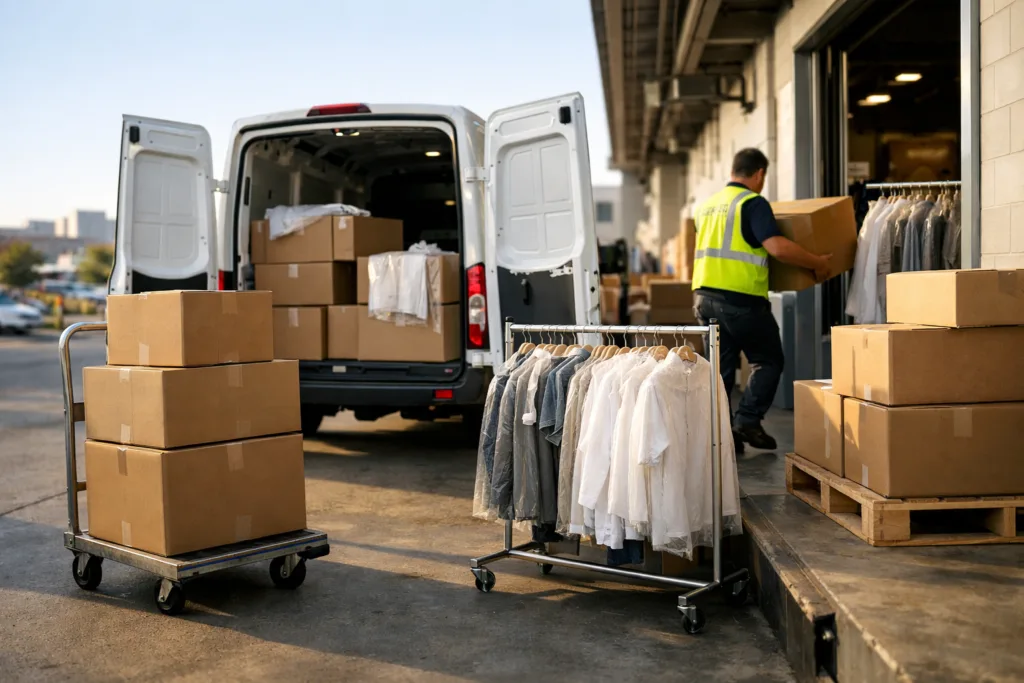
Choosing the right Incoterm lets you manage costs, protect profit, and avoid stress. For your first orders, DDP provides all-in control. Once you’re steady, shift to FOB for better price control and transparency. EXW should be used only when you’re ready for maximum logistics ownership. For smooth production, clarify terms early, get breakdowns in writing, and update your process as your supplier relationship grows. Mastering Incoterms is essential for any apparel brand scaling up in the international market.
Frequently Asked Questions
What is the safest Incoterm for first-time apparel buyers?
DDP (Delivered Duty Paid) is the safest for new buyers as it shifts almost all risks and responsibilities onto the supplier, providing end-to-end delivery with no surprises along the way.
Why is FOB preferred for most apparel shipments?
FOB balances cost, control, and risk—it covers export logistics and paperwork, making it easier for buyers to compare supplier quotes and manage shipping through their own agents.
Can I start with DDP and switch to FOB as I grow?
Yes, many apparel brands start with DDP for simplicity and later transition to FOB for cost savings and more control once they have logistics experience or reliable freight forwarders.
What hidden costs should I double-check for in EXW?
With EXW, look out for custom clearance fees, transport markups, export taxes, and coordination costs that can add up quickly if you don’t have local support or experience.
Is Incoterm choice affected by shipment size?
Absolutely. Small test orders may suit DDP, while larger or recurring bulk shipments are often best handled with FOB to balance price, risk, and shipping flexibility.
Do Incoterms cover quality issues or only delivery?
Incoterms only set out delivery responsibilities; quality responsibility should be covered in your contract, sample approvals, and QC inspections—not in Incoterm selection.
