
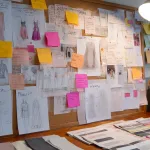





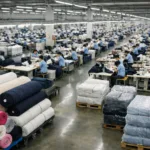
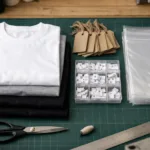
Bringing your clothing designs to life starts with a critical step: submitting your ideas to a manufacturer. This process bridges the gap between your creative vision and tangible products. It involves more than simply sharing sketches; it requires a well-organized, clear communication strategy to ensure the manufacturer can meet your expectations.

Whether you’re a startup brand or an established designer, understanding how to submit clothing designs effectively will save time, minimize production errors, and lead to higher-quality results.
Understanding the Importance of Proper Submission
Why Clear Submission Processes Matter
Manufacturers often work with multiple clients, so a structured submission ensures your project gets the attention and accuracy it deserves. A well-documented design reduces misunderstandings and streamlines production timelines.
Benefits of a Professional Approach
- Ensures alignment on materials, sizing, and design.
- Minimizes costly mistakes during production.
- Builds trust and long-term partnerships with manufacturers.
Step-by-Step Guide to Submitting Clothing Designs
1. Prepare a Comprehensive Tech Pack
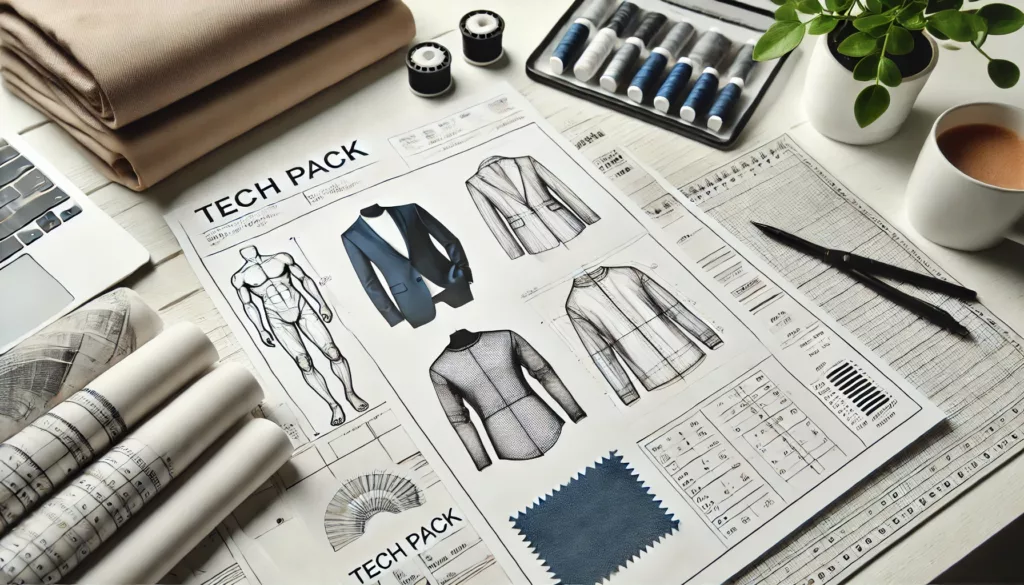
The tech pack is your most important tool for communicating with manufacturers. It’s a detailed document that outlines every aspect of your design, including:
- Flat Sketches: Clear, professional drawings of your design from multiple angles.
- Fabric Details: Type, weight, and source of materials to be used.
- Measurements: Accurate size charts with dimensions for each size.
- Color Palette: Pantone codes or fabric swatches for precise color matching.
- Trims and Accessories: Specifications for zippers, buttons, or labels.
This document serves as a blueprint for the manufacturer to follow, leaving little room for misinterpretation.
2. Choose the Right Manufacturer
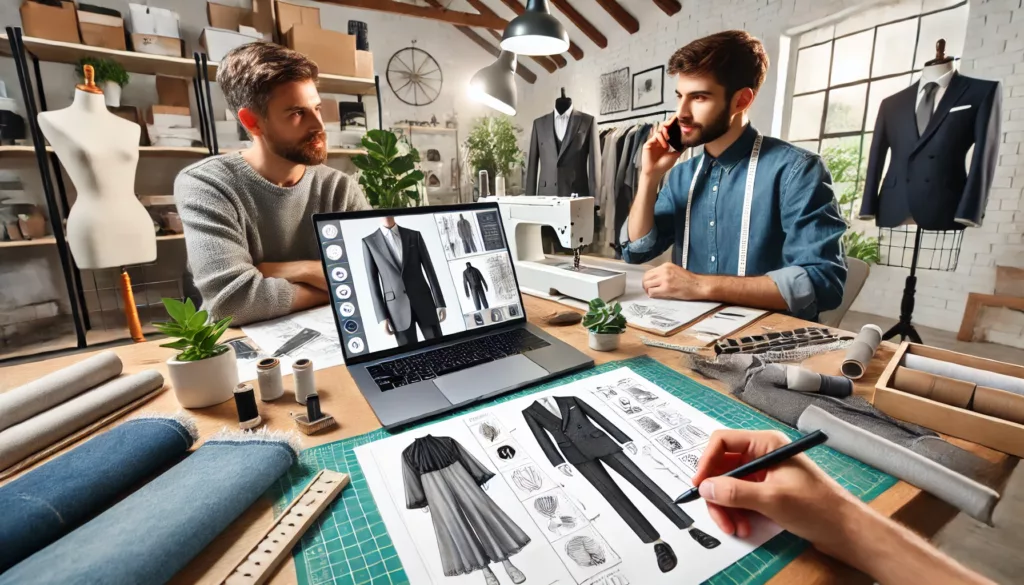
Before submitting designs, ensure you’ve selected a manufacturer aligned with your needs. Consider factors like:
- Specialization: Does the manufacturer work with your type of clothing (e.g., activewear, formal wear)?
- Capacity: Can they handle your order volume, whether it’s a small batch or large-scale production?
- Reputation: Research reviews or request references to gauge reliability.
3. Include Samples or Mockups
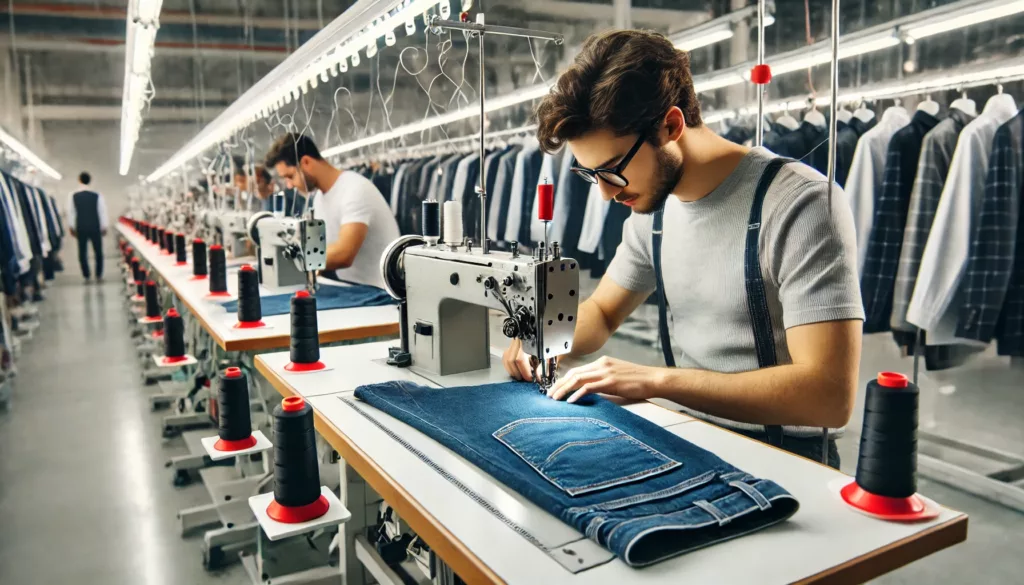
If possible, provide physical samples or mockups of your design. These can be:
- Handmade prototypes.
- Existing garments that are similar to your vision.
- Digital 3D models created using design software.
Physical or visual aids can clarify complex design elements that might not translate well in sketches or tech packs.
4. Communicate Your Vision Clearly
Clear communication is essential to ensure manufacturers understand your brand’s goals and expectations. Some best practices include:
- Introductory Meetings: Arrange a meeting (in-person or virtual) to discuss your designs and clarify requirements.
- Visual Aids: Use presentations, mood boards, or videos to provide context.
- Define Expectations: Outline deadlines, quality standards, and budget constraints upfront.
5. Submit Digital Files in Preferred Formats
Most manufacturers prefer receiving files in specific formats, such as:
- PDF or AI files for tech packs.
- CAD files for digital patterns.
- High-resolution JPEG or PNG images for design visuals.
Check with the manufacturer for their preferred file types and ensure your submissions adhere to those guidelines.
6. Address Legal and Ethical Concerns
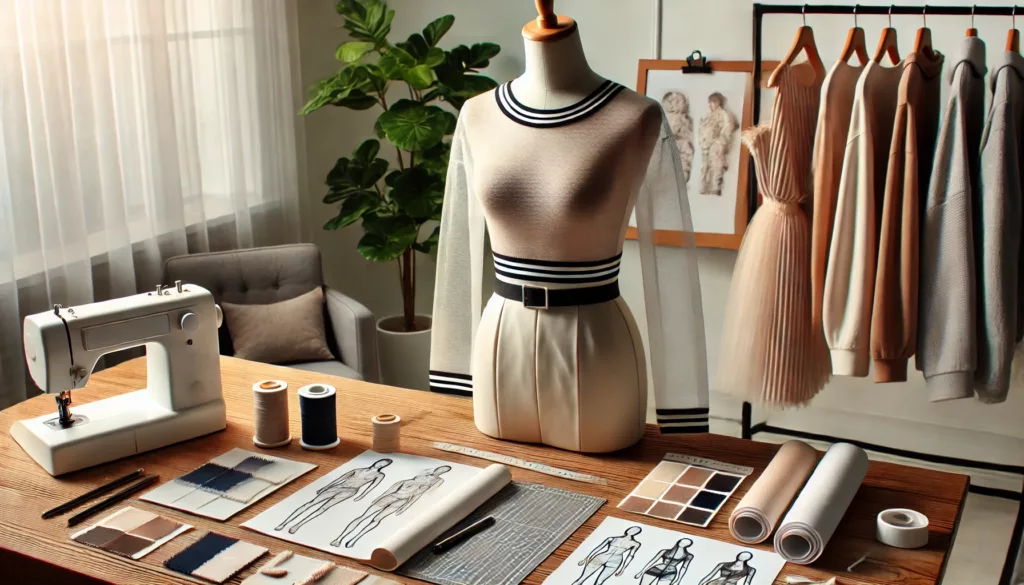
Protect your designs before submission by:
- Trademarking or Copyrighting Your Designs: This safeguards your intellectual property.
- Non-Disclosure Agreements (NDAs): Ensure the manufacturer won’t share or replicate your designs without your permission.
7. Follow Up After Submission
Once you’ve submitted your designs, maintain regular communication to address any questions or changes during the production process. Some tips for follow-up include:
- Setting a timeline for feedback or revisions.
- Requesting sample approval before full-scale production.
- Maintaining an open dialogue to handle unforeseen challenges.
Common Challenges in Submitting Clothing Designs
Language or Cultural Barriers
If working with an overseas manufacturer, language differences can lead to misunderstandings. Use visuals and universal terms to overcome this hurdle.
Misaligned Expectations
Ensure both parties agree on quality standards and production timelines through detailed contracts and regular updates.
Inconsistent Samples
Always request multiple rounds of samples or prototypes to fine-tune the final product.
Tips for Success
Invest in Design Software
Tools like Adobe Illustrator or CLO 3D can help you create professional-grade designs and patterns that manufacturers can easily interpret.
Be Flexible
While it’s important to stick to your vision, be open to manufacturer suggestions regarding materials or processes that may improve the final product.
Build Strong Relationships
Developing a long-term partnership with your manufacturer fosters better understanding, loyalty, and improved results over time. Consider choosing a private label clothing manufacturer.
FAQs
How do I find a reliable clothing manufacturer?
Start by researching manufacturers with experience in your niche, checking reviews, and visiting production facilities if possible.
What should be included in a tech pack?
Include detailed sketches, measurements, fabric specifications, trims, and color palettes to communicate your design thoroughly.
Can I submit designs without a tech pack?
While not recommended, some manufacturers accept simpler submissions for smaller orders. However, this increases the risk of errors.
What file format should I use for submitting designs?
Manufacturers typically prefer PDF, AI, or CAD files. Confirm their preferred formats before submission.
How can I protect my designs from being copied?
Use legal protections like trademarks or copyrights, and sign NDAs with your manufacturer to safeguard your designs.
What happens if the sample doesn’t match my design?
Communicate the discrepancies clearly and request revisions before proceeding to full production.
Conclusion
Submitting clothing designs to a manufacturer is a detailed process that requires preparation, clarity, and collaboration. By following these steps and maintaining open communication, you can turn your creative vision into high-quality apparel efficiently and effectively.
