

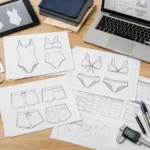
Introduction: The Realities of Clothing Manufacturing in China
Clothing manufacturing in China: pros & cons are critical considerations for every apparel brand, designer, and entrepreneur aiming to scale production. China’s influence on the global garment supply chain is undeniable, backing everything from mass-market basics to private label launches. The process promises efficiency, but how do the actual advantages and challenges stack up? This guide explores the core issues, directly from the manufacturing floor, so you can make smart, practical sourcing decisions for your brand’s next move.
Why China Dominates Global Clothing Manufacturing
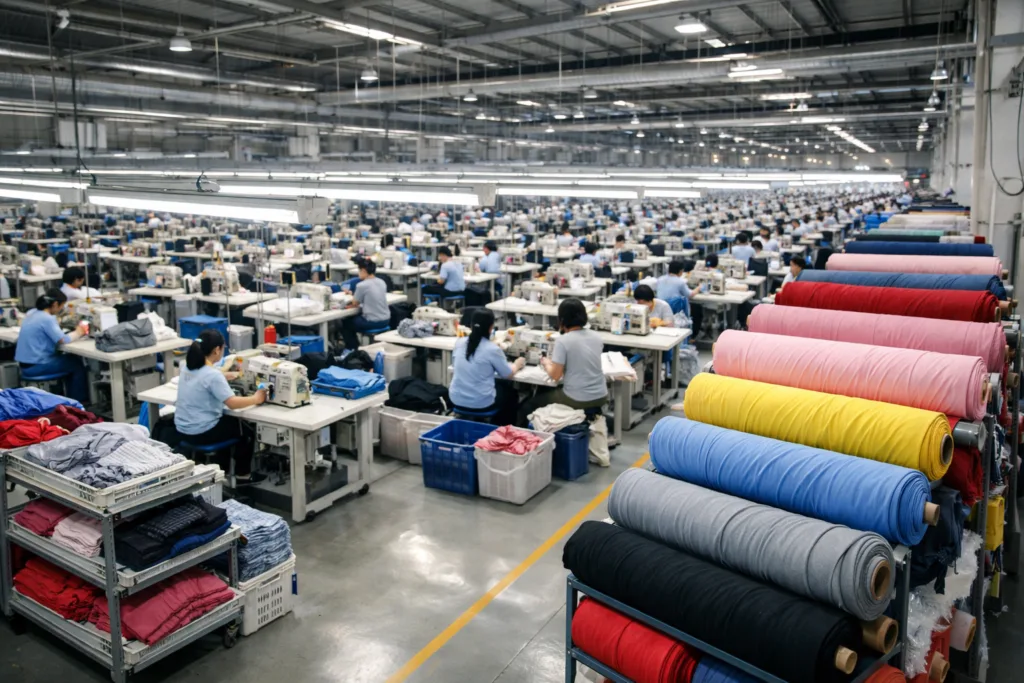
China leads clothing manufacturing worldwide due to its vast network of factories, advanced supply chain logistics, and broad material sourcing options. Consistent fabric availability allows brands to scale quickly, while specialized garment hubs cluster resources for everything from T-shirts to high-performance jackets. Understanding why China remains a top choice can help brands plan strategically—especially as trends shift and expectations change.
Understanding the Manufacturing Ecosystem: Factory Types and Models
Not all Chinese garment factories are the same. The country hosts OEM/ODM, private label, and CMT (cut-make-trim) facilities. Each model impacts cost, speed, and customization options. Carefully reviewing their strengths and weaknesses prepares buyers for discussions and helps them match a factory’s capabilities with their product line.
What Clothing Manufacturers in China Actually Deliver
Most Chinese manufacturers specialize in a specific product group—T-shirts, polos, hoodies, or performance fleece—rather than “making everything.” Buyers should verify machinery, sample rooms, and QC processes. If you’re not sure how to assess these capabilities, this overview breaks down key checkpoints and machinery any serious factory should have.
Pros of Clothing Manufacturing in China: Industry Insights
- Scale & Efficiency: Large orders are streamlined via batch production systems.
- Broad Product Range: You can source nearly any material, print method, or trim detail.
- Predictable Lead Times: With experience and robust logistics, China offers competitive delivery schedules—assuming clear communication and approvals.
- Cost Management: Lower unit costs (at high volumes) with flexible MOQ policies at select factories.
- Access to Trims & Components: China’s supplier ecosystem accelerates sampling and trims development for complex orders.
Cons of Clothing Manufacturing in China: What Brands Need to Know
- Quality Variation: Factory span is wide—from premium to basic—so not all facilities meet international standards.
- MOQ Pressures: Some factories enforce high minimum order quantities as a filter for “serious” brands.
- IP & Originality Risks: Designs and patterns must be protected; limited recourse exists if copied or misused.
- Logistics Complexity: Shipping, customs, and incoterm choices matter; mistakes can delay deliveries.
- Communication Challenges: Language gaps or time zones may cause misunderstandings when details aren’t documented clearly.
- Environmental & Compliance Concerns: Brands seeking certified fabrics or sustainable processes need extra due diligence. For example, verifying OEKO-TEX, GRS, or GOTS standards is a must. This simple guide can help buyers understand certification differences.
Factory SOPs: What Sets Top-Tier Chinese Garment Suppliers Apart
High-performing manufacturers use standard operating procedures (SOPs) for sampling, production, pattern development, and QC. This consistency keeps lead times reliable and results repeatable. Buyers should ask for evidence of these standards and request recent QC reports or sample approval workflows. Learning how sample approvals flow is often the key to avoiding mass production mistakes.
Material Sourcing in China: Choices & Trade-offs
China sources cotton, polyester, technical knits, and specialty blends locally or through vast import networks. The major advantage: access to nearly any handfeel or performance spec. However, fluctuations in global raw material prices can still impact costs. On the ground, experienced manufacturers align sourcing deadlines with seasonal fashion calendars, preventing last-minute trims or dye issues that might halt production.
Sampling and Prototyping: Accuracy, Fit, and Risk Management
Precise sampling is the foundation of reliable mass production. In China, sampling processes can feel fast—but hidden delays occur if fit and construction details aren’t clarified early. Tips from Ninghow: “Always provide finished size specs and clear fit comments in one document—never trust verbal agreements alone. A misread fit sample can cost time and money for both buyer and factory.”
Common Misconceptions: Not All Clothing Manufacturers in China Are Equal
The phrase “clothing manufacturers in China” covers a range of suppliers with vastly different strengths. Some excel in rapid T-shirt turns, others in small-batch fashion or outdoor performance. Brands are advised to focus on a factory’s core product group and request references or production photos for recent comparable work.
MOQ: How Flexible Are Chinese Clothing Manufacturers?
Minimum order quantities (MOQ) are often negotiable—especially as factories compete for quality overseas clients. Still, each step (knit dyeing, cut/sew, trim application) has inherent minimums due to machine setup and bulk procurement. For a clearer overview of how low MOQ impacts brand launches, explore low MOQ manufacturing explained.
Private Label, OEM, and ODM: Choosing Your Manufacturing Mode
Chinese garment manufacturing covers private label (your design, their factory), OEM (factory makes your sketch), and ODM (factory supplies proven stock designs). Each model has its own contract, IP implications, and flexibility. Brands should match their technical resources and market positioning with the manufacturing mode that grants the right level of control.
Clothing Manufacturing in China: Pros & Cons for Startups vs. Established Brands
For startups, entry barriers like MOQs and development fees can feel steep but are often justified by the level of service and reliability. Established brands benefit from predictable supply runs and expanded scaling. Both groups should balance production budget with investment in fit, QC, and on-the-ground communication to prevent mishaps.
Fit, Pattern, and Measurement: Why These Matter Most
Accurate fit is non-negotiable in successful clothing manufacturing. Without precise pattern grading and measurement tolerances, order returns and rework multiply. Many Chinese factories offer in-house pattern-making teams, but consistency relies on clear spec sheets and sample sign-offs.
Quality Control: On-Site Checks and Reporting
In practice, QC in China can be outstanding or lacking—depending on the factory and oversight. Reputable facilities maintain in-process and final inspection SOPs, tracking sewing defects and measurement deviations before bulk shipment. Receiving detailed QC reports, like those discussed here, reduces the risk of overlooked issues in transit.
Lead Times: Realities, Surprises, and Best Practices
Most Chinese factories operate with standard lead times (30–60 days for bulk, 7–15 days for sampling) but watch for variables. Delays often stem from unclear sample approvals, unverified trims, or port/shipping congestion. Sharing a detailed critical path—listing each approval checkpoint—helps all parties stay aligned.
Shipping and Logistics: From Factory to Doorstep
Shipping options—air, sea, express—have distinct impacts on cost, lead time, and risk. Apparel buyers should clarify incoterms early (EXW, FOB, DDP) and request help managing customs paperwork. Brands that sync with their logistics partners minimize the risk of delivery surprises.
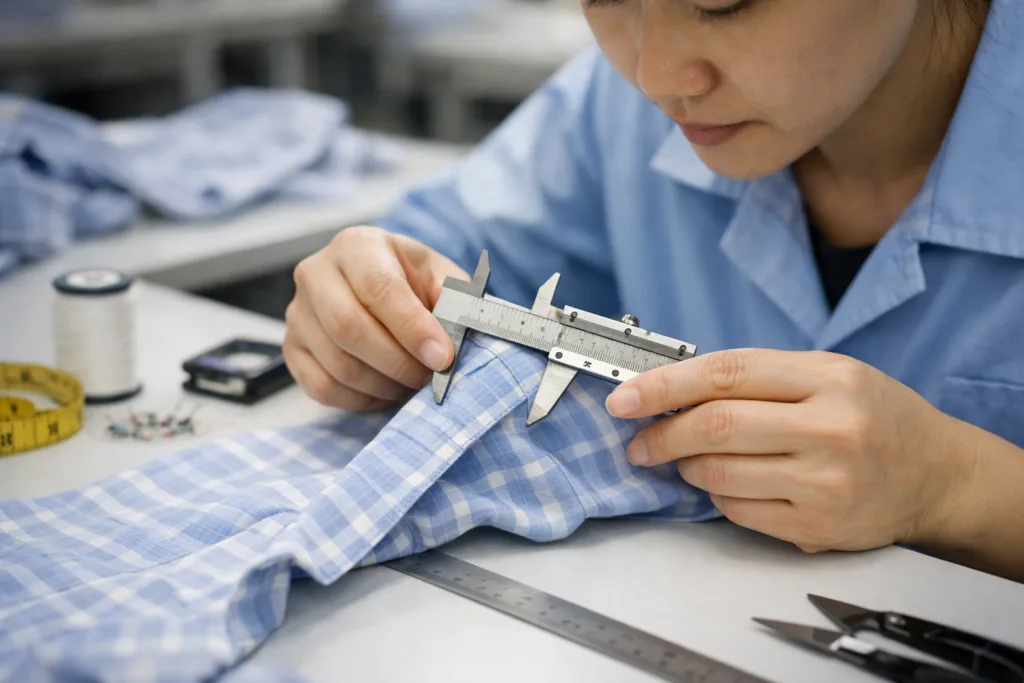
Pricing Structure and Payment Terms With Chinese Factories
China’s garment pricing typically includes material, trim, cut/sew, print, and packaging. Most facilities require a deposit upfront (30%) and balance after QC or before shipping. This model aligns risk for both factory and brand but requires transparency at the quote stage. Clarify incoterms, sample/strike-off fees, and cost breakdowns before confirming any bulk order.
Communication Dos & Don’ts for Foreign Apparel Buyers
Written documentation is essential when working with Chinese manufacturers. Avoid relying on voice messages or scattered emails. Use tech packs, annotated photos, and consistent file naming. Factories like Ninghow recommend single-point contacts and using clear English to minimize error rates and ensure fit samples are interpreted correctly.
Building Relationships: Vetting, Audits, and Ongoing Collaboration
Long-term success hinges on regular dialogue, visit audits (where possible), and honest QA feedback. Brands that treat their factory partners as extensions of their team—sharing seasonal plans and discussing risk areas early—tend to see fewer surprises and stronger brand credibility with customers.
Sustainability, Social Responsibility, and Audit Requirements
Sustainability standards (OEKO-TEX, GOTS, GRS) and social compliance audits are increasingly expected. Buyers should ask for current certifications—not just policy statements. Partnering with factories that proactively share their compliance journey sets brands up for long-term trust and unlocks new retail channels with responsible sourcing policies.
Case Study: How a Typical Apparel PO Flows in a Chinese Factory
From tech pack submission to delivered shipment, a production order usually follows this sequence: sampling approval, fit correction, material booking, bulk cut/sew, in-line QC, final inspection, and shipment release. Each step can be monitored with regular status updates—wise buyers request weekly reports to ensure timelines stay on track.
The Future of Clothing Manufacturing in China: Trends & Adaptations
As labor costs shift and automation increases, Chinese manufacturers are investing in digital pattern systems, traceable material sourcing, and flexible, lower MOQs. Brands that seek out agile partners—willing to trial new processes or test sustainable blends—will adapt quickest to changing market landscapes.
How to Select the Right Clothing Manufacturer in China
Practical selection means verifying experience, reviewing detailed references, inspecting samples physically, and judging responsiveness. Smart buyers work through a step-by-step process, sometimes visiting factories in person or sending trusted local partners to audit procedures and negotiate terms before major commitments.
Clothing Manufacturing in China: Pros & Cons
Summarizing, the pros of clothing manufacturing in China include scale, cost flexibility, rapid material access, and robust product range. The cons involve quality variation, IP risk, communication barriers, and the need for proactive QC and compliance management. The real-world journey is rarely simple or risk-free, but informed preparations give brands the highest chance of success.
Conclusion
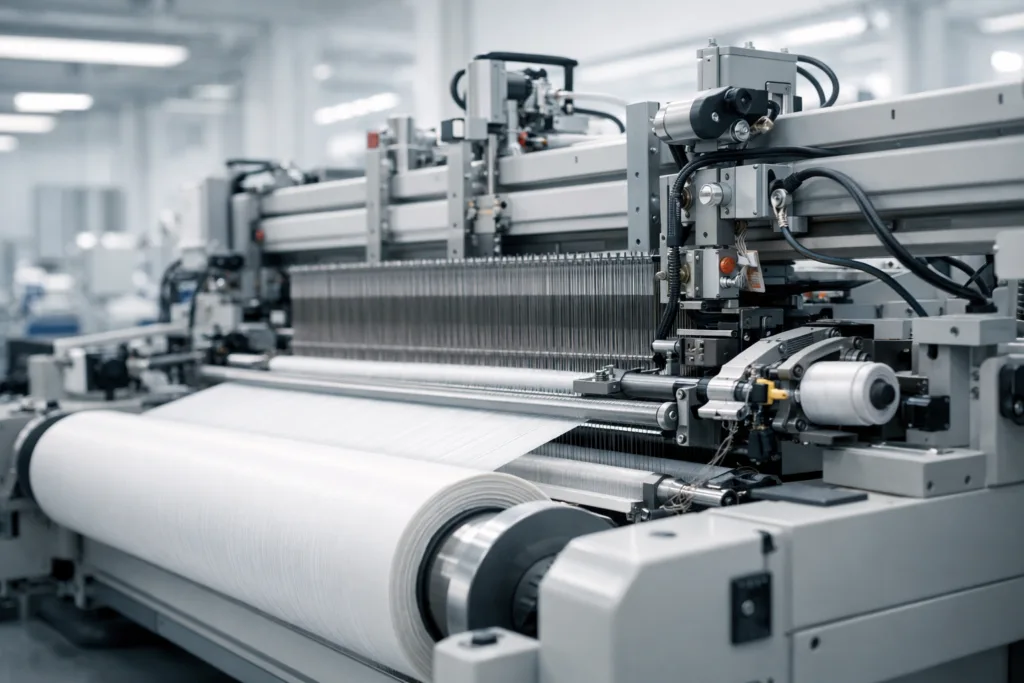
Clothing manufacturing in China—pros & cons considered—is ultimately a matter of fit for your brand’s needs, risk tolerance, and operational style. With realistic expectations, documented communications, and an understanding of the factory ecosystem, brands of any size can find durable, scalable partnerships. Just remember: Success is built on clarity, not speed; invest in process, and the outcomes will speak for themselves.
Frequently Asked Questions
What is the biggest risk when manufacturing clothing in China?
Quality inconsistency and unclear agreements are the main risks. Mitigate these with site vetting, sample approvals, and clear written documentation.
How do I find a reliable clothing manufacturer in China?
Start with professional sourcing channels, review previous work, request samples, and ask for references. Consider auditing the facility or hiring an inspection agent if possible.
Are Chinese factories open to small minimum order quantities (MOQ)?
MOQ policies vary. Some are flexible for startups, others prefer larger orders. Always discuss your needs upfront and verify flexibility before sampling.
How do I protect my clothing designs in China?
Use NDAs, register your designs and trademarks in China, and maintain careful communication records. Limit sharing of proprietary patterns unless working with trusted partners.
Can I use sustainable fabrics and certified processes when manufacturing in China?
Yes, many Chinese factories now offer OEKO-TEX, GOTS, and recycled materials, but always ask for valid certifications and confirm processes in advance.
What payment terms are common with Chinese garment factories?
Typically, factories request a 30% deposit and 70% balance after quality checks or before shipment. Confirm all policies and due dates in your contract.
Related Reading
- 25-Step Guide for Finding Clothing Manufacturers in China & Overseas
- Custom Clothing vs. Private Label: The Smart Brand Strategy Breakdown
- The Ultimate FAQ for MOQ, Sampling, and Lead Times in Apparel Manufacturing
- How to Get Consistent Clothing Manufacturing Quotes: A 13-Step Playbook
- Apparel Production Cost vs. Quality: Navigating Quotes, Risk, and ROI
