

Introduction: Can Vietnam Replace China for Apparel Manufacturing?
Vietnam has rapidly grown as a pivotal hub for apparel manufacturing, drawing global brands looking for alternatives to established sourcing countries. As trade dynamics shift and companies pursue diversified supply chains, a common question emerges: Can Vietnam replace China for apparel manufacturing? This article will thoroughly analyze Vietnam’s manufacturing strengths, limitations, and the factors that shape whether brands should choose Vietnam, China, or both for their apparel production strategies.
Vietnam’s Rise as an Apparel Manufacturing Alternative
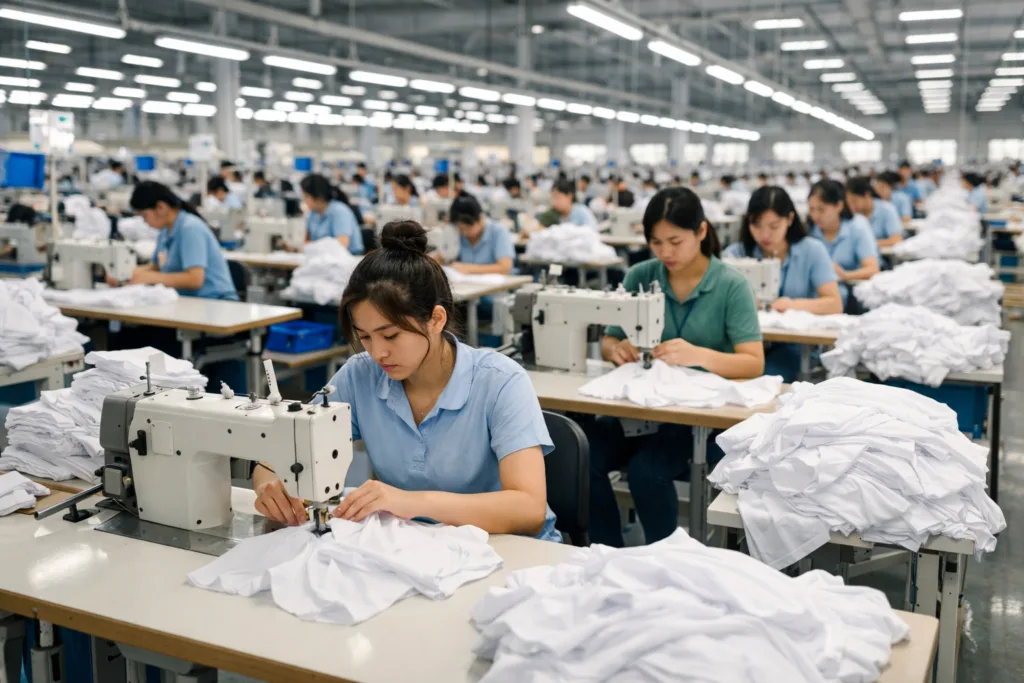
Vietnam’s apparel industry has surged in the past decade, thanks to competitive costs, improved infrastructure, and pro-business policies. Many global brands now list Vietnam among their top sourcing destinations. For those seeking a stable supply chain free from major geopolitical risks, Vietnam offers a promising alternative. However, the match between Vietnam and China for apparel manufacturing is not a simple contest. Let’s examine what brands should truly consider.
Key Advantages: Why Brands Choose Vietnam
- Lower labor costs for basic apparel
- Strong compliance with international standards
- Increasing number of modern factories
- Strategic geographic location in Southeast Asia
Vietnam Specializes in Basic Apparel and Cost-Driven Projects
Vietnam’s main appeal lies in manufacturing basic apparel items: T-shirts, polos, hoodies, and shorts. Brands looking to maximize cost savings on high-volume, straightforward designs find Vietnam especially attractive. The focus on large orders and simple cuts means many factories are set up for quick, efficient bulk production.
What Vietnam Does Well: Ideal Apparel Manufacturing Scenarios
Vietnam’s apparel sector thrives in projects where simplicity, cost control, and predictable volume are key. Typical examples include:
- Basic cotton T-shirts in large batches
- Standard polo shirts for corporate or promotional use
- Uniform hoodies and sweatshirts for schools or events
- Bulk sportswear with limited design complexity
Project Types Most Suited to Vietnam
| Project Type | Vietnam | China |
|---|---|---|
| Basic T-Shirts | Highly Suitable | Highly Suitable |
| Intricate Jackets | Limited | Ideal |
| Complex Custom Labels | Limited | Ideal |
| Uniforms (bulk) | Highly Suitable | Highly Suitable |
| Quick Repeat Orders | Moderate | Excellent |
For brands with predictable, uncomplicated styles and a focus on cost, Vietnam offers efficiency and reliable large-scale production.
Vietnam’s Limitations: What’s Hard to Replace About China?
While Vietnam is advancing quickly, several challenges make it difficult to fully replace China in apparel manufacturing:
- Accessory and trim supply chains are less dense in Vietnam, increasing material lead times.
- Factories may lack experience with complex finishes—like bonded seams, advanced printing, or multi-material inserts.
- Filling repeat orders and quick amendments (“补单” and “改样”) is less efficient, due to less integrated supply chain logistics.
- Capacity for intricate patterns, high-detail embroidery, and unique labeling is still developing in Vietnam.
For projects demanding rapid sample delivery, technical innovation, or one-stop access to diverse trims and fabrics, China maintains a distinct advantage. Explore why fast sampling still favors China for apparel brands.
China’s Apparel Supply Chain Density: Why It Matters
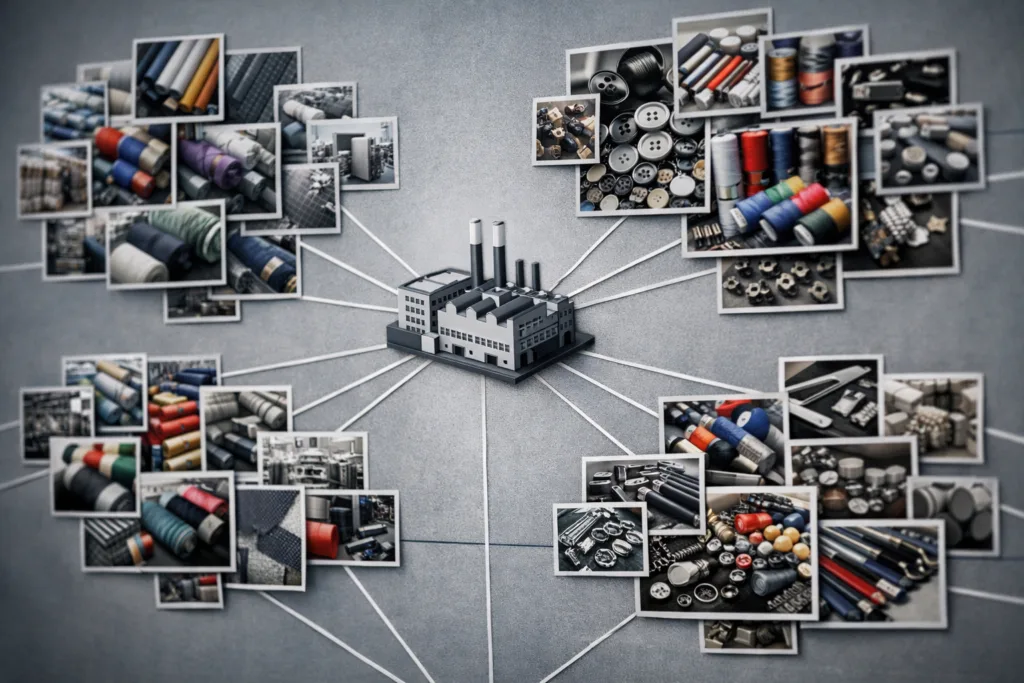
Chinese manufacturing clusters offer unmatched supply chain density. Virtually every accessory, fabric, or finishing detail is available within short reach—minimizing delays, reducing transport costs, and enabling quick changes at nearly any production stage. In cases where “补单” (replenishment orders) or “改样” (style amendments) are required, brands can expect a shorter turnaround time in China versus Vietnam.
Complex Craftsmanship and QC: The China Benchmark
Factories in China often handle specialized processes like laser cut panels, custom packaging, and intricate embroidery. Brands needing advanced decorations or ultra-precise fit rely on China’s depth of experience and consistency. As a garment manufacturer, Ninghow can share that producing detailed custom labels or complex stitching patterns demands established supplier networks—which remain strongest in China.
Apparel Supply Chain Stability: Speed, Flexibility, and Quality Control
Supply chain resilience is critical for brands launching or maintaining apparel collections. China’s ecosystem enables seamless repeat orders, scalable production, and direct access to millions of components. Projects that demand quick launch, strict QC, and reliable reorder capability should assess China’s stability. For more on building a stable supply chain, see why China’s apparel supply chain is still the most stable choice in 2026.
Vietnam’s Progress in Supply Chain Strength
Vietnam is improving infrastructure and local sourcing networks, but still faces longer lead times for specialty trims and fabrics. Fast-moving fashion brands or those launching new styles regularly need to balance these factors.
Comparing Fit, Sampling, and Product Iteration: Vietnam vs. China
When brands refine fit, launch new styles, or request sample runs, efficiency and flexibility matter. China’s end-to-end production flow remains more agile. Vietnam factories excel in standard fits and basic product lines, but may require extra time for pattern amendments or product adjustments mid-project.
For a deep dive into how sampling speed affects apparel development, check Unlocking Speed: Why Fast Sampling Still Favors China for Apparel Brands.
Private Label, Customization, and Branding: Which Country Wins?
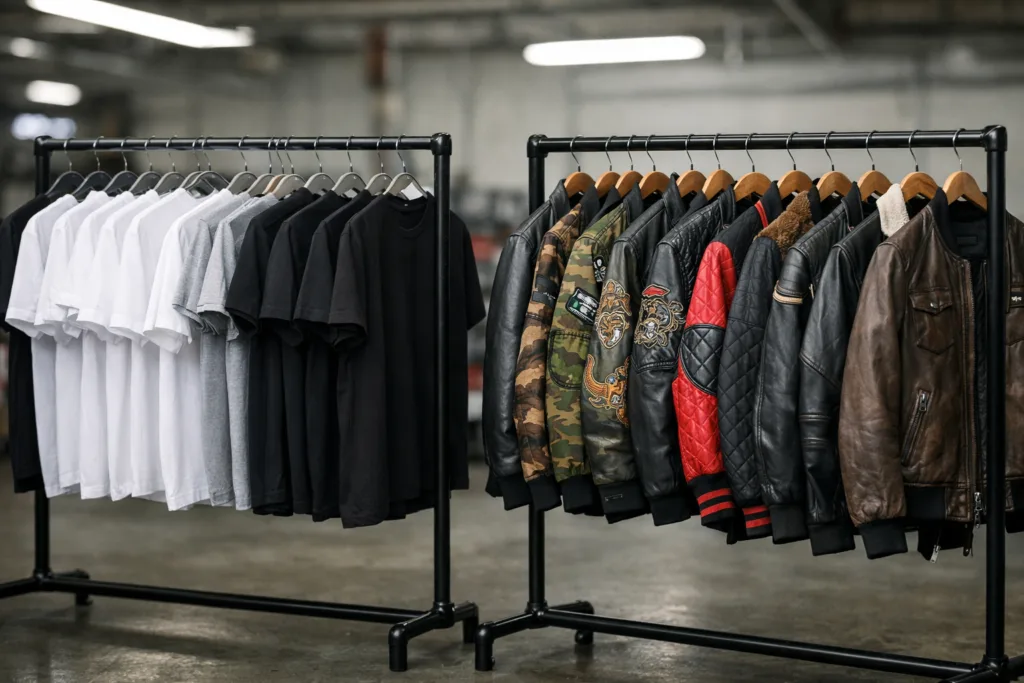
Branding has become crucial for apparel brands—whether it’s custom tags, unique packaging, or personalized garment details. China’s manufacturing base offers greater flexibility in customizations, with faster access to suppliers and deeper experience. Private label brands seeking signature branding elements often face longer lead times in Vietnam.
Project Types Needing Advanced Customization
- Custom labels and packaging for team or club apparel
- Complex embroidery or printed graphics
- Short-notice style updates for brand launches
Vietnam is catching up, but China dominates in advanced customization and fast iteration.
Brand Scenarios: Which Brands Should Consider Vietnam Over China?
Vietnam suits brands that:
- Focus on high-volume basics with minimal customization
- Need sharp cost savings for mass campaign projects
- Aim for simple eventwear or large uniform orders
China suits brands requiring:
- Complex designs and advanced finishes
- Rapid replenishment and sample turnaround
- Integrated sourcing and supply chain stability
China Plus One: Not a Binary Choice for Apparel Sourcing
Leading apparel brands are increasingly adopting a “China Plus One” strategy, using both China and Vietnam to optimize their supply chains. By splitting projects by product type—basics to Vietnam, innovation and rapid repeat to China—brands achieve agility, risk mitigation, and cost efficiency.
Can Vietnam Replace China for Apparel Manufacturing?
The answer isn’t a simple yes or no. Vietnam has firmly established itself as a credible alternative for basic, cost-driven bulk apparel. But when it comes to integrated supply chain density, complex craftsmanship, fast repeat orders, and advanced branding, China still holds unique advantages. Smart brands analyze their product mix, supply chain priorities, and flexibility needs before deciding. For critical insights on moving production out of China, see Should You Move Production Out of China? 7 Key Factors for Smarter Apparel Sourcing.
Conclusion: Segment Your Apparel Sourcing Strategy
Vietnam and China each offer unique strengths for apparel manufacturing. Instead of viewing the choice as a binary one, brands should segment their sourcing—leveraging Vietnam for basic, cost-efficient projects, and turning to China for complex, branded, or fast-moving production. Balanced sourcing delivers supply chain stability, flexibility, and competitive costs.
Frequently Asked Questions
Is Vietnam cheaper than China for apparel manufacturing?
Vietnam generally offers lower labor costs for basic apparel, but China’s efficient supply chain may offset savings for complex or branded products.
Why does China perform better with complex orders?
China’s dense supply chain, advanced technical capacity, and fast response times give it an edge on complex, customized, or urgent repeat orders.
Can Vietnam handle quick replenishment orders?
Vietnam factories are improving, but often take longer for rapid reorders or design changes compared with China.
Is the China Plus One strategy effective for apparel brands?
Yes, the China Plus One approach splits sourcing by project type, maximizing supply chain flexibility and reducing risk.
How can brands decide between China and Vietnam?
Assess each project’s complexity, customization needs, volume, and timeline—then choose the country best suited to your requirements.
Related Reading
- Inside China’s Apparel Supply Chain: How Brands Achieve Stability in 2026
- Launching Strong Private Label Team Clothing: Brand Growth Blueprint
- 25 Steps to Choose Smart Clothing Manufacturers for Global Apparel Success
- Should You Move Clothing Production Out of China? The Practical Checklist
- Understanding Cut and Sew: The Foundation of Custom Apparel Manufacturing
