

Introduction: Why Material Matters in Swimwear
When choosing between a bikini and a one-piece swimsuit, material considerations are crucial for both style and functionality. The keyword bikini material isn’t just about aesthetics—it’s about comfort, durability, stretch, and cost-effectiveness. Whether you’re a buyer, brand, or manufacturer, understanding the functional differences in materials can help you avoid costly mistakes and shape smarter bulk orders.
Bikini vs One-Piece: Material Considerations
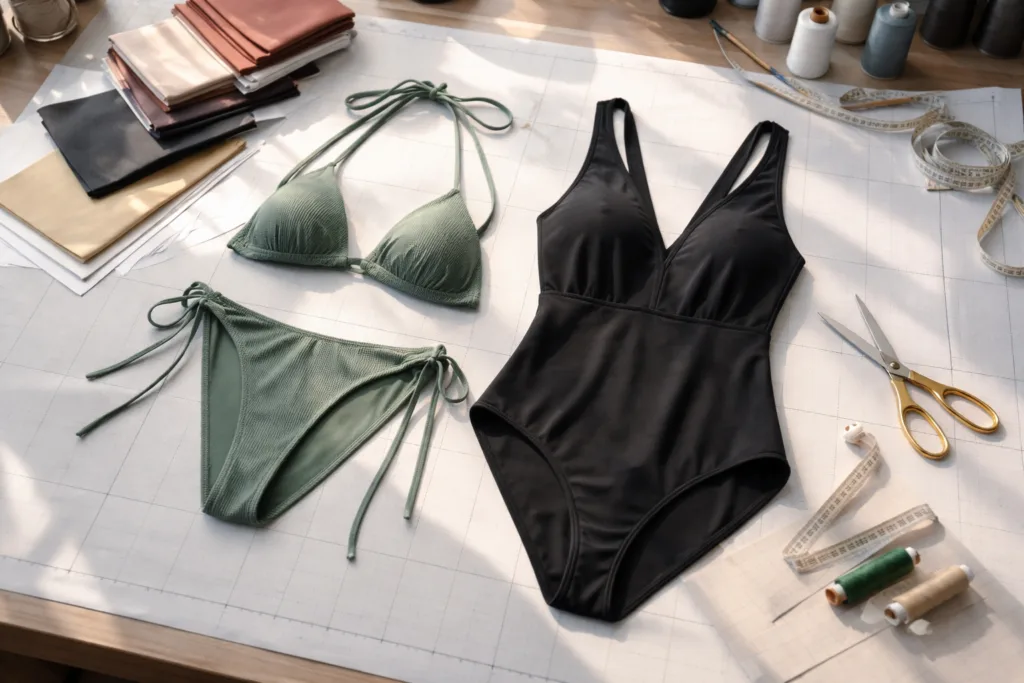
Both bikinis and one-pieces share several essential properties, but their material needs often diverge based on coverage, fit, and intended use. Let’s break down the core differences to help you make informed decisions.
Swimsuit Fabric Types: Common Choices
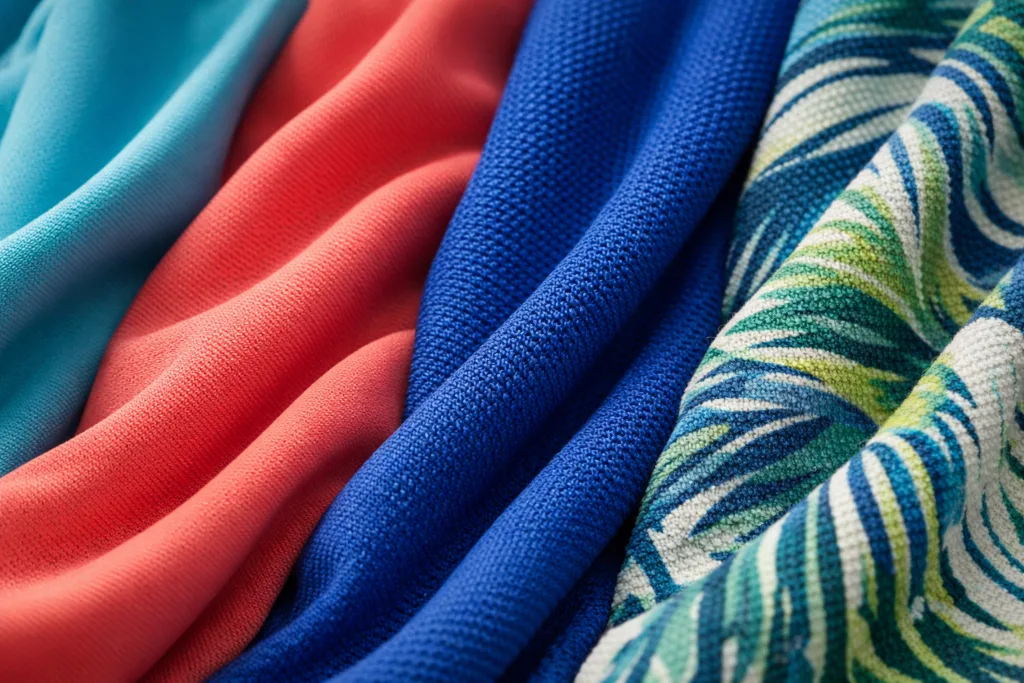
Most swimwear is crafted from blends like nylon-spandex (polyamide-elastane) or polyester-spandex. These materials offer stretch, resilience, and quick-drying properties. However, the ratios and fabric weight might vary for bikinis versus one-pieces. For deeper insights, see What Are Swimsuits Made Of? 11 Essential Material Facts to Make Your Next Bulk Order Smarter.
Functional Needs: Stretch, Support, and Shape
- Bikinis prioritize flexible stretch in smaller panels and rely on tighter fits for hold. The material needs a good balance of elasticity and recovery.
- One-Pieces use larger panels, requiring both strong stretch and consistent return. Added support may come from thicker fabric, inner lining, or mesh reinforcements.
Chlorine, Saltwater, and UV Exposure
Swimwear materials must resist fading and breakdown from chemicals and sunlight. Polyester blends typically offer better chlorine resistance than nylon blends. This becomes especially important as one-pieces often see more competitive or athletic use.
Comfort and Breathability Differences
Bikinis generally expose more skin, so the material only needs to be soft and irritation-free at contact points. One-pieces cover more area and sometimes include multiple layers, increasing the need for breathability and moisture wicking. Choose materials cleverly to avoid discomfort, especially for longer wear.
Fabric Weight: Lightweight vs. Heavy Duty
Bikinis often use lighter fabric—just enough for modesty and stretch. One-piece suits may benefit from heavier weights to ensure compression and smooth lines. Refer to 13 Swimwear Fabric Truths: How Stretch, Chlorine, and Fit Impact Every Order for more on stretch and durability factors.
Pattern and Panel Complexity
One-piece swimsuits have more complex construction: multiple panels, darts, sometimes built-in bra support. This changes how the material interacts during movement and impacts choices in elasticity and lining.
Fit Accuracy and Manufacturing Reality
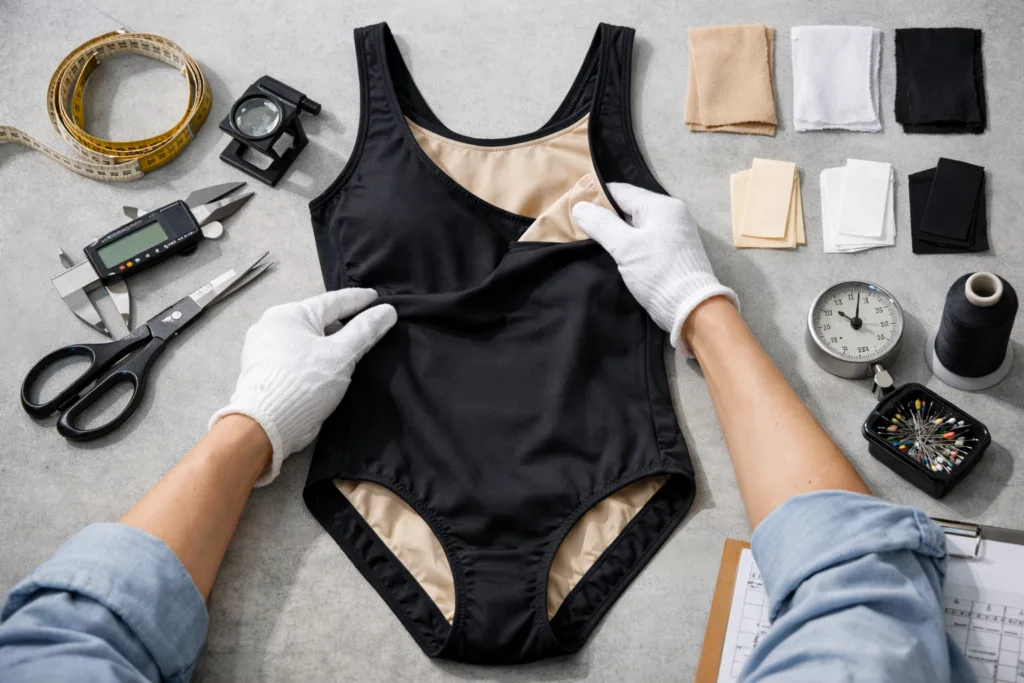
From a factory’s perspective, fit accuracy for one-pieces is more critical. If the material shrinks or loses shape, the entire torso fit fails. With bikinis, pattern errors impact only smaller panels. Ninghow, for example, always tests swimwear fabrics for shrinkage and colorfastness during sampling to minimize rework—a practice vital for bulk success.
Lining, Reinforcement, and Layering
One-piece suits generally require lining throughout for opacity and coverage. Bikinis might only have lining in certain zones (e.g., cup area or bottom). Choice of lining impacts comfort, cost, and stretch retention, making it a detail not to overlook.
Trims, Elastic, and Closures
Bikinis often use thin binding elastics and adjustable closures. Material must cooperate with these trims for smooth sewing and longevity. One-pieces may feature heavier elastics, full zippers, or integrated shelf bras, all demanding strong base material to prevent warping.
Color and Print Limitations
High-coverage swimwear, like one-pieces, amplifies color or print flaws, so factory color control is vital. Bikinis can get away with bolder prints and even thinner fabrics, as coverage is less. Interested in color control? See Lab Dip Approval Simplified: 7 Steps to Reliable Color Control for Apparel Brands.
Sustainability and Certifications
Recycled polyester and nylon are increasingly common for swimwear. Look for OEKO-TEX, GRS, or GOTS certifications, especially in larger panel one-pieces, where buyers demand more sustainable materials.
Price and Bulk Order Factors
Bikinis typically consume less fabric, lowering material costs per unit. One-pieces require more yardage, additional lining, and more complex manufacturing. Brands should factor in these differences when planning their product lines.
Chafing and Seam Construction
Since one-pieces cover more skin, seam quality is crucial to prevent irritation. Factories may choose flatlock or hidden seams to minimize friction. For bikinis, fewer seams mean easier construction, but attention to quality still matters.
Comparison Table: Bikini vs One-Piece Material Needs
| Criteria | Bikini | One-Piece |
|---|---|---|
| Fabric Weight | Lightweight | Medium to heavy |
| Stretch Ratio | High elasticity, tight recovery | Moderate, strong support |
| Lining | Selective (cups, bottoms) | Full lining |
| Panel Complexity | Simple patterns | Complex, multi-panel |
| Durability Needs | Moderate | High |
| Cost Impact | Lower | Higher |
| Sustainability | Optional | More demanded |
| Trim Use | Thin elastics, ties | Thick elastics, closures |
How Manufacturing Decisions Differ: Bikinis vs One-Pieces
Manufacturers pay attention to different pain points with each style. In bikinis, bulk fabric waste is minimal, while fit corrections are easier. One-piece suits require precise panel cutting and consistent sewing to prevent misalignment or puckering.
Sampling and QC: Avoiding Material Mistakes
At Ninghow, we always recommend trial orders on new swimwear materials. Testing for fabric shrinkage, colorfastness, and QC reporting are critical steps to lock in consistent quality before scaling. Learn more about sample approval in How to Eliminate Rework: The Winning Sample Approval Workflow for Garment Brands.
Bulk Ordering Tips for Brands
- Clarify fabric composition, GSM, and stretch specs upfront
- Request color and shrinkage tests
- Match lining material with outer fabric
- Choose trims for smooth sewing and longevity
- Factor in sustainability certifications where required
Private Label Options: Customizing Material Choices
Private label manufacturing allows brands to specify fabric blends, lining types, and custom trims for both bikinis and one-pieces. Factories like Ninghow typically offer swatch books and sample runs, helping clients verify material performance and compatibility with chosen silhouettes.
Trends in Swimwear Materials
Brands are increasingly requesting high-compression fabrics in one-pieces for body shaping, and softer, quick-dry materials for bikinis targeting beachwear. Sustainability and recycled yarns are in high demand, with more factories investing in GRS and OEKO-TEX certifications.
Key Takeaways: Bikini vs One-Piece Material Considerations
- Material choice impacts not just look and feel, but fit, durability, and manufacturing complexity.
- Bikinis need light, stretchy materials; one-pieces require support, lining, and color stability.
- Manufacturers must plan for pattern accuracy and QC processes, especially with one-pieces.
- Sustainability is a growing priority in bulk orders, especially for larger swimsuits.
Frequently Asked Questions
What is the best material for bikinis?
Most bikinis use nylon-spandex blends for lightweight stretch and quick drying. Polyester-spandex is also common for durability.
Are one-piece swimsuits more durable than bikinis?
One-piece swimsuits are often more durable due to thicker fabrics and full lining but depend on material quality and construction.
How does lining impact swimwear comfort?
Lining prevents transparency and adds softness, especially important in one-piece suits and select bikini areas for enhanced comfort.
Does swimwear material affect chlorine resistance?
Yes. Polyester blends resist chlorine better than nylon, making them ideal for frequent pool use or competitive swim styles.
Can I use sustainable fabrics for all swimwear?
Recycled polyester and nylon work for both bikinis and one-pieces. Certifications like OEKO-TEX and GRS confirm sustainability claims.
Why do manufacturers test for shrinkage and colorfastness?
Testing ensures swimwear fits correctly after washing and retains color, vital for bulk orders and reducing costly production errors.
Related Reading
- Behind-the-Scenes: Essential Machines & QC in Swimwear Production
- 7 Secrets to Matching Swimwear Fabric Handfeel & Performance
- How to Balance Swimwear Cost and Quality in Bulk Orders
- Bulk Swimwear: Nail Size Ranges & On-Time Delivery Every Season
- A Practical Guide to Sustainable Swimwear Fabrics for Buyers
