
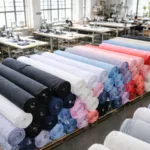

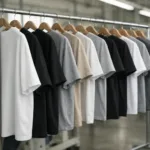

Introduction: Choosing the Best Fabric for Swimwear Manufacturing
Swimwear needs to do more than just look good—it must fit well, last long, stretch right, and handle repeated exposure to chlorine, sunlight, and salt water. So, what really is the best fabric for swimwear manufacturing? Brands, sourcing managers, and designers all face this puzzle. With dozens of options, the right choice can mean fewer complaints, stronger repeat orders, and smoother production runs. This guide cuts through the guesswork to help apparel professionals decide confidently.
What Makes a Fabric “Best” for Swimwear?
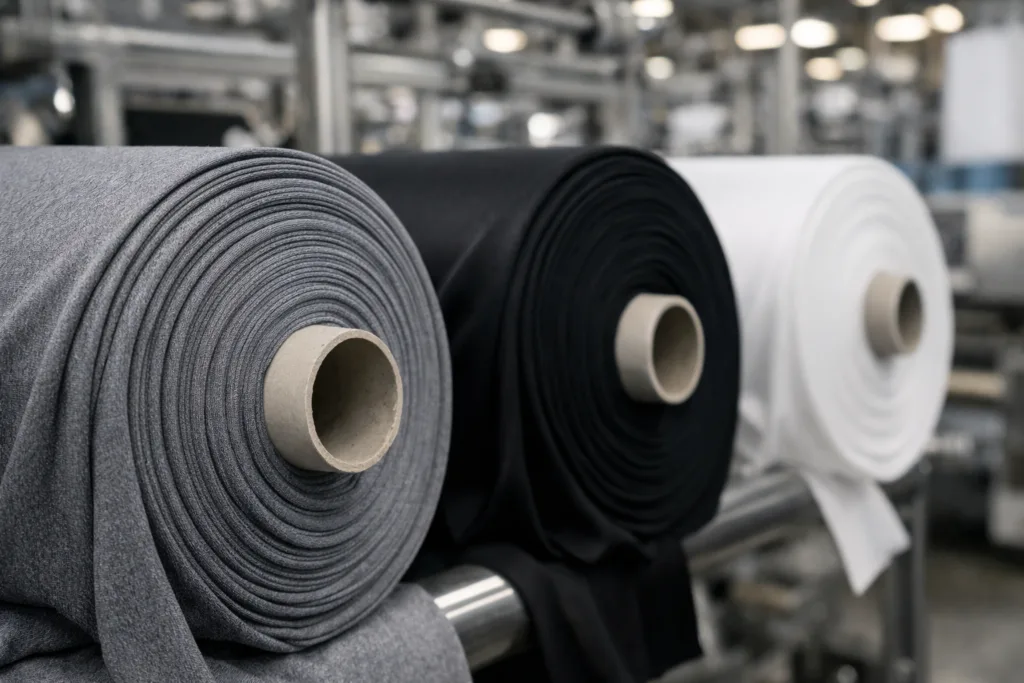
The best fabric for swimwear manufacturing must meet a unique cocktail of demands: tough stretch and recovery, fast dry time, strong colorfastness, soft feel, and especially top-grade resistance to chlorine. High chlorine and elasticity requirements narrow the field—let’s break down what matters most.
Core Performance Demands: Chlorine and Stretch
For pool swimwear, chlorine resistance is essential. Fabrics with poor resistance fade, lose shape, or even shred. Elasticity (stretch and recovery) ensures the suit hugs the body and bounces back wash after wash. Manufacturers who skip testing for these performance benchmarks risk costly rework or brand returns. For a full breakdown of fabric testing approaches, see The 2026 Guide to Shrinkage & Colorfastness Tests Apparel Buyers Need.
Main Fabric Options for Swimwear Manufacturing
There are three dominant fabric blends for commercial swimwear:
- Polyester & Spandex (Elastane)
- Nylon (Polyamide) & Spandex
- PBT (Polybutylene Terephthalate) & Spandex
Polyester/Spandex Blends: The Industry Workhorse
Polyester/spandex is now the go-to for durable, chlorine-resistant swimwear. Polyester offers exceptional colorfastness and shape retention, while spandex (elastane) provides the all-important stretch.
| Attribute | Polyester/Spandex | Nylon/Spandex |
|---|---|---|
| Chlorine Resistance | Excellent | Moderate |
| Color Retention | Very Strong | Good |
| Softness | Good | Excellent |
| Price | Mid | Lower |
Nylon/Spandex Blends: Popular for Comfort
Nylon/spandex (often called polyamide/elastane globally) feels luxuriously soft and smooth. It stretches easily, making it a favorite for fashion swimwear or competitive suits. However, chlorine breaks down nylon faster than polyester, so these suits show wear sooner with regular pool use.
PBT/Spandex Blends: The Choice for Endurance
PBT (polybutylene terephthalate) blends, paired with spandex, deliver outstanding chlorine resistance and shape memory. They are less common but heavily used in performance and team swimwear. These blends maintain their fit and elasticity for the longest, even after hundreds of swims. For technical buyers seeking maximum longevity, PBT blends are hard to beat.
How Fabric Composition Impacts Performance and Cost
Higher spandex content improves stretch—but increases cost and can reduce fabric lifespan if not properly stabilized. Polyester is best for vibrant, fade-resistant prints, while nylon wins on softness and quick-dry. Fibre percentages, yarn type, and fabric construction all affect both feel and durability. Manufacturers should balance elasticity, cost, and appearance for their target customer.
Comparison Table: 3 Leading Swimwear Fabric Blends
| Blend | Chlorine Resistance | Stretch | Softness | Colorfastness | Cost |
|---|---|---|---|---|---|
| Polyester/Spandex | 9/10 | 8/10 | 7/10 | 10/10 | Mid |
| Nylon/Spandex | 6/10 | 9/10 | 9/10 | 7/10 | Lower |
| PBT/Spandex | 10/10 | 7/10 | 7/10 | 9/10 | High |
Chlorine Damage: How It Affects Swimwear Fabrics
Chlorine, commonly used in swimming pools, is a harsh oxidizer that breaks down textile fibers over time. Its main impacts:
- Weakens elastane (spandex/lycra), causing fabric sag
- Fades dyes and prints, reducing the garment’s appeal
- May yellow white or pale-colored fabrics
Polyester and PBT resist these effects much better than nylon. For public pool, school, or high-frequency-use swimwear, this difference is crucial. Brand teams can avoid returns by specifying laboratory-tested chlorine resistance at the sourcing stage. For a technical explainer, see The 2026 Guide to Shrinkage & Colorfastness Tests Apparel Buyers Need.
Elasticity Testing: How “Stretch” Is Measured
Manufacturers measure elasticity with fabric stretch tests: pulling samples in both directions and recording how well the material returns to shape. Aim for recovery of 85%+ for swimwear. Always confirm this performance after multiple simulated washing cycles—not just fresh off the roll. Using substandard elastane can lead to fit complaints and costly rework in bulk orders.
Sourcing Chlorine-Resistant Fabrics: What to Request
When sourcing bulk swimwear fabric, request technical data sheets showing “chlorine resistance” performance. Look for:
- ISO 105/E03 (chlorine resistance test results)
- Colorfastness to swimming pool water
- Terms like “chlorine-proof” or “Endurance” fabric (but always verify specs!)
Why Fabric Construction Matters: Tricot vs Circular Knit
Most swimwear fabrics are “tricot” (warp knit), which provides superior stretch, excellent recovery, and smooth finish. Some lightweight, less-technical suits use circular knit, but you’ll sacrifice shape retention and long-term durability.
The Importance of GSM in Swimwear Performance
GSM (grams per square meter) determines thickness, coverage, and opacity. For adult swimwear, 180–220 GSM is common. Children’s wears may go lower, but too thin leads to transparency and poor print quality.
Chemical Finishes: UV, Antimicrobial, and More
Many suppliers offer swimwear fabrics with added UV resistance, quick-dry hydrophobic treatments, or anti-bacterial finishes. Always test these claims, as extra coatings sometimes decrease elasticity or comfort.
Practical Sourcing Considerations for Brands
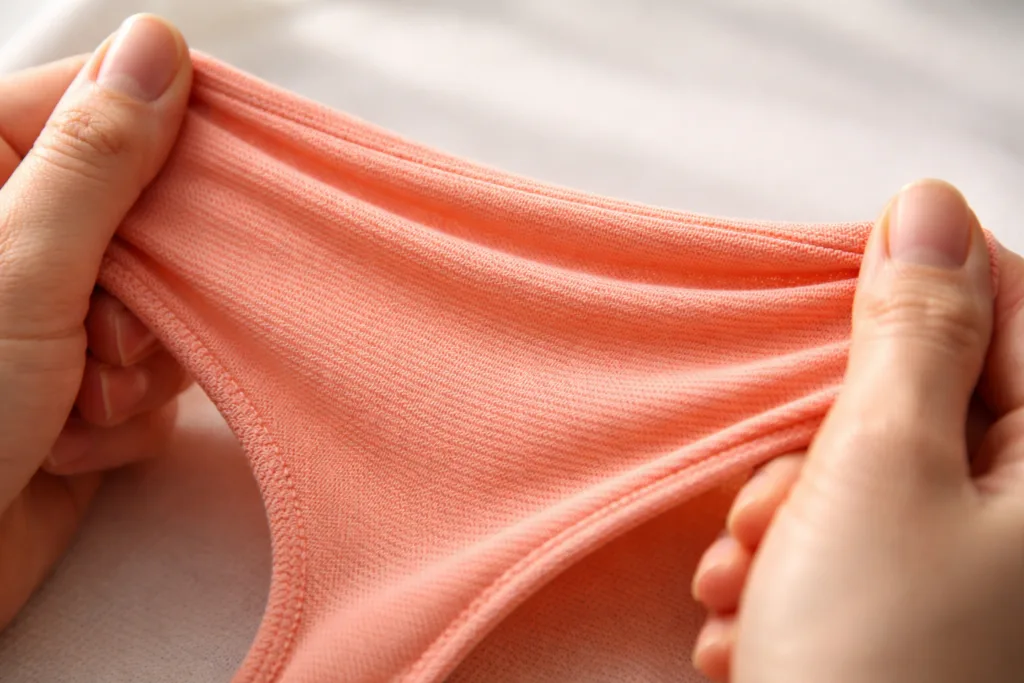
Don’t just select “nylon/spandex” and move on—specify exact ratios, GSM, stretch direction (4-way required), and test certifications. Demand recent “bulk lot” performance tests, not outdated sample reports. For more sample control steps, review How to Eliminate Rework: The Winning Sample Approval Workflow for Garment Brands.
Ethical and Sustainable Swimwear Fabrics
Recycled polyesters (like REPREVE® or ECONYL®) are increasingly common in sustainable swimwear. They offer performance nearly identical to virgin synthetics but with lower environmental impact—this can boost your brand story if properly certified. Ninghow has seen a steady rise in requests for GRS or OEKO-TEX certified swim fabrics in client orders.
Labeling, Care, and Quality Control for Swimwear
Accurate care labeling helps extend garment life. Recommend a cold rinse after each wear, gentle detergent, and shade drying. Perform random QC tests for construction, as seam puckering or faulty elastics can ruin even the best fabric. A practical QC checklist can be found in 29 Detail Checklist Steps Every Premium Private Label Clothing Manufacturer Can’t Ignore.
Ninghow’s Factory-Floor Insights—Preventable Mistakes in Bulk Swimwear Orders
From a manufacturing lead’s perspective, swimwear problems often trace back to sourcing shortcuts—like prioritizing color “pop” over chlorine endurance, or underestimating minimum GSM. One tip: always request a “wash and stretch” report from suppliers. If outsourcing, review real production yardage, not just lab swatches. These steps prevent shrinkage, bagginess, and costly returns, which Ninghow prioritizes at the bulk approval stage.
Packaging and Shipping Tips for Swimwear
Use individual polybags to prevent transfer stains from prints or trims. For recycled fabrics, always include relevant certification paperwork in the shipment. Flat packing is preferred to avoid creasing and distortion. For large orders, verify moisture control protocols to avoid mildew or yellowing in transit.
Lead Time and MOQ Factors for Swimwear Fabrics
Custom-printed swimwear fabrics (especially recycled) often have longer lead times and higher minimum order quantities. Plan for 25–40 days production plus shipping, depending on the supplier and printing process. Last-minute changes to fiber ratios or finishes can lead to delivery delays.
Sustainable Sourcing: Certifications and Buyer Demands
GRS (Global Recycled Standard) and OEKO-TEX certifications are common buyer requests. Many factories will provide these for recycled polyester/nylon blends or for fabrics manufactured with sustainable processes. Always check certificate dates and scope for each bulk order, as requirements can differ by country and retailer.
Colorfastness and Print Brilliance Considerations
Polyester is unbeatable for bright, long-lasting prints, especially for sublimated designs on swimwear. Nylon is also good but may dull faster with repeated chlorine exposure. Print testing under UV and pool chemical conditions is critical for high-volume or brand-heavy swimwear lines.
Cost Drivers in Swimwear Fabric Selection
Factors affecting price:
- Type and content of synthetic fibers (e.g., 22% spandex is pricier than 15%)
- Recycled content and certification cost
- Specialty finishes (e.g., water-repellent)
- MOQ and dye/print complexity
Final Quality Checklist for Bulk Swimwear Manufacturing
- 4-way stretch (with high recovery)
- Laboratory-tested chlorine and UV resistance
- Colorfastness (pool, salt water, sunlight)
- No see-through issues at desired GSM
- Soft, smooth handfeel suitable for skin contact
Best Fabric for Swimwear Manufacturing
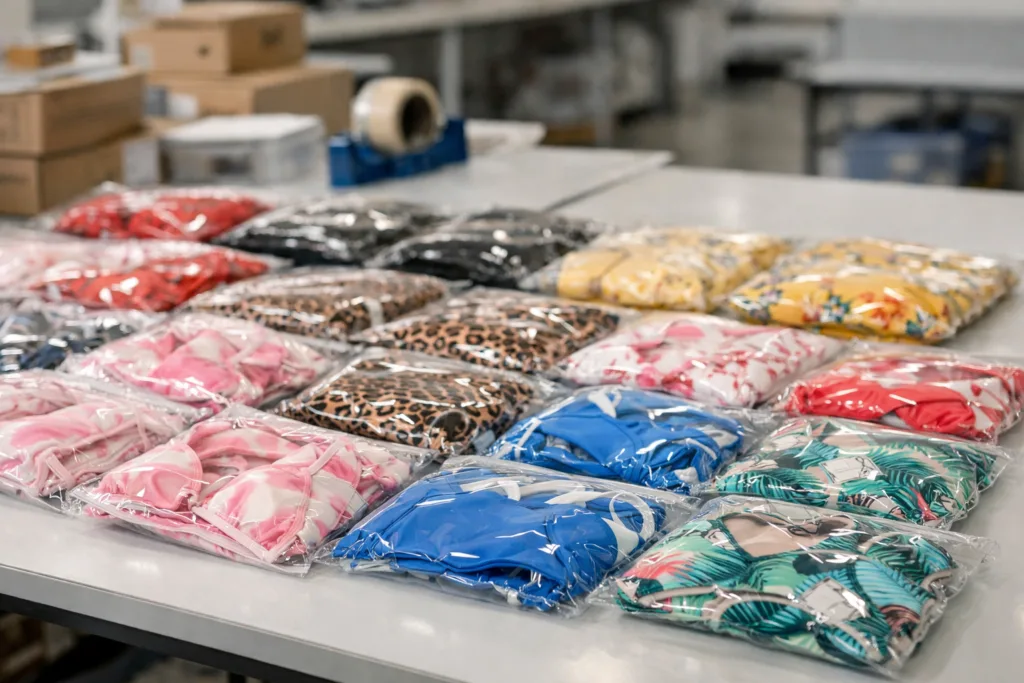
The best fabric for swimwear manufacturing is a high-quality polyester/spandex or PBT/spandex tricot blend with proven chlorine resistance, robust stretch, and consistent QC. Nylon/spandex is acceptable for fashion-focused or lightly used suits, but pool-heavy brands should stick to high-chlorine rated synthetics. Always balance brand aesthetic, performance, and cost in your selection—for lasting garments and smoother bulk orders.
Frequently Asked Questions
What is the most chlorine-resistant fabric for swimwear?
PBT (polybutylene terephthalate) blends and high-grade polyester/spandex are the most chlorine-resistant fabrics for swimwear, ideal for competitive or pool-heavy use.
Is nylon or polyester better for swimwear?
Polyester is better for chlorine and color retention, while nylon offers a softer feel. Choose polyester for durability, nylon for short-use fashion swimwear.
What GSM is recommended for swimwear fabric?
Most adult swimwear uses fabrics between 180–220 GSM—a balance of coverage, durability, and stretch needed for reliable wear.
Should I use recycled materials for sustainable swimwear?
Yes. Recycled polyester/nylon blends (with GRS or OEKO-TEX certification) are common, offering almost the same performance as virgin fibers but with lower environmental impact.
How can I test for good swimwear elasticity?
Request stretch and recovery test results from your supplier—seek 4-way stretch and 85%+ recovery after multiple washing cycles for dependable fit.
Why is tricot knit preferred over circular knit for swimwear?
Tricot knit offers stronger stretch, better recovery, and smoothness, critical for form-fitting, long-lasting swim garments compared to circular knit structures.
Related Reading
- 11 Material Secrets That Make Your Next Bulk Swimwear Order Smarter
- How to Spot Truly Sustainable Fabrics For Your Apparel Line
- Is Your Private Label Factory Missing These 29 Critical Quality Steps?
- Never Rework Again: The Sample Approval Workflow All Garment Brands Need
- 7 Sourcing Tactics to Master Swimwear Fabric Handfeel and Quality
