





Introduction: Why Complex Garments Are Still Easier to Develop in China
In custom apparel, complex garments mean more than fancy designs—they often require multi-material construction, challenging techniques, special trims, and repeated samples. It’s no surprise that “complex garment manufacturing China” and related terms are searched by brands seeking a reliable solution. But why does China remain the preferred partner not just for basics but for complicated teamwear, sportswear, and fashion styles? Let’s break down the reality, the supply chain demands, and what this means for apparel developers worldwide.
Defining Complex Garments
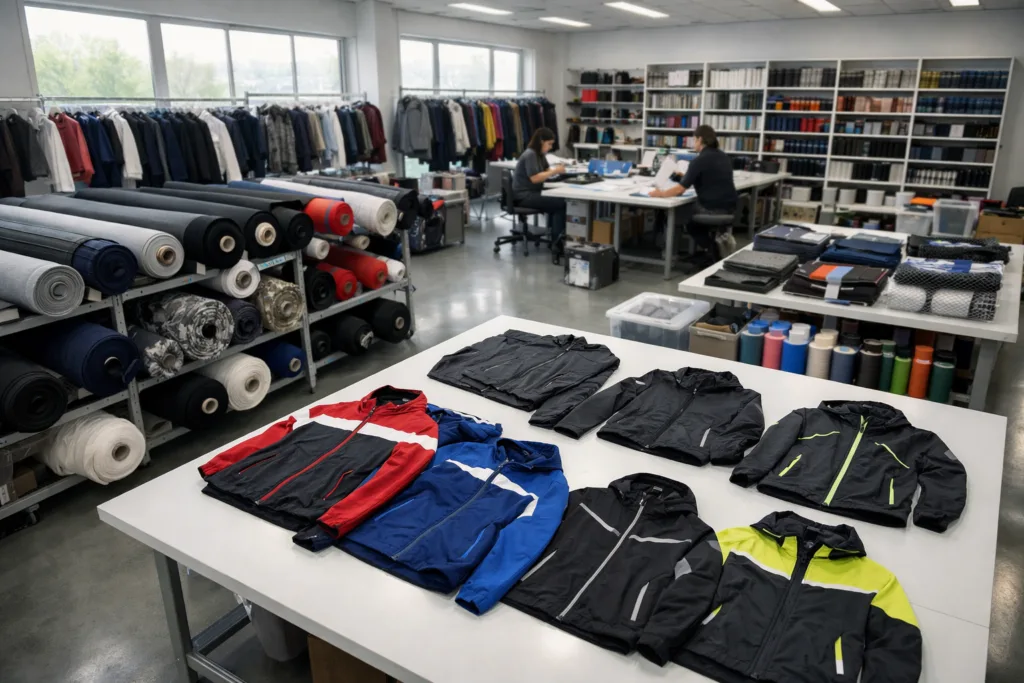
Complex garments go beyond the basic T-shirt or plain hoodie. They’re defined by the use of multiple fabrics, intricate construction methods, layered accessories, specialized trims, or a high number of pattern and fit adjustments. Examples range from multi-panel team jackets and moisture-wicking golf polos with contrast piping to sports hoodies with zip-off sleeves and custom mesh panels. These product types require experienced development partners—something often highlighted in guides to how custom teamwear is made.
Key Elements of Complexity
- Multi-fabric combinations: mesh, rib-knit, performance polyester
- Advanced construction: taping, bonded seams, waterproofing
- Accessory integration: zippers, hood pulls, special pockets, reflective prints
- Frequent pattern corrections and samples
Why It Matters
These elements are not just style details—they create new risks, higher communication needs, and a demand for absolute fit and function. Sloppy details can ruin a launch or cost a brand thousands. Brands that want to avoid those pitfalls look for a country with robust experience in production and development—and China’s edge is still clear.
Why Complex Garment Development Challenges the Supply Chain
Complex apparel is much more than sewing the right pieces together. Each step, from initial design to final packaging, puts new pressure on timeliness, materials sourcing, sampling, and quality control. For instance, a team hoodie with custom color block panels, water-resistant zippers, and specialized prints is a coordination puzzle. Each piece must arrive exactly on time, every process step performed flawlessly, and communication lines must stay open.
Core Supply Chain Challenges
- Coordinating multiple materials arriving from different suppliers
- Managing custom color dye-lots and fabric weights
- Scheduling production windows and inspections for sample revisions
- Integrating specialized trims (zippers, reflective heat transfers, etc.)
- Ensuring consistent results across all units, even with repeated changes
For a deeper dive into how port access and supply links affect timelines, see apparel lead times by port access.
China’s Advantages: Why Complex Garments Are Still Easier Here
Why does China handle complex styles with far fewer headaches? It comes down to a mature support system unique to its manufacturing base. Here’s what global brands consistently experience from technical garment manufacturing China suppliers:
1. Complete Material Ecosystem
China houses the world’s broadest network for technical fabrics, trims, and functional accessories. Whether you need moisture-wicking mesh layered with recycled polyester, or a full suite of bonded PU zippers, domestic supply chains run deep and fast. Most sample and production sourcing happens in key clusters, so even highly custom needs can be filled with short lead times.
2. Vertical Coordination
Mainland Chinese factories that handle complex apparel invest in close-knit relationships between pattern teams, sample rooms, cutting, sewing, and trim suppliers. Even when a brand changes a panel shape or spec mid-project, vertical coordination (from fabric to finished garment) avoids typical delays seen in competitors like Bangladesh or Vietnam. This reality is unpacked in how vertical coordination impacts manufacturing speed.
3. Deep Sampling Experience
Complex garment development is sample-driven—few things are perfect on the first pass. China’s development rooms handle dozens of custom jobs daily, so iterative corrections, material swaps, and detailed fit checks are standard practice rather than a struggle.
4. QC Processes Tuned for Complexity
With complex pieces, a single missed accessory or wrong seam can cause disaster. Leading Chinese factories know exactly where QC breakdowns occur and have bench-tested processes for catching them. For example, they’ll do final trim checks before bulk cutting, not after. That alone prevents costly rework.
5. Faster Fabric and Trim Sourcing
Changing a color or swapping a zipper style late in development can cause months of delay in garment hubs without local supply. In China, those changes are often resolved with a day trip to a city’s trim market or fabric supplier, keeping projects on track in timeframes few other countries match.
6. Predictable Lead Times & Lower Hidden Costs
Every day matters when launching a new collection. China’s ability to compress sampling and production—due to close factory–supplier proximity and proven coordination—keeps surprise costs low and launch calendars reliable. This stability is essential for seasonal sportswear and teamwear launches, where delays can kill team orders.
Which Garments Are Most Impacted?
Not every style benefits equally. Complex garment production is most critical when:
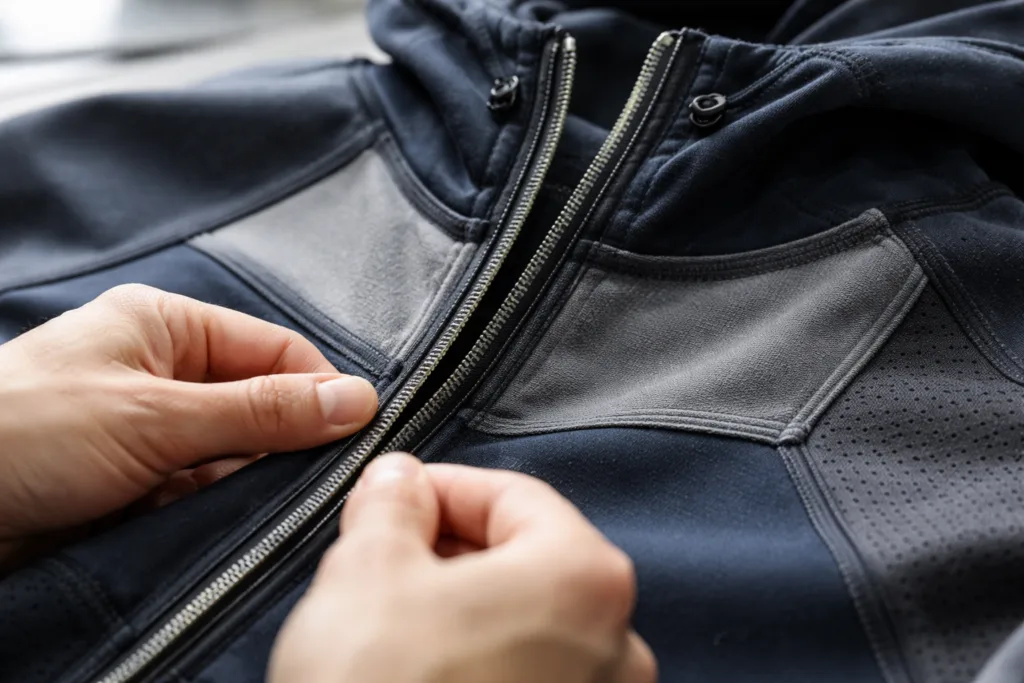
- Products require high-adjustment samples: custom sports jerseys, team jackets, outerwear
- Bulk orders must be delivered on tightly set events (team seasons, sports launches)
- Technical details (e.g., waterproof membranes, laser-cut panels, welded seams) make the difference between functional and failed apparel
- Brand identity depends on unique trims or finishing touches (custom aglets, special labels)
Examples in Sportswear, Teamwear, and Hoodies
Consider a custom club hoodie: three mix-and-match fabrics, double-needle shoulder seams, wide-range sizing, and custom-stitched logos. The complexity compounds as more features are added. Similar challenges appear in custom moisture-wicking golf polos (panel piping, hidden plackets, branded buttons) and team jackets (mesh lining, reflective safety tape, zipper garages).
Ninghow’s Practical Insights from the Shop Floor
From real-world production, it’s clear: time and mistakes multiply with every extra trim or custom fitting. At Ninghow, pattern teams and sample rooms coordinate closely with brands to confirm mock-ups—not only for design, but critical fit zones like cuffs and hoods. Adjustments can require new markers, recalculated fabric yields, and updated trim orders, so experienced staff control changes smartly. One underappreciated trade-off? Sometimes, it’s more efficient to suggest slight design simplifications early, rather than endless resampling—which protects lead time and delivers a more consistent final product.
Supply Chain Strength vs. Competing Countries
Many brands ask, “Why not develop complex garments in Vietnam or Bangladesh?” While capable, these countries often lack hyper-local access to specialized fabrics or trims, leading to longer sourcing delays and higher risk of miscommunication when custom changes arise. In China, even minor updates (like a zipper pull change or print method adjustment) can be actioned within days rather than weeks—something that seasonal brands can’t afford to overlook.
Common Development Pitfalls (and How China Avoids Them)
- Slippage in Sample Rounds: Quick fixes are possible due to easy access to patternmakers and materials in one city
- Trim Shortages: Chinese factories maintain trim/label/zip inventories and direct relationships with suppliers—rare elsewhere
- Factory Overload: Seasoned technical factories allocate resources for complex jobs rather than only chasing high-volume, basic T-shirts
- Shipping Complications: Proximity to world-class ports and logistic hubs reduces last-mile risks
What to Check When Sourcing Complex Apparel from China
- Factory’s experience with similar complexities (request sample photos, reference builds)
- Core team stability (turnover or ad-hoc hiring in sampling can destroy rhythm)
- Transparent process for sample revision rounds and material substitutions
- On-site QC for multi-stage production (not just end-line checks)
- Clear agreements on fit standards—especially with complex gradation or youth/adult sizing
Tips for Technical Communication with Your Manufacturer
- Use annotated tech packs with precise details (calls for special seam finishes, layering, stitch counts)
- Request pre-production samples for every unique construction step
- Establish a fast feedback loop for every sample (photos, video calls, digital markups)
- Log every pattern/fabric change to avoid version confusion
How to Plan Lead Times and Sizing
Complex garments with heavy sample changes require extra lead time—plan for it! For a full breakdown, see how long custom teamwear manufacturing takes. Also, with variable fits, bulk sizing mistakes get expensive: use smart strategies for size planning and trial runs to catch errors early.
Cost Efficiency: The Trade-off Between Labor, Quality, and Speed
China’s labor isn’t the world’s cheapest, but rapid sampling, accessible trims, and fewer missed deadlines balance out the total cost of complex apparel. Brands who chase only headline labor rates elsewhere often face hidden re-costs and rework fees when corrections stack up. In technical manufacturing, time is money, and time loss equals sunk costs—and China’s system is optimized to minimize them.
QC and Risk Reduction for Complicated Orders
In every sample and bulk run, risk rises with complexity. Don’t guess: insist on duplicate samples for size and construction approval, and schedule layered QC at raw material intake, during sewing, and at final trim attachment. Reliable partners make this the rule, not the exception.
Future Outlook for Complex Clothing Production China
Looking ahead, the country is strengthening its supply ecosystem even further—with next-generation performance fabrics, automated pattern-making, and digital sample sharing coming fast. Brands willing to invest in development will find unique options unavailable elsewhere—and predictable results. For all their promise, competitor nations don’t yet offer the same total-package power for high-adjustment, specialty or event-driven apparel launches.
Why Complex Garments Are Still Easier to Develop in China
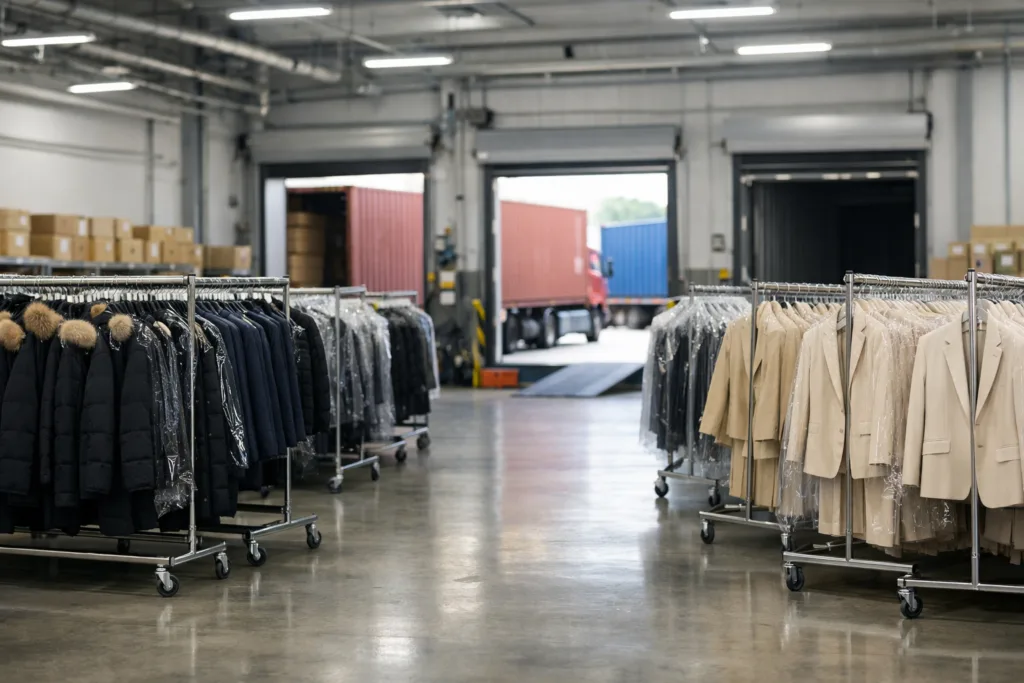
Despite the headlines, China remains the gold standard for complicated, specialty apparel thanks to unbeatable supply chain integration, practical development know-how, and a deep bench of technical manufacturing talent. When every detail matters, having access to instant material swaps, expert sample teams, and tight-knit QC brings a peace of mind that’s harder to quantify—but impossible to substitute. For teams, brands, and buyers who value reliability over theory, the path is still clear: for complex garment development, China delivers measurable advantages from concept to final delivery.
Frequently Asked Questions
What exactly makes a garment ‘complex’ in production terms?
Garments are complex if they have multi-fabric construction, layered trims, specialized finishing, or require more than two rounds of pattern/sample revisions—such as team jackets, custom polos, and technical outerwear.
Can Vietnam or Bangladesh match China’s flexibility on complex apparel?
They are improving but typically can’t match China’s speed in local sourcing, trimming, or rapid pattern adjustments due to narrower supplier networks and longer logistics timelines.
How do Chinese factories handle frequent sample changes?
With established sample teams, direct access to materials, and tight supplier coordination, most technical factories in China quickly process corrections—often turning them in days, not weeks.
Are lead times always faster for complex garments in China?
Compared to most rival countries, yes. That’s due to local fabric/trim ecosystems and vertical integration. Complications can add time anywhere, but China shortens the recovery.
How should I communicate my technical apparel specs for best results?
Supply annotated tech packs, clear change logs for every round, and confirm all trims and stitch types in samples. Quick photo and video feedback also help prevent mix-ups.
Does choosing China for complex garments reduce total production risk?
In most cases, yes. Reliable Chinese factories minimize errors, keep corrections efficient, and have built-in backup suppliers—all crucial for reducing costly errors on intricate pieces.