
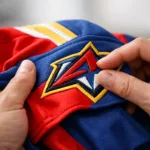




Introduction: Quality Control Shapes Every Team Clothing Order
When placing a bulk team clothing order, quality control (QC) is not just a buzzword—it’s the difference between clothing that wins trust and gear that falls short. What quality control should buyers expect from a team clothing manufacturer? Whether you’re sourcing custom uniforms or club apparel, understanding factory QC checkpoints and buyer-facing standards is essential for avoiding costly mistakes, frustrations, or delayed events. This guide demystifies apparel manufacturing QC, walks you through what matters at each stage, and reveals practical ways to protect your team’s fit, identity, and investment.
What Quality Control Should Buyers Expect from a Team Clothing Manufacturer?
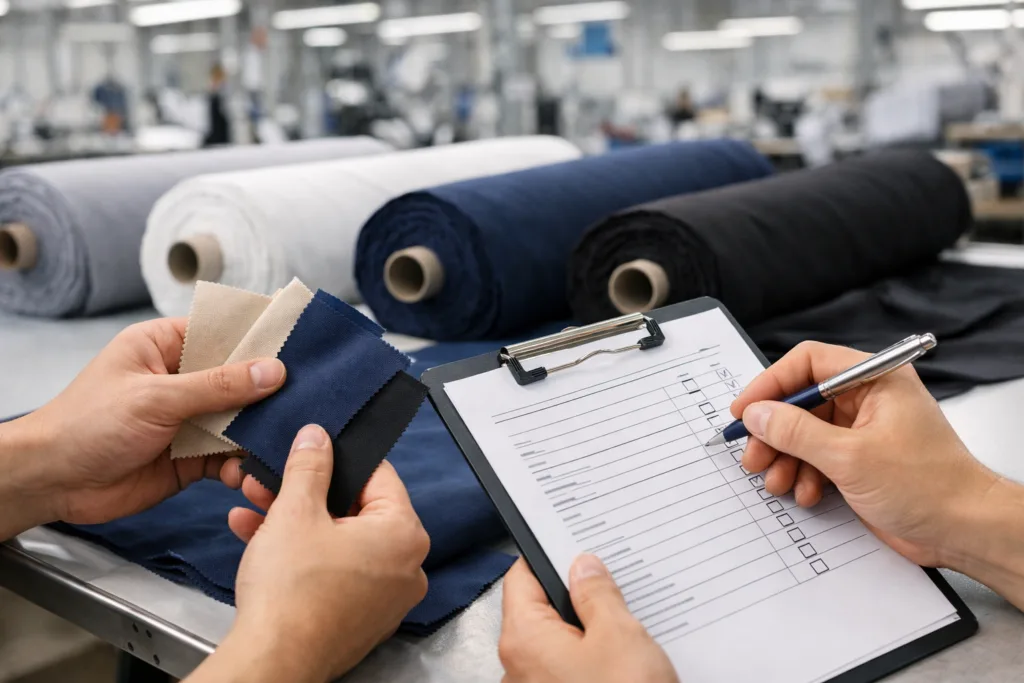
Team clothing production involves multiple quality control checkpoints that buyers must know. From material inspection and sample approval to bulk production and shipping, reliable QC ensures every jersey, hoodie, or polo meets the promised standards. Let’s break down the essential steps and the benchmarks buyers should demand at each stage.
Understanding Apparel Manufacturing Quality Control
In apparel manufacturing, QC means controlling quality throughout the entire fabric-to-garment workflow. Factories use set checkpoints to prevent defects, protect fit, and maintain consistency. For buyers, knowing these checkpoints builds confidence and sharpens communication.
Defining QC in Team Clothing Manufacturing
QC is the process that ensures every piece meets buyer requirements regarding materials, sizing, stitching, branding, and packaging. It includes both factory checks and buyer-facing sign-offs.
Why Quality Control Matters for Team Apparel
Poor QC leads to mismatched sizes, color fades, logo misprints, and uncomfortable fabrics—ruining team unity and brand reputation. Clear QC prevents headaches, relaunches, and budget overruns.
The Team Clothing Quality Control Workflow: From Raw Material to Delivery
Every trustworthy manufacturer sets up a QC workflow covering these stages:
- Material and trim inspection
- Sample approval (pre-production)
- Cutting and sewing oversight
- Logo and branding technique control
- Final garment inspection
- Packing and shipment checks
Material Inspection: The Foundation for Reliable Teamwear
Quality starts with fabrics and trims. Factories sample bulk rolls and test them for weight, stretch, colorfastness, and durability. Experienced buyers request these test reports, especially when teams require moisture-wicking, stretch, or special color matching.
| Material Checkpoint | Why It Matters | Buyer Action |
|---|---|---|
| Fabric Quality (Visual/Touch) | Comfort and durability | Request swatch approval |
| Color Consistency | Team identity | Ask for lab color reports |
| Trim & Accessories | Buttons/zippers do not fail | Check samples and specs |
Sampling Stage QC: Protecting Your Order from the Start
Approving samples is a critical buyer-side QC. The factory submits a physical sample based on your specs—this is your chance to check fit, stitching, logo placement, fabric, and overall appearance. Reviewing why full-package manufacturing is harder to copy than most buyers realize will highlight how this early QC step sets the stage for smooth bulk production.
Fit and Sizing Accuracy
Teams rely on precise sizing for comfort and uniformity. Buyers should measure samples and use size charts that reflect team needs. To avoid big sizing mistakes, see this guide to planning sizes for bulk team clothing orders.
Logo, Print & Embroidery Checks
Sampling gives buyers an opportunity to assess print crispness, embroidery quality, and color alignment. Factories often use heat transfer, screen printing, or embroidery—each has its own QC risks. Comparing logo methods for team clothing will help you choose the right branding technique for your needs.
Bulk Production QC: Keeping Perfect Consistency
During bulk manufacturing, QC staff monitor cutting, sewing, and finishing. They ensure pattern alignment, accurate stitching density, and correct logo placement. Random checks prevent issues from snowballing and help guarantee that every piece matches the approved sample.
Stitching, Seams, and Trim Control
Uniform seam allowances, strong stitches, and secure trims are key for durability. QC teams use inspection charts, and experienced factories like Ninghow often set minimum standards for stitch density and thread quality.
Color Matching in Mass Production
Ensuring consistent team colors across hundreds of garments requires careful control of dye lots and production batches.
Logo, Print & Embroidery Inspection
Bulk QC checks for logo placement, sharpness, and color fidelity. Off-centered or blurry logos fail QC and require immediate rework.
Final Inspection: The Last Defense Before Shipping
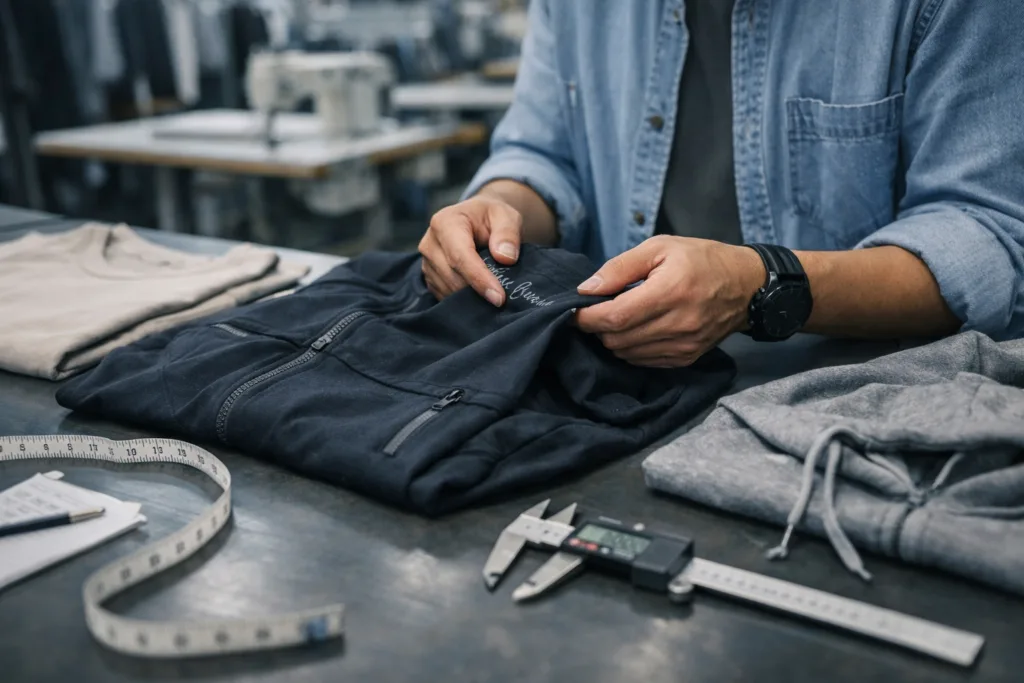
Before packaging, factories conduct a full garment inspection, checking for stains, sizing errors, stitching faults, print/embroidery issues, and finishing mistakes.
| Inspection Item | Why It Matters | Buyer Sign-off |
|---|---|---|
| Stitching & Seams | Durability & appearance | Review garment photos or samples |
| Sizing Consistency | Team comfort | Request measurement reports |
| Branding Quality | Professional image | Approve clear logo photos |
Packing & Shipping QC: Protecting Team Apparel During Delivery
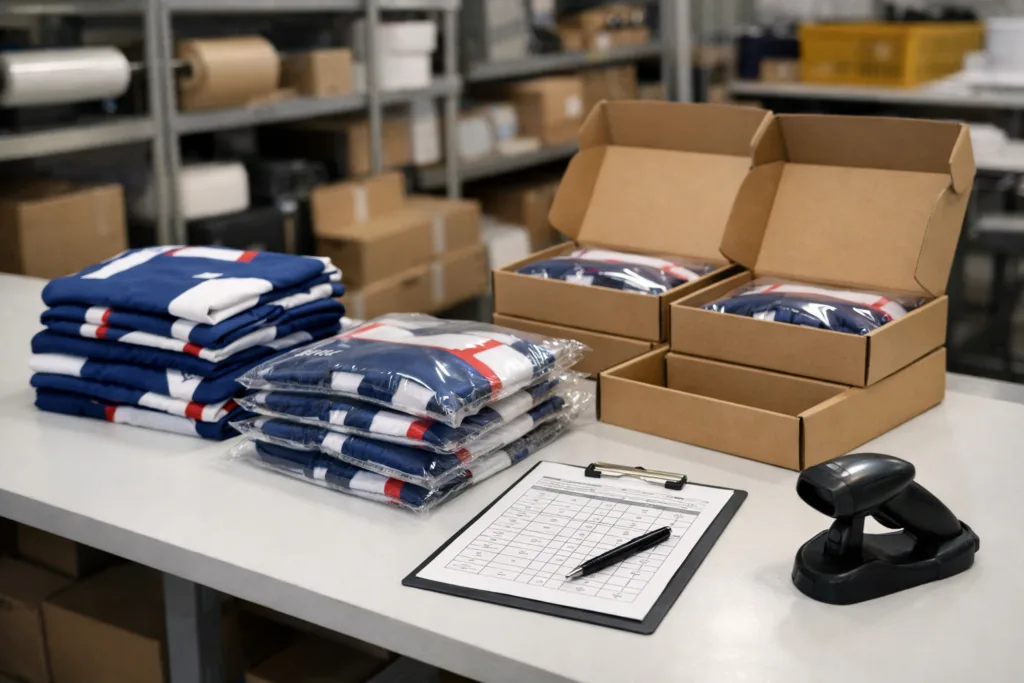
Reliable packing makes sure garments arrive undamaged and organized. Garments are folded, bagged, and boxed according to buyer instructions. Packing lists, carton drop tests, and branded packaging are all part of QC.
Buyer-Facing Quality Control Standards: What You Should Demand
- Clear QC documentation (checklists, reports, signed samples)
- Stage-gate approvals: Material, sample, bulk, final
- Regular progress updates and QC photos/videos
- Defect rate transparency and rework policy
- Predictable delivery timelines (including QC buffer)
Common QC Problems in Team Clothing Manufacturing
- Color inconsistencies between batches
- Sizing errors, especially for junior or plus sizes
- Poor logo placement or quality
- Loose stitching, unfinished seams
- Missing trims or labels
- Packing mistakes causing damaged goods
How Experienced Manufacturers Handle Quality Control
Veteran factories like Ninghow build QC into every step. Practical shop-floor routines include daily inspection charts, cross-checks between pattern, cutting, sewing, and finishing teams, and regular communication with buyers. When risky trims are used (e.g., specialty zippers or logo patches), extra samples and staged QC sign-offs are offered for buyer peace of mind.
Quality Control Tools and Systems: What Makes Them Reliable?
- ISO-certified processes (often used for export orders)
- Custom digital QC tracking for real-time monitoring
- Barcode/QR code tracking of batches for traceability
- Photo and video evidence shared with buyers
Fit and Sizing QC: Preventing Teamwear Disasters
Fit errors ruin team spirit. Factories should use approved patterns, sample measurements, and batch tests. Buyers should insist on clear sizing charts and request random garment measurements from both sample and bulk production.
Logo and Branding QC: Maintaining Team Identity
Branding QC focuses on logo clarity, color accuracy, and proper placement. Factories use templates, placement guides, and sometimes digital printing approvals for precision.
Fabric and Trim QC: Beyond Style
It’s not enough for fabric to look right—it must perform as expected. QC includes rub tests, colorfastness reports, and accessory function checks.
Packaging QC: Last Mile Protection
Packing guidelines are checked for correct folding, bagging, labeling, and carton sealing. Well-packed clothing prevents damage and confusion at team events.
Bulk Order QC: Spot Checks and Full-Scale Inspections
Bulk QC involves random spot checks as well as full batch inspections for major defects. The frequency and depth depend on order size and buyer requirements.
Tracing and Reporting QC Issues: What Buyers Need to Know
When issues arise, traceability matters. Factories should offer batch numbers, QC logs, and rework options. Open communication makes rapid fixes possible.
How Ninghow Approaches Practical QC in Team Clothing Manufacturing
Experience has taught Ninghow to integrate QC into every workflow. By combining clear sample approvals, batch tracking, and signed-off digital QC reports, we reduce surprises and give buyers stronger control. For risky materials—such as specialty logos or unusual fabric blends—we recommend extra pre-production samples and mid-order photo check-ins to prevent final-stage headaches.
Key QC Documents Buyers Should Request
- Material test reports
- Sample approval forms
- Bulk inspection checklists
- Final inspection summary
- Packing and shipment reports
What Quality Control Should Buyers Expect from a Team Clothing Manufacturer? (Final Recap)
Buyers should expect: clear QC documentation, stage-gate approvals, sample sign-offs, progress reports, transparent defect reporting, and reliable delivery timelines. Don’t settle for vague promises. Ask for evidence, communicate often, and demand honest feedback about fit, fabric, branding, and packing—it will protect your order and your team’s reputation.
Frequently Asked Questions
What are the most critical quality control checkpoints for team clothing?
Fabric and trim inspection, sample approval, bulk production checks, final garment review, and packing validation are key. Each stage prevents different defects.
How can buyers make sure their custom logo stays consistent across the order?
Buyers should approve logo samples, request digital placement templates, and ask for batch QC photos showing logo accuracy and color matching.
What happens if sizing errors show up during bulk production?
Factories should offer batch testing, mid-production sign-offs, and rework options for mis-sized garments. Buyers can request measurement reports for extra assurance.
Why is packing and shipping QC important for large team apparel orders?
Good packaging prevents damage, keeps apparel organized by size/team, and ensures branded elements reach the buyer intact. Poor QC risks confusion and loss.
Can buyers influence the level of QC on their orders?
Yes. Buyers can request detailed QC checklists, approve samples at multiple stages, and require photo/video updates from the factory throughout production.
What steps do experienced manufacturers like Ninghow take to minimize production defects?
They use shop-floor inspection charts, integrate buyer feedback, stage extra QC sign-offs on risky materials, and communicate proactively to fix issues early.