



Introduction: Why Club Apparel Manufacturing Matters for Growing Communities and Membership Brands
Club apparel manufacturing for growing communities and membership brands is far more than simply producing shirts or uniforms. It’s about building group identity, amplifying brand value, and supporting members in ways that go beyond aesthetics. Whether you’re running a golf club, a cycling team, a fitness society, or a running group, the right custom club apparel boosts recognition, energizes participation, and can create new business opportunities through merchandise sales.
For clubs aiming to expand their membership or monetize their brand influence, working with a dedicated club apparel manufacturer ensures every garment matches your vision, fits accurately, and showcases your group’s unique identity. Custom designs, fabrics, and finishes help your club stand out—making every member feel like they belong to something special.
Understanding Club Apparel Manufacturing for Growing Communities and Membership Brands
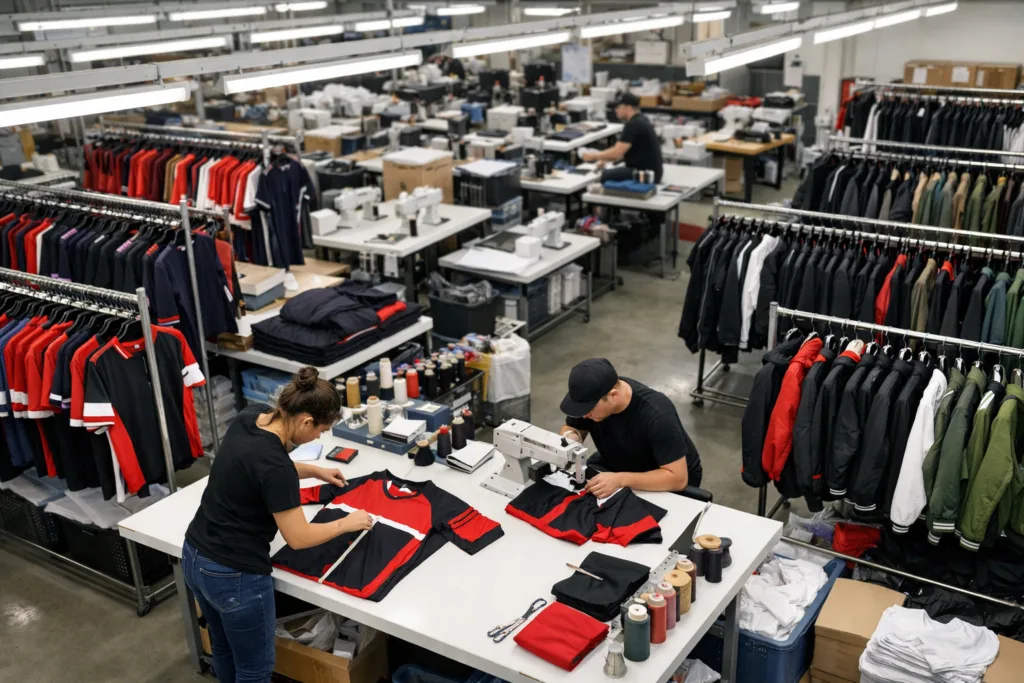
Club apparel manufacturing centers on creating clothes that unite members and make clubs more visible. Manufacturers like Ninghow work closely with club organizers to design and produce custom garments that reflect the club’s purpose. The process starts with concept discussions, moves through fabric choices and sampling, and ends with bulk production and reliable delivery. A good manufacturer is not just a supplier—they’re your partner in transforming ideas into wearable reality.
The Importance of Club Identity
For clubs—whether sport-focused or social—the right apparel turns a group into a recognized community. Matching uniforms or branded polos instantly communicate shared values and belonging. This helps clubs attract fresh members and keeps current ones engaged.
Monetizing Through Club Merchandise
Merchandising with custom club apparel gives clubs potential for new revenue streams. When your members take pride in their apparel, they’re more likely to purchase extras—hats, hoodies, jackets, or bags—that promote the club even when off the field. A trusted club apparel manufacturer can help manage everything from inventory to pack-out, making it easier for clubs to convert branded goods into cash flow.
Types of Club Apparel: From Uniforms to Lifestyle Merchandise
The possibilities for club apparel manufacturing have expanded alongside club needs and industry innovation. Here’s a breakdown of the most popular items:
- Custom T-shirts: Core identity piece for clubs, runners, cyclists, and fitness groups
- Polos and Golf Shirts: Perfect for golf clubs and upscale events
- Hoodies and Sweatshirts: Great for team warm-ups, group travel, and casual gatherings
- Jackets and Vests: For outdoor sports, cycling, and running groups
- Shorts and Pants: Essential for clubs with active members
- Caps, Beanies, Bags: Bring branding beyond clothing and useful for events
Feature Benefits: Moisture Control, Durability, Style
Modern club apparel comes with practical features—moisture-wicking fabrics, durable stitching, and flattering fits. Clubs benefit when garments withstand active use and repeated washes, while looking sharp for every occasion.
Choosing the Right Club Apparel Manufacturer
Finding a reliable club apparel manufacturer is a make-or-break step for clubs looking to grow. Look for factories with experience across sports, fitness, and leisure apparel. They must offer flexibility in design, fit, and quantity, and be able to deliver consistent quality. Reputable manufacturers, such as Ninghow, emphasize accurate sizing, honest fabric advice, and predictable timelines—details that stop headaches before production even begins. For more guidance, review Choosing a Reliable Custom Team Clothing Manufacturer.
Sourcing Models: OEM vs ODM vs Private Label
Clubs can pick OEM (you supply the design, they manufacture), ODM (manufacturer provides ready-to-brand styles), or full private label options. Each has unique advantages for customization, cost, and speed. Understanding each method helps clubs make smarter sourcing choices. Check out our comparison: OEM vs ODM Team Apparel: Choose the Right Manufacturing Model for Team Success.
Design Essentials for Custom Club Apparel
Creating standout custom club apparel starts with purposeful design. Consider club logos, colors, member preferences, and event requirements. Coordination with your manufacturer’s design team ensures your brand translates perfectly onto fabric, stitching, and embellishments. Choices in color and logo placement subtly reinforce club identity and make apparel marketable outside club events. For inspiration on materials and design, see Custom Team Clothing vs Ready-Made Teamwear: 11 Key Differences.
Logo Placement and Branding
Strategic placement of logos and club names on apparel maximizes visibility, boosts group pride, and increases resale appeal.
Gender and Age Inclusivity
Custom club apparel should suit diverse body shapes and ages. Inclusive sizing and style adjustments ensure every member feels comfortable and represented, from juniors to seniors.
Fabric and Material Choices in Club Apparel
Material selection affects comfort, performance, and cost. Some fabrics are ideal for active sports clubs, others for lounge wear or events. Polyester blends offer moisture management, while cotton provides comfort. Sustainable options, like recycled polyester, are increasingly valued. Manufacturers like Ninghow share hands-on insights about how material choices influence fit, durability, and order costs.
Specialty Fabrics for Sports Clubs
For cycling, running, or fitness clubs, technical fabrics with sweat-wicking and quick-dry properties keep members comfortable even during long activities.
Sustainable Apparel Options
Growing clubs want to make responsible choices. Sustainable materials, such as recycled fabrics or bamboo blends, are available from club apparel manufacturers keen to support eco-friendly branding.
Sample Approval and Sizing Accuracy
Getting the fit right is a top concern. Successful club apparel manufacturing relies on accurate size charts, sample approval processes, and ongoing QC. Experienced manufacturers set up clear sample and feedback rounds, preventing mass production errors. For clubs with mixed membership profiles, layered fit checks help everyone feel their best.
Order Minimums and Lead Times for Clubs
Clubs often worry about minimum order requirements (MOQ) and lead time flexibility. Reliable club apparel manufacturers offer scalable solutions—from small first orders to larger seasonal runs. Transparent lead times and minimums help clubs plan launches without risk. Want the lowdown? Check out Low MOQ Team Clothing: 7 Cost-Savvy Truths Every Small Brand Should Know.
Custom Labels, Packaging, and Presentation
Club apparel isn’t finished until packaging matches the brand. Custom labels, hangtags, and thoughtful packing make every shipment feel like an occasion. Durable packaging safeguards apparel, while branded presentation elevates member experience and resale value.
Quality Control and Production Consistency
Rigorous QC protects clubs from disappointment. Reputable manufacturers require multi-stage checks—fabric, stitching, embellishments, and final pack-out—to guarantee consistency. Attention to detail preserves club reputation and ensures each member receives gear they’re proud to wear.
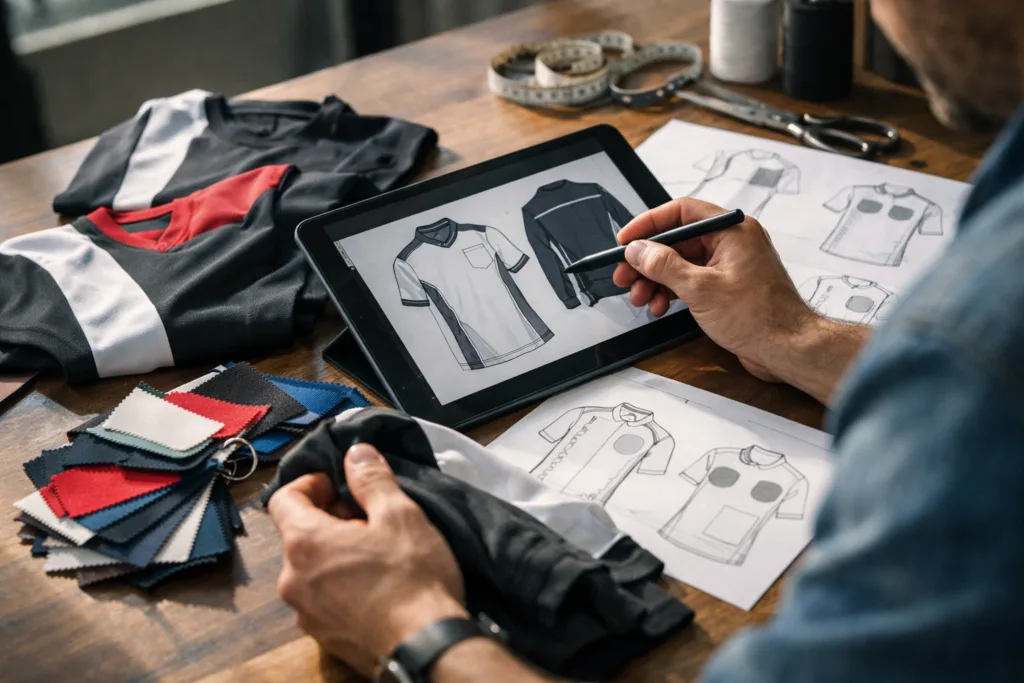
Club Apparel Manufacturing for Growing Communities and Membership Brands
Clubs seeking to expand often leverage special edition garments, seasonal designs, or member-exclusive merchandise. Custom apparel gives clubs multiple touch points to engage members—through loyalty rewards, event kits, or online retail. Strong manufacturing relationships make launch after launch successful.
Recognizing Common Pitfalls and Solutions in Club Apparel Production
Common issues include sizing mismatches, color drift, logo print failures, and inconsistent stitching. Proactive communication, prototype checks, and batch sampling are key. A practical manufacturer like Ninghow advises clubs to triple-check size runs and color fastness before scaling to bulk orders.
Sourcing Strategies for Small and Medium-Sized Clubs
Small clubs benefit from flexible MOQs and staged ordering. Medium and larger clubs may renegotiate for better rates or customized finishes. Manufacturers versed in club apparel understand these scaling differences and provide tailored support.
How Custom Club Apparel Boosts Community Engagement
Matching outfits foster unity and encourage participation. The more visible and consistent the club brand, the stronger the sense of belonging. Members take pride in well-crafted apparel, which can drive word-of-mouth and attract new recruits.
Maximizing Value with Club Apparel Merchandise
Merch sales generate income and keep the club brand circulating. The best-selling items are well-designed, practical, and available in diverse sizes/styles. Real-life experience shows clubs should set up pre-sale surveys for sizing and style preferences to avoid waste and maximize sales.
Inventory Management and Order Fulfillment
Reliable manufacturers support clubs with inventory planning, fast replenishments, and event-specific kits. Careful order scheduling ensures clubs never run out of top items during peak member recruitment or events.
Case Studies: Apparel Success in Golf Clubs, Running Groups, Fitness Societies
Golf clubs often use premium polos and jackets to reward loyalty. Running groups favor technical shirts and reflective prints. Fitness societies choose branded hoodies for gym and street wear. Manufacturers with cross-industry experience help clubs avoid common mistakes while pursuing ambitious designs.
Latest Trends in Club Apparel Design and Manufacturing
New trends include performance stretch fabrics, sustainable choices, multi-use apparel, and digital-forward branding. Club apparel manufacturers are integrating QR codes, NFC tags, and dynamic designs for members who value innovation.
Pricing and Cost Transparency
Club organizers must understand total costs—from sampling to bulk order to packaging. Manufacturers with open pricing models help clubs budget accurately and avoid surprise charges.
The Role of Technology in Modern Club Apparel Manufacturing
Software-driven pattern making, automated QC, and real-time order tracking streamline club apparel production. Manufacturers adopting tech solutions reduce error rates and speed up delivery cycles.
Building Member Loyalty with Limited Edition Apparel
Exclusive drops, event shirts, and anniversary hoodies keep members returning and talking. Clubs leverage special apparel campaigns to deepen connections and stimulate repeat merchandise purchasing.
Practical Tips for Launching a Club Apparel Line
Start with a clear brand vision, test samples with core members, pre-sell to gauge demand, and choose a manufacturer with proven club experience. Stay flexible and update styles based on member feedback for ongoing success.
Conclusion: Turning Club Apparel into Community Growth and Real-World Value
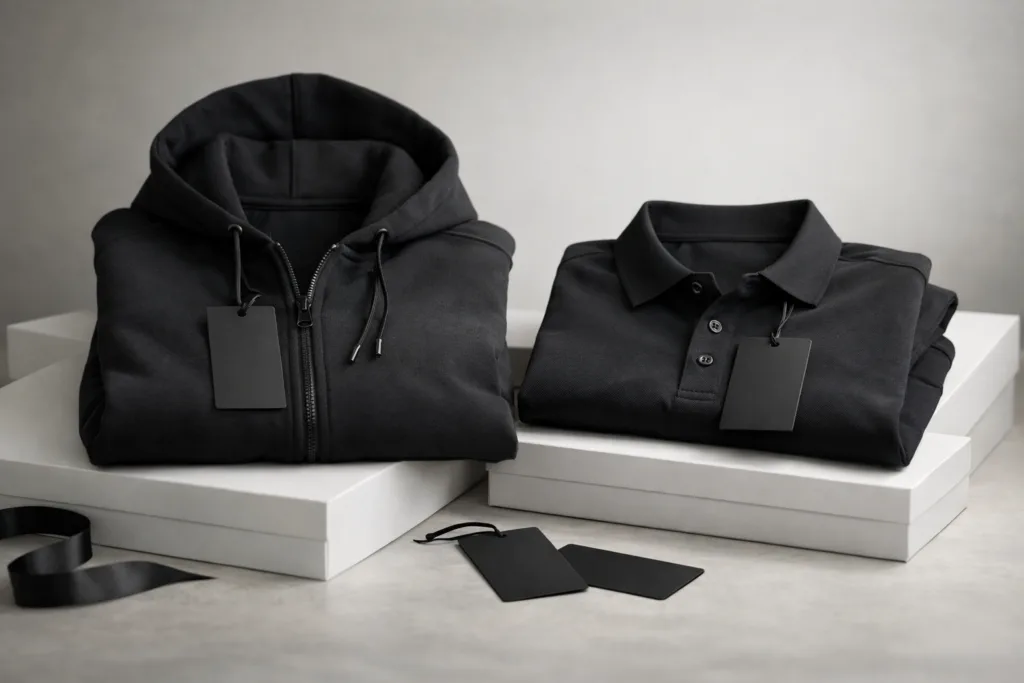
Club apparel manufacturing for growing communities and membership brands is a powerful lever for recognition, engagement, and revenue. Thoughtful design, careful sourcing, and reliable manufacturing relationships turn club apparel from a simple uniform into a high-impact brand tool. Clubs that invest in fit, material, and branding enjoy stronger membership, greater merchandise income, and lasting group pride. As community-driven branding evolves, club apparel will continue to anchor belonging and excite new generations of members.
Frequently Asked Questions
What makes club apparel different from standard team uniforms?
Club apparel is designed not just for function, but to build brand identity, foster community, and support merchandising—all while accommodating diverse member needs.
How can clubs choose the best fabrics for their apparel?
Clubs should weigh activity type, climate, durability, and comfort. Manufacturers offer guidance for technical or sustainable options based on club focus and events.
Are there low minimum order quantities for smaller clubs?
Yes, many club apparel manufacturers offer scalable options that support small first orders and enable growth as membership increases.
What design options are most effective for branding and resale?
Bold logos, distinctive color schemes, and versatile garments like hoodies or caps maximize club visibility and appeal for resale or event giveaways.
How does quality control protect clubs from order problems?
Multi-stage checks—fabric, fit, embellishments—ensure consistency, prevent costly errors, and preserve club reputation in every merchandise drop.
What are practical steps for launching a club apparel line?
Define your branding, sample designs with key members, gather sizing preferences, and partner with an experienced manufacturer to handle production and logistics.