




Why Custom Labels and Packaging Matter for Team Apparel Orders
When it comes to team apparel, the first impression doesn’t start on the field—or even when the uniform is taken out of the bag. It begins the moment your customer or player sees the packaging, spots the label behind the neckline, and feels the quality of every detail. Custom labels and packaging for team apparel orders aren’t just finishing touches—they’re powerful tools for branding, professionalism, and efficiency in bulk teamwear projects.
The Main Components: Labels and Packaging for Team Apparel
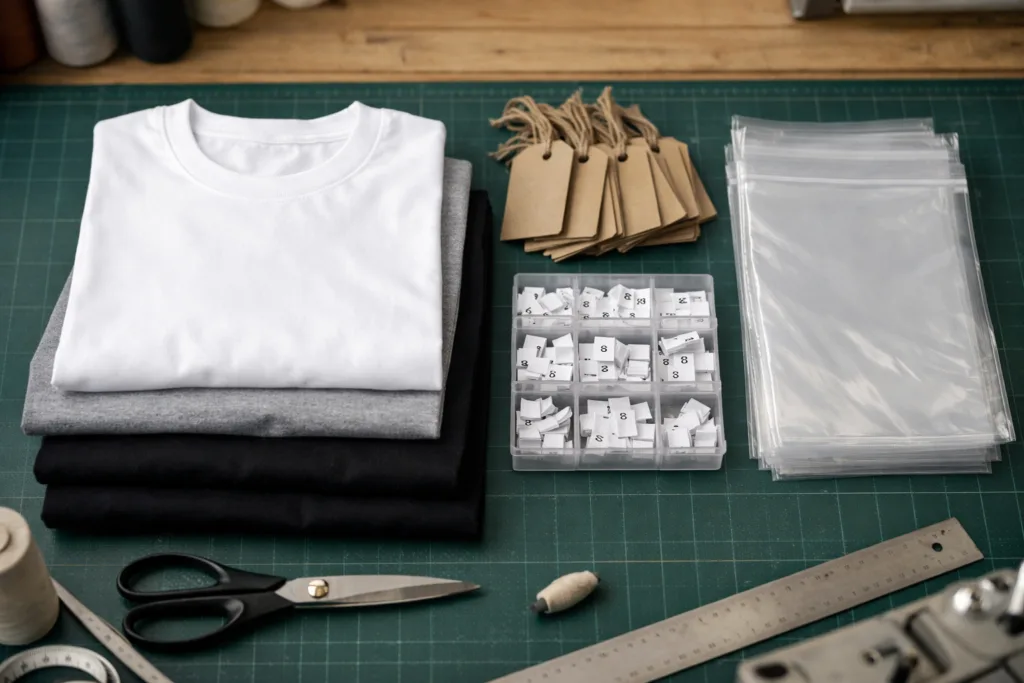
Let’s break down the essential elements of team apparel branding:
- Main Labels (Neck Labels): Where your brand identity shines. It carries your logo and message—visible every time the garment is worn.
- Size Labels: Small but mighty, these ensure quick picking and error-free distribution—vital for team orders with many sizes.
- Hang Tags: Great for added information—care, materials, story, or an extra pop of branding flair. Especially important for club shops or resale channels.
- Poly Bags: Protect each garment during shipping; they can be plain or feature printed information (size, barcode, brand, etc.).
- Outer Cartons: Used for bulk delivery; carton labels control logistics, track production batches, and simplify warehouse management.
How Custom Labels Impact Brand Perception
For any team clothing brand or distributor, a tailored label means more than a name—it’s a stamp of quality and proof of care. Custom neck labels with your logo and signature font give every player or staff a sense of belonging. Consistent details—font, size, color—reinforce your identity and help prevent counterfeit issues.
For brands outsourcing production, detailed private label instructions are vital. Factories like Ninghow recommend providing precise label artwork and placement details at the sampling stage to avoid production errors, ensuring each garment meets your expectations. Choosing label materials also matters: soft-woven or plush satin labels prevent irritation and boost comfort—important for athletes and active teams.
Key Types of Labels in Team Apparel
| Label Type | Purpose | Common Materials | Customization Options |
|---|---|---|---|
| Main Label (Neck/Brand) | Brand identity, legal info | Woven, satin, printed | Logo, fonts, colors, QR code |
| Size Label | Size identification | Satin, woven, printed | Letter/Number, color-coded |
| Care/Composition Label | Washing instructions, fiber content | Satin, woven, printed | Language, icons |
| Hang Tag | Extra info, retail, branding | Card paper, recycled paper | Shape, color, QR/barcode |
Size Labels: Preventing Mix-Ups in Bulk Team Orders
Bulk orders for clubs, schools, or corporate teams involve many sizes. A clear, consistent size label system reduces packing and shipping mistakes—a must for bulk orders. Smart brands use color-coding (e.g., red = L, blue = M) and high-contrast printing to speed up sorting. Ask your manufacturer about anti-fade inks and double-check the label size before bulk runs.
Hang Tags: Telling Your Team’s Story
Hang tags are optional for some team orders but essential for retail or sponsor-driven deals. They can showcase your club’s story, highlight exclusive partners, or include QR codes for digital engagement. Well-designed tags create a professional, retail-ready look—helpful if you sell teamwear in your club shop or distribute to fans. For inspiration on connecting product and brand, check private label team clothing for brands best practices.
Poly Bags: Packaging for Protection and Professionalism
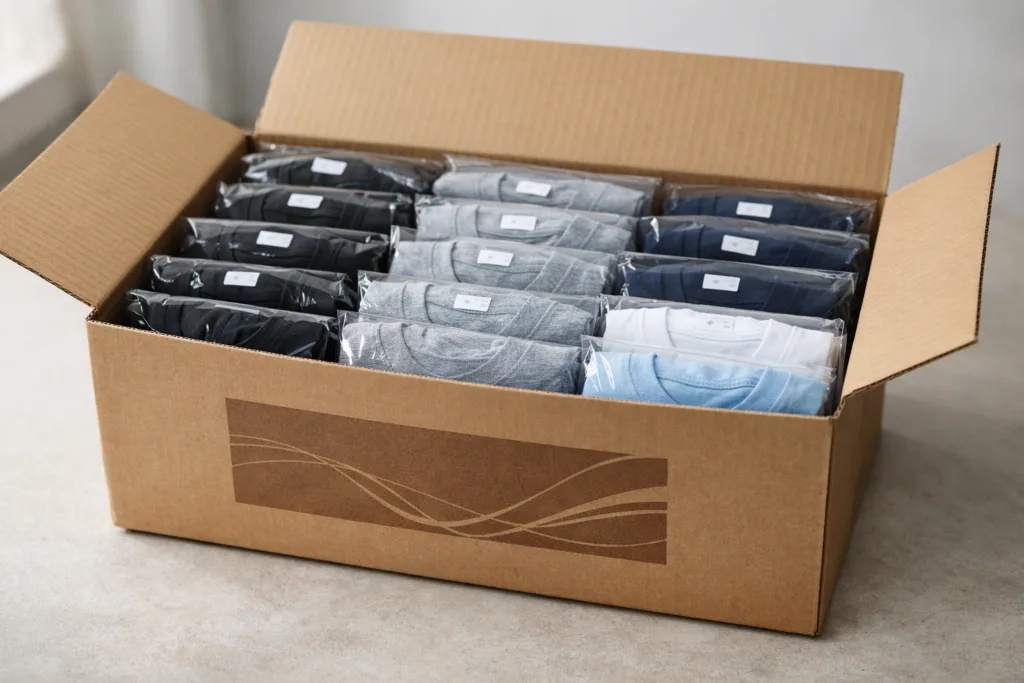
Individual poly bags shield each garment from dust and humidity, particularly during shipping and warehouse storage. Custom poly bags let you print your logo, add size and barcode stickers, or even include recycling info to show eco-consciousness. Poly bag clarity and thickness can impact presentation—choose clear bags for easy content viewing or frosted bags for a premium look.
Outer Cartons: Streamlining Bulk Delivery
Outer cartons do the heavy lifting when shipping multiple sets of teamwear. Carton labels provide crucial details: PO number, size breakdown, color code, club or distributor name. Well-printed, durable carton labels save hours in checking and sorting at club, retail, or warehouse sites. For global orders, discuss with your supplier how to ensure carton labels comply with regional transport and safety rules.
Step-by-Step: How to Specify Custom Labels for Team Apparel
- Step 1: Share Vector Artwork – Provide .ai, .eps, or .pdf files with logo, fonts, and layout.
- Step 2: Confirm Label Position – Mark placement clearly (e.g., center back neck, lower side seam).
- Step 3: Pick Materials – Woven for durability, satin for softness, printed for flexibility.
- Step 4: Approve Samples – Always check sample labels for size, color match, feel, and detail.
- Step 5: Document All Details – Record trim specs, carton label text, polybag requirements in the tech pack.
This process, handled well, ensures smooth production and hassle-free scale-up later. Even experienced factory teams like Ninghow stress the value of detailed label specs to reduce errors, especially when scaling up or handing over to different production lines.
Packaging Information for Team Apparel: What to Include
- Brand logo and artwork (on label, poly bag, or tag)
- Apparel style and size (carton, bag, or tag)
- Care/handling instructions (label or poly bag sticker)
- Order/lot/batch number (outer carton label)
- Barcode or QR code (retail/warehouse needs)
- Country of origin (for customs and compliance)
- Sustainability marks (if using recycled or eco materials)
For more on how to plan packaging details within a bulk order, explore the playbook for bulk teamwear delivery.
Private Label vs. Generic Packaging: Which to Choose?
Private labeling (using your unique logo and design) costs more than generic, but boosts professionalism and resale value—helpful for brands and clubs building identity. Generic labels (like “Teamwear S” or “SportsApparel.com”) save money but dilute brand impact. For clubs reselling or distributing teamwear, private labels are worth the minor investment. For training-wear or small teams, generic labeling might work if budget is tight.
What Information Should Be on the Neck Label?
- Brand logo/Name
- Size
- Fabric content/fiber
- Care instructions
- Made in [country]
- Optional: batch/date code for traceability
Don’t crowd the label—keep it legible and skin-friendly. Name and size are must-haves, and care instructions can go on a second label if space is tight.
How Label Materials Affect Comfort
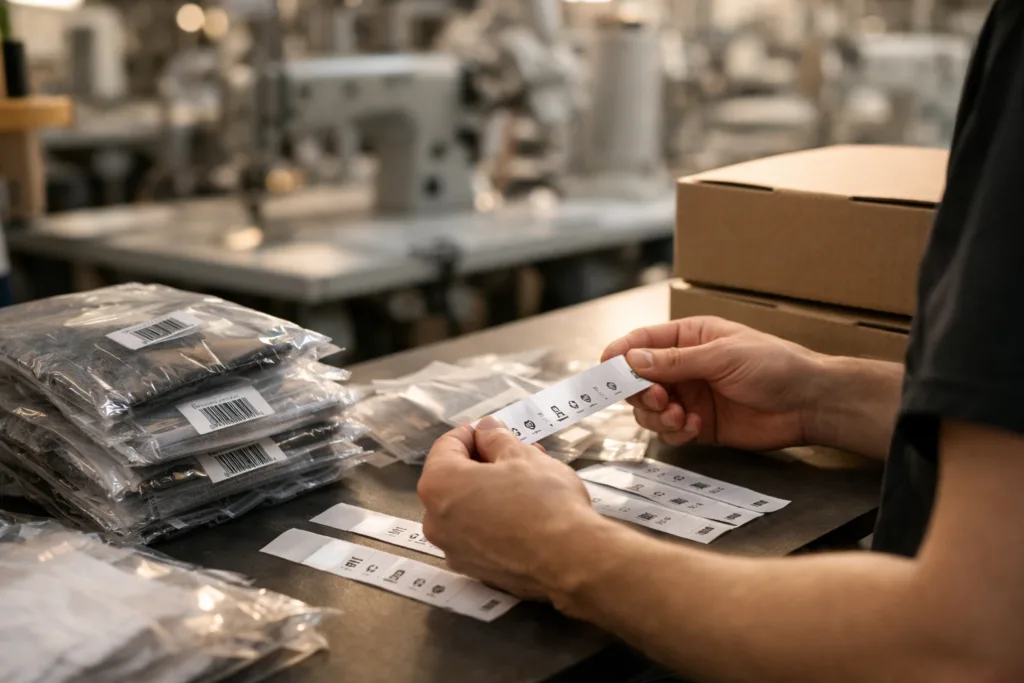
The feel of a label matters more than you think. Scratchy or stiff labels can be a deal-breaker for athletes, especially in high-sweat situations. Modern factories use soft-woven or ultrasonic-edge satin labels to avoid irritation. For seamless comfort, opt for printed-heat transfer labels, especially in high-performance teamwear. Ask your manufacturer for samples—what feels gentle to one factory might still bug some athletes.
Eco-Friendly Packaging Options for Teams and Brands
Sustainable options are gaining ground: recycled-content hang tags, biodegradable poly bags, and water-based inks for label printing. Eco-conscious teams and brands should confirm their packaging choices with suppliers and clearly mark packaging for recyclability or compostability. It’s a subtle but powerful signal in today’s market.
Color and Design Consistency Across Labels and Packaging
Keep a consistent look between all branding elements—main labels, size tags, hang tags, and bags. Templates, Pantone color codes, and approved logo files are essential. This doesn’t just boost aesthetics; it also helps avoid confusion and strengthens your club or brand’s recognition in the field, store, or online. Lock these specs into your tech pack to keep production teams aligned.
Best Practices for Avoiding Labeling Mistakes in Bulk Orders
- Double-check the tech pack before sampling
- Request physical or digital label proofs
- Test launders for durability (washing/ironing, especially for size/care info)
- Spot-check size labels during bulk packing
- Keep a master record of all packaging and labels for reorders
Overlooking details—like a misspelled word or mismatched label color—can turn a perfect order into a return headache. Experienced manufacturers will involve QC teams at every stage to catch these errors early.
Custom Labels and Packaging for Team Apparel Orders
To recap: custom labels and packaging for team apparel orders offer much more than a lasting first impression. They drive brand visibility, facilitate correct order fulfillment, and protect garments all the way to the final wearer. Whether you lead a brand, club, or distribution channel, investing in well-planned labels and packaging pays off project after project.
Conclusion: The Takeaway for Brands and Clubs
Every detail—down to the tiniest label or bag print—can make or break your team apparel order. Quality labels not only elevate your brand but reassure end users of thoughtfulness and professionalism. Always document your requirements meticulously, partner with experienced manufacturers, and inspect samples thoroughly before mass production. By paying attention early, your team gear will arrive ready to impress—and ready for action.
Frequently Asked Questions
What are the must-have labels for team apparel orders?
The main label (brand/neck), size label, and care/composition label are essential. Hang tags add extra info for retail or fundraising orders, while poly bag and carton labels help with sorting and delivery.
How do I prevent size mix-ups in a bulk order?
Use well-contrasted, consistent size labels, possibly color-coded. Always cross-check packing lists and request your manufacturer to include size stickers on poly bags for clarity during dispatch.
Can I use eco-friendly options for labels and packaging?
Yes—consider recycled paper hang tags, biodegradable or recycled-content poly bags, and water-based ink printing. Make sure your supplier can confirm eco-material sources and offers clear recycling marks.
Does private labeling increase cost significantly?
Private labeling costs slightly more than generic options, but the investment brings higher branding value, retail readiness, and customer loyalty—often worthwhile for most clubs or brands.
What information should I include on outer carton labels?
Include your logo, order number or PO, style, size breakdown, quantity, color codes, and destination address. For global shipping, check for any special regulatory info your region may require.
How soon should I finalize label and packaging details with my factory?
Finalize them during the sample approval stage. This avoids delays, reduces production costs, and allows time to review and approve physical proofs before mass production starts.