







Understanding Apparel Manufacturing Cost Breakdown
When building a clothing brand or managing a production line, knowing the apparel manufacturing cost breakdown is a critical step. Every decision—materials, process, labor, even packaging—affects your final price and the perceived quality. From direct raw material costs to invisible risk factors, the path to competitive and comparable quoting is full of trade-offs. Let’s unpack the true structure of apparel costs, slices of risk, and practical tools for quoting smartly.
| Cost Component | Description | Influence on Quality |
|---|---|---|
| Fabric & Materials | Main textile, trims, thread, hardware | Higher quality base means stronger, softer, more durable garments |
| Labor | Cutting, sewing, finishing by skilled workers | Skill level impacts fit accuracy and clean construction |
| Overhead & Compliance | Factory rent, machines, certifications, social compliance | Supports consistency and ethical production |
| Sampling & Development | Proto/sample creation for approval | Better sampling prevents costly surprises, supports fit and fabric honesty |
| Risk Cost | Late delivery, rejections, quality claims | Low risk means fewer returns, more trust |
| Packaging & Logistics | Polybag, carton, labels, freight | Protects product, speeds delivery, fulfills regulations |
The Foundation: Raw Materials and Fabric Choices
Material selection anchors both cost and quality. Premium cotton, recycled polyester, performance blends—they all carry different price tags and manufacturing expectations. For example, shifting from basic combed cotton to GOTS-certified organic can raise costs by 15–25%. Yet the brand story and durability could justify the difference. Want a straightforward guide to sustainable fabric options? Discover what buyers really need here.
Labor: Skilled Hands Make or Break Fit and Finish
Labor isn’t just a line on the spreadsheet. Experienced sewing operators, pattern makers, and QC staff add real value. Quick, automated sewing can reduce costs, but perfecting details like seam strength or button placket may mean slower work—and higher labor rates. If you want insights into how to optimize garment fit and minimize costly revisions, check out this practical guide to garment pattern and fit revision control.
Risk Cost: Factoring in Delays, Rework & Quality Claims
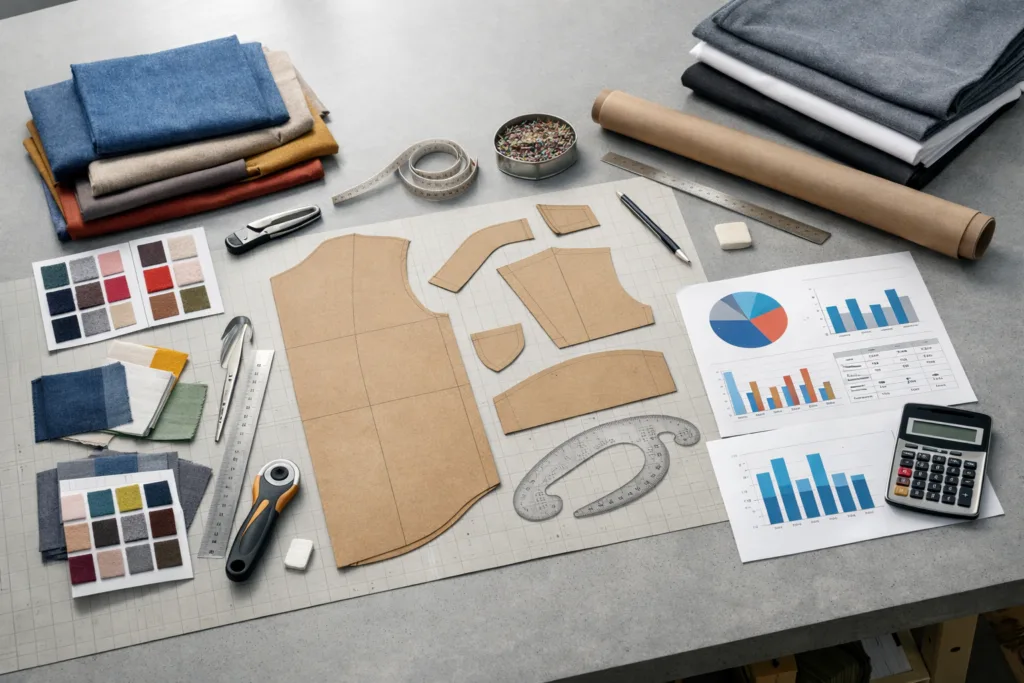
Every manufacturer and brand faces hidden risk costs. These are expenses from production delays, rejected batches, or unexpected claims. Smart buyers and factories now estimate risk up front—sometimes as a percentage added to quotes or as a buffer when planning seasonal launches. It’s not just insurance; it’s about reducing headaches. For tips on seasonal planning with reduced risk, explore how brands use buffers and split shipments for smarter drops.
Overhead: Certifications, Compliance, and Social Responsibility
Certifications like OEKO-TEX, GRS, or social compliance audits add direct and indirect costs to apparel manufacturing. These checks require documentation, third-party visits, and ongoing process control. Still, buyers increasingly demand them. Investing in proper compliance reduces risk and supports market access.
Sampling: The Critical Step for Fit, Fabric, and QC
Apparel sampling isn’t just a cost; it’s a quality guarantee. Developing proto and pre-production samples helps iron out fit, handfeel, and construction issues early. At Ninghow, sample approval is a checkpoint to lock in fabric honesty and precise sizing, saving brands from expensive rework later. Effective sampling strategies also speed up lead time while giving buyers confidence in the result.
Packaging, Labeling & Logistics: Protecting Quality from Factory to Store
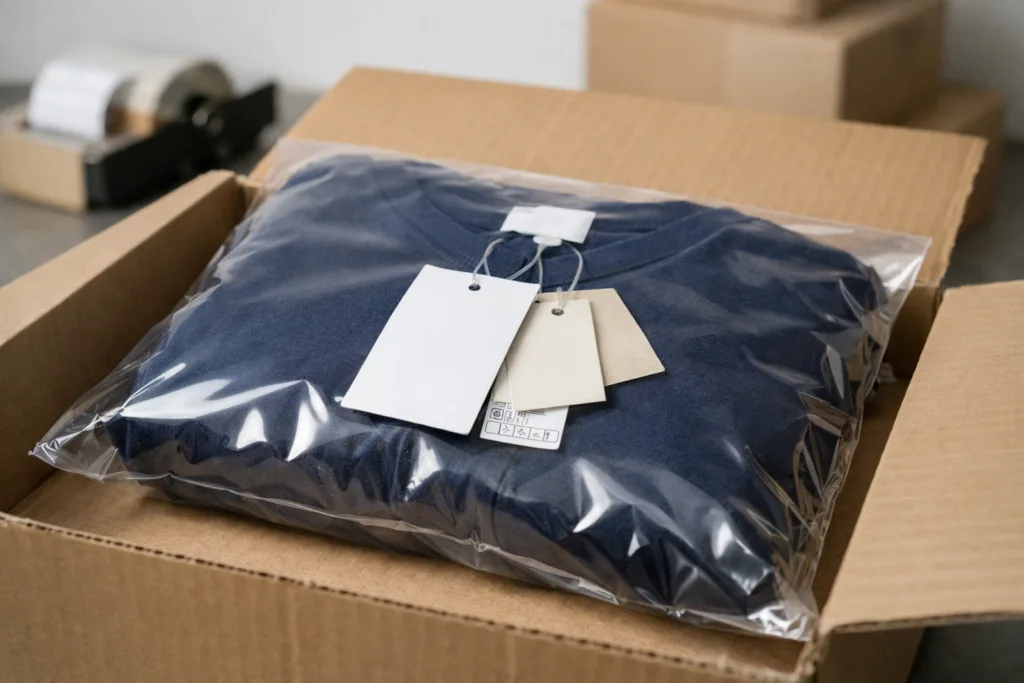
Final packaging, labeling, and logistics costs may seem small but can shape both compliance and customer perception. Polybags, cartons, care labels, and trims all need to meet trade regulations and resist shipment damage. Mistakes here often ripple into higher returns and lost sales.
Cost vs Quality: Direct Trade-Offs in Apparel Manufacturing
Choosing between cost and quality isn’t binary. Instead, it’s a sliding scale shaped by brand positioning, buyer tolerance, market expectations, and production realities. Here are key trade-off examples:
- Choosing a cheaper fabric saves up front, risks higher shrinkage or poor durability.
- Rushing sampling can cut lead time but increases fit risks.
- Reducing QC steps lowers in-line labor but inflates returns after delivery.
- Pushing for all-in lowest price typically means reduced flexibility and transparency.
| Decision | Cost Impact | Quality Impact |
|---|---|---|
| Low-budget fabric | Lower | Poor handfeel, more returns |
| Premium trims | Higher | Better branding, improved function |
| Shortened lead time | Medium | Potential QC issues, rushed process |
How to Do Comparable Quoting in Apparel Manufacturing
When requesting quotes from factories, the gold standard is giving identical, clear, and detailed specifications. Here’s how to make your cost comparisons meaningful:
- Define fabric composition, GSM, and finish clearly
- List all trims, labels, and packaging details
- Specify size range and grade rules
- Detail sample approval requirements
- Include compliance/certification requests (if needed)
- Clarify delivery incoterms (FOB, EXW, DDP)
Consistent quoting helps you see true cost vs quality differences between factories, not just headline price. For a step-by-step look at consistent quote requests, you can reference this guide to accurate quote requests.
The Role of Lead Time and Predictability
Lead time is not only a timeline, but often a hidden quality signal. Reliable manufacturers with strong process control deliver on time—those struggling with bottlenecks, poor coordination, or weak QC often miss deadlines, driving up risk cost and hurting quality perception. Brands should check weekly production updates to catch surprises early.
Factory Floor Experience: Balancing Fit, Fabric, and Consistency
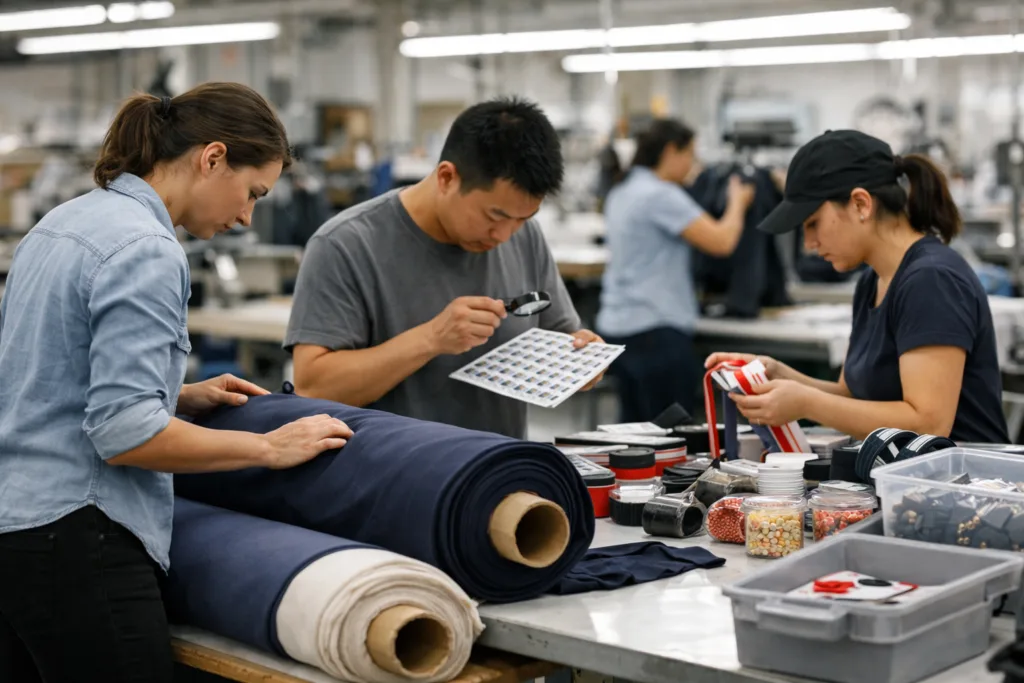
Experienced manufacturers, like Ninghow, see the swirl of cost and quality firsthand. What matters most? Accurate garment patterns, honest fabric selection, and steady QC flow. Skimping on sampling or rushing bulk production often leads to expensive rework—while investing in fit, shrinkage testing, and seam strength checks pays off in fewer claims and steady orders.
Risk Management Strategies in Apparel Manufacturing
Smart brands and factories don’t just react—they plan for risk. Here are proven tactics:
- Add risk buffer to quotes for seasonal swings
- Run extra QC on trims, fabric, and final packing
- Dual-source key items for flexibility
- Insist on clear weekly updates for production visibility
- Rapid prototyping to spot flaws before bulk
Quality Control: From Inline Inspection to Final Sampling
Quality control costs include both direct inspection labor and indirect costs like returns or damaged reputation. Inline QC catches issues early; final inspections verify finished goods meet agreed standard. Investing in QC means fewer claims, stronger brand trust, and reduced risk cost.
Apparel Manufacturing Cost Breakdown: Demystified
Bringing everything together, apparel manufacturing cost breakdown means itemizing every step—materials, labor, compliance, risk. True quoting compares apples to apples. Quality is ultimately decided by fabric choices, skilled labor, reliable QC, and honest communication. Never settle for headline price alone.
Comparing Quotes: Checklist for Buyers
- Ensure detailed specs for accurate quotes
- Ask for breakdowns: fabric, trims, labor, overhead
- Request timeline and risk buffer details
- Verify factory compliance and QC coverage
- Always sample before bulk
Cost vs Quality in Apparel Manufacturing
Certain buyers will always chase price, while others value reliability, honest fabric, and predictable fit. Balancing the two isn’t about compromise; it’s about configuring the mix that works for your brand identity and supply chain reality. At Ninghow, practical production know-how suggests investing not only in raw materials but also in fit accuracy and steady QC—these are proven to reduce hidden risk and optimize long-term cost. In the end, smart brands stay transparent about specs, insist on sampling, and treat risk as a controllable factor, not just a surprise.
Conclusion
Apparel manufacturing cost breakdown is more than numbers on a quote—it’s a strategic map of quality, cost, and hidden risk. Carefully specifying materials, labor, and compliance, while planning for risk and demanding transparency, lets brands strike the right balance. True value comes from clear communication, honest fabric choices, skilled labor, and robust sampling and QC. By following these steps, buyers and factories alike can deliver consistent products and keep surprises to a minimum.
Frequently Asked Questions
What is the biggest driver of apparel manufacturing cost?
Fabric and raw materials are typically the largest cost component, often representing 40–60% of total garment price. Quality, composition, and certifications can shift this ratio.
Are quality improvements always more expensive?
No, strategic improvements like precise pattern grading or smarter QC can boost quality with minimal added cost. High-cost upgrades usually relate to premium fabrics and trims.
How can buyers ensure comparable quotes between factories?
By preparing highly detailed specifications—fabric, trims, packaging, sizing, QC, timeline, and certifications—buyers can compare apples to apples, not just top-line prices.
What are common risk costs in apparel manufacturing?
Delayed shipments, rejected goods, and quality claims are main risk costs. These can be minimized by careful sampling, robust QC, and clear production planning.
Should brands focus more on sampling or bulk production?
Investing in robust sampling prevents most fit, fabric, and QC problems in bulk. Good samples guarantee consistency and reduce costly mistakes later.
How does lead time relate to quality and cost?
Reliable lead times signal strong process and QC control. Rushed production raises risk cost, while steady timelines improve both quality and predictability.
Related Reading
- Understanding Cost Coefficients: A Factory Comparison Guide
- Master Your Private Label Process with a 29-Step Detail Checklist
- Crack the MOQ Code: Negotiation Strategies for Apparel Brands
- Match Fabric Handfeel & Performance: Sourcing Secrets for Better Apparel
- How to Plan Seasonal Drops Without Supply Chain Surprises