





Introduction: Why Reducing Apparel Sampling Time Matters
In today’s fast-paced fashion industry, sampling is the lynchpin that determines whether a new apparel line launches smoothly or gets trapped in costly production delays. Case Study: Reducing Apparel Sampling Time explores practical, proven steps to streamline the sampling process—without sacrificing quality or creativity. By refining workflows, ensuring information accuracy from the start, and visualizing the impact with timeline comparisons, brands can deliver on trend, on budget, and on time.
Understanding the Apparel Sampling Process
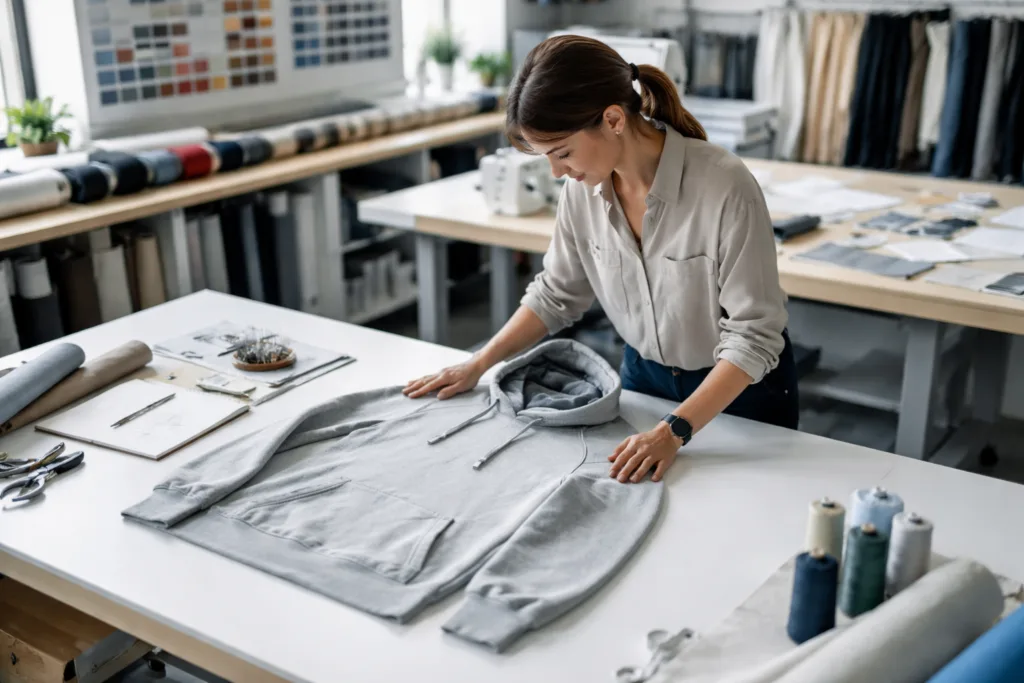
The apparel sampling phase transforms initial design ideas into tangible test pieces that set the tone for mass production. It includes developing prototype samples, revising based on feedback, and ensuring consistency for bulk production. But traditional sampling is riddled with delays—missing details, slow approvals, unclear specifications—that can lead to late shipments and extra costs.
Timeline: Traditional Vs. Optimized Sampling Workflow
Comparing traditional and improved sampling timelines highlights where time is lost and how proactive process adjustment can save weeks—or even months. Let’s break it down side by side:
| Sampling Step | Traditional Workflow | Optimized Workflow |
|---|---|---|
| Design Handoff | 3 days (unclear info) | 1 day (clear tech pack) |
| Material Sourcing | 5 days (multiple back-and-forth) | 2 days (approved library) |
| Prototype Creation | 7 days (late revisions) | 4 days (requirements locked) |
| Sample Shipment & Approval | 6 days (uncertain ownership) | 3 days (parallel review) |
| Total | 21 days | 10 days |
Identifying Bottlenecks in Sampling
Common delays in sampling often come from missing trims, unclear size specs, or slow communication. Recognizing these sticking points early is the first step toward real improvement. For example, unclear artwork files or incomplete garment labeling details almost always trigger costly revision loops. To learn about essential labeling elements, visit garment labeling requirements.
Step One: Getting Information “Once and Right”
Having all critical details upfront is non-negotiable for sampling speed. Provide your factory with a comprehensive tech pack covering measurements, color references, trims, and print/embroidery files. Use a checklist (like private label clothing checklist) to make sure technical, branding, and compliance needs are addressed from the outset.
Process Adjustment: Workflow Mapping and Role Clarity
Map out each sampling stage clearly—who owns what task and when decisions are made. Use workflow charts or digital tools to make responsibilities visible. For example, assign a single point of contact for sample feedback and limit revision rounds by clarifying “approval gates.”
Practical Tips: Fast-Tracking Material & Trim Sourcing
Delays often occur during fabric and trim selection. Maintain an approved library of supply-ready materials so the sampling phase never starts from scratch. When special trims are needed, confirm details like color, width, and compliance standards up front. Ninghow’s production team often pre-approves backup trims and keeps bulk swatches to accelerate decisions without waiting for rare materials. Find additional material matching strategies in fabric and trim sourcing secrets.
Critical Path Management and Buffer Planning
Using a critical path chart highlights supply and process risks where days are lost due to waiting on decisions, approvals, or materials. Smart brands add mini-buffers at each key point (material in, proto sewn, sample ship), and monitor using weekly production updates. For reference, see weekly production update essentials.
Sample Approval: Making Fast and Reliable Decisions
Slow approvals can wipe out any earlier gains. Set clear, written standards—what’s must-have, what’s nice-to-have. Share high-resolution sample photos, measurement charts, and videos for faster remote sign-off. Use structured forms so feedback is focused and actionable. A factory like Ninghow will provide comprehensive reports with comparison photos and notes to make your decision process easier, not longer.
Effective Communication: Fewer Back-and-Forth Delays
Keep all teams—design, production, sourcing, QC—in simultaneous communication instead of “relay race” emails. Use centralized platforms or shared worksheets, and schedule brief check-ins to keep action items moving. Clarifying everything at the outset pays dividends later—especially with global time zones in play.
Data-Driven Sampling: Reviewing KPIs and Samples Approved Per Round
Track key performance indicators such as average days per sample, rounds to approval, and the percentage of samples ready on first pass. Review where most revisions occur—fit, fabric, print, or construction—and use that data to target improvements for the next style run.
Empowering Suppliers: Training and Recognition
Many delays happen at the supplier level. Offer concise training materials and instant feedback for your critical suppliers. Quick recognition for a “zero-revision” sample run motivates a proactive approach—suppliers will prioritize your account and communication flows faster.
Case Study: Reducing Apparel Sampling Time
This case study follows a mid-sized streetwear brand that chronically battled 25+ day sampling cycles. By shifting to a “get it right first time” mindset, providing a complete checklist (fabric, fit, branding, and compliance), and mapping responsibilities visually, they saw dramatic change:
- Sample cycle cut from 26 days to 11
- Revision rounds dropped from 4 to 1.5 on average
- On-time bulk deliveries improved to 96%
Key to the win? Full front-end information (especially for pattern and artwork), clear feedback deadlines, and proactive use of material stock lists.
The Role of Technology: Digital Sampling and 3D Visualization
Some brands now use 3D digital samples to approve fit, color, and logo placement without ever sewing fabric. This can eliminate one or two live sample rounds—cutting days or weeks from the timeline. However, it isn’t a replacement for final touch and feel; digital works best as a “first filter” to spot obvious issues early.

Advanced Tip: Parallel Tasking Instead of Serial Steps
Try parallelizing tasks—source trims while the garment pattern is digitized, or build carton and label designs while samples are cut—to maximize overlap and minimize idle time on the production calendar.
Sample Approval Traps to Avoid
- Leaving size grade details until late rounds
- Changing logos after proto approval
- Waiting for “perfect” fabric swatch (when similar bulk fabric is in stock)
- Multiple buyers providing contradictory feedback
All of these are common mistakes that reset the sample timeline. Firm up decision flows and get agreement on the essentials upfront.
Leveraging Quality Control Early in the Sampling Phase
Bring QC into the development process as early as proto sample. QC can flag construction, measurements, and fabric issues well before they snowball into end-of-line disasters. Setting up QC reporting standards at the sample stage prevents surprises later.
Compliance and Testing Requirements: Getting Them Right the First Time
Major shipment delays happen when compliance needs (like GRS, OEKO-TEX, or chemical safety) are introduced too late, requiring retesting or relabeling. For a smooth sampling process, finalize all compliance goals and materials certifications before sample sewing begins.
Packaging and Labeling: Not Just an Afterthought
Shipping, packaging, and labeling should be included in sample requests—not left for last minute. Pre-approve packaging options and labeling content to avoid issues at the final inspection stage and customs clearance.
Internal Communication and SOP: Centralizing Updates
Centralizing communication through SOPs (standard operating procedures) ensures all sample status, action items, and deadlines are tracked and reviewed regularly. Teams using shared dashboards see faster, more reliable process conduction.
When to Use Express Options: Air vs. Sea for Sample Shipments
Samples often need air shipping for speed, but this comes with higher costs. Decide shipment method case by case; sometimes express isn’t needed if your workflow gains cut enough time early on. Use express only for high-priority styles, keeping routine samples on cost-effective carriers.
Continuous Improvement: Reviewing and Refining the Sampling Process
After each sampling cycle, run a short review: Where did revision requests pile up? Was there a week lost on artwork uploads? Was feedback clear and timely? This allows you to build a culture of continuous improvement and maintain momentum season after season.
Summary Table: Key Initiatives to Reduce Sampling Time
| Initiative | Time Saved | Risk Mitigated |
|---|---|---|
| Full Tech Pack at Start | 2–4 days | Revision Loops |
| Pre-approved Trims/Fabrics | 2–3 days | Material Delays |
| Clear QC at Sample | 1+ day | Bulk Defects |
| Workflow Mapping | 3–5 days | Lost Ownership |
| Parallel Tasking | 2+ days | Idle Time |
Conclusion: The Impact of Faster, Smarter Sampling
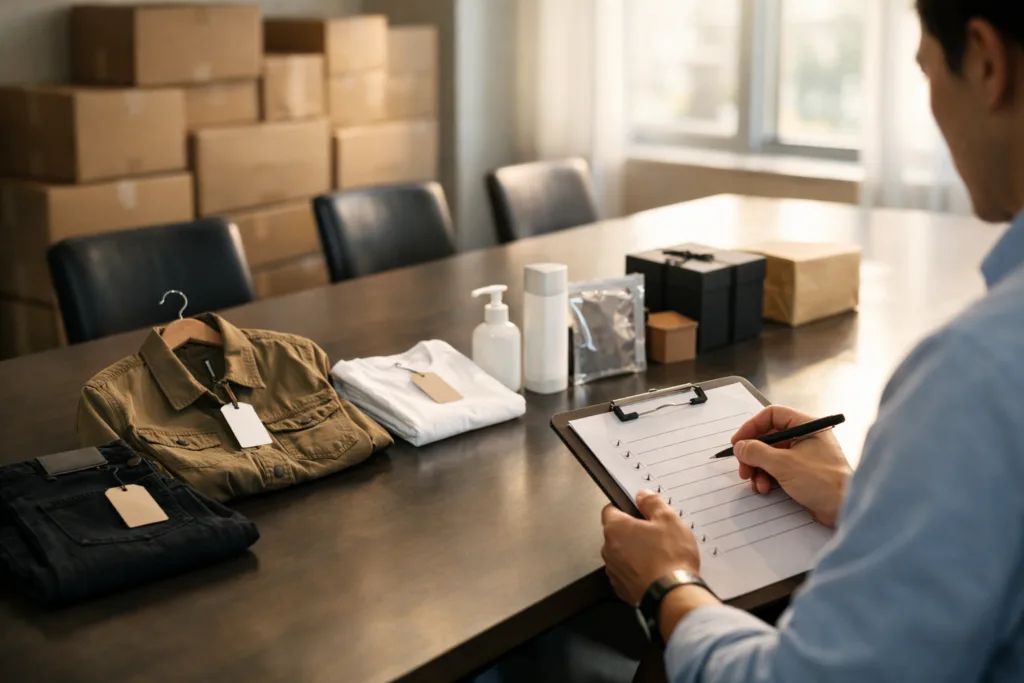
A streamlined sampling process isn’t just about speed—it’s about predictability, reduced costs, and reliably hitting market windows. Every apparel brand (new or established) can benefit from mapping workflows, empowering their teams, and establishing information flow that enables quick, accurate sample approval. By taking lessons from real-world examples and proactively managing each step, Case Study: Reducing Apparel Sampling Time demonstrates that process discipline and transparency are the keys to consistent success—without cutting corners on quality or compliance.
Frequently Asked Questions
What is the typical timeline for apparel sampling?
Traditional sampling can take 2–4 weeks, but with process improvements and upfront information, it is possible to shorten to 7–12 days for standard garments.
How does a tech pack speed up sampling?
A tech pack consolidates all design specs, measurements, and details, reducing ambiguity and minimizing costly back-and-forth, so factories can start production quickly and correctly.
What’s the biggest cause of sample delays?
Missing or unclear information (like trim details, measurements, or compliance requirements) leads to revision loops and delays in every round of the sampling process.
Can digital samples fully replace physical samples?
Digital sampling (such as 3D visualization) is excellent for early feedback, but a physical sample remains essential for touch, drape, and true color confirmation before bulk production.
How do I cut down the number of revision rounds?
Provide a “one and done” checklist covering fit, construction, trims, and branding, and ensure focused, consolidated feedback from your team to avoid contradictory changes.
When should compliance testing be included in sampling?
All compliance needs (like certifications and chemical safety) should be confirmed before the first sample is produced to prevent rework and avoid delays in production or shipping.
Related Reading
- Pro Techniques for PPS Approval and Consistent Garment Quality
- The Streamlined Sample Approval Workflow Brands Swear By
- Mastering Seasonal Apparel Launches with Buffers and Split Shipments
- How to Prevent Expensive Garment Pattern & Fit Revisions
- Reliable Color Control: A Step-by-Step Lab Dip Approval Guide