








Introduction: Why Matching Handfeel and Performance Matters in Fabric & Trim Sourcing
When it comes to fabric sourcing for apparel, achieving the right blend of handfeel and performance isn’t about guesswork—it’s about precision. Whether you’re aiming for comfort in activewear, structure in outerwear, or a luxury touch in loungewear, the essence of great apparel lies in careful selection and matching of fabrics and trims. This isn’t just about aesthetics; it’s the foundation for garment quality, durability, and brand consistency.
Understanding Fabric Handfeel: Texture, Weight, Elasticity, and Beyond
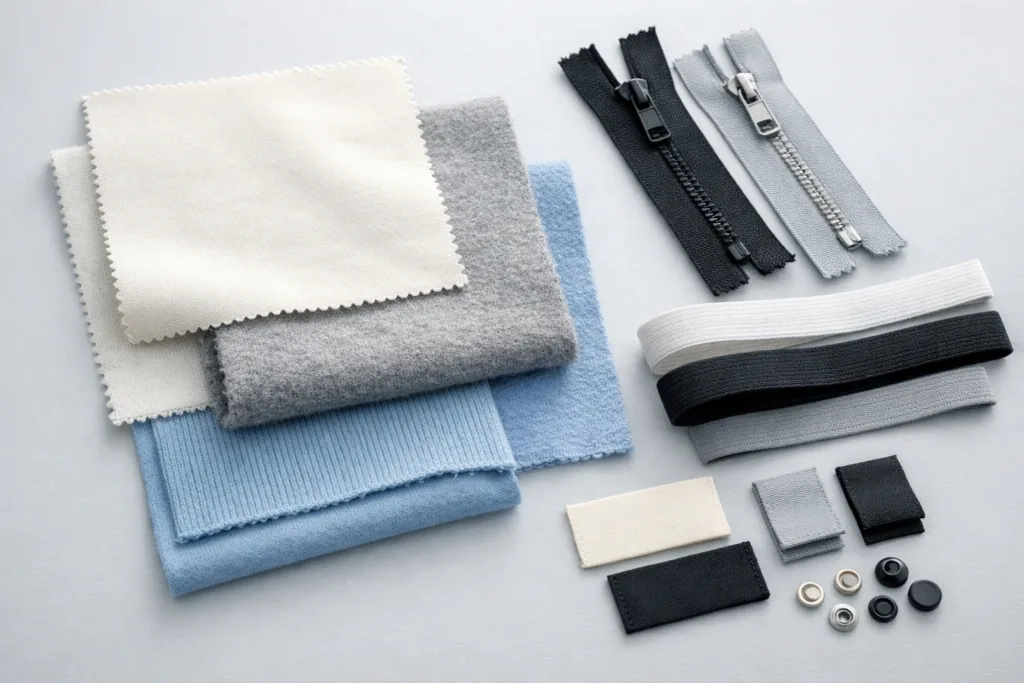
Handfeel is what your customer instantly notices. It’s the tactile sense—soft or crisp, smooth or textured—that brings life to your design. The weight (GSM), stretch (elasticity), and fiber type drive how fabric performs under real wear conditions.
- Texture: Knits vs. wovens, brushed vs. smooth, terry vs. fleece
- Weight: GSM (grams per square meter) directly influences drape and warmth
- Elasticity: Controlled by fiber (spandex, elastane) and fabric construction
Apparel brands benefit from mastering fabric weight metrics. For deeper insights, see GSM meaning in clothing: How fabric weight affects quality.
Performance Properties: Durability, Moisture-wicking, and Care Behavior
Performance goes beyond first impression. It means thinking about how fabrics endure through washes, resist pilling, retain color, or stay dry. Polycotton, modal, and technical synthetics all have unique characteristics—so understanding shrinkage, colorfastness and care rules is vital. Reliable manufacturers like Ninghow often run shrinkage and colorfastness tests for apparel buyers before bulk production.
Trim Selection: External and Internal Components
Good trim sourcing isn’t just about appearance. Zippers, buttons, elastics, drawcords, labels, and patches must complement both the fabric’s look and function. They need compatible washing, dyeing, and sewing properties to avoid failures like fraying labels or corroded fasteners.
Why Fabric & Trim Matching Is Critical for Consistent Production
Mismatched trims and fabrics can lead to defects, returns, and lost brand credibility. For garment makers, consistency from sample to bulk is crucial; even tiny variations can throw off fit or durability. As Ninghow’s production teams stress, matching trims with fabric characteristics—from elasticity to finish—prevents headaches at the sewing stage and the inspection table.
Key Factors When Sourcing Fabrics: Supplier Vetting and Data Management
Best practices include vetting supplier reliability, technical specs, and sample accuracy. Always record batch numbers, test results, and physical samples. For a smooth workflow, leverage tools—take a look at Ninghow’s winning sample approval workflow for garment brands—to avoid costly rework.
Apparel Categories: How Sourcing Strategies Change by Product Type
| Category | Key Handfeel Factors | Trim Needs | Performance Requirement |
|---|---|---|---|
| T-Shirts | Softness, lightweight, breathability | Labels, neck tape | Color retention, shrinkage |
| Hoodies | Warmth, stretch, bulk | Zippers, drawcords, rib cuffs | Pilling resistance, good recovery |
| Activewear | Stretch, moisture-wicking, smoothness | Elastic trims, reflective tapes | Quick-dry, abrasion resistance |
| Jackets | Structure, wind resistance | Metal zippers, snaps | Durability, water repellency |
Evaluating Handfeel in Samples: Lab vs. Human Touch
Laboratory testing of handfeel (softness via KES, air permeability, stretch by percent) offers consistency, but human touch remains the gold standard for many brands. Get feedback from sample fittings and cross-check lab data for best results.
Using GSM for Predictable Quality & Fit
GSM isn’t just a technical stat—it’s a practical bridge between design expectation and bulk reality. Too low, and fabrics feel flimsy; too high and the fit may be stiff. Consistency in GSM locks in fit and bulk feel, directly reducing sample revisions and returns.
Elasticity Matching: Fabric, Rib, and Elastic Trims
Material elasticity must match across body and trims—if your fabric has 15% stretch, choose rib and elastic trims with similar recovery. This ensures the garment moves as a unit and doesn’t warp over time.
Substitution Strategies: How to Find Sourcing Alternatives that Don’t Compromise
When preferred fabrics or trims aren’t available, focus on properties over names. Map GSM, texture, and stretch, then trial alternative fibers. For trims, prioritize function (closure reliability, wash durability) over brand names or aesthetics if you’re in a pinch.
Documentation: Tech Packs and Approval Flow
A clear tech pack is your sourcing insurance. Specify fabric type, GSM range, finish, and trim details. Approval workflows, such as those Ninghow utilizes, document every sample step to prevent miscommunication at the production line.
Case Studies: Successes and Pitfalls in Fabric & Trim Sourcing
- Success: A brand swapped unavailable French terry with high-GSM fleece, matching both the handfeel and the shrink properties, resulting in minimal rework and high customer retention.
- Pitfall: A clothing line’s invisible zipper reacted poorly to high-temperature washing, leading to premature failure. Always verify compatibility of trims and fabrics in sample tests!
Garment Design Impact: How Fabric & Trim Choices Affect Fit and Performance
Pattern tolerance must account for real-life stretch and fabric thickness—don’t just rely on flat measurements. Trims add bulk, so consider finishing and edge treatments to retain optimal fit. For advanced fit control, brands should learn about precision tolerance strategies for 2026.
Testing Methods: Physical and Lab Techniques for Fabrics and Trims
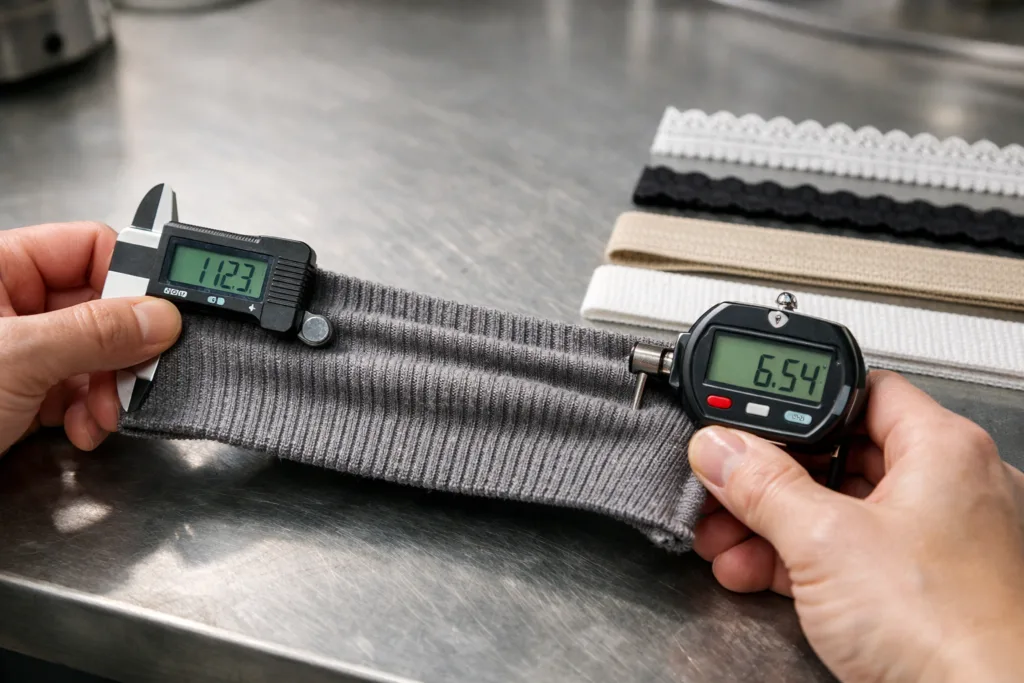
- Fabric: GSM measurement, stretch tests, shrinkage tests
- Trims: Colorfastness, corrosion, dry/wet rub
Conduct both lab and real-use trials before scaling up bulk orders.
Supplier Communication: Setting Clear Specs and Expectations
Consistent communication of your technical requirements to suppliers is non-negotiable. Detailed tech packs, sample feedback, and regular QC exchanges prevent sourcing mistakes and surprises. For guidance, read the smart brand’s guide to supplier communication SOP.
Bulk Production Challenges: What Can Go Wrong and How to Prevent It
Mistakes like GSM variation, trim substitution, or missed color standards are common in bulk runs. Mitigate risks via multiple sample approvals and control points. Use PPS approvals, pre-bulk testing, and on-line QC reporting for a smooth transition from sampling to shipment.
How Sourcing Impacts Garment QC and Returns
Unmatched handfeel or poor performance drive apparel returns. Brands with high-precision sourcing see dramatically lower defect rates. Integrated QC—including tests for seam strength, shrinkage, and trim durability—is the key to happy customers and lasting reputation.
Managing Inventory for Sourcing Flexibility and Speed
Request minimum order quantities (MOQs) that support flexibility, and keep small runs of critical trims in stock. Diversified sources allow backups when main lines face delays or shortages.
Cost vs. Performance: Optimizing Sourcing for Profitable Production
Low cost doesn’t always mean savings. Cheap trims may break during sewing, forcing rework. Focus on durability and consistency, which pay off in reduced defects and satisfied customers. A true veteran knows the value of a fabric that performs reliably through the entire apparel lifecycle.
Eco-Friendly and Compliance Considerations in Sourcing Choices
Look for certified sustainable fibers and trims, check for REACH and OEKO-TEX compliance. Green labeling is increasingly crucial for responsible brands—document your materials and update compliance info regularly.
Technology and Tools for Smarter Fabric Sourcing
Modern apparel teams use digital sample management, spec automation, and cloud-based approval workflows. Faster feedback loops plus streamlined communication tighten quality control and minimize time to market.
Fabric & Trim Sourcing: Match Handfeel & Performance
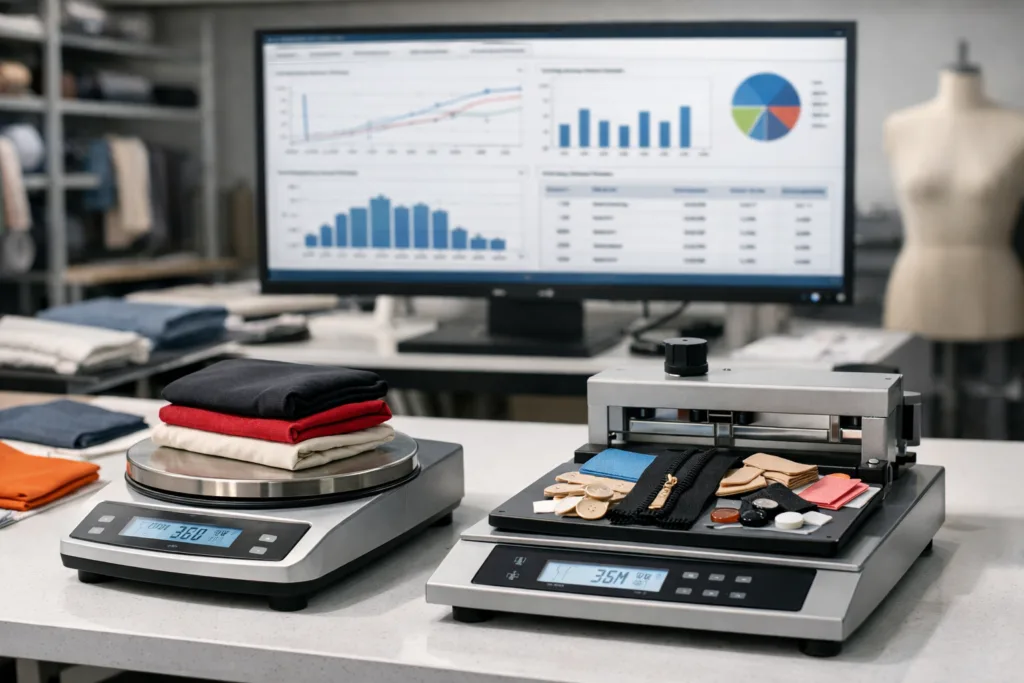
Ultimately, success in fabric sourcing for apparel means blending technical analysis with human touch. By focusing on handfeel (texture, GSM, elasticity), matching trims in function and performance, and developing swift substitution strategies, apparel brands can rise above common sourcing pitfalls and deliver consistent results every season. With rigorous documentation, sample management, QC checks, and active supplier communication, the sourcing journey becomes a driver of brand reliability—not a source of endless rework.
Frequently Asked Questions
How do I check the handfeel of a fabric before bulk order?
Gather physical samples and compare touch, stretch, and appearance across different batches. Use both lab and actual fit tests for the full picture.
What is GSM, and why is it important in apparel sourcing?
GSM stands for grams per square meter and defines fabric weight. Consistent GSM ensures predictable fit, drape, and bulk feel in finished garments.
Can trims affect garment quality and returns?
Absolutely. Incompatible trims can lead to defects such as broken zippers or fraying labels, driving up returns and damaging brand reputation.
How do I find fabric alternatives when suppliers are out of stock?
Choose substitutes based on matching GSM, texture, and elasticity—not just brand or name. Sample alternatives and test their performance before full production.
What tests should be run before sourcing trims in bulk?
Conduct colorfastness, corrosion, and abrasion tests—plus compatibility trials with your main fabric—to ensure trims withstand washing and daily wear.
Why is communication with suppliers so critical for fabric sourcing?
Clear technical specs and feedback cycles prevent costly mistakes, miscommunications, and bulk production errors that are expensive to fix.
Related Reading
- Unlock the Secrets to Every Apparel Sample Type
- Spot Embroidery Mistakes Early: The 2026 Quality Guide
- The Actionable Playbook for Reducing Returns
- Get the MOQs You Really Need: 2026 Apparel Sourcing
- Week-by-Week Planning for Smooth Apparel Production