







Understanding the Sample Approval Process: Why It Matters for Apparel Brands
Every apparel brand faces this question sooner or later: How can you streamline your sample approval process so that costly rework becomes a thing of the past? Wasted time, blown budgets, and frustrated teams are common outcomes when approvals go wrong. Thankfully, adopting a clear, feedback-driven sample approval workflow dramatically reduces these risks and speeds up your path to production quality you can count on.
The True Cost of Rework in Garment Sampling
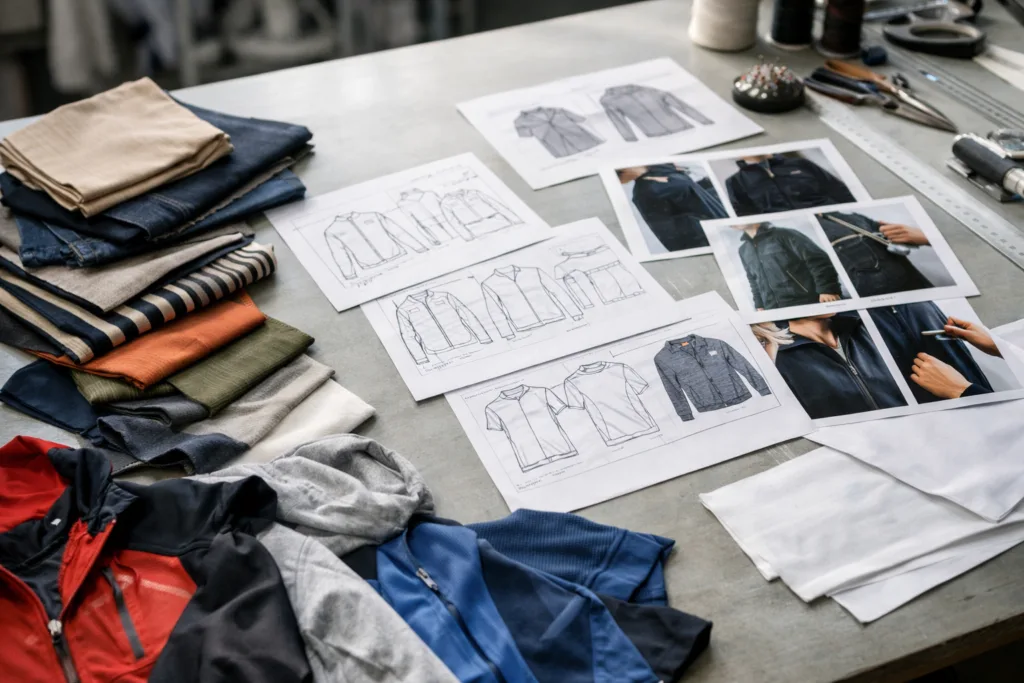
Rework isn’t just expensive—it’s disruptive. When your factory or supplier gets vague, incomplete, or conflicting sample feedback, you’ll almost certainly endure wasted fabric, overtime sewing, and production slowdowns. Brands are pushed behind schedule, and the final bulk run can wind up inconsistent or off-spec. Delayed garment production isn’t just an inconvenience. It directly hits your bottom line and customer reputation.
Single Feedback Document: The Cornerstone of Error-Proof Approvals
Approving samples through multiple email threads or scattered chat messages? That’s a recipe for confusion. Apparel experts recommend consolidating all comments in a single, version-controlled document. Whether it’s an annotated PDF or a comprehensive tech pack, your sample approval file should clearly outline:
- Garment measurements and fit changes
- Visual feedback (photos with precise annotations)
- Confirmed trims, branding elements, and fabric specs
- Responses from the factory on each point
Ninghow’s production floor managers have consistently seen how using a unified approval document reduces miscommunication, saves time on back-and-forth clarifications, and locks in exactly what needs to be corrected before bulk cutting begins.
Efficient Sample Feedback: Using Image Annotations to Close Gaps
Text descriptions can only go so far, especially when reviewing construction, print placements, or subtle design adjustments. Visual annotations on images—like arrows highlighting a seam issue or circles marking off-color stitches—cut through language barriers and ambiguity. When both brand and manufacturer use one annotated sample photo set, there’s no room for guesswork.
The Confirmation—Restate—Execute Cycle: Preventing Execution Errors
The best sample approval process doesn’t stop at sending feedback. It builds in a loop:
- Confirmation: Brand sends detailed, annotated feedback on the sample.
- Restate: Factory restates their understanding of every correction in writing—point by point.
- Execute: Factory implements fixes only after alignment is reached.
This mechanism eliminates assumptions. At Ninghow, for example, if the client requests a “tighter cuff opening,” the team always restates the exact measurement to lock down intent before re-sampling. This step heads off the classic problem of changes being made in the wrong direction—or not at all.
Steps of a Sample Approval Workflow That Prevents Rework
A robust sample approval workflow incorporates checkpoints, documentation, and a feedback loop to lock in success:
- Upload a master document for all sample comments and changes
- Upload, mark-up, and share high-res sample photos/images
- Assign clear responsibility for feedback consolidation
- Set explicit deadlines for response and correction implementation
- Require written factory confirmation and acknowledgment of each point
- Only approve proceeding to bulk after final sample signoff is documented
This model can be supercharged by leveraging detailed tech packs and precision measurement tolerance sheets for every style iteration.
Table: Sample Approval Workflow vs. Traditional Approach
| Step | Traditional | Unified Workflow |
|---|---|---|
| Feedback Collection | Scattered emails, chat messages | Single annotated feedback doc |
| Visual Markup | Text-only, subjective | Image-based, precise callouts |
| Factory Confirmation | Rarely required | Mandatory, point-by-point restate |
| Execution | Based on assumptions | After final written agreement only |
| Outcome | High rework risk, misalignments | Clear accountability, minimal rework |
Common Pitfalls in Sample Feedback (and How to Avoid Them)
- Ambiguous language: Replace “make the neck smaller” with measurable changes like “reduce neck opening by 1cm.”
- Unclear photo references: Always reference image filenames or highlight the problem area directly.
- No version control: Use date and revision numbers in feedback docs to prevent mixing up the latest requests.
- Piecemeal communication: Wait for consolidated feedback from all stakeholders before replying to the factory.
Building Accountability Into Every Approval
Documenting each feedback round forces both sides to stay sharp. All parties should initial or digitally sign the final approval sheet before sending it downstream. This practice is vital for volume runs, especially on challenging styles, embroidery, or cut/sew complexity.
Sample Approval Workflow That Prevents Rework
Here’s a practical workflow apparel brands can use to minimize errors and lost time during sampling:
- Step 1: Receive Factory Sample
Inspect physically and photograph each angle. - Step 2: Centralize Comments
Document all comments in a shared file (Google Doc, Notion, PDF). - Step 3: Annotate Images
Highlight defects, adjustments, or construction details in the photos. - Step 4: Single Feedback Round
Gather input from all teams, combine, and send as one clear batch. - Step 5: Factory Confirmation & Restate
The manufacturer must reply in writing, confirming the understanding for every requested change. - Step 6: Factory Correction & New Sample
Only after the brand’s written approval does the factory execute corrections and submit the next sample. - Step 7: Final Approval
Sign off only when all points are visually and physically correct. Archive feedback file for future reference.
Taking this disciplined approach is the secret to hitting deadlines and achieving consistent product quality from sample to bulk.
Integrating Your Sample Approval Process With Quality Control
The approval process isn’t finished at the sample stage. Top factories build your approved comments, images, and measurements into QC reports for bulk checks. This closes the loop and ensures that what’s agreed during sampling is maintained on the final production line. Want a ready-to-use reporting framework? See this QC reporting template.
How Many Rounds of Sampling Are Realistic?
Most well-managed brands—especially with technical sportswear—plan for at least two rounds of sampling: initial and revised. Startups or fashion drops, where details can be looser, can sometimes get by with only one, if communication and expectations are crystal-clear up front. Complex styles or brand-new fits usually demand three rounds to lock in all adjustments. Your approval workflow should anticipate this and schedule accordingly.

Digital Tools That Supercharge Sample Approval
- Cloud documents (Google Docs/Sheets) with comment histories
- Image annotation apps (Markup Hero, PDF XChange)
- Task management (Asana, Trello) for tracking action items
- Messaging tools (Slack/WeChat) for urgent clarifications—but not as the feedback record
Digitization means better record keeping, fewer lost details, and easier onboarding for new team members.
When to Approve—or Reject—a Sample
- Approve only when the sample matches all comments: size, fabric, trim, print, color, and workmanship.
- Reject if a major point is unresolved—even if you’re under deadline. Pushing forward with a “maybe okay” sample breeds trouble in bulk.
- If a minor point can’t be improved due to machine/factory limits, document this and adjust expectations for production.
Best Practices for Continuous Improvement in Sample Approval
- Conduct project debriefs: Which step created backtracking or confusion?
- Mark and keep cloned documents of each round for traceability
- Log “lessons learned” in a shared reference folder for future seasons
- Coach both your team and your factory partners on the workflow steps
Keys to Aligning Internal Teams Before Giving Factory Feedback
Internal misalignment is just as costly as external miscommunication. Bring your design, technical, merchandising, and brand leads together before responding to the factory. This ensures feedback is not only correct, but also consistent across the board. Smart brands assign one “feedback owner” to resolve conflicting opinions and send the factory a consolidated decision.
The Role of Tech Packs and Specifications in Sample Approval
Tech packs aren’t a formality—they’re your insurance policy. A detailed, up-to-date tech pack serves as the single source of truth, preventing drifting expectations or misinterpretations of hand-drawn sketches. Always attach the latest version when sending feedback and mark the exact changes in each round.
Sample Approval Process for Print, Embroidery, and Special Trims
Samples involving embroidery or print should follow the same workflow but require additional proofs and tests. Inspect actual print swatches in addition to garment photos, compare colors under multiple light sources, and request shrinkage/colorfastness tests. Explore expert embroidery QC tips for design approval and preventing future returns.
Stitching, Seams, and Functional Testing Before Final Approval
Before greenlighting the final sample, verify seam strength and durability, especially at stress points. Do pull tests and laundering trials if possible. The seam strength testing guide lays out how to do this without destroying your sample or adding delays.
The Impact of Accurate Sample Approval on Lead Times
Streamlined approval isn’t only about product quality—it’s about lead time control. When feedback is clear and all teams are aligned, factories can order trims, schedule production lines, and commit to deliveries with minimal guesswork. Delays from rework shrink, and your entire go-to-market plan becomes more predictable.
Sample Approval Workflow for Small Brands vs. High-Volume Factories
Whether you’re running small-batch capsule collections or planning a high-volume seasonal campaign, the workflow principles are the same. The difference is in scale—from how you consolidate feedback, to how many team members need to review each sample. Smaller brands may enjoy more agility, but also risk skipping crucial documentation steps. High-volume operations must implement detailed checklists and version control to avoid chaos.
Role of the Manufacturer: What Top Factories Should Provide
World-class garment manufacturers don’t just wait for approval—they proactively request annotated feedback, keep checklists matched to your requirements, and restate changes in technical language. Some even integrate your annotated sample files into their factory QC checkpoints. When searching for new production partners, prioritize those who value transparent workflows and share their own refinement process openly.
What Brands Should Have in Place Before Beginning Sample Approval
- Clear tech pack and measurement sheet for each style
- Single feedback owner to collect and clarify comments
- Digital annotation and documentation workflow set up
- Pre-defined deadlines and signoff procedures
Measuring Success of Your Sample Approval Workflow
- Count the average number of sample rounds before approval
- Track feedback clarity issues that caused rework
- Survey both your team and factory after each season for workflow bottlenecks
Conclusion: Make Rework the Exception, Not the Rule

Switching to a single feedback file, visual annotations, and confirmation-restatement cycles doesn’t just cut down errors—it transforms the sample approval process from a guessing game into a tool for rapid scaling, tighter timelines, and brand consistency. A disciplined workflow empowers design, technical, and manufacturing teams to speak the same language and deliver on spec, on time, every time. In today’s competitive apparel market, this isn’t just recommended—it’s essential.
Frequently Asked Questions
What is a sample approval workflow?
A sample approval workflow is a structured process garment brands use to review, correct, and approve product samples, minimizing errors in bulk production.
Why use a single approval document instead of email?
A single approval document acts as the official record, eliminates confusion from scattered emails, and ensures everyone works from the most recent, consolidated feedback.
How do image annotations improve the sample approval process?
Image annotations make feedback unambiguous, helping factories quickly spot and correct specific details without misunderstanding or guesswork.
How many times should a factory restate sample feedback?
Factories should restate feedback at least once, after each feedback round, to confirm exact changes before making new samples or moving to production.
What should I do if my team disagrees on sample changes?
Appoint a feedback owner to resolve differences internally, then send a unified, consolidated response to your factory to prevent mixed instructions.
When is it safe to approve a sample?
Approve only when all requested changes are met and confirmed in writing (with annotated visuals), and you’re satisfied with fabric, fit, construction, and trims.