








Understanding AQL Inspection and Apparel Inline QC
In the apparel industry, managing product quality is make-or-break for brands. Reduce Returns with AQL + Inline QC is not just a catchphrase; it’s a complete methodology that every garment manufacturer, retailer, and fashion label needs to master. By combining AQL inspection apparel principles with real-time inline QC processes, brands can set clear standards and dramatically decrease costly rework and returns.
If you’ve ever faced frustrating waves of defective garments, unclear QC protocols, or unexpected returns, understanding how AQL and inline QC interact is vital. Let’s start with the basics and move toward practical solutions.
What Does AQL Mean in Garment Manufacturing?
AQL (Acceptable Quality Level) is a standardized approach for inspecting apparel batches. It lets brands define how many defects are “acceptable” before a shipment is rejected. Learn more about AQL inspection for apparel brands in our simple guide.
What Is Inline QC?
Inline QC, or Inline Quality Control, means inspecting garments at each stage of sewing and finishing—rather than just checking at the end. This proactive method catches errors before they snowball into costly defects.
The Synergy: Why Use Both AQL + Inline QC?
Many factories rely only on a final AQL inspection. But that’s risky. Inline QC detects mistakes early, while AQL provides objective acceptance standards for the finished batch. Together, they create a robust safety net against quality slips.
How to Set Realistic AQL Standards for Apparel
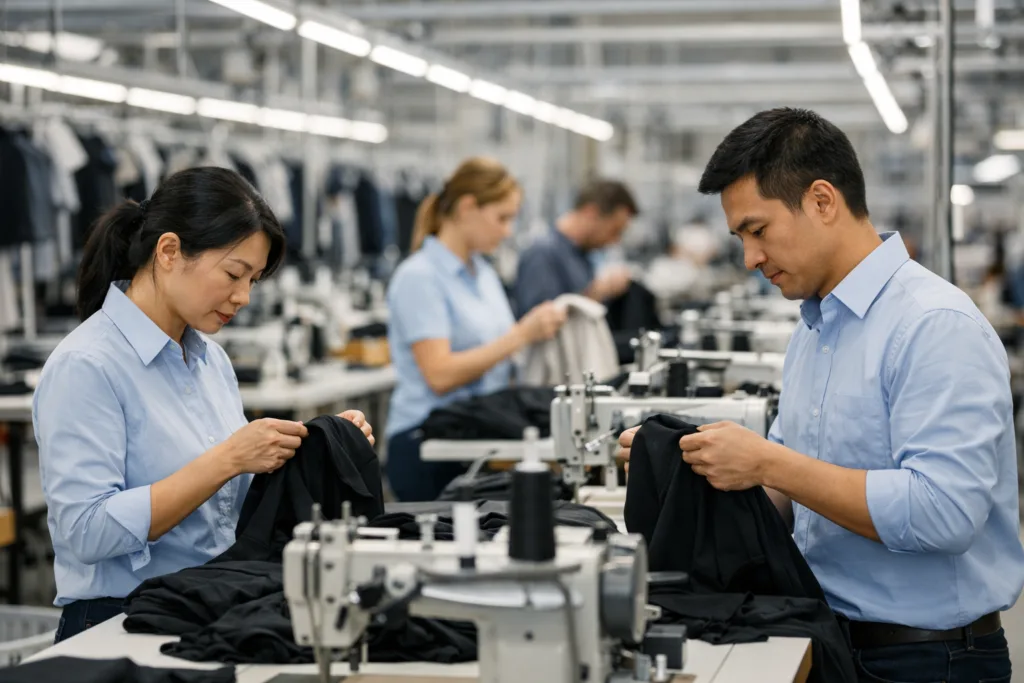
Choosing the right AQL level is a balancing act—between budget, customer expectations, and production realities. Here’s how to select standards that work:
- Know Your Product: High-value or premium garments demand stricter AQL (e.g., 1.0 or 1.5); mass-market basics may use 2.5–4.0.
- Consider Your Customer: Retailers generally expect fewer major defects; e-commerce may tolerate slightly higher minor defect rates.
- Factor in Risk: If your returns history shows high defect frequency, tighter AQL is justified.
- Use Objective Sampling: Refer to standard AQL tables to determine sample size and allowable defects per batch.
Example: Setting AQL for Men’s Hoodies
Suppose you’re producing 3,000 men’s hoodies. You decide on AQL 2.5 for minor defects and AQL 1.5 for major defects. The QC team inspects a sample (say, 200 units) and accepts the batch only if defects are below the threshold per category. See how experts build balanced hoodie lines and add QC at every step.
Common Mistakes in Setting AQL
- Using inconsistent defect definitions
- Sampling too small a batch
- Not updating standards as designs change
Inline QC: Catching Problems Early for Fewer Returns
Inline QC isn’t just about more inspections—it’s about targeted checkpoints where common apparel mistakes happen. For example:
- Fabric cutting: Checking for pattern consistency
- Sewing: Monitoring seam alignment and stitch density
- Trims & labels: Verifying correct attachment and placement
Explore the difference between inline QC and final inspection for real-world examples.
Setting Up Inline QC Checkpoints
- Map out key risk stages in your production flow
- Assign trained inspectors at each checkpoint
- Provide clear visual standards (swatches, fit samples)
- Use quick decision guides—e.g., pass/fail lists for visible defects
How AQL and Inline QC Lower Rework and Returns
Returns and rework eat into profits and damage your brand reputation. The right mix of AQL and inline QC strategies delivers direct bottom-line results:
- Early detection means fewer nasty surprises at final inspection
- Standardized defect thresholds cut down on arguments with suppliers
- Consistent product quality raises customer satisfaction and repeat business
Comparison Table: Inline QC vs. Final-Only AQL
| Feature | Inline QC + AQL | Final AQL Only |
|---|---|---|
| Defect Catch Rate | High (multi-stage) | Moderate |
| Rework Required | Low | High |
| Customer Returns | Few | More likely |
| Production Cost | Stable/predictable | Variable/unexpected |
| QC Effort | Distributed | End-loaded |
Reduce Returns with AQL + Inline QC
The ultimate goal for any garment brand is simple: ship products that match customer expectations and minimize costly after-sales headaches. By combining precise AQL inspection apparel methods and thorough inline QC, you ensure that each production stage builds toward consistent quality and fewer returns.
If return rates are spiking, start by auditing your current QC process. Are inspectors checking garments during production or only after? Are your AQL levels still relevant for your new SKUs, materials, or markets? Making changes here will have visible results.
Case Study: How Inline QC + AQL Reduced Hoodie Returns
Last season, a mid-tier hoodie brand noticed defect returns climbing to 6%. By adding inline QC at sewing and trim attachment, and tightening AQL standards, the next batch dropped return rates to just 1.7%. Minor tweaks in inspection—not big investments—protected their profit and reputation.
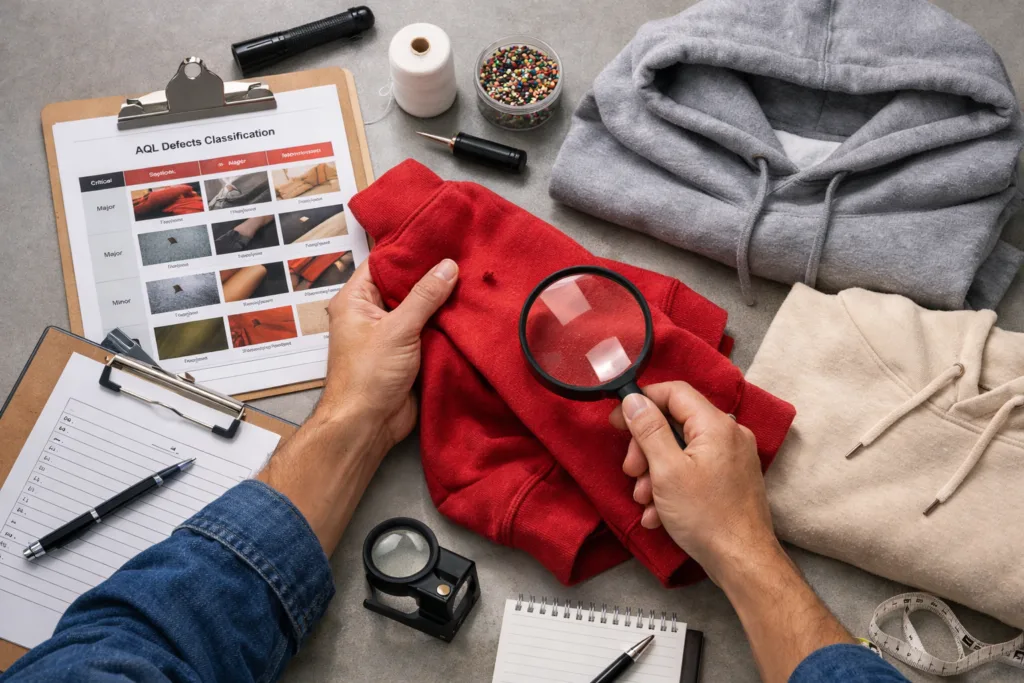
Key Apparel Defect Types (And How to Prevent Them)
- Stitching irregularities: Frequent needle checks, clear SOPs
- Untrimmed threads: Final-pass inspection just before bagging
- Poor fit/sizing: Pre-production sample approval, pattern consistency checks
- Incorrect labels/tags: Double-check SKU and placement during finishing
- Dirty marks: Hygienic zones, clean hands policy, frequent workspace cleaning
See the Apparel Compliance Checklist for a full rundown on materials, labels, and testing procedures.
Integrating AQL and Inline QC with Tighter Production Scheduling
Some brands fear QC will slow shipments. The reality? Inline QC actually speeds up the reliable flow—catching errors right at their source, before they cascade. When aligning quality control strategy with your production timeline, be sure to include QC in pre-shipment “gate stages” for best results.
How Ninghow Sets Up AQL + Inline QC for Fit Accuracy
Ninghow’s production managers recommend combining fit sample approvals with inline QC checkpoints. For bulk orders, inspectors double-check panel matching and keep digital photos for every batch, ensuring later AQL inspection is smooth and objective. This saves time, reduces disputes, and keeps fit standards consistent—regardless of style changes.
Technology Tools for Smarter QC and AQL Tracking
- Mobile QC apps for instant reporting and photo records
- Barcode scanning to match products with defect logs
- Cloud-based dashboards for team-wide tracking
Digital QC reduces paperwork errors and lets brands analyze return trends by defect type and supplier.
Training Tips: Building QC Skill on the Shop Floor
- Practice defect spotting with sample swatches in induction training
- Host monthly QC roundtables to review recent returns and new standards
- Rotate inspectors through different product categories for well-rounded expertise
- Use pass/fail visuals and real-world case studies to build judgment
Questions Every Apparel Brand Must Ask About AQL + Inline QC
- Does my supplier understand my exact defect priorities?
- Are sampling sizes based on objective tables?
- Are all QC findings documented, actionable, and shared promptly?
- Do QC teams collaborate or work in silos?
When to Update AQL and Inline QC Standards
- Launching new styles or fabrics
- Seeing a spike in returns
- Switching suppliers or factories
- Entering stricter retail markets (EU, Japan, specialty chains)
If you’re unsure, audit your processes each season and adjust standards for riskier products.
Troubleshooting: What to Do When Returns Spike Despite QC Improvements
- Review defect logs by type and batch
- Audit inspector training and SOP accuracy
- Bring production managers and QC staff together for a root-cause workshop
- Track if the same issues recur with certain suppliers or styles
Reduce Returns with AQL + Inline QC
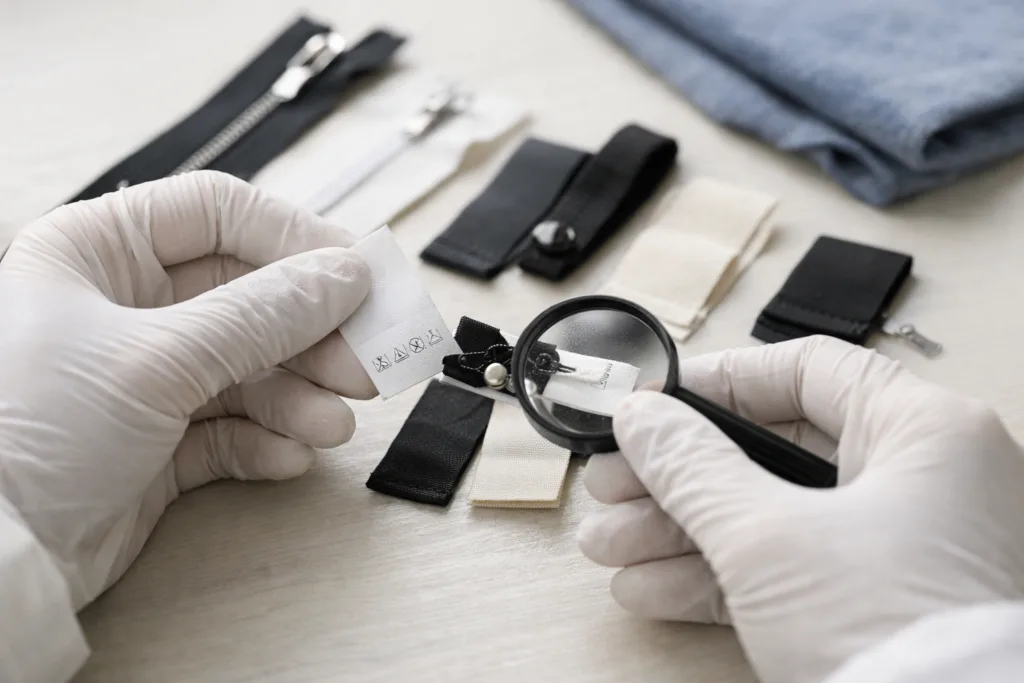
Returns aren’t just after-sales problems; they start with choices about quality checks, clear standards, and proactive attention to detail at every production step. Boots-on-the-ground QC teams, objective AQL standards, and digital tracking are industry musts — not optional add-ons.
Make these investments upfront and your customers (and profit margins) will thank you, season after season.
Frequently Asked Questions
What is the main difference between AQL and inline QC?
AQL defines statistical acceptance standards for finished product batches, while inline QC refers to quality checks performed at each production stage to catch defects early.
How do I choose the right AQL level for my apparel brand?
Select AQL levels based on product type, target market, risk tolerance, and past return data. Higher-end products need stricter standards, while basics can accept higher levels.
Will adding inline QC increase production costs?
Inline QC may add small upfront costs (inspectors, training), but it reduces rework, scrap, and returns—saving money overall and stabilizing your production timeline.
Can AQL inspection be automated?
Certain aspects, like sampling size calculation and defect logging, can use software. Physical garment checks still need human inspectors, but digital tools help track issues efficiently.
How often should brands update their QC procedures and AQL standards?
Review and update procedures at least seasonally, or when launching new styles, switching suppliers, or seeing spikes in defects or returns.
What are the most common apparel defects leading to returns?
Stitch irregularities, poor fit/sizing, untrimmed threads, incorrect labels, and dirty marks are frequent causes. Prevent by targeted inspection, clear standards, and education.
Related Reading
- How Delivery Delays Impact Apparel Brands (Cost Breakdown)
- Step-by-Step Guide to Clothing Factory Audits: What Managers Need to Check
- Real-World Strategies: Fixing Apparel Quality Inconsistencies
- Can You Rush Apparel Production? What’s Realistic—and What Isn’t?
- Discover the Main Types of Embroidery Used in Clothing Production