






Launching a private label clothing line can be one of the most exciting and rewarding moves for fashion entrepreneurs and brand owners. But what happens after your first bestseller—say, a great T-shirt or jogger pant? How do you strategically expand from a single-item hit to a multi-product private label collection that supports brand growth, customer retention, and long-term success?
This article walks you through the step-by-step process of private label clothing line planning, specifically how to expand from 1–2 core products into a cohesive apparel range including tops, bottoms, and more—without losing control of quality, brand identity, or budget.
Why Start With One or Two Products?
Many successful private label brands began with a signature piece. This allows you to:
- Test your market without overextending resources
- Perfect your production and branding process
- Build a loyal audience around a proven item
At Ninghow, we often help clients start with simple yet brand-defining products like:
- T-shirts with logo placement
- Slim-fit joggers or active shorts
- Hoodies or sweatshirts for athleisure lines
Once traction is achieved, it’s time to scale—but smartly.
When Should You Expand Your Private Label Collection?
Here are some signs that you’re ready to scale beyond a single product:
- You’re consistently selling out or getting repeat orders
- Your audience is asking for complementary products (e.g., matching bottoms)
- You have clear data on what colors, fits, and styles are performing
- Your supply chain and production partners are reliable and scalable
Expanding too early can strain your resources. Expanding too late can result in missed opportunities. Our advice: begin planning when you’ve stabilized your core product and customer feedback is consistent.
Step 1: Define Your Collection Structure
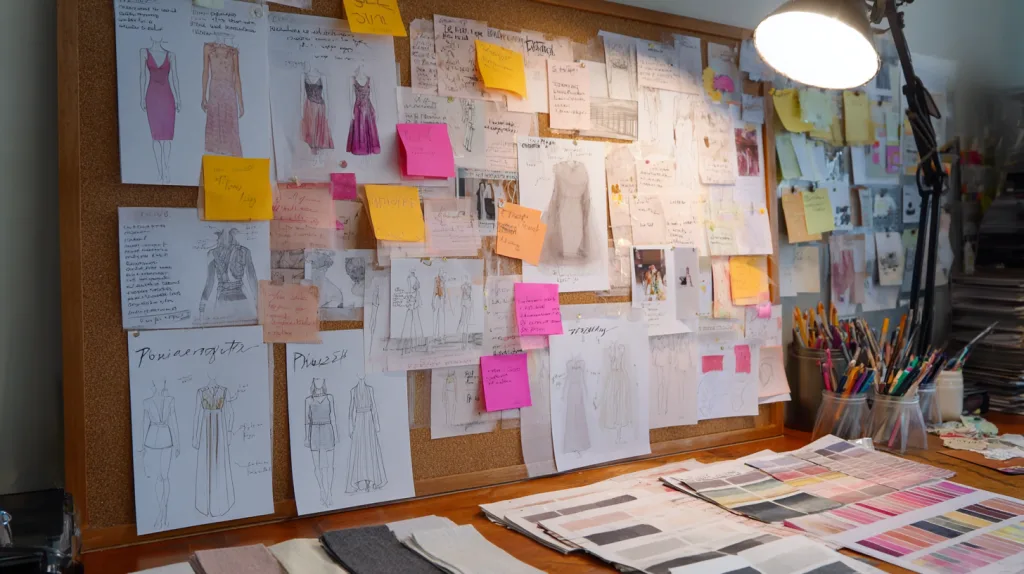
Start with a category map based on your brand’s positioning. For example:
- Tops: T-shirts, polos, hoodies, tanks, long sleeves
- Bottoms: Joggers, cargo pants, shorts, leggings
- Outerwear: Jackets, zip hoodies, windbreakers
- Accessories (later stage): Hats, bags, socks
Explore the clothing production line of Ninghow clothing manufacturer
You don’t need everything at once. A good Phase 2 expansion typically includes:
- 1–2 new tops that match your best-selling bottom
- 1 new bottom to complement your core top
- Optional layering piece (jacket, zip hoodie)
Make sure all new pieces align in fit, tone, and materials with your original item.
Step 2: Build Your Visual and Material Consistency
One key to a great private label collection is visual cohesion. Customers should immediately recognize your garments as part of one identity.
Tips for Consistent Visual Identity:
- Use a core color palette (e.g., black, olive, stone, charcoal)
- Standardize logo placements (e.g., left chest, hem tag)
- Use recurring design elements (e.g., ribbed cuffs, signature drawstring, branded taping)
Fabric Consistency:
Use similar or matching fabric types across items when possible. For instance:
- Cotton/poly blend jersey for both tees and joggers
- Brushed fleece across hoodies and sweatpants
- Woven nylon for windbreaker and track shorts
Ninghow can help match fabric feel, weight, and color across products—even if they’re technically different blends.
Step 3: Sample in Coordinated Mini-Drops
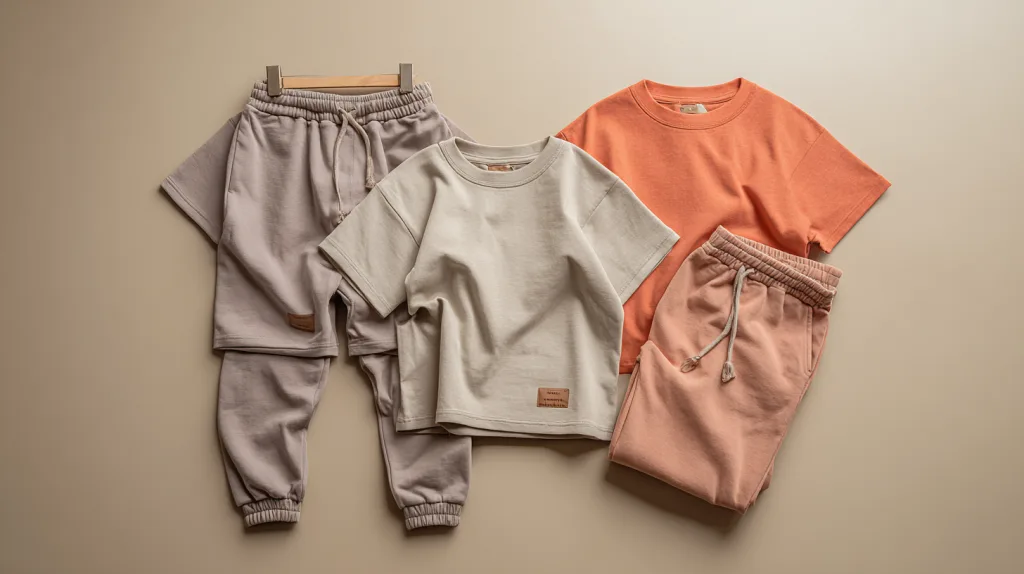
Rather than building an entire 10-piece collection at once, consider launching in mini-drops or “capsules.”
Example:
- Drop 1: Signature T-shirt + slim jogger (core colors)
- Drop 2: Hoodie + matching shorts (same branding elements)
- Drop 3: T-shirt variation (graphic print) + new jogger colorway
This strategy:
- Keeps production manageable
- Maintains freshness in the eyes of your customers
- Allows for better cash flow
At Ninghow, we support low MOQ production (starting at 100 pcs/style) to help brands test and iterate these capsules affordably.
Step 4: Upgrade Branding and Packaging
As you expand your collection, elevate your private label presentation. This includes:
- Woven neck labels or printed brand tags
- Hang tags with product info or brand story
- Custom packaging (e.g., polybags with logo, kraft wraps, sticker seals)
Brand cohesion in packaging boosts perceived value and helps your growing collection feel like a unified product family.
Step 5: Plan Ahead With Production Partners
Working with a responsive, flexible manufacturing partner is critical as your private label line expands.
What to Look For:
- Ability to source matching or coordinated fabrics
- Willingness to handle small orders and rapid iterations
- In-house support for sampling, pattern making, and tech packs
- Transparent communication about timelines and costs
Ninghow offers all of the above—and assigns a dedicated merchandiser to each multi-product client, ensuring alignment across all SKUs.
Case Example: How a Two-Product Start Became a Full-Line Collection
Client: Startup men’s streetwear brand (Canada)
Year 1: Started with a black logo T-shirt (200 pcs) and lightweight brushed jogger pants (150 pcs), designed as a transitional capsule for late summer and early fall.
Year 2 Expansion:
- Added oversized hoodie with the same embroidery color
- Launched new short-sleeve tee in 3 seasonal colors
- Introduced cargo shorts with same fabric and hardware as joggers
Result: 5-product collection with high repeat customer rates, sold via Shopify and consignment boutiques.
Final Thoughts: Grow Smart, Stay Focused
Building a multi-product private label clothing collection is a journey. Focus on fit, brand identity, and material quality at every stage.
Avoid overextending. Start with one or two hero items, then use customer feedback, cohesive design planning, and flexible manufacturing to grow intentionally.
At Ninghow – private label clothing manufacturer, we’re here to help you launch, iterate, and scale—without the typical headaches of sourcing, sampling, and production.