






Introduction
Spandex fabric, also known as Lycra or Elastane, is a revolutionary textile known for its exceptional stretch and elasticity. First developed in the 1950s as a synthetic alternative to rubber, Spandex (Lycra/Elastane) has become an essential component in sportswear, activewear, shapewear, and medical textiles.
But what makes Spandex fabric so unique? Unlike natural fibers, Spandex can stretch up to 5-8 times its original size and quickly return to its shape, making it a preferred choice for flexible, form-fitting garments.
In this guide, we’ll explore the properties, types, uses, and benefits of Spandex fabric, as well as its role in the modern textile industry.
What Is Spandex (Lycra/Elastane) Fabric?
Spandex, Lycra, and Elastane are different names for the same synthetic fiber made from polyurethane. The fiber is known for its high elasticity, durability, and resistance to wear and tear.
Key Properties of Spandex Fabric:
✔ Exceptional Stretch – Can expand up to 500-800% of its original length.
✔ High Elastic Recovery – Returns to its original shape after stretching.
✔ Lightweight & Breathable – Enhances comfort in clothing.
✔ Resistant to Sweat & Moisture – Ideal for sportswear and swimwear.
✔ Wrinkle & Shrink-Resistant – Low maintenance and easy to care for.
Spandex is rarely used alone but is blended with other fabrics (such as cotton, polyester, or nylon) to enhance stretch and flexibility.
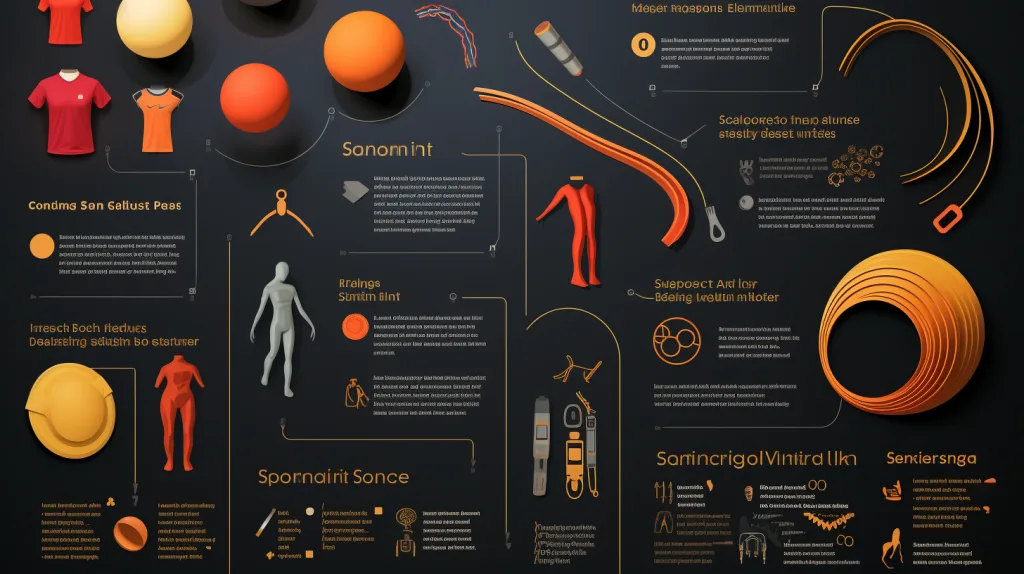
Types of Spandex (Lycra/Elastane) Fabrics
1. Pure Spandex Fabric
- Contains 100% Spandex fibers, offering maximum stretch.
- Used in compression wear, performance gear, and specialized medical textiles.
2. Blended Spandex Fabrics
- Cotton-Spandex Blend– Soft, breathable, and stretchy (used in leggings, t-shirts, and loungewear).
- Polyester-Spandex Blend– Durable, wrinkle-resistant, and moisture-wicking (used in sportswear and swimwear).
- Nylon-Spandex Blend– Sleek, strong, and highly elastic (used in activewear and intimates).
- Wool-Spandex Blend– Enhances warmth while maintaining flexibility (used in winter sportswear and formalwear).
3. High-Performance Spandex Fabrics
- Compression Spandex– Provides muscle support and improved circulation (used in medical and athletic wear).
- Moisture-Wicking Spandex– Designed to keep the body dry and cool (used in high-performance sportswear).
- UV-Protective Spandex– Offers sun protection for outdoor sportswear and swimwear.
Why Choose Spandex Fabric?
Maximum Stretch & Flexibility
Spandex can stretch 5-8 times its original length, making it perfect for form-fitting and body-hugging garments.
Enhanced Comfort & Fit
Blended with other fabrics, Spandex ensures better movement, support, and shape retention.
Durability & Long-Lasting Performance
Spandex fabrics resist wrinkles, shrinkage, and sagging, maintaining their original fit over time.
Sweat-Resistant & Quick-Drying
Spandex repels moisture and dries quickly, making it ideal for sportswear, swimwear, and underwear.
Versatile & Multi-Purpose
Used across fashion, activewear, medical textiles, and industrial applications, Spandex adapts to various industries.
Common Uses of Spandex Fabric
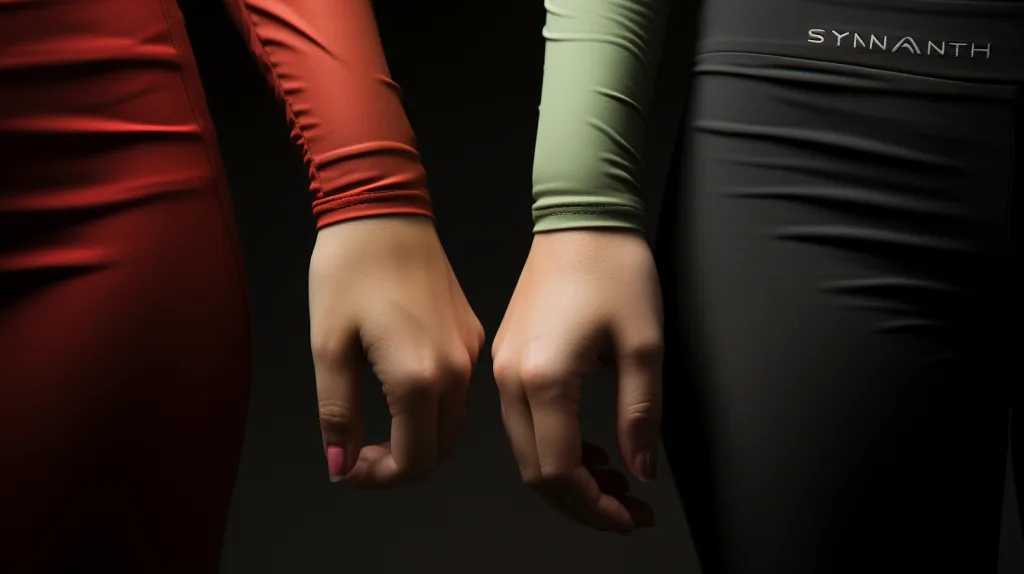
1. Sportswear & Activewear
✔ Leggings, yoga pants, compression shirts, cycling shorts.
✔ Athletic gear for improved flexibility and comfort.
2. Swimwear & Intimates
✔ Bikinis, swimsuits, rash guards.
✔ Bras, underwear, shapewear for a smooth, body-contouring fit.
3. Medical & Compression Garments
✔ Compression socks, sleeves, and post-surgical garments.
✔ Supportive wear for circulation improvement and muscle recovery.
4. Everyday Fashion & Casual Wear
✔ Stretch denim, jeggings, bodycon dresses.
✔ T-shirts, skirts, and fitted blouses.
5. Industrial & Specialty Applications
✔ Stretchable upholstery and seat covers.
✔ High-tech wearable textiles and protective gear.
How to Choose the Right Spandex Fabric?
- For Maximum Stretch:Opt for 100% Spandex or high-percentage blends.
- For Sports & Performance:Choose moisture-wicking polyester-spandex blends.
- For Everyday Wear:Cotton-Spandex provides comfort and breathability.
- For Compression & Medical Use:Use high-compression Spandex materials.
Caring for Spandex Fabric
Washing Tips
- Use cold waterand mild detergent.
- Avoid harsh chemicals, bleach, or fabric softenersthat break down elasticity.
- Hand-wash delicate Spandex garments when possible.
Drying & Ironing
- Air dry or tumble dry on low heatto prevent fiber damage.
- Avoid high heatwhen ironing; use a low-temperature setting if needed.
Storage Tips
- Store flat or foldedto avoid overstretching.
- Keep away from direct sunlight and heatto maintain elasticity.
FAQs
What is the difference between Spandex, Lycra, and Elastane?
There is no difference—Spandex (USA), Lycra (brand name), and Elastane (Europe) all refer to the same synthetic stretch fiber.
Is Spandex fabric breathable?
Yes, Spandex blends are lightweight and breathable, especially when combined with cotton or moisture-wicking fabrics.
Does Spandex shrink in the wash?
Spandex does not shrink easily but can lose elasticity if exposed to high heat.
Is Spandex eco-friendly?
Traditional Spandex is not biodegradable, but sustainable alternatives, such as recycled Spandex and bio-based Elastane, are emerging.
Which Spandex blend is best for leggings?
Polyester-Spandex and Nylon-Spandex blends offer durability, moisture-wicking, and stretch—ideal for leggings.
Conclusion
Spandex (Lycra/Elastane) fabric has transformed modern textiles, providing unmatched stretch, durability, and comfort. From sportswear and fashion to medical applications, Spandex is a versatile and essential fabric in the textile industry.
With innovations in moisture-wicking, compression, and eco-friendly Spandex, this fabric continues to evolve, meeting the demands of modern consumers.
Looking for High-Quality Spandex Fabric?
Ninghow offers customized wholesale services for brands, businesses, teams, and events. Our main products include POLO shirts, T-shirts, hoodies, and shorts. Contact us today to explore our premium Spandex fabric options!