





Introduction to Basic T-Shirts – Cotton vs Nylon T-Shirts
Basic T-shirts are essential items in any wardrobe, prized for their versatility, comfort, and durability. However, when it comes to choosing the best material, the options can be confusing—especially when deciding between cotton and nylon. Each fabric has distinct qualities that make it better suited for different environments, activities, and personal preferences. This guide, brought to you by Ninghow, a leading manufacturer and supplier of customized wholesale T-shirts, provides an expert breakdown of the pros and cons of cotton and nylon to help you make an informed choice.
Benefits of Cotton T-Shirts
Cotton is one of the oldest and most popular materials used in clothing due to its natural, breathable qualities. For those looking for comfort, cotton T-shirts are often the go-to option.
Softness and Comfort
One of the most compelling reasons people choose cotton is its softness. As a natural fiber, cotton offers a gentle feel against the skin, making it ideal for sensitive skin types. Research from the Cotton Incorporated Lifestyle Monitor indicates that 87% of people prefer cotton for comfort (Cotton Incorporated, 2021). The softness of cotton is hard to match, especially in lightweight T-shirts for casual, everyday wear.
Breathability and Moisture Absorption
Cotton has excellent breathability, which is beneficial for preventing overheating and discomfort in warmer climates. Its natural fibers allow air to circulate, helping to keep the wearer cool. Cotton’s absorbent nature is also beneficial as it can soak up sweat, though it may feel damp under strenuous activity. According to the Journal of Fiber Bioengineering and Informatics, cotton’s high moisture absorbency (over 7% in some tests) helps reduce the risk of skin irritation by drawing moisture away from the skin (Kim et al., 2019).
Hypoallergenic Properties
Because cotton is free from harsh chemicals, it is generally hypoallergenic, making it a safer choice for individuals with skin sensitivities. Cotton’s organic versions are even gentler and free of pesticides, often recommended by dermatologists for individuals prone to skin allergies and irritation.
Benefits of Nylon T-Shirts
Nylon is a synthetic fiber initially created as a silk substitute. Known for its resilience and smooth finish, nylon has become popular in sportswear and high-performance clothing.
Moisture-Wicking and Quick-Drying
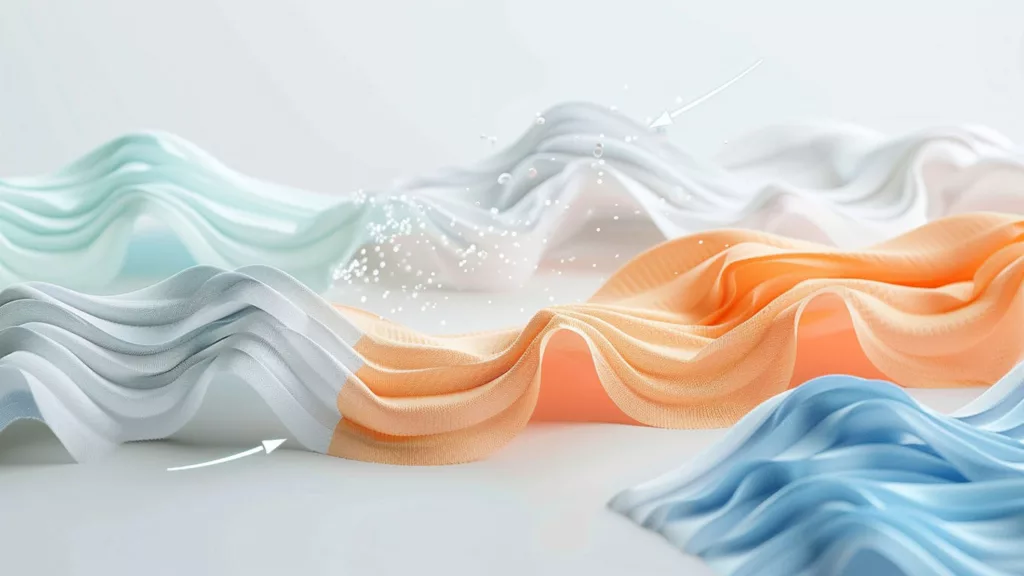
Nylon has hydrophobic qualities, meaning it repels water rather than absorbing it. This makes it an ideal choice for people engaging in high-intensity activities or for humid environments where staying dry is a priority. Unlike cotton, nylon pulls moisture away from the body to the fabric’s surface, where it evaporates quickly. This moisture-wicking ability is widely recognized in sports science as essential for maintaining comfort during intense activities (Atkinson et al., Journal of Sports Science, 2018).
Durability and Resistance to Wear and Tear
Nylon is extremely durable and resistant to common wear issues like stretching, pilling, and fading. According to a study published by the American Chemical Society, nylon fibers are about ten times stronger than cotton fibers, making nylon T-shirts long-lasting and resilient against frequent washes and outdoor use (ACS, 2020). This durability makes nylon particularly attractive for T-shirts that will be used for physical activities or repeated use.
Lightweight and Wrinkle-Resistant
Nylon T-shirts are lightweight and packable, making them excellent travel companions. The wrinkle-resistant properties of nylon also mean that garments look fresh and polished even after being stored in a suitcase or gym bag.
Moisture-Wicking vs. Absorbency
One of the primary distinctions between cotton and nylon T-shirts is how they manage moisture. This is a critical factor for comfort, especially in warm climates or during physical activities.
How Nylon Excels in Moisture-Wicking
Nylon’s synthetic structure gives it the ability to wick moisture from the skin’s surface to the outer layer of the fabric. This process keeps sweat from sitting on the skin, reducing the risk of chafing and allowing the fabric to dry quickly. Nylon’s moisture-wicking capacity is particularly valued in activewear, where athletes and outdoor enthusiasts prioritize fabrics that keep them dry.
Cotton’s Absorbent Nature
While cotton is absorbent, it doesn’t wick moisture away as nylon does. Instead, it absorbs and holds onto sweat, which can be uncomfortable during extended wear. According to studies by the Textile Research Journal, cotton can absorb up to 24 times its weight in water but doesn’t release it quickly, which may result in a damp sensation if worn during high activity or in humid conditions (Textile Research Journal, 2020).
Comfort and Sensitivity for Skin Health
Choosing the right fabric for sensitive skin is crucial for preventing discomfort, redness, and other irritations. Both cotton and nylon offer unique benefits and considerations.
Cotton’s Hypoallergenic Benefits
For individuals with sensitive skin, cotton is often recommended because it is hypoallergenic and naturally gentle. Dermatologists often suggest cotton fabrics for those with skin conditions or sensitivities, as the natural fibers minimize the risk of irritation or allergic reactions.
Potential Skin Irritations with Nylon
While nylon is a durable and quick-drying fabric, it may cause irritation for some due to its synthetic nature. Nylon’s lack of absorbency can sometimes lead to trapped heat and sweat, potentially creating a breeding ground for bacteria if worn for extended periods. Individuals with sensitive skin or conditions like eczema might find cotton to be a more comfortable alternative (WebMD Dermatology Review, 2021).
Durability and Long-Term Maintenance
Durability is essential for those looking to invest in T-shirts that can withstand frequent use and laundering.
Cotton’s Maintenance Needs
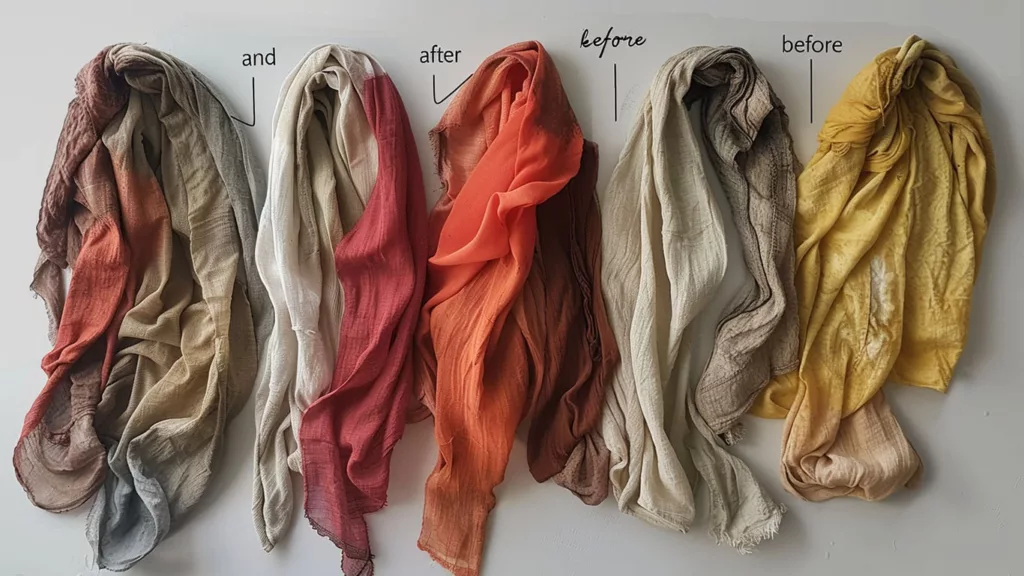
While cotton T-shirts are long-lasting, they require careful maintenance. Cotton tends to shrink in hot water and may lose its shape over time if not washed properly. It’s recommended to wash cotton in cold water and avoid high heat when drying to maintain its integrity.
Why Nylon Lasts Longer
Nylon is inherently strong and resistant to stretching, shrinking, and tearing, making it a durable choice. Unlike cotton, nylon does not require special care to retain its shape and can be machine washed and dried. Additionally, nylon resists pilling, which can be an issue with cotton after multiple washes.
Environmental Impact and Sustainability
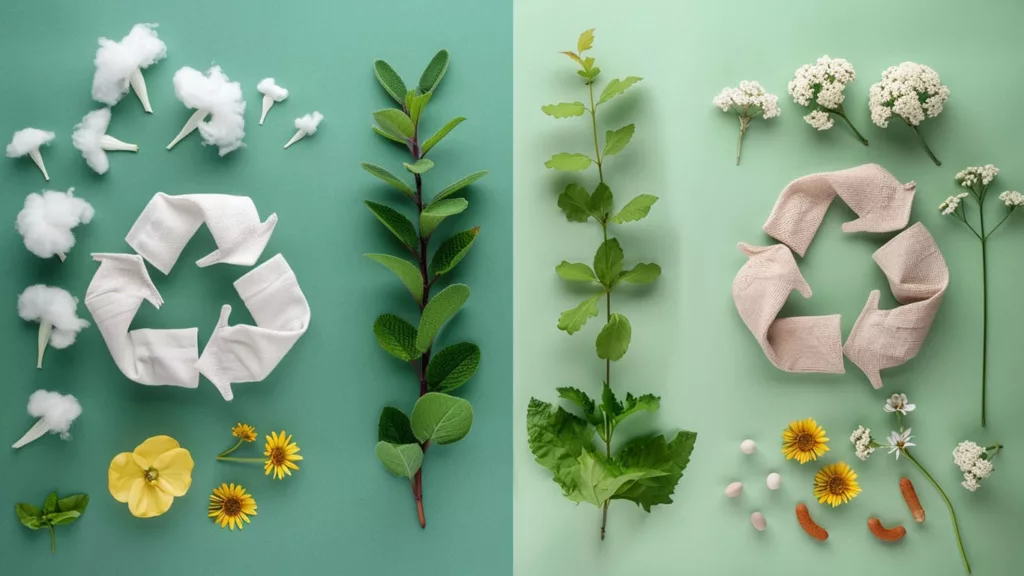
Sustainability is a growing concern among consumers, with many opting for materials that are environmentally friendly.
Environmental Benefits of Cotton
As a natural fiber, cotton is biodegradable, which minimizes its impact on landfills. Organic cotton takes this a step further, as it is produced without synthetic pesticides or fertilizers. This makes cotton a more sustainable choice for eco-conscious consumers, though water consumption in traditional cotton farming remains a concern (World Wildlife Fund Report, 2022).
Environmental Concerns with Nylon
Nylon, being a synthetic material derived from petrochemicals, has a greater environmental impact. The production of nylon releases greenhouse gases, and it is not biodegradable, contributing to long-term waste issues. However, recycled nylon options are increasingly available and offer a more sustainable alternative, allowing manufacturers like Ninghow to cater to environmentally conscious brands.
Choosing Based on Lifestyle Needs
Choosing the right material often comes down to lifestyle. Here’s how each fabric caters to different needs.
Everyday Wear and Casual Comfort
Cotton is often preferred for everyday wear due to its breathability and natural feel. Those who prioritize softness and are looking for an eco-friendly choice may find cotton the most appealing.
Sports and High-Intensity Activities
For individuals engaging in sports or outdoor activities, nylon’s moisture-wicking capabilities and durability make it a better choice. Its lightweight, fast-drying nature makes nylon an optimal choice for those with active lifestyles.
Cost Comparison of Cotton vs. Nylon T-Shirts
Price is another critical factor in choosing the right T-shirt material, especially for bulk orders.
Cotton: Affordable and Accessible
Cotton is generally more affordable and widely available, making it accessible for a range of budgets. However, premium or organic cotton options may come at a higher cost.
Nylon: Investment in Performance
Nylon tends to be more expensive due to its production process and performance attributes. However, for those seeking long-lasting and performance-oriented T-shirts, the investment in nylon may be worthwhile.
Final Recommendations and Conclusion
Both cotton and nylon T-shirts have their distinct benefits and ideal uses. For those who prioritize softness, natural fibers, and eco-friendly options, cotton T-shirts are likely the best choice. Conversely, for active individuals or those seeking durable, quick-drying materials, nylon is the preferred option.
At Ninghow, we offer customized T-shirts in both materials to cater to diverse needs. Whether you’re looking to stock your retail brand with breathable cotton tees or source durable, moisture-wicking nylon T-shirts for activewear, Ninghow provides high-quality, customizable wholesale options. Visit Ninghow website to explore our range of basic T-shirts and find the perfect fit for your brand’s needs.