
Introduction: Why China Is Still Better for Repeat Orders and Reorders
For apparel brands, getting repeat orders and reorders right is vital—and many are asking why China continues to outperform other regions when it comes to replenishing bestselling clothing styles. Handling follow-up production isn’t just about making more of the same item; it’s the biggest test of whether your supply chain can deliver consistency, quality, and speed every single time. This article unpacks common pitfalls, shows why China often prevails, and explains what brands should know before making that next replenishment decision.
Why Repeat Orders Are the Real Test of Supply Chain Stability
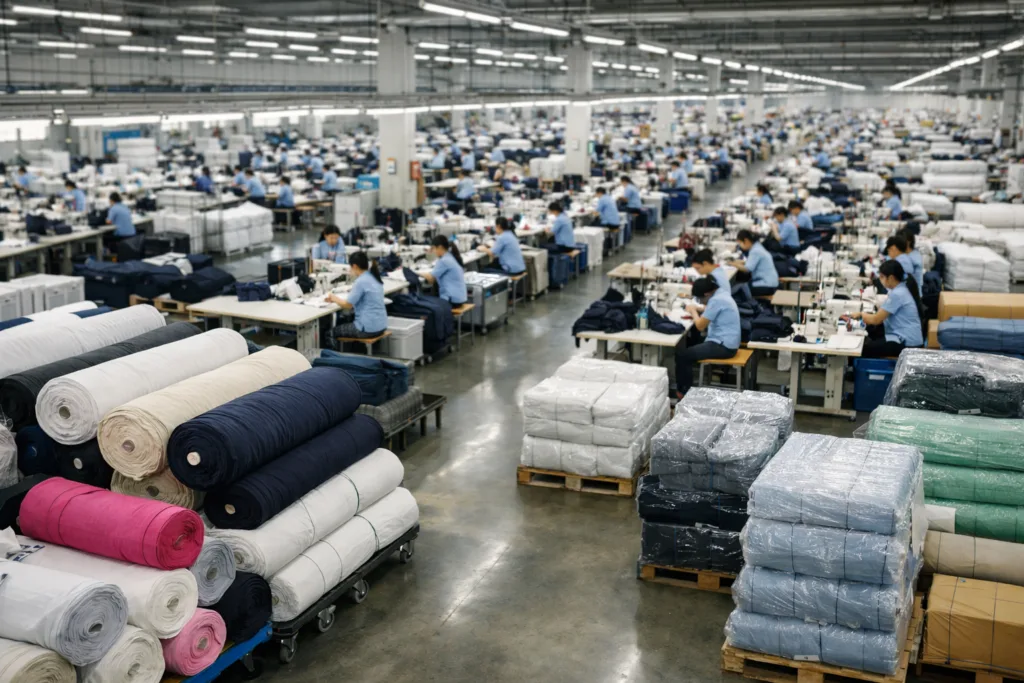
Placing a repeat order sounds simple: just ask your manufacturer to make more units of a proven winner. Yet, this is where sloppy supply chains unravel. Repeat production exposes unseen issues: raw material continuity, consistent dye lots, skilled labor, and flexible factory schedules. If any part has changed—fabric batch, sewing team, or trim supplier—the result can be delays, mismatched colors, or quality that disappoints loyal buyers. According to experienced sourcing managers, the ability to deliver reliable reorders separates a stable partner from a risky factory.
Common Reorder Problems: Why Apparel Replenishment Can Trip Up Even Good Suppliers
What often goes wrong with repeat production? Brands frequently report changes in hand-feel, subtle fabric shade differences, or even longer lead times vs. their first run. The root causes typically include:
- Raw Material Gaps: The original fabric or dye lot is sold out, so suppliers substitute or re-order, causing color or texture mismatches.
- Production Timing: During busy months, factories might slot repeat orders after newer/high-profile clients.
- Staffing Issues: Skilled machine operators are sometimes reassigned, impacting seam quality or logo application.
Inconsistent QC, outdated PP samples, and rushed communication on small changes each amplify mistakes. Smart brands know that managing reorders is about more than sending a PO and waiting for shipping—it’s about maintaining a stubborn attention to detail at every handoff.
China’s Advantages in Repeat Orders: Fabric, Craft, and Coordination
So, why is China still the safest bet for stable repeat orders? The answer comes down to industry depth, mature supply networks, and entrenched production protocols. Here’s where China stands out:
- Material Continuity: China’s immense textile ecosystem makes it easier to source the same fabric, same colorfastness, or even the original yarn batch, reducing color and hand-feel variations.
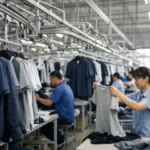
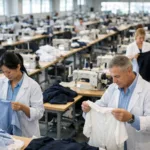
- Craft and Experience: Generations of patternmakers, line managers, and sewing technicians ensure the knowledge of your style isn’t lost between orders.
- Coordination: Factory schedulers maintain long-standing relationships with trims, heat transfer, and embroidery suppliers—reordering doesn’t require “starting from scratch.”
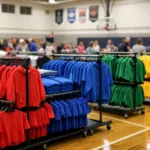
This embedded expertise makes it possible to control for variables that disrupt repeat flows elsewhere. For example, a brand might find that a Chinese factory’s process for custom teamwear allows seamless reorders of core T-shirts or polos with nearly zero shade difference—even six months after the launch order.
Typical Repeat Order Mistakes
What mistakes do brands make that turn reorders into headaches?
- Not keeping detailed records of material supplier and lot numbers
- Ignoring technical sample approval before each reorder
- Switching trims without re-testing overall product integrity
- Relying on the same production line during peak season (when the factory may be juggling dozens of clients)
Brands that insist on documentation, demand updated samples, and clarify every specification reduce their risk.
Types of Apparel Most Suited to Repeat Production in China
Certain products are inherently easier to replenish reliably—especially in China’s extensive manufacturing ecosystem. These include:
- Solid-color T-shirts and polos
- Team sports apparel with consistent decoration
- Simple hoodies and sweatshirts without complex trims
- Corporate uniforms and branded event wear
Styles that depend on unique prints or rare fabrics might be trickier, but China’s mature processes still offer better odds for matching than newer production regions. If you’re curious about how this plays out, check the private label manufacturing guide for insights on managing basics vs. decorated apparel lines.
How Factories Like Ninghow Approach Stable Repeat Reorders
At Ninghow, which produces teamwear and custom apparel, every repeat order kicks off with a technical review: Are the material rolls, thread, and trims still available? Are the size specs and construction notes up to date? On the shop floor, experienced sewers and QC teams refer to both the first bulk and the reference PPS, confirming color, fit, and label placement before even prepping shipments. Rather than assuming last time’s instructions will suffice, everything is checked—an extra step that cuts down fit drift or mismatched branding between batches. For time-sensitive teamwear, stock fabric and trim “call-offs” help minimize lead time even when schedules are tight.
The Role of Production Planning and Coordination in China
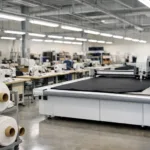
Robust repeat production isn’t just about manufacturing muscle; it hinges on solid production coordination. China-based factories have experienced planners who can slot in your reorder with minimal downtime, confirm logistics partners, and predict peak season bottlenecks. This forecasting power means smaller brands get their replenishment orders squeezed in efficiently, rather than shunted aside until it’s convenient for the scheduling team. Suppliers even keep leftover fabric or trims on hand when future orders are anticipated—a practical buffer missing in many emerging hubs.
Fabric Sourcing: Why China’s Textile Network Lowers Repeat Order Risk
When the same supplier provides the fabric (not just the cut-and-sew process), there’s lower risk that reorders look or feel different. China’s established mills track shade approvals, batch numbers, and color standards for key clients, making it relatively easy to match earlier runs. Garment-dyed programs are flagged as ‘sensitive’ so extra QC is done. Emerging sourcing regions sometimes lack this fabric-to-factory traceability, which can quickly derail a quick reorder plan.
Quality Control for Reorders: Matching the First Shipment, Every Time
The first shipment sets the standard—repeat orders are only successful if they meet or exceed that mark. China-based teams are used to documenting every minor grading change, decoration placement update, or trim spec, with robust QC checklists to confirm consistency. This is especially critical for products that require exact branding or specific fit. Technical managers know that a missed detail (like the wrong size neck label or shifted logo) can blow up a client relationship faster than a simple color issue.
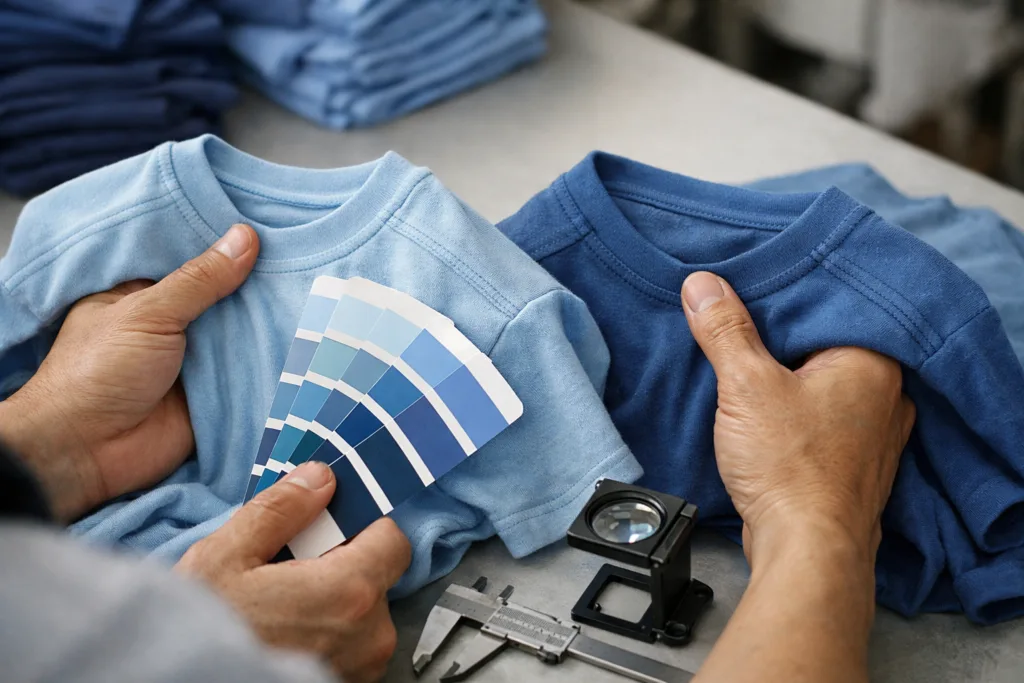
Color Matching and Lot Variations: Getting It Right
Color differences remain a top complaint in repeat apparel orders. How does China manage to keep this under control?
- Using retained ‘shade swatches’ from the approved bulk production
- Pre-order lab dips and strike-offs for every new batch
- Documenting dye formulas and mill batch codes during sampling and bulk approval
These tangible technical steps mean that even with time gaps, the reorder pieces reliably match previous runs. For team outfits and uniforms especially, this supports brand identity and avoids confusion on the field or in retail displays.
Lead Time Management for Repeat vs. New Orders
Lead time for repeat orders in China is typically shorter, since both sides already know the technical package and the required finish. However, raw material availability and order slot spacing still matter. Brands that pre-negotiate rolling supply windows with their Chinese partners often see 20–40% faster replenishment versus one-off buyers. Still, last-minute surge orders can face bottlenecks if the factory doesn’t hold extra fabric or trims onsite. Fast sampling process insights highlight why China’s system offers practical advantages here.
Document Control: Keeping Records for Seamless Production
Proper documentation underpins repeat reliability. Every approved sample (from fit to color) should be labeled with its PO, date, and any supply chain notes. Chinese manufacturers typically maintain style libraries for ongoing clients, so the approved tech packs, raw material references, and QC flags are accessible months or years later. This reduces miscommunication and sets up hassle-free reorders for brands planning seasonal replenishments.
Communication and Change Management in Reorders
Clear, timely communication is crucial—especially as team members, branding elements, or preferred trims change. In China’s mature factories, sales coordinators and merchandisers confirm every technical change (even minor Pantone tweaks) before production. This habit eliminates the lazy assumption that reorders will be identical, keeping product lines fresh yet on-brand.
Cost Efficiency: Why Stable Reordering Saves More Than Upfront Sourcing
While some countries may quote a slightly lower upfront unit price, China’s advantage comes from less waste, fewer failed batches, and minimal hidden rework costs in repeat orders. Consistent lot success means less inventory write-down and stronger store delivery timelines—outcomes that matter more than shaving a few cents off the initial price.
Apparel Categories Best Managed by China’s Production System
Beyond basics, many complex items (like jackets with zippers, embroidery, or detailed branding) actually see stronger repeat consistency from China. That’s because the full supply chain—includes specialized hardware, branded trims, and logo printing—is already coordinated. For fashion items, corporate wear, and athletic uniforms, this stability reliably carries from one order to the next.
Sample Approval and Retained Samples: A Key Step
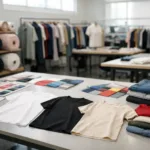
Smart factories retain the exact sample used for the last approved production run—even if design tweaks occur later. Brands are wise to request their reference sample stays at the factory as well, so both sides can easily verify details before bulk starts. This single habit dramatically reduces misalignment and quick-fix errors.
Risk Points to Watch: When Reorders May Not Match
Even in China, reorders can go awry if brands lose track of their original BOM (bill of materials), allow design drift, or swap components without serious retesting. Special dye techniques or finishes may change due to environmental rules or supplier exit. Brands should demand updates and notify their factory of any hidden changes in hangtags, packaging, or store presentation needs.
Batch Testing & Pre-shipment Inspection in Repeat Orders
Batch testing is the last chance to spot issues before goods ship out. In China, good factories perform side-by-side checks on old and new orders, measuring size, inspecting logo placement, and confirming all trims. Random samples are checked by both internal QC and, for larger brands, by third-party testers to guarantee performance and legal compliance across markets.
When to Shift Production: Is China Always the Answer?
There are cases where shifting part of your production makes sense—say, for ultra-basic items or when targeting low-labor-cost regions. Yet, many brands return after a few rocky experiences elsewhere, realizing the hidden cost of failed reorders and emergency air shipments outweighs any savings. Brands should compare not only the first PO cost, but the real reorder stability as they build a global supply chain. (See why some brands shift—and why many don’t.)
How Stable Repeat Orders Drive Brand Reputation
Consumers and retailers notice when a style looks and feels identical—season after season. Stable reordering builds trust and simplifies inventory planning for both DTC brands and wholesale buyers. When the process fails, it can lead to costly returns, disappointing stores, and a damaged brand image. Invest upstream in reliable repeat production and your reputation will benefit downstream.
The Role of Apparel Sourcing Strategy in Repeat Order Success
Start with your sourcing strategy: Are you prioritizing long-term supplier partnerships, technical clarity, and open communication? Or are you still shopping for the lowest price each season? Brands that favor stability and partnership—choosing mature Chinese factories and communicating thoroughly—see far higher reorder success rates. This translates into stronger bottom lines and better brand longevity.
Why China Is Still Better for Repeat Orders and Reorders
China’s advantages in reliable repeat apparel production are built on deep supply chains, expert sample control, and integrated material sourcing that rivals still can’t easily match. While every region can deliver a basic T-shirt, few can maintain exact color, logo, and fit alignment across multiple years—even as teams change and retail cycles evolve. Stability, not just price, is what makes China the still-undisputed “repeat king” for brands that care about ongoing success.
Conclusion: Key Takeaways for Consistent Apparel Reorders
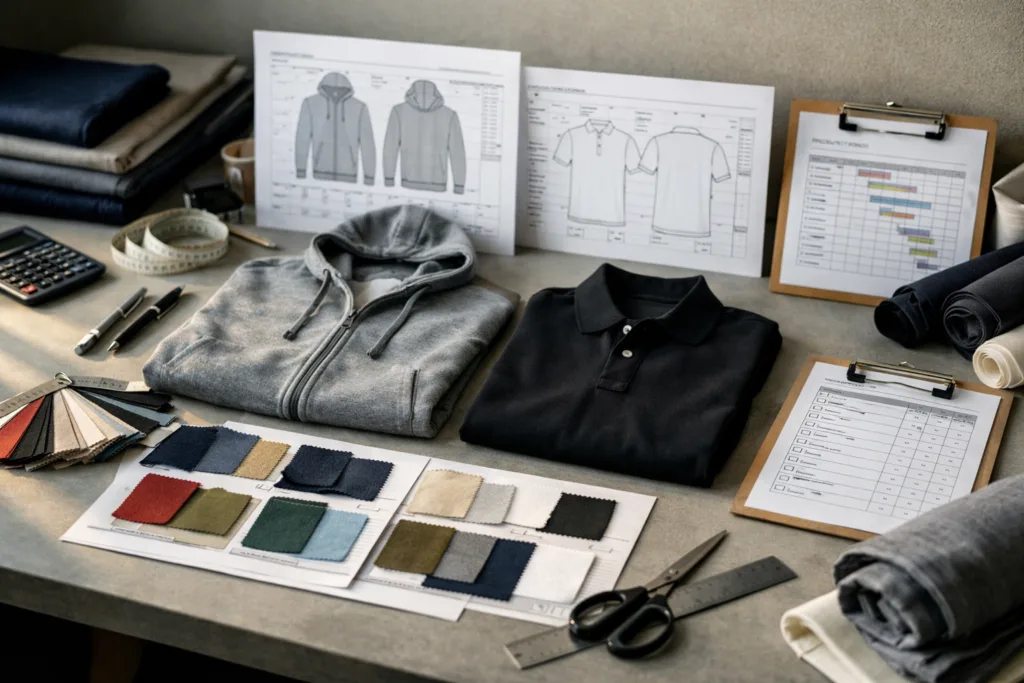
Stable, well-managed repeat orders aren’t just a supply chain convenience—they’re the core of trusted apparel brands worldwide. China’s superior material sourcing, experienced production teams, and methodical QC empower brands to replicate success season after season, with less risk of failed launches or mismatched collections. Brands should invest in documentation, insist on sample control, and commit to partnership for the best reorder outcomes. When repeat orders ship on time, with reliable quality, everything downstream—customer satisfaction, financial planning, and brand integrity—gets easier.
Frequently Asked Questions
What makes China better for apparel repeat orders?
China offers unmatched fabric continuity, deep production expertise, and thorough documentation—factors that keep reorder quality, color, and fit consistent.
Are repeat orders always faster to deliver from China?
Yes, generally. Because the technical details are known and materials are often stocked, China’s factories can usually deliver repeat orders 20–40% faster than new programs, barring material shortages.
How can brands reduce color difference in reorders?
Maintain shade swatches, demand lab dips for every batch, and document all dye lot approvals with your supplier. Chinese mills are well equipped for this rigor.
What types of apparel work best for repeat production in China?
Solid T-shirts, polos, simple teamwear, and uniforms are ideal. Even decorated styles benefit from China’s skilled labor and stable supply chains.
How should communication differ for reorders?
Treat reorders as new projects: clarify every change, ask for updated samples, and confirm every material or branding update—even if minor.
What’s a smart way to plan repeat order timelines?
Discuss anticipated volumes and delivery dates with your factory in advance. Scheduling rolling supply contracts ensures preferred slotting and minimizes unexpected delays.
Related Reading
- How Custom Team Clothing is Made – The Full Production Journey Explained
- Top Supply Chain Secrets for Stable Apparel Launches
- Why China’s Apparel Supply Chain Remains the Most Reliable in 2026
- Solving Common Problems in Bulk Teamwear Manufacturing
- The Complete Playbook for Hitting Your Delivery Dates in Bulk Apparel Orders
