

Understanding the Real Cost of an Unstable Apparel Supply Chain
The apparel industry loves to talk discount per piece and savings on shipping lanes. But what’s often ignored is the real price brands pay when their apparel supply chain turns unstable. The consequences run much deeper than late shipments or a “nonconformance” note on a QC report. In this article, we’ll look beyond sticker prices to uncover the hidden—and often much higher—costs tied to unstable sourcing and unpredictable clothing production. We’ll break down specific risk scenarios, examine why low quotes can backfire, and offer plainspoken steps for shifting your brand’s thinking on vendor stability, all while weaving in insights for smarter decision making.
What Does an Unstable Apparel Supply Chain Look Like?
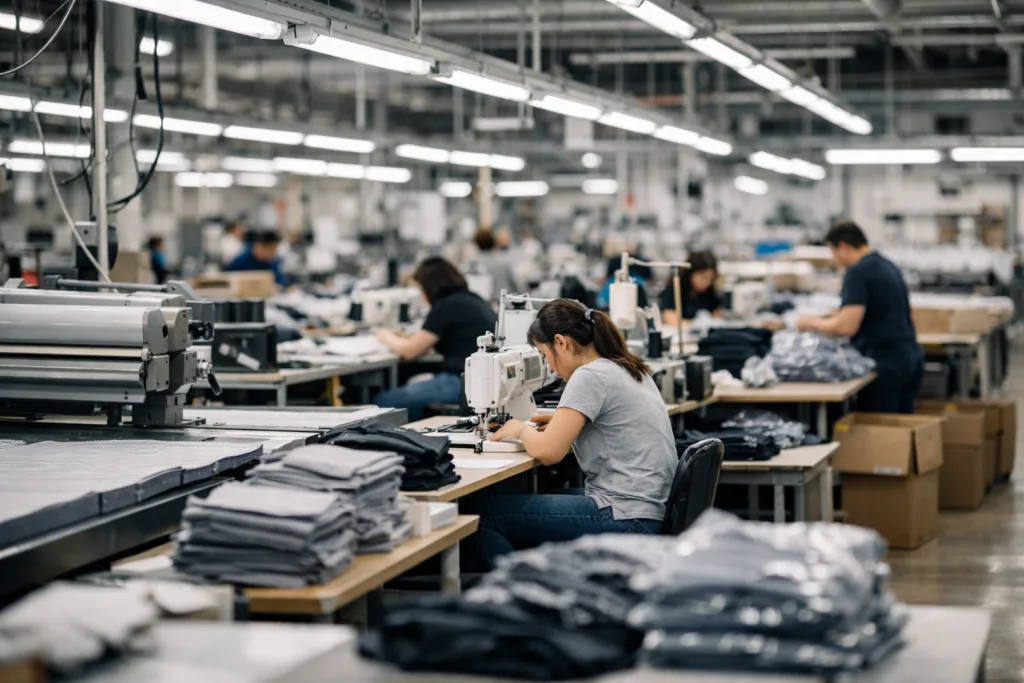
An unstable apparel supply chain surfaces when vital links—sample development, material procurement, or communication—break down. You might see delayed samples pushing your whole timeline back, or unexpected bulk defects showing up just before delivery. Each missed handoff, stalled bulk run, or late update spirals into more than a minor annoyance. These issues are rarely isolated; they trigger last-minute firefighting and hefty, often hidden, cost overruns.
The Hidden Costs: More Than Just Delays
Cost overruns tied to fashion sourcing risk often lurk beneath the surface. Sure, a late truckload or a rejected bulk shipment might be the most obvious disasters. But subtler problems—like the energy spent chasing answers, paying premiums for air freight after missed deadlines, or even the reputational hit from late in-store drops—are just as damaging to your bottom line. Over time, factories with poor system checks or unreliable capacity can cause total actual costs to soar far beyond initial quotations.
| Hidden Cost Category | Real-World Impact |
|---|---|
| Delayed Sampling | Missed launch dates, constant reworks |
| Bulk Production Defects | Returns, urgent remakes, extra QC bills |
| Reactive Logistics | Air freight costs, warehouse overtime |
| Retail/Reputation Hit | Lost trust, discounting unsold stock |
Delayed Sampling: The Domino Effect on Timelines
Delayed or inconsistent sampling sits at the root of many apparel sourcing problems. Every sample revision eats precious calendar days, especially if information or expectations aren’t crystal clear from both the brand and the manufacturer. Even skilled factories need enough lead time to fine-tune prints, trims, or fits. In Ninghow’s experience, most sampling delays stem from unclear comments, rapid design changes, or material sourcing hiccups—problems often magnified by unstable factory planning. The longer sampling drags on, the more squeezed your bulk production window becomes, making late shipments almost inevitable.
Bulk Production Defects: When Things Snowball
Nothing drains an apparel launch faster than unexpected bulk defects. These problems range from subtle color mismatches and skewed sizing to glaring stitching errors. Sometimes these issues are caught at final inspection, but other times, boxes full of mistakes ship out undetected. With unstable clothing manufacturing, root causes often include insufficient pre-production control, over-booked lines, or rushed handoffs between sewing and finishing teams. Every defective batch chips away at profit—through rework, extra QC inspections, or unsellable product write-offs.
Late Shipments: More Than an Annoyance
Late shipments don’t just threaten on-shelf dates. The aftermath can mean expensive air freight, disrupted retail launches, and the extra cost of warehouse overtime to sort fixes. From the supply side, delays often arise when sub-suppliers slip or communications break down between partners. Unstable production systems magnify these risks, forcing rush decisions just to catch up. Brands that calculate only the direct shipping upcharge often underestimate the wider ripple: staff costs, promotional changes, or even contract penalties can snowball the true expense.
Miscommunication and the Cost of Omitted Details
Mistakes thrive where details slip through the cracks. Language barriers, unclear tech packs, or ambiguous instructions can derail everything from print alignment to fit adjustments. Reliable factories institute check-back systems to catch errors before they snowball; those with unstable or overloaded communication flows can miss vital questions completely. In one case, correcting a single label spec error resulted in three rounds of repacking and last-minute relabeling—a cost not found anywhere on the initial production quote.
Why Low Quotes Often Mean Higher True Costs
The cheapest unit quote sometimes ends up being the biggest money pit. Here’s why: unstable suppliers may promise rock-bottom prices, but pay little attention to process stability or communication. Fixing sample hiccups, chasing missing answers, or expediting overdue orders inflates your overall bill. Occasionally, brands discover that saving $0.20 per garment in theory cost them 10x in expedited logistics and product returns. A detailed breakdown of the cost vs quality equation for apparel manufacturing makes the trade-off plain.
Case Study: When Apparel Sourcing Problems Go Unchecked
A mid-sized sportswear label once switched to a manufacturer offering a 5% lower quote per polo. Samples took twice as long, and two waves of bulk defects meant express shipping was the only option. The final project’s true cost eclipsed the initial “expensive” supplier’s quote—with no extra margin and frayed retailer relationships left behind. This shows how unstable clothing manufacturing can erase any sticker price savings if hidden costs aren’t part of your risk calculation.
The Real Cost of an Unstable Apparel Supply Chain
Many brands chase the “country equation”—looking to relocate production to supposedly cheaper destinations. But if stability isn’t measured, risk multiplies. Instead, compare factory planning, QC track records, and sample turn time, regardless of geography. Too often, apparel production risk is driven less by where clothing is made, and more by the strength of internal systems. If your current supplier is stuck in delay-firefight-repeat mode, it’s time to evaluate what you’re really saving.
Fabric Sourcing and Its Role in Supply Chain Stability
Reliable fabric sourcing anchors every strong apparel supply chain. Weak sub-supplier relationships, or a lack of alternate fabric options, leave brands vulnerable to market shocks, dye issues, or low-grade substitutes in bulk. Experienced manufacturers—like those at Ninghow—build backup sourcing paths and pre-approve materials for speed and risk reduction. Brands should scrutinize this area first when vetting a prospective partner.
Communication Tools: The Backbone of Predictability
Modern supply chains use clear, trackable communication—nothing gets lost in translation, and questions are answered before they become production-stoppers. Digital systems, shared update platforms, and multi-lingual project managers all play critical roles in keeping sampling and bulk runs on track. When a clothing manufacturer lacks such systems, brands pay in misunderstandings, remedial corrections, and missed launches.
Why Lean Planning Beats Last-Minute Fixes
Stable apparel production relies on upfront planning. Factories with robust capacity planning and detailed pre-production meetings avoid the “fix it on the fly” approach. Last-minute changes become rare, and escalation is fast if something does go off track. Brands benefit by getting exactly what they ordered—on time, with fewer firefighting fees. Lean planning adds a buffer against inevitable industry surprises.
Bulk QC: The Difference Between Stable and Chaotic Manufacturing
Quality control isn’t the one-time inspection many might think. Sustainable factories—stable at their core—run multiple QC checks at fabric intake, cutting, sewing, and packing. Each catch reduces the odds of large-scale rework or customer returns. Factories without these layers often look “efficient” on paper, but the hidden cost of undetected defect clusters can destroy your allocation and delivery plans. For step-by-step insight into how real QC checkpoints work, see our article on unlocking garment factory capabilities.
Sample Process: The Building Block of Predictable Bulk Orders
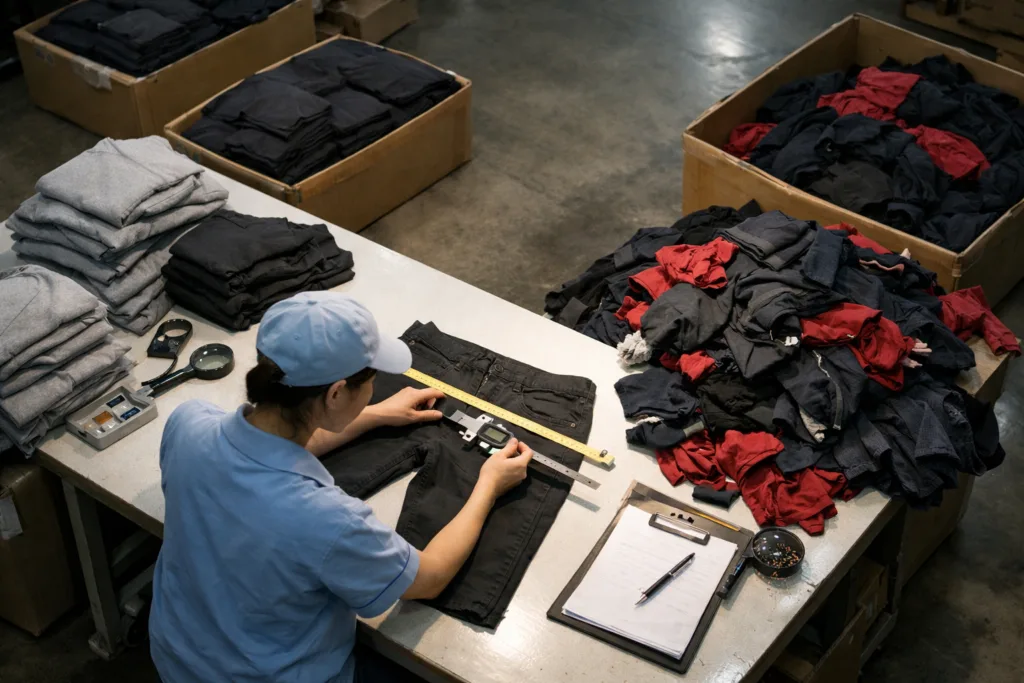
A predictable sampling process gives brands the control to catch mistakes early—before they become expensive. From fit prototypes to print pre-approvals, each stage should be quick, clear, and logged. Factories that shortcut this process (to lower headline costs) invite trouble; what you save in time, you pay for in mistakes further down the line. Brands can consult this essential guide to measuring garments for production to limit rework and safeguard schedule predictability.
Team Collaboration: Bringing Merchandising, Technical, and Production Together
Apparel supply chain stability isn’t just about the factory’s floor; it demands close synchronization with your own merchandising, technical design, and quality teams. Clearly documented approvals, shared calendars, and regular bulk status updates ensure nothing slips unnoticed, even in shifting market conditions. This collaborative discipline separates brands that thrive from those stuck in constant reactive mode.
Should You Move Production Out of China?
Some brands believe shifting manufacturing out of China solves their pain points, but research shows the full story is more complex. Changing countries doesn’t erase the hidden costs of unstable supplier setups elsewhere—sometimes, it makes things worse. Brands should rigorously compare systems, not just geographies. We explore these critical considerations in depth in our article about moving production out of China—a must-read for anyone thinking about switching supply sources for cost or predictability reasons.
Evaluating a Vendor by More Than Location
Country stereotypes are less useful than ever. Instead, brands should probe a vendor’s sampling consistency, bulk repeat rates, and wrap-up-of-each-program lessons. Stability lies in process, not just passport. Use trial runs, review their communication systems, and interview prior brand partners before making a final decision.
Forecasting and Inventory Management: Taming Uncertainty
Unstable supply chains create wild swings in inventory planning, either landing you with unsellable surplus or missed sales. Stable factories enable more accurate demand forecasting and inventory optimization. Brands gain confidence in launch schedules, promotional rollouts, and replenishment plans, with less last-minute scrambling or waste.
Summary Table: Comparing Stable vs Unstable Apparel Supply Chains
| Stable Supply Chain | Unstable Supply Chain |
|---|---|
| On-time samples & bulk production | Late sampling, missed deadlines |
| Clear, proactive communication | Misunderstandings, last-minute corrections |
| Low rework and return rates | Frequent defects, expensive corrections |
| Predictable costs, reliable launches | Hidden costs, missed launches |
How to Build a More Predictable, Lower Risk Supply Chain
Brands should set benchmarks for what stability really means at each stage—sampling, bulk, logistics, and communication. Start with trial orders, document every hand-off, and run cost simulations including worst-case overruns. Assess partners based on clarity, repeat performance, and their willingness to share real-world production challenges from the factory floor.
Lessons from the Factory Floor: Practical Observations
Veteran production leads know that mishaps happen at the speed of a missed call or skipped approval. At Ninghow, the most reliable bulk launches start with detailed fit and fabric sign-off, clear communication with technical and commercial teams, and daily check-ins at each major process step. Brands that skip these steps—no matter the country or factory—find themselves fixing problems later, at far higher cost.
Conclusion: Rethinking Apparel Supply Chain Cost for the Long Run
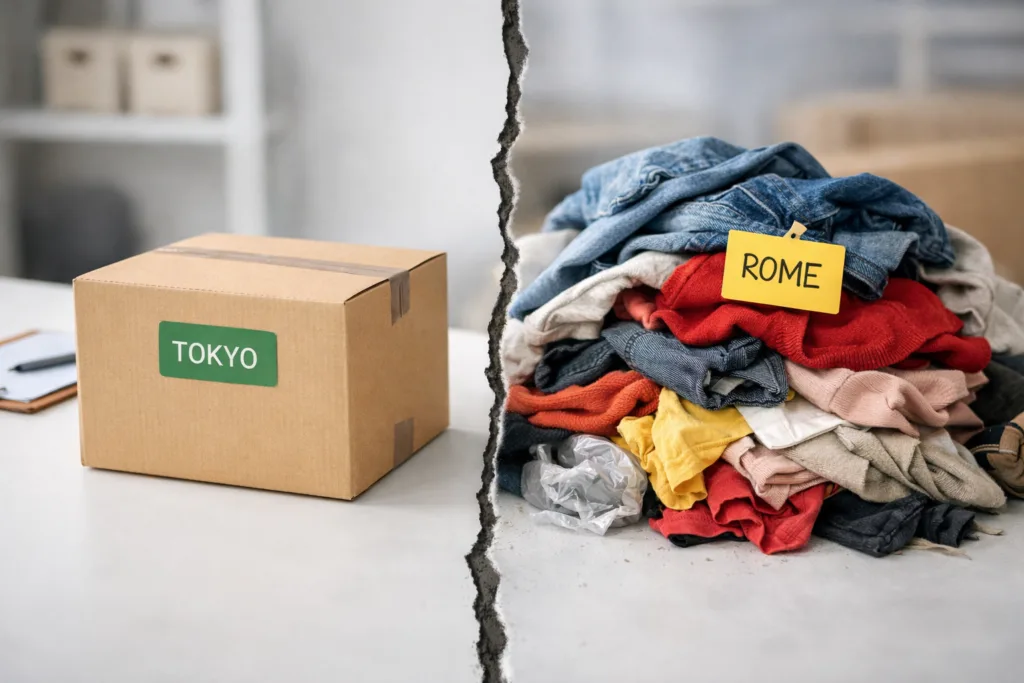
Stability in apparel manufacturing is worth far more than a few cents saved on quotes. From sampling to final delivery, the hidden costs of unstable clothing production can wash away any surface-level savings. Smart brands scrutinize systems, not just geographies, and invest in partnerships where reliability, clear communication, and robust planning keep launches and budgets on track. The real cost of an unstable apparel supply chain is paid in missed opportunities, stressed teams, and unpredictable bottom lines. Forward-thinking brands can’t afford to ignore what’s beneath the surface.
Frequently Asked Questions
What is the hidden cost of late apparel shipments?
Beyond delayed revenue, late shipments can cause air freight premiums, lost retailer trust, overtime fees, and even promotional rework—costs that quickly eclipse any initial savings.
How does unstable clothing manufacturing affect quality?
Instability usually means less effective QC and communication gaps, leading to more frequent defects, rework cycles, and higher return rates than stable setups.
Can a lower unit price hide greater overall costs?
Yes, often the cheapest per-piece price comes with bigger long-term expenses from delays, unpredictable sampling, bulk mistakes, or costly logistics fixes.
Should brands move production out of China for more stability?
Not always. Moving production can help, but true stability depends on the supplier’s systems, not just country. Evaluate vendors on stability, communication, and QC, not location alone.
How can brands spot apparel sourcing risk early?
Look for patterns: frequent sampling delays, inconsistent fit approval, unresponsive vendor updates, and a lack of documented processes all signal elevated sourcing risk.
What steps improve supply chain predictability?
Trial orders, upfront planning, clear documentation, robust QC checkpoints, and open communication between brand and factory all help make supply chains more predictable and lower risk.
Related Reading
- Behind the Scenes: How Chinese Clothing Manufacturers Actually Handle Rush Orders
- What Actually Makes an Apparel Supply Chain Stable?
- Should You Move Production Out of China? 7 Factors That Matter More Than Cost
- Bulk Teamwear Pitfalls: Common Problems and Practical Solutions for Brands
- The Truth About Repeat Orders: Why China’s Apparel Supply Chain Remains a Top Choice
