




Introduction
As sustainability becomes a priority in the textile industry, Tencel fabric is gaining popularity for its eco-friendly production process, luxurious softness, and durability. Made from wood pulp fibers, Tencel is a biodegradable and sustainable alternative to conventional fabrics like cotton and polyester.
But what makes Tencel fabric unique? It offers breathability, moisture-wicking properties, and a silky-smooth texture, making it an excellent choice for clothing, activewear, and home textiles.
In this guide, we’ll explore the benefits, types, and uses of Tencel fabric, as well as how it compares to other sustainable textiles.
What Is Tencel Fabric?
Tencel is a trademarked name for lyocell and modal fibers produced by the Austrian company Lenzing AG. These fibers are derived from sustainably sourced wood pulp, primarily from eucalyptus, beech, and spruce trees.
How Tencel Fabric Is Made
- Wood Pulp Extraction– Sustainably harvested trees are processed into wood chips.
- Cellulose Dissolution– Wood chips are broken down into a non-toxic organic solution.
- Fiber Formation– The solution is spun into fine, biodegradable fibers.
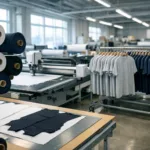
- Fabric Weaving & Processing– Tencel fibers are woven into soft, durable, and breathable textiles.
Tencel production uses a closed-loop system, meaning 99% of water and solvents are recycled, making it one of the most sustainable fabrics available.
Types of Tencel Fabric
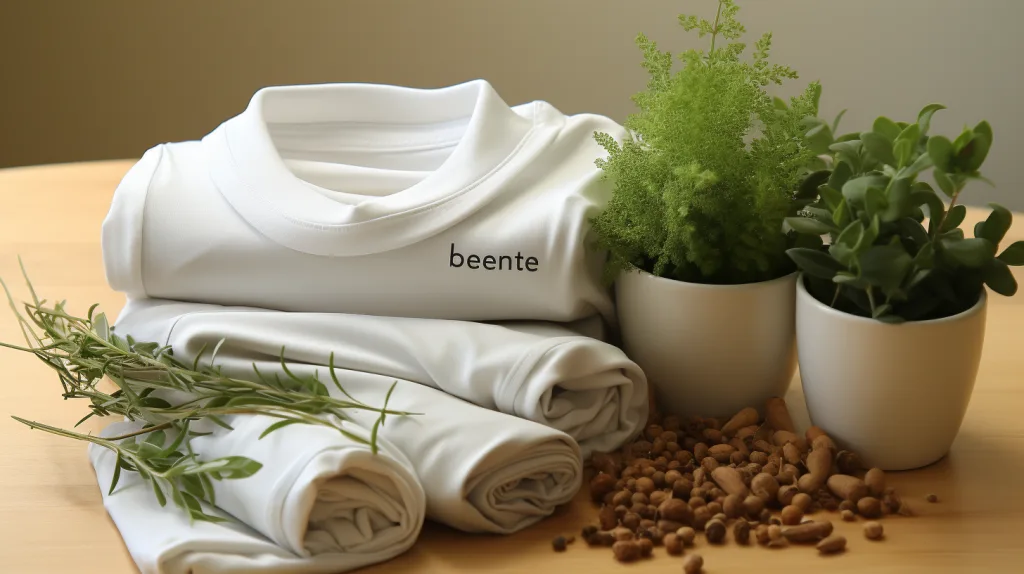
1. Tencel Lyocell
- Strong, moisture-wicking, and biodegradable.
- Used in activewear, dresses, and bedsheets.
2. Tencel Modal
- Softer and more flexible than Lyocell.
- Common in loungewear, underwear, and soft T-shirts.
3. Tencel Denim
- A sustainable alternative to traditional denim.
- Used in jeans, jackets, and casual wear.
4. Tencel Blends
- Often blended with cotton, wool, or elastanefor added durability.
- Found in stretch denim, formal wear, and mixed-texture clothing.
Why Choose Tencel Fabric?
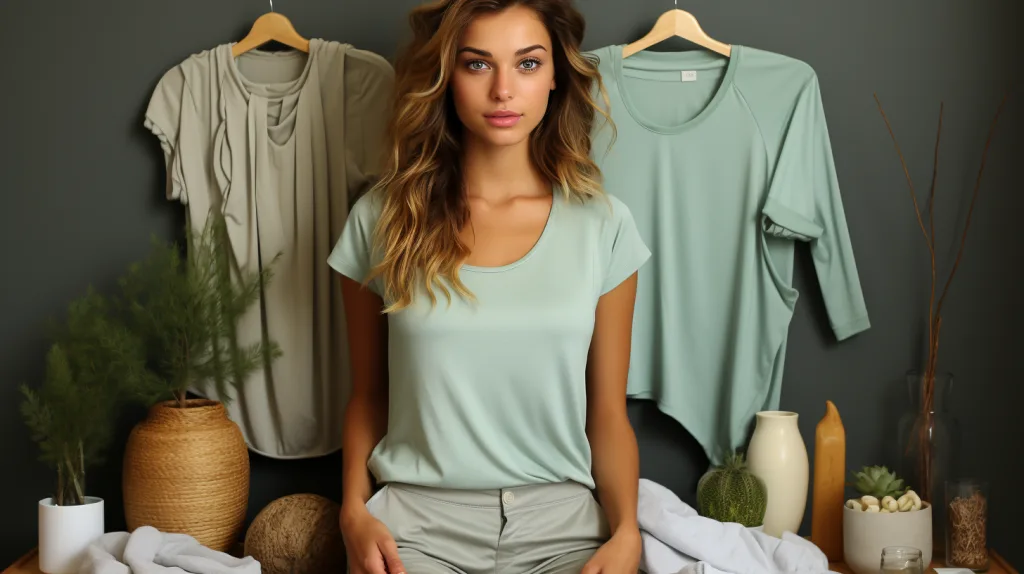
1. Eco-Friendly & Sustainable
✔ Derived from renewable wood sources.
✔ Uses less water and energy than cotton production.
✔ Biodegradable & compostable under natural conditions.
2. Soft & Comfortable
✔ Silky-smooth texture, perfect for sensitive skin.
✔ Feels luxurious yet lightweight.
3. Breathable & Moisture-Wicking
✔ Absorbs 50% more moisture than cotton.
✔ Keeps the skin cool and dry, making it ideal for activewear.
4. Durable & Long-Lasting
✔ Stronger than cotton and less prone to shrinkage.
✔ Resistant to wrinkles, fading, and pilling.
5. Hypoallergenic & Antibacterial
✔ Naturally resistant to bacteria growth.
✔ Ideal for allergy-prone individuals.
Common Uses of Tencel Fabric
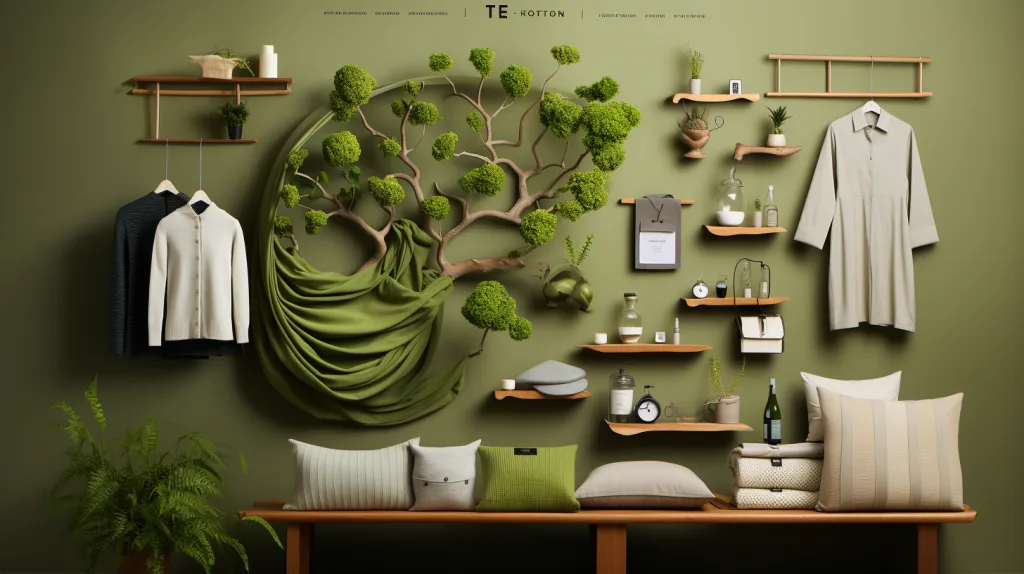
1. Fashion & Apparel
✔ T-shirts, dresses, and blouses for everyday wear.
✔ Leggings and yoga pants with breathability and stretch.
✔ Denim and casualwear with a sustainable twist.
2. Home Textiles
✔ Bedsheets and pillowcases – Soft, breathable, and long-lasting.
✔ Towels and bathrobes – Moisture-absorbent and quick-drying.
✔ Curtains and upholstery – Eco-friendly and stylish for home decor.
3. Sportswear & Activewear
✔ Moisture-wicking sports shirts and workout gear.
✔ Hiking and travel clothes that stay fresh longer.
4. Industrial & Specialty Applications
✔ Medical textiles – Antibacterial and skin-friendly fabric for hospitals.
✔ Eco-friendly uniforms for businesses and corporate wear.
Tencel Fabric vs. Other Sustainable Fabrics
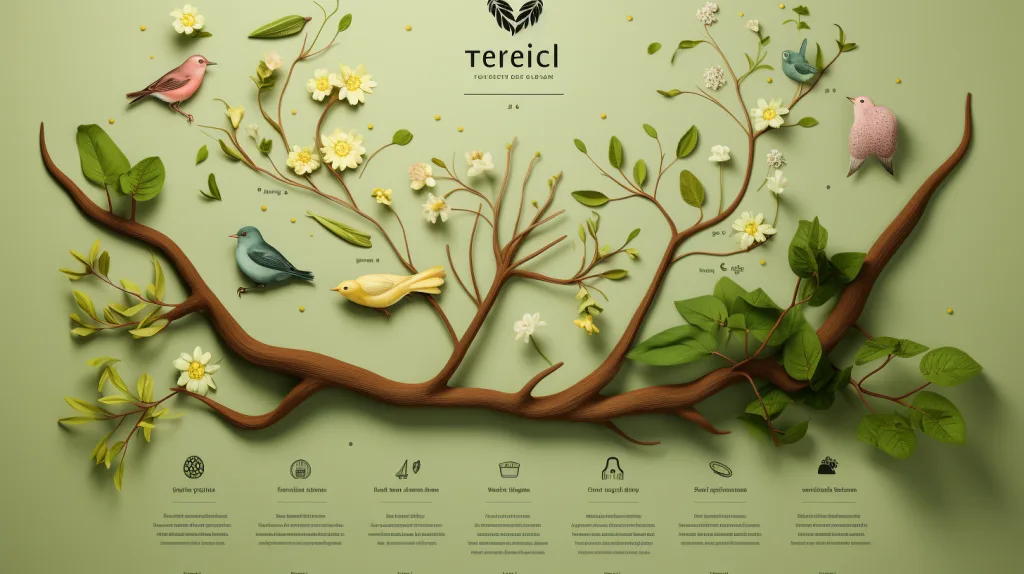
| Feature | Tencel Fabric | Organic Cotton | Bamboo Fabric | Recycled Polyester |
| Eco-Friendly | ✅ Yes | ✅ Yes | ✅ Yes | ♻ Partially |
| Softness | ⭐⭐⭐⭐⭐ | ⭐⭐⭐ | ⭐⭐⭐⭐ | ⭐⭐⭐ |
| Breathability | ⭐⭐⭐⭐⭐ | ⭐⭐⭐⭐ | ⭐⭐⭐⭐ | ⭐⭐⭐ |
| Moisture-Wicking | ⭐⭐⭐⭐⭐ | ⭐⭐⭐ | ⭐⭐⭐⭐ | ⭐⭐⭐⭐⭐ |
| Durability | ⭐⭐⭐⭐⭐ | ⭐⭐⭐⭐ | ⭐⭐⭐ | ⭐⭐⭐⭐⭐ |
| Wrinkle Resistance | ⭐⭐⭐⭐⭐ | ⭐⭐⭐ | ⭐⭐⭐ | ⭐⭐⭐⭐⭐ |
Tencel fabric stands out for its luxurious softness, breathability, and eco-conscious production.
How to Choose High-Quality Tencel Fabric
- Look for Lenzing Certification– Ensures authenticity and sustainable production.
- Check for Blends– Tencel blended with cotton or elastane improves durability.
- Consider the Fabric Weight– Lightweight Tencel is great for summer, while thicker weaves work for colder months.
Caring for Tencel Fabric
Washing Tips
✔ Machine wash in cold water on a gentle cycle.
✔ Use mild, eco-friendly detergent.
Drying & Ironing
✔ Air dry to maintain softness and shape.
✔ If needed, iron on a low setting.
Storage Tips
✔ Store in a cool, dry place to prevent damage.
✔ Avoid overcrowding to maintain the fabric’s breathability.
FAQs
Is Tencel fabric better than cotton?
Yes! Tencel is softer, more breathable, and more sustainable than conventional cotton.
Does Tencel shrink in the wash?
Tencel is less prone to shrinking than cotton but should be washed in cold water to prevent minor shrinkage.
Is Tencel fabric good for hot weather?
Absolutely! Tencel’s moisture-wicking properties keep you cool and dry.
Is Tencel fabric biodegradable?
Yes! Tencel is 100% biodegradable and breaks down naturally.
Can Tencel be used for activewear?
Yes! It’s lightweight, stretchy, and moisture-wicking, making it ideal for sportswear.
Conclusion
Tencel fabric is a game-changer in sustainable textiles, offering luxurious softness, moisture control, and eco-conscious production. Whether you’re looking for fashionable clothing, high-quality home textiles, or breathable activewear, Tencel is a top choice for comfort and sustainability.
Looking for High-Quality Tencel Fabric?
Ninghow offers customized wholesale services for brands, businesses, teams, and events. Our main products include POLO shirts, T-shirts, hoodies, and shorts made from Tencel and other sustainable fabrics. Contact us today to explore our eco-friendly textile options!
