





Best Polo Shirts for Work — Breathable, Anti-Odor, Wrinkle-Free Guide
Polo shirts have become the backbone of many work wardrobes. Teams demand apparel that looks sharp, resists wrinkles, breathes well, and stays fresh all day. In this guide, you’ll discover how to choose the best polo shirts for work—especially those designed for performance and comfort—even in fast-moving, demanding environments.
The Four Key Work Needs for Polo Shirts
Workplaces challenge clothing in ways that casual weekends never do. Choosing polos for work means balancing four major needs:
- Professional appearance: A crisp, tidy look from meeting to end of shift.
- Durability and wrinkle resistance: Garments must rebuff abrasion and repeated washing.
- Breathability and odor control: Teams work hard—shirts should stay cool and fresh.
- Consistent sizing and logo identity: Seamless fit and unified branding across teams.
Addressing these needs ensures your team looks united, feels comfortable, and represents your brand all day long.
XA-Grade Wrinkle & Abrasion Resistance: What Sets Elite Work Polos Apart
Not all polo shirts are built for demanding work environments. XA-grade polos, a benchmark adopted by quality apparel makers, offer top-level ant-wrinkle and abrasion resistance. These properties stem from both materials and finish:
- Fabric selection: Blends like recycled polyester (rPET) with combed cotton enhance toughness while keeping a soft handfeel.
- Yarn construction: Ring-spun fabrics with tightly twisted filaments minimize pilling and fraying.
- Technical finishes: Anti-wrinkle treatments (e.g., resin cross-linking) and abrasion resistance coatings protect against workplace wear and pressing.
Shirts passing XA-class standards hold their shape and crispness after dozens of washes. Ninghow, for instance, uses advanced auto-markers and precision cutting to control grainline and minimize garment skew—a crucial step for garments meant to keep their fit and alignment over time.
XA-Grade Polo Example: Lab Data Snapshot
| Property | Test Standard | XA-Grade Result | Typical Office Polo |
|---|---|---|---|
| Wrinkle Recovery Angle | AATCC 128 | >210° (Excellent) | 110–155° |
| Abrasion Cycles (Martindale) | ISO 12947-2 | 30,000+ | 5,000–10,000 |
| Pilling Resistance | ISO 12945-2 | Grade 4–5 | Grade 3 |
Choosing Breathable, Anti-Odor, and Fit-Friendly Work Polos
Comfort and confidence start with the right fabric and construction. Top-performing work polos often blend cotton with technical fibers for standout breathability, moisture management, and anti-odor benefits:
- Moisture-wicking polyester/cotton blends: Rapid sweat transport and fast drying keep skin cool.
- Antimicrobial/anti-odor finishes: Silver ion or zinc-based agents inhibit the growth of smelly bacteria. Many meet OEKO-TEX STANDARD 100 for skin safety.
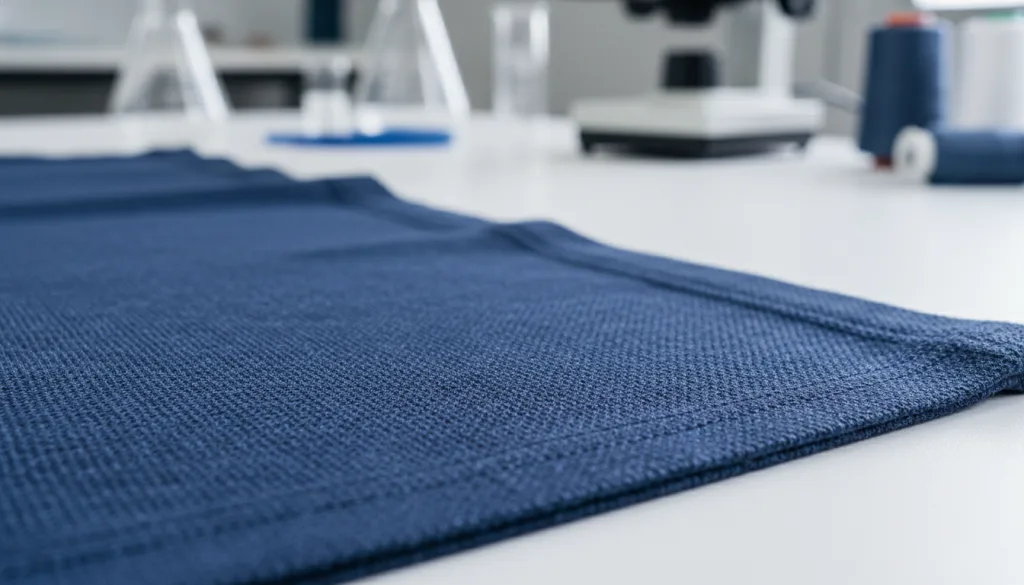
- Engineered knits: Pique and interlock knit structures create micro-pores for airflow without risking transparency.
Choose modern athletic fits or roomier, traditional cuts depending on your team’s needs. Ask suppliers for graded size sets for trial fits, and always confirm patterns allow for shoulder, chest, and length consistency. Ninghow, for example, provides precise SMV-based tolerances and lab dips, ensuring consistent color and fit batch after batch.
Recommended GSM and Construction for Work Polo Shirts
GSM, or grams per square meter, measures fabric weight and correlates to coverage and durability. For most work polos:
- 165–200 gsm pique—Balances lightweight breathability and robust durability.
- 190–220 gsm single jersey—Smooth handfeel, good for promotional or lighter uniforms.
- 210–240 gsm interlock—Dense and smooth, offers strong shape retention.
Look for collars using high-density rib (double-needle coverstitched); this enhances resilience and reduces curling. Bartacks at stress points, like side vents, extend garment life. Always request wash and colorfastness testing per ISO or AATCC standards (such as AATCC 61/8 for bleach/fade resistance).
Fabric, Finish & Use Comparison Table
| Fabric Type | GSM Range | Key Finish | Best Use Scenario |
|---|---|---|---|
| Pique (Cotton/Poly Blend) | 165–220 gsm | Moisture-wicking, Anti-odor, Wrinkle-free |
Corporate uniforms, Retail, Tech support |
| Interlock (Poly/Modal) | 210–240 gsm | Anti-pilling, Shape retention |
Healthcare, Security, Events |
| Recycled Poly/Spandex | 180–210 gsm | Quick dry, 4-way stretch |
Outdoor teams, Hospitality |
| Organic Cotton | 180–200 gsm | Soft touch, Sustainably crafted |
Executive, Premium retail |
Expert Guidance: Selecting Logos & Bulk Ordering for Consistent Branding
Brand consistency matters. Work polo shirts should not just fit but also project a reliable logo and uniform look, even across large orders. Here’s how top polo shirt manufacturers ensure seamless large-scale deployment:
- Use official tech packs: These detail logo placement, sizing, Pantone shades, and embroidery/print specs.
- Run sample-PP-TOP approval workflow: A process from initial sample, to pre-production, to top-of-production, verifying color and logo alignment.
- Keep logo finishes consistent: Embroidery is durable and suits most work polos, but heat transfer may suit events or low-MOQ runs.
- Request batch color controls: Lab dips, strike-offs, and random AQL checks ensure every delivery matches corporate branding; ask for barcoded cartons and hangtags for easy distribution.
- Consider bulk packs by size ratio for efficient stock management.
Suppliers like Ninghow back bulk orders with rigorous inline/endline quality checks, BSCI/SEDEX compliance, and reliable lead time management. The result: sharp, on-brand polos delivered on schedule—every time.

Polo Shirts for Work Men: Key Sizing and Styling Tips
When outfitting men for work in polos, cut and comfort drive satisfaction. Here’s what to weigh:
- Shoulder and chest allowance: EA/US grades run fuller; Euro grades trend slimmer (specify in your tech pack).
- Tail length: Coverage matters when reaching or bending—request 2–3 cm longer tail than standard retail cuts.
- Collar and placket: Double-layer rib collars hold shape; 2–3 button plackets balance formality and ventilation options.
- Side vents with bartacks: Enable easy movement while preventing seam tears.
Ask for graded size runs during sampling to check for comfort across typical team body shapes. Where possible, request patterns that minimize twisting or puckering for a tidy, professional look.
Testing, Compliance, and Sustainability in Work Polo Manufacturing
Quality, safety, and environmental care are the hallmarks of modern work apparel. Here’s what to seek in your supply partner:
- Colorfastness certified to ISO 105-C06/X12 or AATCC 61/8 standards.
- Dimensional stability using AATCC 135/150 testing (less than 5% shrinkage on wash).
- Pilling and seam strength by ISO or ASTM benchmarks (ISO 12945, ASTM D1683).
- Sustainable fabrics—organic/GOTS cotton and rPET blends reduce impact.
- Safety compliance: OEKO-TEX STANDARD 100 ensures safe materials and accessories.
Responsible manufacturers like Ninghow embed lab-driven controls and use recycled or responsibly sourced materials where possible, supporting both employer and environmental goals.
Care, Packaging, and Delivery: Keeping Polo Orders Sharp
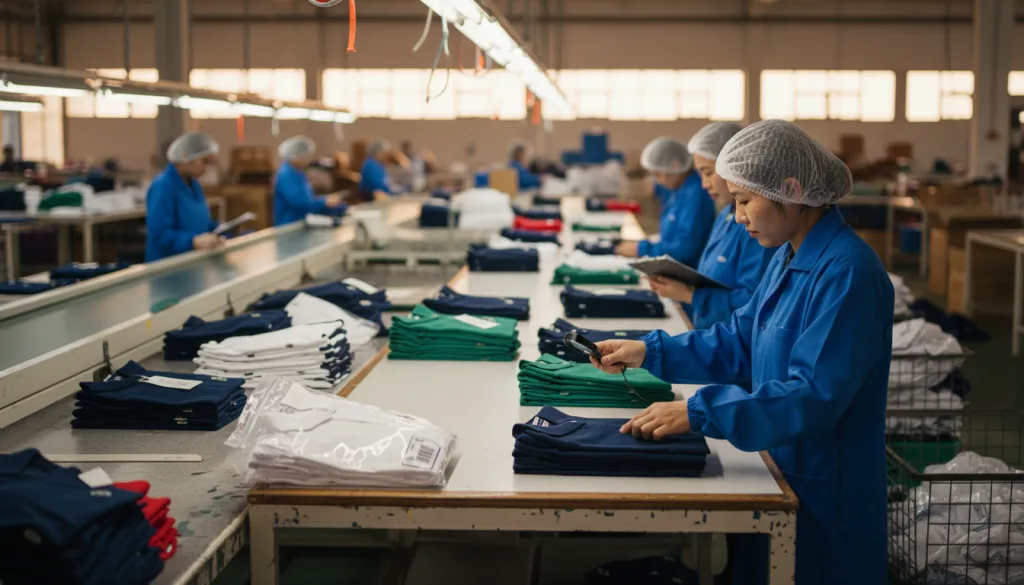
Well-made polos deserve top-notch finishing and shipping. Key tips:
- Request folding with collar inserts to keep shirts crisp in transit and display.
- Polybag specs should fit shirt dimensions; cartons must have clear size/ratio marks.
- Hangtags, woven/care labels, and barcodes (UPC/EAN) improve handling and inventory control.
- Insist on pre-shipment inspection (AQL, ANSI/ASQ Z1.4) to catch defects early.
- Logistics: Confirm Incoterms (FOB, CIF, DDP) for cost and lead time transparency.
This attention to packing and delivery details ensures your team’s next order arrives ready to wear and easy to deploy.
Frequently Asked Questions
What fabric makes the best polo shirts for work?
Pique and interlock blends—especially cotton with recycled polyester—offer breathability, durability, and anti-wrinkle benefits ideal for workplace polos.
How do anti-odor finishes work in work polos?
Anti-odor finishes use agents like silver or zinc to control bacteria growth, preventing smells and keeping shirts fresh during long shifts or physical work.
What GSM should I choose for durable work polos?
For most work settings, select 165–220 gsm fabrics; heavier weights boost durability and prevent show-through while keeping comfort high.
How can I ensure logo color and sizing stay consistent on bulk polo orders?
Provide a tech pack with exact logo specs and colors, and approve strike-offs and PP samples to control consistency from sample through bulk delivery.
Are sustainable polos suitable for business workwear?
Yes, organic cotton and recycled polyester polos now match traditional options in performance and comfort while reducing environmental impact.
What testing standards should quality polo shirts meet?
Look for ISO or AATCC test results for colorfastness, shrinkage, pilling, and seam strength; OEKO-TEX certification ensures safe materials.