







Introduction: Why Fabric Matters in Your T-Shirt
When it comes to t-shirts, the fabric isn’t just about comfort—it’s about durability, print quality, and how your tee performs day-to-day. In this guide, Types of T-Shirt Fabric Explained, we’ll dive into the key fabric options: cotton, slub, jersey, and more. Whether you’re a brand owner, designer, or just want a shirt that feels great, knowing what sets these fabrics apart is essential. We’ll break down the details simply, clearly, and with practical industry insights. Let’s explore how fabric impacts everything from fit to care, helping you make smarter choices for your next t-shirt.
Cotton T-Shirt Fabric: The Universal Standard
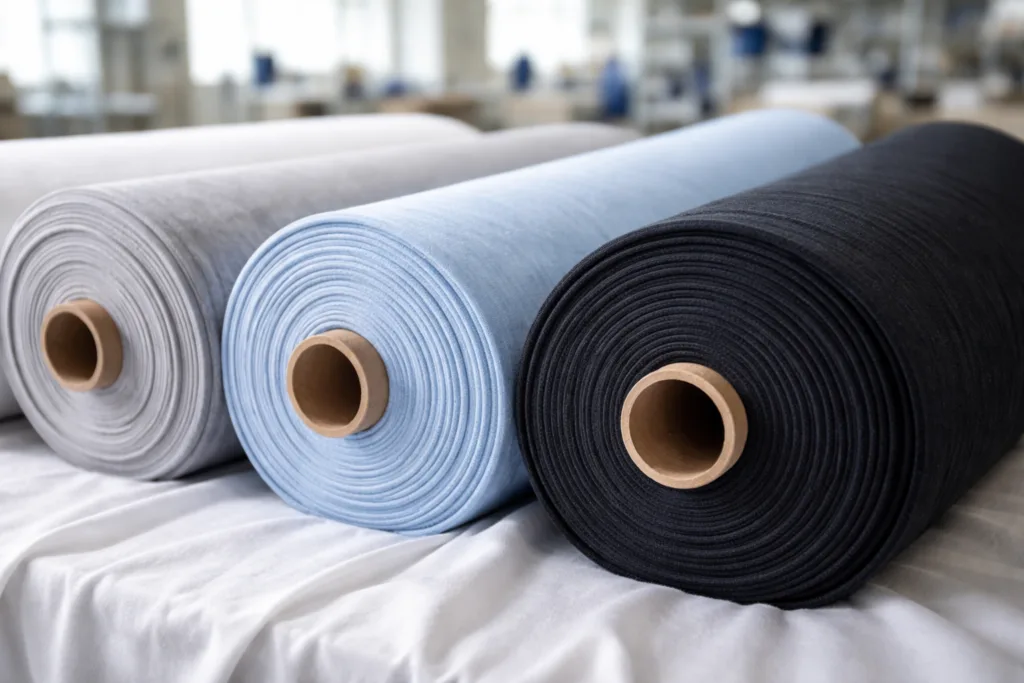
Cotton is the classic choice for t-shirts—soft, breathable, and suitable for almost any application. Its popularity stems from ease of care, high printability, and a balanced handfeel. Most pure cotton tees use combed or ringspun yarn for extra smoothness, while lower-end shirts may use carded cotton.
| Type | Feel | Durability | Breathability |
|---|---|---|---|
| Combed Cotton | Very smooth | High | Excellent |
| Ringspun Cotton | Soft | Medium-High | Good |
| Carded Cotton | Coarse | Fair | Good |
As fabric experts, Ninghow notes that cotton is always in-demand for OEM/private label production, but getting the right yarn and weight (GSM) is critical for fit and print quality. If you need info on customization, check the guide Your End-to-End Private Label Clothing Checklist for detailed branding and fabric selection tips.
Slub T-Shirt Fabric: Texture and Visual Interest
Slub fabric gives t-shirts a unique, textured look. The yarn is spun with slight irregularities, creating subtle thick-and-thin streaks—perfect for brands seeking a vintage, handcrafted feel. Common slub blends include 100% cotton and cotton-poly, both balancing comfort and distinct style.
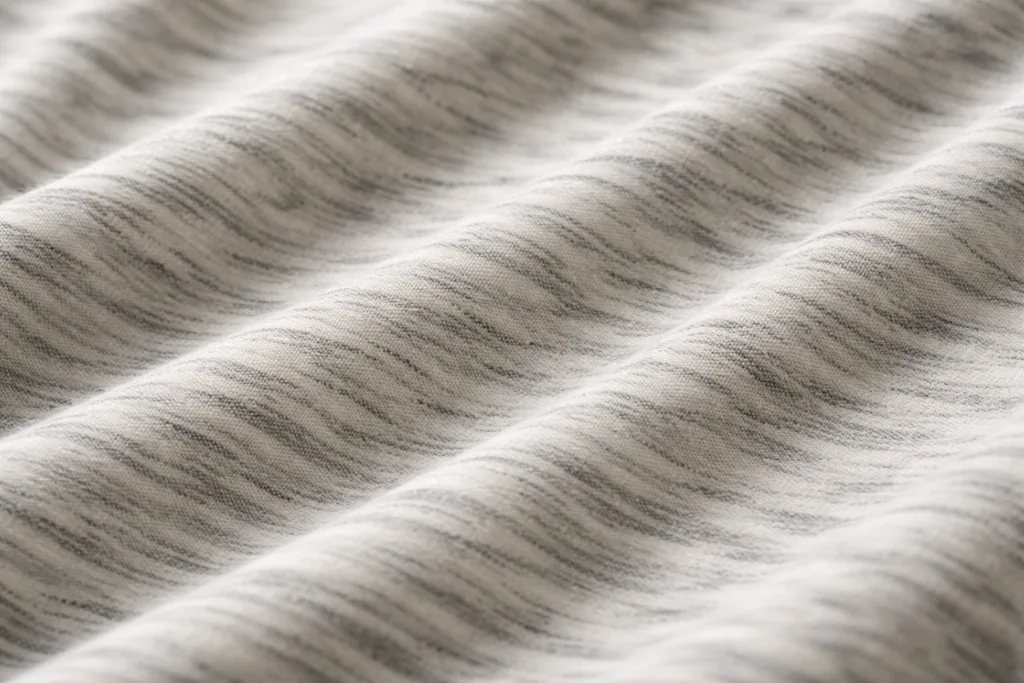
Manufacturers often choose slub for “washed” or “distressed” tees. Slub’s unpredictability can make consistency tricky, so Ninghow recommends careful sampling and inspection. Explore the manufacturing QC process in The Ultimate QC Reporting Template to understand how to set standards for slub production.
Jersey T-Shirt Fabric: Lightweight Versatility
Jersey (single or double knit) is synonymous with t-shirt comfort—lightweight, stretchy, and easy to print. Single jersey fabrics dominate entry-level tee production, while heavier jerseys work for premium lines or sportswear. Jersey’s even surface ensures bright prints and consistent colors, but it’s also prone to shrinkage if not well-finished.
Double jersey is thicker and less stretchy, ideal for structured tees and polos. If shrinkage and colorfastness are concerns, review The 2026 Guide to Shrinkage & Colorfastness Tests Apparel Buyers Need for practical testing steps.
Comparing Popular T-Shirt Fabrics
| Fabric Type | Strength | Weakness | Common Use |
|---|---|---|---|
| Cotton | Soft, breathable | May wrinkle | Everyday tees |
| Slub | Unique texture | Variable finish | Vintage styles |
| Jersey | Smooth, flexible | Prone to shrink | Casual wear |
| Polyester | Durable, dries fast | Less breathable | Performance |
| Cotton-Poly Blend | Balanced traits | Sometimes pills | Brand basics |
| Bamboo | Sustainable, soft | Higher cost | Eco lines |
Cotton vs. Slub vs. Jersey: Which Is Right for You?
Choosing between cotton, slub, and jersey depends on your priorities for look, feel, durability, and pricing. Cotton offers reliability and breathability, slub delivers a unique aesthetic, and jersey ensures comfort and versatility.
- Cotton: Best for high-volume basics or premium branding.
- Slub: Ideal for eye-catching, boutique tee lines.
- Jersey: Suits mainstream and custom-printed tees for all ages.
Fabric Weight: GSM and Its Influence on T-Shirt Performance
