



Introduction: Why Sustainable Clothing Manufacturing Matters
Sustainability in fashion isn’t a trend—it’s a necessity. As consumer awareness grows, brands and their OEM partners face increasing pressure to reduce environmental impact and adopt eco-friendly practices. This comprehensive Sustainable Clothing Manufacturing Guide is built for OEM brands, private label buyers, and production managers who seek honest, actionable, and factory-level insight into sustainable apparel manufacturing. From fabric sourcing and design to quality control and compliance, discover what you need to know to make your next collection responsible—and resilient.
Understanding Sustainable Clothing Manufacturing: Foundations and Frameworks

Sustainable clothing manufacturing goes beyond using recycled materials. It requires a holistic approach: responsible sourcing, ethical labor, waste minimization, and clear supply chain transparency. OEM apparel manufacturing adds another layer of challenge—balancing client demands with environmentally sound systems, all while maintaining product quality and lead times.
The Key Pillars of Sustainability in OEM Clothing Production
To build a truly sustainable OEM clothing line, focus on these pillars:
- Fiber and Fabric Selection: Choosing organic, recycled, or certified materials reduces raw material impact. (See our sustainable fabrics guide for options.)
- Eco-Friendly Manufacturing Processes: Minimize water, chemical, and energy use within the factory setting.
- Worker Welfare and Social Compliance: Uphold fair wages, safe working environments, and legal compliance across all tiers.
- Traceability and Certification: Verify sustainability claims through third-party certifications like GOTS, OEKO-TEX, and GRS.
Material Selection: Impact Starts at the Fiber Level
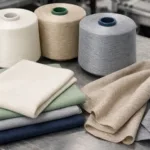
Material choice is the foundation for both sustainability and product performance. Brands opting for organic cotton, bamboo, Sorona, recycled polyester, or Tencel can dramatically cut down on water, chemical, and carbon footprints. Each fabric, however, comes with unique environmental and sourcing considerations.
- Organic cotton: Lower pesticide use, but requires careful certification (GOTS recommended).
- Bamboo: Rapidly renewable but processing may impact sustainability (learn more in our deep-dive on bamboo fabric sustainability).
- Recycled PET: Good for reducing waste, but watch for microplastics.
- Bio-based options: Sorona and Tencel offer renewable feedstocks and soft handfeel (Sorona advantages explained).
Design for Sustainability: Building Longevity and Circularity
Smart design choices affect a garment’s lifecycle far beyond the sewing line. Prioritize:
- Modular design: Easy disassembly for repair or recycling
- Minimal trims: Reduces multi-material waste complications
- Classic silhouettes: Boosts wardrobe longevity and discourages fast churn
Certifications and Third-Party Standards: Building Trust
Transparency is non-negotiable. In OEM production, consistent documentation from mill to finished garment is crucial. Key certifications to look for include:
- GOTS (Global Organic Textile Standard): Full supply chain verification for organic fibers
- GRS (Global Recycled Standard): Ensures genuine recycled content
- OEKO-TEX 100: Verifies harmful substance-free textiles
Read our comparison guide for practical certification differences.
Sourcing Sustainable Fabrics: Tips for OEM Brands
OEM factories like Ninghow know that the real challenge is reliable, ongoing source relationships. Success means:
- Working with mills who provide digital traceability documentation
- Verifying lot-by-lot certification, not just sample yardage
- Running lab tests for colorfastness and eco-compliance (dye/finishing chemicals)
Reducing Resource Consumption in the Factory Setting
Leading sustainable OEMs monitor and optimize resource use at every stage. Practical strategies include:
- Investing in energy-efficient machinery
- Implementing water recycling and closed-loop dye systems
- Reducing batch sizes for dye/finishing to minimize chemical runoff
- Reusing offcut fabrics for sample runs or secondary products
Waste Management: Going Beyond the Basics
There’s more to waste reduction than recycling. Progressive factories:
- Adopt digital pattern making to reduce fabric waste (see how Ninghow’s pattern workflow slashes rework rates)
- Design for zero-waste marking, especially in T-shirts and jersey items
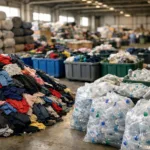
- Set up in-house fabric recycling or resale for scraps
Ethical Labor and Social Compliance: Non-Negotiable Standards
Sustainability isn’t possible without taking care of people. That’s why OEM sustainable clothing manufacturers must guarantee fair wages, safe working conditions, and social certifications (like BSCI or SA8000). Brands should:
- Request regular third-party factory audits
- Communicate clearly about wage and welfare benchmarks
- Include social compliance in all tech pack and PO negotiations
Packaging with a Lower Footprint
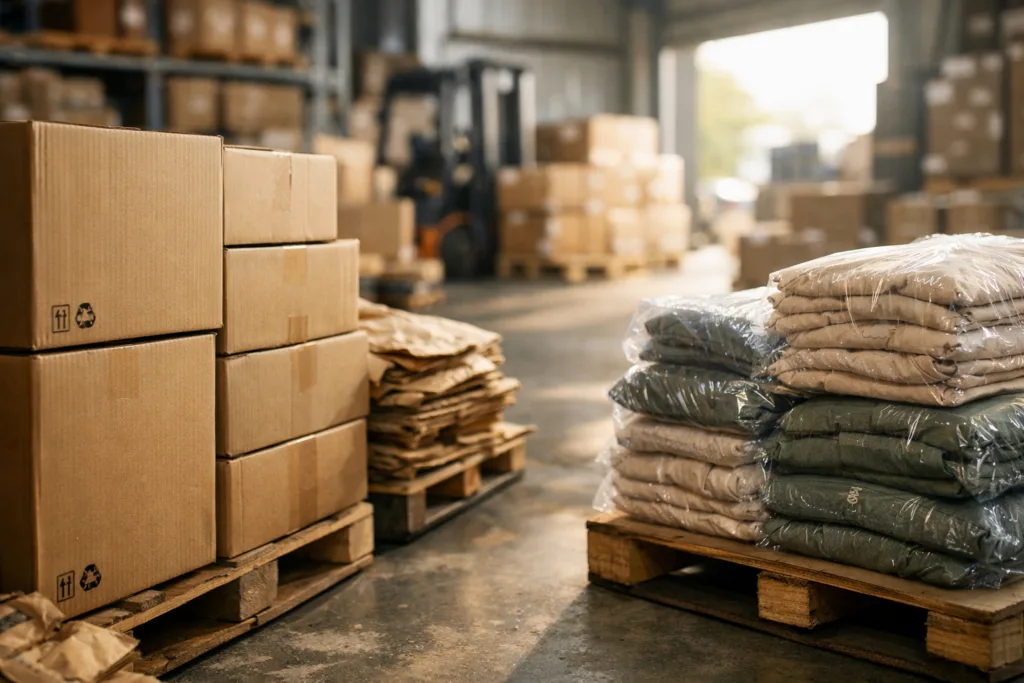
Smart sustainable brands and their OEM partners rethink packaging—shifting to recycled polybags, cardboard alternatives, and limiting single-use plastics. Compliant packaging also avoids harmful materials banned in destination markets (see our packaging requirement guide for regulations).
Sampling: How to Cut Waste While Ensuring Fit and Quality
In sustainable OEM manufacturing, the traditional sample-send-approve-repeat loop can be wasteful. Adopting digital fit approval, virtual prototyping, and clear sample workflow documentation helps minimize wasted time and textile. As Ninghow’s experience shows, detailed measurement specs and early materials sign-offs prevent costly, wasteful sample revisions (garment measurement essentials).
Production Planning: Matching Sustainability with Lead Time and MOQ Reality
Low-impact manufacturing must be realistic. Brands should:
- Align product drop dates with material availability and certification paperwork
- Plan for longer lead times with organic/seasonal fibers
- Negotiate reasonable MOQs to avoid overproduction (see our low MOQ guide)
Quality Control and Traceability in Eco Apparel
Sustainable clothing must still pass strict QC. Set up checkpoints for:
- Fabric content verification through onsite and lab testing
- Cert review at every production stage
- Full documentation on dye/print chemistry, especially for children’s products and athleisure
Transparency: Documenting Every Process Step
OEM factories and brands both benefit from robust documentation. From initial fiber certs to finished garment barcoding, transparency makes sustainability credible. That includes:
- Full batch records from mill to shop floor
- Shared access to digital PO checklists
- Easy “audit trail” for buyers, including photos and trace documentation
The Sustainable Clothing Manufacturing Guide: Your Step-by-Step Workflow
Tech Pack Accuracy: No Surprises
Get every detail right before production. Ensure your tech packs state sustainability objectives, fabric requirements, and certs needed for every component.

Fabric Sourcing: Vet and Validate
Confirm that every mill provides up-to-date certs and will support ongoing orders, not just samples.
Pre-Production Sampling: Minimize, Don’t Eliminate
Use digital tools for early-stage iteration, but always request a production sample with the final fabric and trims for complete QC.
Bulk Manufacturing: Maintain Strict Process Control
Monitor every batch for shade, shrinkage, cert, and waste statistics.
Packing and Shipping: Document and Disclose
Include all testing, certification, and batch tracking information with each shipment. Prioritize recycled or recyclable materials for outer and inner packing.
Critical Dos and Don’ts for Sustainable OEM Apparel Production
- Do audit everything, even certified suppliers
- Do communicate openly about limitations—some fibers are not always available at low MOQs
- Don’t greenwash; always back up claims with process evidence
- Don’t assume “biodegradable” is always best—consider lifecycle and end-of-life disposal
Navigating Supply Chain Risks in Sustainable Apparel Manufacturing
Raw material shortages, delayed certs, and cost volatility are real risks. Experienced OEM factories diversify sources, maintain local buffer stocks, and recommend alternatives to avoid production delays. Communicate early when material options change—transparency builds buyer confidence in the process.
Maximizing Durability: The Overlooked Side of Sustainability
High-quality stitching, durable seams, and rigorous wear testing ensure garments last for years—a core tenet of sustainability that can’t be sacrificed for low-impact materials alone. For example, Ninghow’s approach ensures QC teams check both fit and stitch strength before every shipment, reducing faulty returns and excess landfill waste.
Shipping and Logistics: Reducing Carbon Footprint End-to-End
It’s not only what is made, but how it moves. Choose sea freight over air for large orders and collaborate on consolidated shipments to minimize transit emissions. Reusable packing also makes a difference in large OEM contracts.
Beyond Product: How Sustainable OEMs Support Brand Value
Commitment to verified, transparent processes adds real value to end consumers. When brands and factories work together, they make sustainability tangible through supply chain audits, consumer-facing labeling, and proactive education—not just marketing slogans.
Case Study: OEM Practice in Sustainable Clothing Manufacturers
A leading OEM partnered with a European brand to shift an entire knit line to organic and recycled materials. By investing in dyehouse water treatment, digital sampling, and cert tracking, they reduced water use by 40% and waste by 27%, while still meeting EU traceability and fit targets. The lesson: True supply chain improvements require stepwise change but deliver measurable results.
Sustainable Clothing Manufacturing Guide
Creating garments sustainably, especially through OEM channels, demands openness, planning, and a willingness to overcome real-world constraints. Follow the step-by-step approach outlined in this Sustainable Clothing Manufacturing Guide, and you’ll build products that respect both the environment and your customer’s expectations.
Conclusion: The New Standard for Apparel OEMs
Sustainable clothing manufacturing is now the baseline, not an add-on, for responsible fashion brands and their OEM partners. By emphasizing transparent sourcing, precise QC, rigorous documentation, and a collaborative workflow, you build not just products—but brand loyalty for the long haul. The good news? Every step toward a cleaner, safer process makes a difference you can measure. Start with one project, keep records, and scale your wins across your range.
Frequently Asked Questions
Why is certification important for sustainable clothing manufacturers?
Certifications provide proof your fabrics and processes meet environmental and ethical standards, building trust with buyers and end users.
What are the best sustainable fabrics for OEM clothing?
Common options include organic cotton, recycled polyester, Tencel, and bamboo, but sourcing and lifecycle analysis are critical to determine true impact.
How can factories verify eco-friendly claims?
Third-party certifications (like GOTS, GRS), lab testing, and complete documentation at every manufacturing stage offer reliable verification.
Is low MOQ clothing manufacturing compatible with sustainability?
Yes, but requires upfront planning, supplier collaboration, and may limit some fiber choices for traceable, certified lots.
What are key ways to reduce waste in apparel manufacturing?
Digital pattern making, efficient cutting, using fabric scraps, and optimizing sampling processes all help minimize overall waste.
Does sustainable apparel production cost more?
Initial costs may be higher for certs or materials, but waste reduction, efficiency, and fewer returns can balance or even lower total spend over time.
Related Reading
- Proven Strategies for Verifying Sustainability Claims Without Greenwashing
- How Cutting Sample Approval Time Saves Time, Money, and Material
- Certifications 101: The Real Difference Between OEKO-TEX, GRS, and GOTS
- Step-by-Step: Choosing a Smart Clothing Manufacturer for Your Brand
- Apparel Packaging Compliance Made Simple: Your 2026 Checklist for Export Success
