






The Rise of Sustainable Business Polos
Today’s businesses recognize the power of a smart uniform. Polos remain a staple across offices, retail floors, golf courses, and promotional events. As sustainability becomes a core value, more brands want business polos that not only look sharp but also respect the planet. This shift fuels demand for sustainable polos, which combine thoughtful materials, ethical manufacturing, and lasting quality. From the boardroom to company outings, eco-friendly work polos set a standard for responsible branding and employee well-being.
The Eco-Friendly Movement in Corporate Uniforms

Companies worldwide face growing calls to act responsibly. Consumers, partners, and employees expect brands to prioritize environmental and social impact. As a result, sustainable business polos have become a symbol of modern values. They signal care for both people and the planet, enhancing trust and reputation. Uniforms, once overlooked, now shape brand perception. Sustainable options show that details matter—right down to what a team wears.
Why Uniforms Matter in Brand Identity
Uniforms do more than unify appearance; they speak for the company. The choice of fabric, color, and finish can influence how staff feel and how clients respond. Sustainable polos crafted from organic cotton, recycled polyester, or blended eco yarns offer comfort, breathability, and a story worth sharing.
Sustainability as a Business Advantage
Adopting eco-friendly work polos creates real benefits. It can attract like-minded clients, boost team morale, and help meet Environmental, Social, and Governance (ESG) targets. Companies like Ninghow are setting industry benchmarks by focusing on responsible sourcing, precise manufacturing, and traceable quality control.
Sustainable Business Polos: The Eco-Friendly Choice for Modern Brands
Modern brands want business polos that make a statement. With sustainable polos, every detail—from the yarn to the final stitch—embodies a commitment to the environment and garment longevity. Eco-friendly business polos use renewable, recycled, and responsibly grown materials, paired with ethical manufacturing and verified sustainability claims.
Eco-Conscious Materials for Sustainable Polos
Material selection defines a polo’s sustainability and performance. Key base fabrics include:
- Organic Cotton: Certified organic cotton uses no harmful pesticides or synthetic fertilizers. Grown under strict standards, it results in soft, breathable polos without the traditional environmental burden.
- Recycled Polyester (rPET): Sourced from post-consumer bottles, rPET fabric reduces plastic waste and energy needed for production. It offers resilience, a technical handfeel, and reliable colorfastness.
- Lenzing Modal/Viscose: Made from responsibly sourced wood pulp, these cellulosic fibers feel silky and wick moisture efficiently.
- Eco Blends: Combining organic cotton with rPET or elastane delivers stretch, durability, and structure, ideal for work polos requiring a polished look with flexible wear.
Polo Shirt Knits and Weight for Corporate Use
A polo’s structure and handfeel come from its knit and weight:
- Pique: The classic choice for polos. It features a subtle texture and breathability. GSM usually ranges from 180–240.
- Single Jersey: Smooth and soft, often used for fitted styles. GSM typically 160–200.
- Interlock: Dense and durable, ideal for heavier corporate polos. GSM from 220–260.
Ethical Certifications and Transparency
Modern buyers want proof, not promises. Look for:
- GOTS (Global Organic Textile Standard) for organic cotton polos.
- GRS (Global Recycled Standard) and RCS (Recycled Claim Standard) for recycled fibers.
- OEKO-TEX STANDARD 100 for chemical safety.
- BSCI, WRAP, or SEDEX audits for ethical workplace practices.
Polos from trusted manufacturers like Ninghow carry these marks on their care labels. Regular audits and batch control assure buyers of ethical sourcing at every step—from the farm to the finished garment.
Material Comparison: What Makes a Polo Sustainable?
Sustainability depends on fiber source, processing, and end-use. Here’s a quick comparison to guide corporate buyers:
| Material | Main Features | Best Use Scenarios | Sustainability |
|---|---|---|---|
| Organic Cotton | Soft, breathable, hypoallergenic | Corporate offices, wellness/health brands | High (GOTS certified, low water/chemicals) |
| rPET (Recycled Polyester) | Durable, moisture-wicking, color-stable | Sports, outdoor, active staff uniforms | High (GRS certified, recycled content) |
| Modal/Viscose | Silky, light, drapey, moisture-wicking | Client-facing, environmental initiatives | Moderate to High (FSC sources, compostable) |
| Eco Blends | Flexible, long-wear, easy-care | Trade shows, corporate events, daily office wear | High (blended eco certifications) |
Manufacturing: How Sustainability Shapes Polo Production
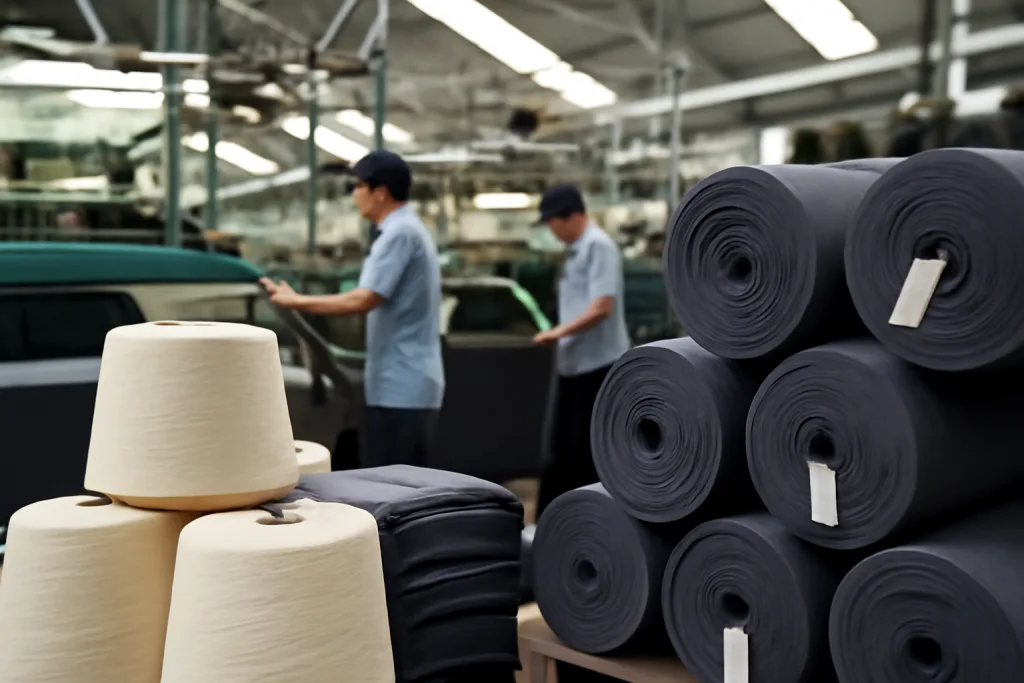
Sustainability isn’t just about material—it’s about process. Responsible manufacturing touches every stage, from fabric selection to logistics. At Ninghow, production starts with lab dips and strike-offs to ensure approved colors using OEKO-TEX-compliant dyes. Tech packs detail each specification, from button selection to collar construction. Automated markers and both hand and machine cutting methods maximize fabric yield and minimize waste. In sewing, experienced teams manage stitch types (using ISO 301/401/504/602), seam finishes, and rib-knit attachment for lasting structure.
Quality Control and Traceability
Every sustainable polo undergoes inline and end-of-line checks. Inspection teams measure seams, control color shade, check for puckering, and confirm fit tolerances. Certificates like AQL (ANSI/ASQ Z1.4) ensure compliance. For export, proper folding, eco-safe packaging, and traceable carton labels finish the story—proving that sustainability is built in, not added on.
Finishes, Decoration, and the Sustainability Edge
Eco-friendly work polos combine functional finishes with responsible decoration. Moisture-wicking, antimicrobial, and UV-protective treatments can meet OEKO-TEX or bluesign standards for safety. For decoration, water-based or discharge screen printing delivers crisp logos without harsh chemicals. Digital printing (DTG/DTF) works on organic cotton, offering low-MOQ and flexible designs. Embroidery, especially with recycled or organic yarns, provides color, texture, and durability with minimal waste. The end goal is a branded garment that meets both corporate identity and sustainability standards—no trade-off required.
Decoration Methods and Impact
- Screen Printing (Water-Based): Good for large runs, soft handfeel, lower VOC emissions.
- Direct to Garment (DTG): Versatile, small run-friendly, works best on organic fibers.
- Embroidery: Lasting, premium look, recyclable yarns enhance eco impact.
Color, Fit, and Consistency: Why Manufacturing Details Matter
Businesses expect color accuracy and size consistency across batches. Polos for corporate programs use bulk color approval, Pantone shade bands, and careful batch control. Patterns, grade rules, and auto-cutting tools minimize tolerance variation, ensuring each shirt fits well—no surprises. Reliably consistent fit and finish reflect a brand’s standards at every touchpoint.
Testing and Compliance for Peace of Mind
Responsible manufacturers run colorfastness (AATCC 61/8), pilling (ISO 12945), and durability (ASTM D1683) tests. Certifications like GOTS or OEKO-TEX assure clients that polos won’t fade, pill, or shrink easily. Labels follow ISO 3758 care symbol standards, and packaging meets export requirements, including barcoding and carton identification for smooth delivery.
Applications: Where Sustainable Polos Shine
Sustainable polos find use across many fields:
- Hospitality: Polished teamwear with comfort for long shifts.
- Corporate Programs: Uniforms for staff, conferences, and client gifts.
- Sports & Recreation: Moisture-wicking, stain-resistant options for golf, tennis, and beyond.
- Promotional Events: Eye-catching, eco-friendly giveaways or merchandise.
Brands using Ninghow’s OEM/ODM solutions can customize their approach—selecting fits, weights, finishes, and decoration to reflect their unique style and commitment to sustainability.
Checklist: What to Look for in Sustainable Polos
- Certified fiber content (organic, recycled, or blended eco yarns)
- Verifiable supply chain and batch tracking
- Audited ethical labor standards
- Functional, safe performance finishes
- Responsible dyes, printing, and embroidery methods
- Consistent sizing and color controls
- Eco-friendly packaging and documentation
Certifications, fabric swatches, sample approvals, and transparent partner communication all help ensure your business polos live up to your brand’s sustainability promise.
Partnering with Expert Manufacturers
Building a sustainable uniform program requires expertise. Experience matters—from sourcing and technical patternmaking to quality control and logistics. Reliable apparel manufacturers like Ninghow support businesses with:
- Wide fabric/finish choices and sample development
- Detailed lab tests and reporting
- Flexible, low-MOQ production runs
- Reliable lead times and worldwide logistics
Choosing a transparent supply partner ensures your eco-friendly work polos look sharp, last longer, and set your brand apart.
Frequently Asked Questions
What makes a polo shirt “sustainable”?
A sustainable polo uses eco-friendly fibers like organic cotton or recycled polyester, has safe finishes, and meets ethical standards in manufacturing and labor.
Are eco-friendly work polos as durable as traditional options?
Yes, sustainable polos use robust yarns and tested finishing techniques to ensure durability, wash stability, and comfort over time.
What certifications should I look for in sustainable polos?
Look for GOTS (organic), GRS/RCS (recycled), OEKO-TEX (chemical safety), and BSCI/WRAP/SEDEX for ethical labor assurance.
Can sustainable polos be fully customized for company branding?
Absolutely. Custom fit, colors, embroidery, and printing on sustainable fabrics are all available through expert OEM/ODM partners like Ninghow.
Do eco-friendly finishes affect the feel and performance of the polo?
Modern sustainable finishes (moisture-wicking, antimicrobial) give excellent comfort and function without harsh chemicals or unpleasant texture.
How can I confirm the sustainability claims of a uniform supplier?
Ask for fabric certifications, audit reports, sample approvals, and transparent communication—from sourcing to packaging—from your supplier.
