



Key Factors in Choosing an Organic Cotton Clothing Manufacturer
Selecting the right manufacturer is one of the most critical decisions for any brand aiming to build a sustainable and competitive clothing line. The wrong choice can result in poor product quality, supply chain delays, or reputational risks. Here are some key factors to consider:
Experience in Organic Cotton Apparel
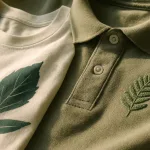
Look for clothing manufacturers with proven experience in producing organic cotton clothing. Experienced partners understand the nuances of organic fibers, fabric handling, and garment finishing, which directly impacts product quality.
Transparency and Communication
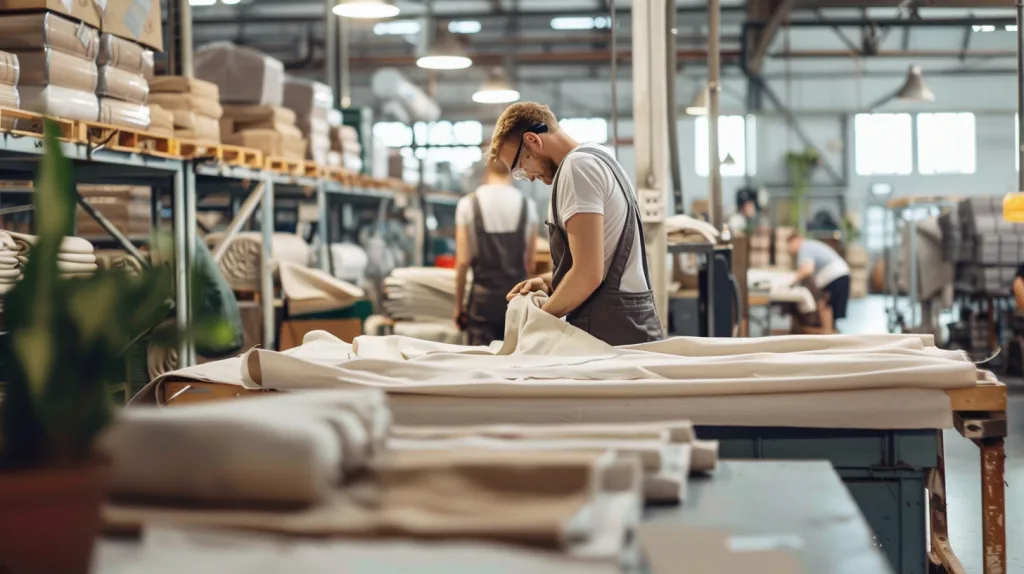
Strong communication and transparency are essential. A reliable manufacturer should provide clear updates on production timelines, costs, and any potential challenges. This fosters trust and ensures smoother collaboration.
Organic Cotton Production Capacity and Quality Control
Production capacity and quality standards are essential for scaling your brand successfully. These factors determine whether the manufacturer can grow with you.
Assessing Manufacturing Capacity
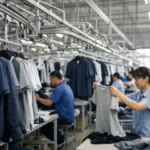
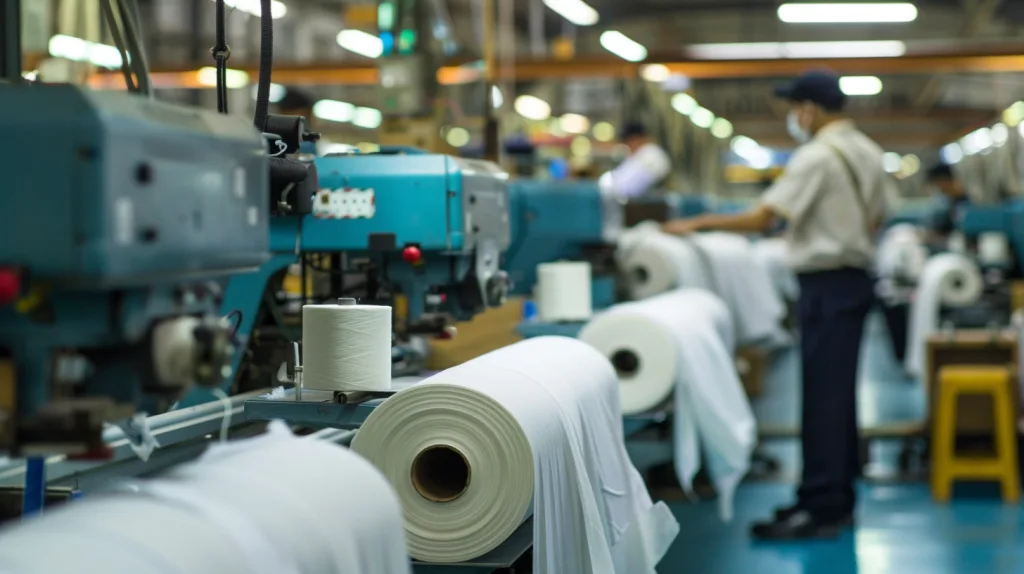
Evaluate the manufacturer’s facility size, machinery, and workforce. Ask about monthly output capacity, especially for complex garment types such as activewear or fashion basics. This ensures they can meet your current and future demand.
Quality Assurance Processes
A strong manufacturer should have established quality control checkpoints, including raw material inspection, in-line production checks, and final product audits. This minimizes defects and ensures consistent standards.
Case Study: Ninghow’s Production Capabilities
At Ninghow, we combine advanced machinery with skilled craftsmanship to deliver consistent organic cotton apparel. Our integrated production system ensures high capacity without compromising quality, making us a reliable partner for global brands.
Certifications and Sustainability Practices
Certifications serve as proof that a manufacturer is committed to sustainable and ethical practices. They also protect your brand from greenwashing claims.

GOTS and OEKO-TEX Certifications
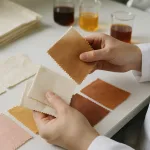
The Global Organic Textile Standard (GOTS) certifies that the cotton is genuinely organic, while OEKO-TEX ensures fabrics are free from harmful substances. Partnering with certified manufacturers provides credibility to your brand.
Fairtrade and Ethical Sourcing Standards
Fairtrade certification ensures farmers and workers are paid fairly and operate under safe conditions. For brands, sourcing Fairtrade cotton strengthens CSR commitments and appeals to ethically minded consumers.
Audits and Compliance Reports
Reputable manufacturers should be open to third-party audits and able to share compliance reports. This demonstrates accountability and builds buyer confidence.
Pricing, MOQ, and Lead Times Considerations
Pricing, minimum order quantity (MOQ), and lead times are critical elements that influence your supply chain and profitability.

Flexible MOQ Policies
Many startups and small brands struggle with high MOQ requirements. Choosing a manufacturer with flexible or no MOQ policies—like Ninghow—allows you to test new designs without heavy financial risk.
Cost Structures and Value Analysis
Beyond base prices, assess the value provided. A slightly higher upfront cost may be justified by better quality, certifications, or sustainable practices that enhance brand equity.
Lead Times and Logistics Management
Understand the manufacturer’s average lead times from order placement to delivery. Efficient logistics and transparent supply chain management reduce risks of stockouts and missed launches.
Conclusion: Building Long-Term Partnerships with the Right Manufacturer
The right organic cotton clothing manufacturer is not just a supplier—it’s a strategic partner. By evaluating factors such as production capacity, quality control, certifications, pricing, and lead times, you can make informed decisions that support long-term brand growth. Manufacturers like Ninghow combine flexibility, certification, and expertise to help brands succeed in the sustainable fashion market.
FAQ: Choosing Organic Cotton Clothing Manufacturers
1. What certifications should I look for in a manufacturer?
Look for GOTS, OEKO-TEX, and Fairtrade certifications to ensure organic authenticity and safety.
2. Can small brands work with certified manufacturers?
Yes. Many certified manufacturers, including Ninghow, offer low or no MOQ to support small businesses.
3. How do I evaluate a manufacturer’s quality control?
Request details about their inspection process, from raw material checks to final product audits.
4. Are organic cotton manufacturers more expensive?
Prices may be slightly higher, but the long-term benefits in sustainability, compliance, and brand image outweigh the costs.
5. What is the average lead time for organic cotton clothing production?
Lead times vary but typically range from 30–90 days depending on order size, product complexity, and season.
6. Why choose Ninghow as a partner?
Ninghow offers certified organic cotton apparel, flexible MOQ, global delivery, and proven expertise, making us a trusted partner for sustainable fashion brands.
