







1. Introduction to the Organic Cotton Supply Chain
The organic cotton supply chain represents a critical shift in fashion manufacturing—one that prioritizes the environment, ethical labor, and sustainable resource use. From the farm fields to your wardrobe, this chain consists of multiple intricate stages that ensure the final product is as ethical as it is eco-friendly.
In this article, we explore every link in the chain, from the initial organic cotton farming to ethical cotton sourcing, fabric spinning, clothing production, and global logistics. Understanding this journey allows brands and consumers alike to make more responsible choices.
2. Why Ethical Cotton Sourcing Matters
Ethical cotton sourcing isn’t just a marketing term—it’s a commitment to better farming practices, fair labor conditions, and environmental stewardship. Conventional cotton production has been linked to water overuse, chemical pollution, and exploitation of workers. In contrast, ethical sourcing guarantees:
- No child or forced labor
- Fair wages and safe working conditions
- Environmentally responsible farming and manufacturing
Brands like Ninghow, who adhere to these principles, support not only sustainability but also the dignity of every individual involved in the supply chain.
3. Organic Cotton Farming and Soil Health
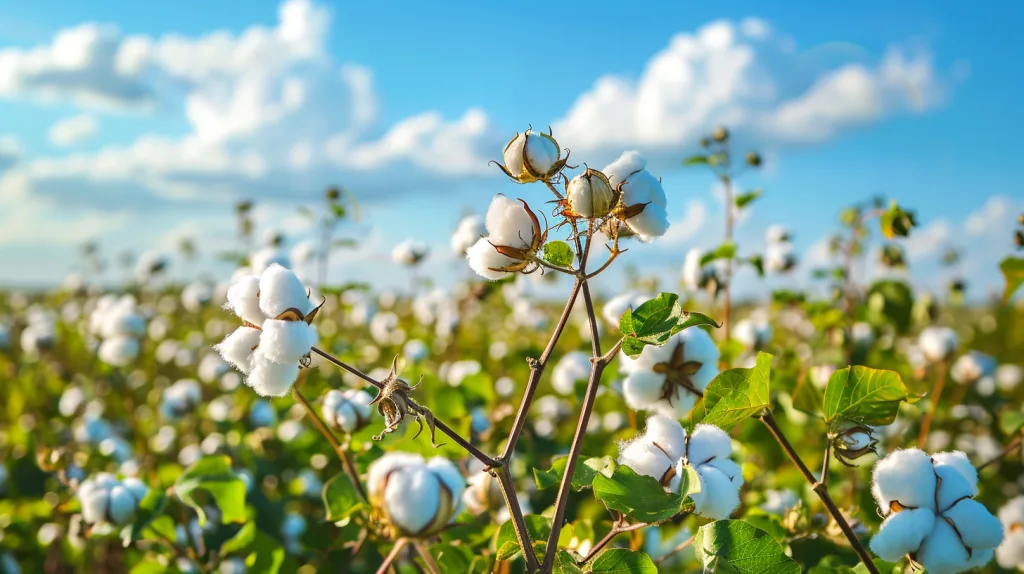
Organic cotton begins with the soil. Farmers use organic compost and crop rotation instead of synthetic fertilizers. This improves soil fertility and boosts biodiversity.
Healthy soil is more resilient against pests and diseases, reducing the need for chemical interventions. Additionally, organic farming often involves:
- Cover cropping to retain moisture and nutrients
- Using non-GMO seeds
- Promoting pollinator populations
The result? A cleaner, more sustainable start to the cotton lifecycle.
4. Pest Control and Water Usage in Organic Cotton Farming
Without synthetic pesticides, organic farmers rely on natural pest control techniques:
- Beneficial insects like ladybugs
- Neem oil sprays
- Manual weeding and crop rotation
Organic cotton also uses up to 91% less water than conventional cotton. This is largely because it’s grown in rain-fed areas and because healthy soil retains moisture more effectively.
5. Harvesting Organic Cotton: Manual vs. Mechanical Methods
Harvesting methods impact fiber quality. While large farms may use machines for speed, many organic farmers prefer manual harvesting:
| Method | Pros | Cons |
|---|---|---|
| Manual | Preserves fiber integrity, lower emissions | Labor-intensive |
| Mechanical | Faster for large-scale farms | Potential fiber damage |
For ethical cotton sourcing, manual methods align more closely with sustainability goals.
6. Cotton Ginning: Separating Fibers from Seeds
After harvest, cotton undergoes ginning—a mechanical process that separates seeds from fiber. Organic ginning facilities avoid contamination by ensuring:
- Separate processing lines
- Certified cleaning processes
- Traceability of bales
This stage is crucial for maintaining organic integrity before spinning.
7. Spinning Organic Cotton into Yarn
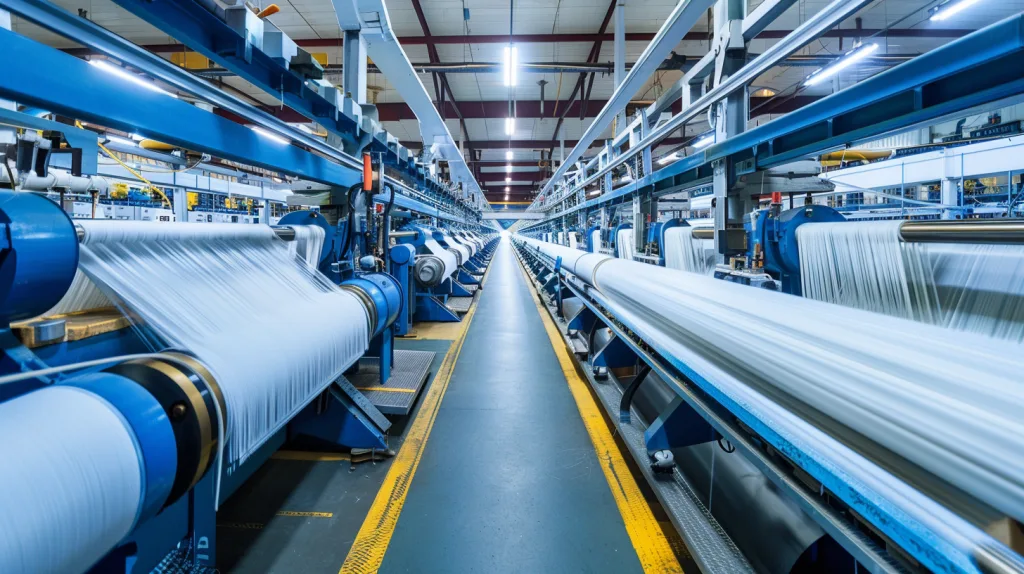
In spinning mills, organic cotton fibers are carded, combed, and twisted into yarn. Spinning can be optimized for sustainability by:
- Using renewable energy sources
- Recycling water in humidification systems
- Minimizing waste during carding
Ethical mills ensure clean, safe environments for workers, reflecting the values of ethical sourcing.
8. Dyeing with Low-Impact Dyes
Conventional dyeing is water- and chemical-intensive. For organic cotton, manufacturers opt for:
- Low-impact, azo-free dyes
- Closed-loop dye systems
- Natural plant-based dyes (in some collections)
These techniques reduce pollution and protect worker health.
9. Organic Cotton Fabric Weaving & Knitting
Whether woven or knitted, fabric construction defines how organic cotton will feel and perform. Key techniques include:
- Plain weave for durability
- Jersey knit for stretch and comfort
- Twill for structured garments
Throughout, manufacturers avoid silicon-based finishes and synthetic softeners.
10. Quality Testing and Certification Standards
To ensure organic claims are trustworthy, third-party certifications are essential:
- GOTS (Global Organic Textile Standard): Covers entire supply chain, including labor
- OEKO-TEX Standard 100: Ensures no harmful substances
- Fair Trade Certified: Confirms ethical treatment of workers
Audits and traceability protocols ensure ongoing compliance.
11. Ethical Manufacturing of Organic Cotton Clothing

Garment factories play a key role. Ethical manufacturers provide:
- Fair wages and reasonable working hours
- Safe, hygienic conditions
- Gender equality and community support programs
Factories working with brands like Ninghow integrate transparency tools like blockchain or QR-based supply tracking.
12. Cutting, Sewing, and Finishing Garments
The final production stages involve:
- Cutting fabrics using CAD systems for zero waste
- Sewing by skilled labor in ethical factories
- Finishing with eco-friendly softeners and trims
Even buttons and labels are chosen to be biodegradable or recycled.
13. Sustainable Packaging Solutions

Sustainability doesn’t stop at the product. Brands now use:
- Compostable or recycled paper mailers
- Plant-based garment bags
- Water-based printing for branding
Ninghow’s packaging strategy reflects a full-circle commitment to eco-conscious design.
14. Logistics and Global Distribution of Organic Cotton Apparel
Shipping is optimized for carbon footprint:
- Consolidated freight
- Use of sea freight over air when possible
- Carbon offset programs
Brands increasingly partner with logistics companies that offer transparent emissions reporting.
15. Case Study: Ninghow’s Ethical Cotton Apparel Journey
Ninghow leads by example, sourcing certified organic cotton from trusted farms and working with GOTS-certified facilities. Their no-MOQ (Minimum Order Quantity) policy makes ethical fashion accessible to small and large businesses alike.
By aligning with ethical cotton sourcing values, Ninghow proves that sustainability and scalability can coexist.
16. Challenges in the Organic Cotton Supply Chain
Despite its benefits, the organic cotton industry faces hurdles:
- Limited availability of certified farms
- Higher upfront costs
- Traceability gaps in complex supply chains
Solutions include tech-based tracking systems, local sourcing models, and consumer education.
17. The Future of Ethical and Organic Cotton Sourcing
Innovation continues to shape the industry:
- AI in farm management
- Blockchain for supply chain transparency
- Biodegradable finishes and 3D knitting
As consumer demand grows, brands embracing ethical cotton sourcing will lead the way in responsible fashion.
📌 FAQ: Common Questions About Organic Cotton Supply Chains
Q1: What is the difference between organic and conventional cotton?
Organic cotton avoids synthetic chemicals and GMOs, and is grown using eco-friendly farming methods.
Q2: Why is organic cotton more expensive?
Due to lower yields, manual labor, and certification costs. However, it reflects true production values.
Q3: How long does it take to produce a finished organic cotton garment?
Typically 6–12 weeks, depending on scale, design, and manufacturing capacity.
Q4: Does Ninghow accept small orders for organic cotton apparel?
Yes, Ninghow offers a no-MOQ policy, ideal for startups and small brands.
Q5: How can I verify if my clothing is truly organic?
Look for GOTS or OEKO-TEX certification labels and ask for supplier transparency.
Q6: What are the best countries for sourcing ethical organic cotton?
India, Turkey, and the USA are leading producers with strong certification ecosystems.
Related Reading