




Introduction
Rayon fabric, commonly known as Viscose, is a semi-synthetic textile that blends the comfort of natural fibers with the durability of synthetics. Made from regenerated cellulose fibers derived from wood pulp, Rayon is valued for its soft texture, breathability, and versatility.
But what makes Rayon (Viscose) fabric so unique? It mimics the luxurious feel of silk, the breathability of cotton, and the drape of linen, making it a widely used material in fashion, home textiles, and industrial applications.
In this guide, we’ll explore the types, characteristics, uses, and care tips for Rayon fabric.
What Is Rayon (Viscose) Fabric?
Rayon is a regenerated cellulose fiber, meaning it is made from natural sources (wood pulp) but processed with chemicals to create a textile. Rayon is often referred to as Viscose Rayon, but there are other types like Modal and Lyocell, each with unique properties.
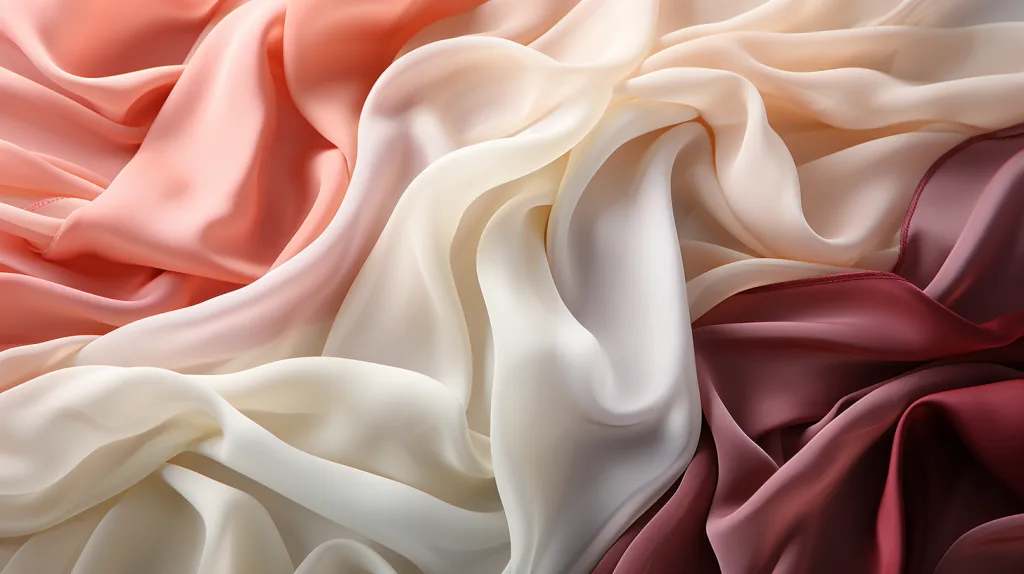
Key Properties of Rayon Fabric:
✔ Soft & Comfortable – Feels like cotton or silk against the skin.
✔ Breathable & Moisture-Absorbent – Keeps the wearer cool and dry.
✔ Excellent Draping Quality – Flows smoothly and elegantly.
✔ Lightweight & Versatile – Ideal for clothing, upholstery, and more.
✔ Eco-Friendly Options Available – Lyocell and Modal are produced with sustainable methods.
Rayon is often blended with cotton, polyester, spandex, or wool to improve durability and performance.
Types of Rayon (Viscose) Fabrics
1. Viscose Rayon
- The most common type, known for its silk-like texture and smooth drape.
- Used in dresses, blouses, linings, scarves, and home textiles.
2. Modal Rayon
- Softer and more durable than regular Viscose, with better moisture absorption.
- Found in loungewear, activewear, underwear, and bedsheets.
3. Lyocell (Tencel) Rayon
- A sustainable, eco-friendly version of Rayon, made with non-toxic solvents.
- Used in high-end fashion, sustainable clothing, and bedding.
4. High-Wet Modulus (HWM) Rayon
- A stronger and more durable version of Rayon, often called Polynosic Rayon.
- Used in blended fabrics for workwear, formal wear, and sportswear.
5. Cuprammonium Rayon (Cupro)
- A fine, silky version of Rayon, often used in luxury linings and scarves.
Why Choose Rayon Fabric?
Soft & Comfortable Feel
Rayon mimics natural fibers like silk, cotton, and wool, providing a luxurious touch.
Breathability & Moisture Absorption
Rayon absorbs more moisture than cotton, making it ideal for summer wear and activewear.
Lightweight & Draping Qualities
Rayon’s flowing texture enhances elegance in fashion and home textiles.
Eco-Friendly Options Available
Lyocell (Tencel) and Modal Rayon are more sustainable alternatives to traditional synthetic fabrics.
Versatile & Affordable
Rayon can be woven or knitted into different textures, making it suitable for various applications at a lower cost than silk or wool.
Common Uses of Rayon (Viscose) Fabric

1. Fashion & Apparel
✔ Dresses, skirts, and blouses for a flowy, elegant look.
✔ Lightweight, breathable summer clothing and casual wear.
✔ Sportswear & Activewear made with moisture-absorbing Modal blends.
2. Home Textiles & Upholstery
✔ Bedsheets and pillowcases with a soft, silky touch.
✔ Curtains and upholstery with excellent draping properties.
✔ Table linens and napkins with a luxurious feel.
3. Industrial & Specialty Applications
✔ Rayon is used in medical bandages and personal hygiene products.
✔ Cupro (Cuprammonium Rayon) is found in high-end luxury garments.
✔ Fire-resistant Rayon is used in workwear and protective clothing.
How to Choose the Right Rayon Fabric?
- For Softness & Everyday Wear:Modal Rayon is softer and more durable than regular Viscose.
- For Sustainability & Luxury:Lyocell (Tencel) is an eco-friendly option with a silk-like finish.
- For High Durability:High-Wet Modulus Rayon (HWM) is stronger and resists shrinkage.
- For Home Textiles & Upholstery:Standard Viscose Rayon provides a soft, draping effect.
Caring for Rayon Fabric
Washing Tips
- Hand wash or use a delicate machine cyclewith cold water.
- Avoid excessive wringingto prevent stretching or misshaping.
- Use mild detergentto maintain the fabric’s softness.
Drying & Ironing
- Air dry flat or use a low heat setting in the dryer.
- Iron on a low heat settingwith a cloth over the fabric to prevent scorching.
Storage Tips
- Fold instead of hangingto prevent stretching.
- Keep Rayon garments in a cool, dry placeto maintain longevity.
FAQs
What is the difference between Rayon and Viscose?
Viscose is a type of Rayon. The terms are often used interchangeably, but Viscose is the most common type of Rayon fabric.
Does Rayon shrink in the wash?
Yes, Rayon can shrink if washed in hot water or dried on high heat. Always follow care instructions.
Is Rayon a breathable fabric?
Yes! Rayon is more breathable than polyester and absorbs moisture, making it suitable for warm-weather clothing.
Is Rayon fabric eco-friendly?
Traditional Rayon uses chemical-intensive processing, but Lyocell (Tencel) and Modal Rayon are sustainable alternatives.
Can Rayon be used for winter clothing?
Rayon is not as warm as wool, but when blended with wool or polyester, it can be used in lightweight winter wear.
Conclusion
Rayon (Viscose) fabric is a soft, breathable, and versatile textile used in fashion, home décor, and industrial applications. Whether you’re looking for lightweight summer clothing, luxurious bedding, or sustainable textile options, Rayon offers comfort, affordability, and durability.
With the rise of eco-friendly alternatives like Lyocell and Modal, Rayon is evolving to meet the demand for sustainable, high-performance fabrics.
Looking for High-Quality Rayon Fabric?
Ninghow offers customized wholesale services for brands, businesses, teams, and events. Our main products include POLO shirts, T-shirts, hoodies, and shorts. Contact us today to explore our premium Rayon fabric options!
